

Prolonged stress causes your muscles to tighten as part of the fight-or-flight response, especially in your neck, shoulders, and back. Sitting at a desk long-term worsens this tension by keeping muscles contracted and reducing blood flow, which leads to soreness and stiffness. Poor posture amplifies these effects by putting uneven strain on muscles and joints. Stay vigilant about these signs and habits—the more you learn now, the better you’ll understand how to prevent ongoing muscle strain.
Key Takeaways
- Chronic stress triggers muscle tightening through the fight-or-flight response, leading to persistent muscle tension in desk workers.
- Poor posture and prolonged sitting exacerbate muscle strain and reduce blood flow, worsening tension and discomfort.
- Elevated cortisol levels from stress increase muscle fatigue, soreness, and weakness over time.
- Recognizing signs like stiff shoulders and headaches early enables effective stress and muscle tension management.
- Ergonomic workspace adjustments and regular stretching are essential to prevent and relieve stress-induced muscle strain.

Marsail Ergonomic Office Chair: Office Desk Chair with High Back Mesh and Adjustable Lumbar Support Rolling Work Swivel Task Chairs with Wheel 3D Armrests and Headrest
Fully Adjustable Office Chair: Customized chairs, featuring with an adjustable 2D headrest, backrest with 90° to 120° recline,…
As an affiliate, we earn on qualifying purchases.
As an affiliate, we earn on qualifying purchases.
How Does Stress Cause Muscle Tension in Desk Workers?

Stress triggers your body’s fight-or-flight response, which causes your muscles to tense up as a protective mechanism. When you’re under constant stress, your body releases cortisol, a hormone that intensifies this response. Over time, this cortisol response can lead to muscle fatigue, making your muscles feel weak or sore. Sitting at a desk for long hours exacerbates this tension because your muscles remain in a contracted state without relief. The continuous tension reduces blood flow, depriving muscles of oxygen and nutrients needed for recovery. Additionally, poor posture while working can further aggravate muscle strain and discomfort. As a result, your muscles become more prone to fatigue and discomfort. This cycle of stress-induced tension and cortisol response keeps your muscles tight, setting the stage for ongoing discomfort and potential strain. Chronic stress can also contribute to muscle imbalances, which may worsen tension and discomfort over time. Incorporating stress management techniques can help break this cycle and reduce muscle tension. Understanding how physical activity can alleviate stress-related tension is also essential for maintaining muscle health.

Slant Board for Calf Stretching, Adjustable Portable Wooden Incline Board for Calf Stretcher with Training Poster, 300 Lbs Weight Capacity Calf Stretch Wedge for Leg, Knees, Heel, Ankle & Stretching
[Scientific Design Wooden Balance Slant Board] Our calf stretcher slant board has a foldable design. A full PVC…
As an affiliate, we earn on qualifying purchases.
As an affiliate, we earn on qualifying purchases.
Signs That Stress Is Straining Your Muscles

You might notice your neck and shoulders feeling tense or stiff, even when you’re not actively moving them. Frequent headaches or migraines can also be a sign that stress is taking a toll on your muscles. These symptoms are your body’s way of showing that stress is straining your muscles and needs attention. Incorporating regular exercise into your routine can help alleviate some of this tension and improve overall muscle health.
Tense Neck and Shoulders
When tension builds up, your neck and shoulders often become the first areas to show signs of strain. You might notice tightness, stiffness, or even pain after long hours at your desk. To ease this, try mindful breathing to relax your muscles and break the stress cycle. Adjust your workspace with ergonomic adjustments—raise your monitor, support your lower back, and keep your shoulders relaxed. Recognize these signs early:
| Symptom | Action to Take |
|---|---|
| Tightness | Practice deep, mindful breathing |
| Stiffness | Incorporate ergonomic adjustments |
| Pain | Take regular breaks and stretch |
| Tension | Use shoulder rolls and gentle stretches |
Addressing tension promptly helps prevent more serious issues and keeps your muscles healthy. Incorporating Free Floating techniques can further enhance your relaxation efforts. Understanding requirements traceability can also help identify stress points in your workflow, reducing overall muscle tension caused by work-related pressures. Additionally, engaging in sound healing practices, such as listening to calming frequencies, may assist in easing muscle tension and promoting relaxation during breaks. Exploring mindfulness exercises can also improve your awareness of tension buildup and help you respond proactively. Incorporating ergonomic principles into your workspace setup can significantly reduce muscle strain and support long-term comfort.
Frequent Headaches or Migraines
Frequent headaches and migraines often signal that muscle tension from stress is taking a toll on your body. When stress builds up, your mind and body are closely connected, and emotional triggers can increase muscle tightness, especially around your neck and scalp. This tension constricts blood flow and irritates nerves, leading to persistent pain. Recognizing these headaches as signs of stress-related muscle strain is essential. By understanding the mind-body connection, you can address emotional triggers and reduce muscle tension before headaches worsen. Managing stress through relaxation techniques, regular breaks, and proper posture helps ease this strain. Listening to your body and addressing stress early can prevent these headaches from becoming chronic, helping you feel more in control and less overwhelmed. Incorporating ergonomic adjustments and proper muscle relaxation techniques can further alleviate tension and improve overall comfort. Being aware of physical symptoms of stress allows you to take proactive steps to maintain your well-being and prevent ongoing discomfort. Additionally, developing stress management skills can provide long-term relief and resilience against these symptoms. In addition, incorporating stress reduction strategies into your daily routine can significantly decrease muscle tension and improve your overall health.

Mirakel Fathers Day Dad Gifts for Husband Men, Neck Massager for Pain Relief Deep Tissue, Electric Shiatsu Shoulder & Back Massager with Heat, Mothers Day Gifts for Mom Wife Women Her (NOT Cordless)
DEEPER KNEADING MASSAGE: Experience therapeutic relief with bi-directional rotation kneading massage heads. Heat neck massager can massage in…
As an affiliate, we earn on qualifying purchases.
As an affiliate, we earn on qualifying purchases.
What’s Happening Inside Your Body When You’re Stressed?
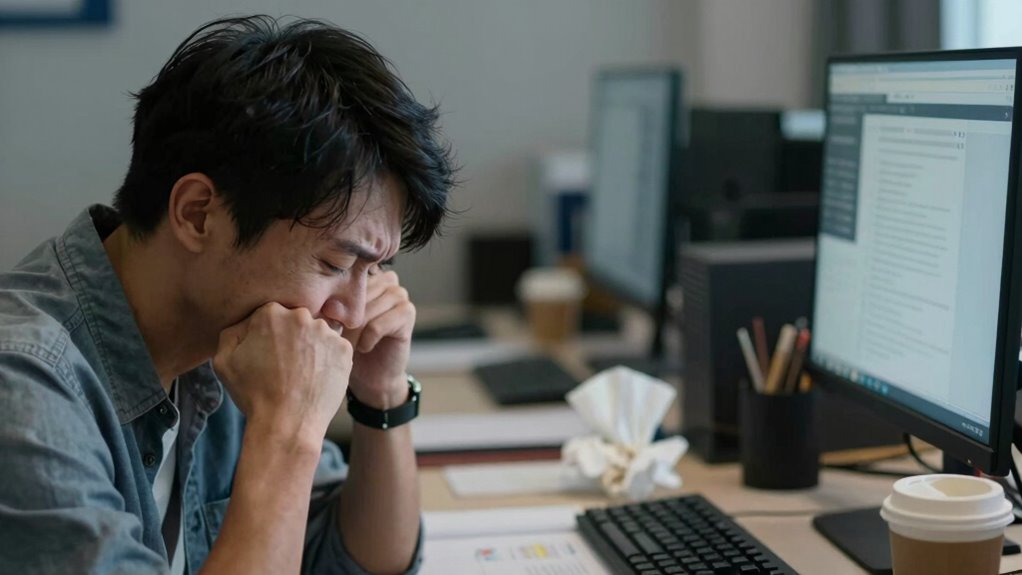
Stress triggers a rapid response inside your body, activating the sympathetic nervous system. This triggers a neurochemical response, releasing stress hormones like adrenaline and cortisol. These hormones prepare you to face a threat by increasing your heart rate, blood pressure, and energy supplies. The hormonal impact also suppresses non-essential functions, such as digestion and immune response, to prioritize immediate survival. As a result, your muscles tighten, your breathing quickens, and your alertness sharpens. This chain reaction is designed for short-term survival but becomes problematic when stress persists. The continuous hormonal impact keeps your body in a heightened state, leading to muscle tension and discomfort. Interestingly, recent AI discoveries are exploring ways to better understand and manage stress responses through advanced technology. Understanding this internal process helps you recognize how stress directly influences your physical well-being, especially since chronic stress can contribute to long-term health issues like muscle tension and other ailments related to hormonal imbalance. Additionally, ongoing research into stress management techniques offers promising avenues for reducing these adverse effects, including biofeedback and mindfulness practices that help regulate the body’s stress response.

ComfyBrace Posture Corrector-Back Brace for Men and Women- Fully Adjustable Straightener for Mid, Upper Spine Support- Neck, Shoulder, Clavicle and Back Pain Relief-Breathable
Say Hello to a Pain-Free Life- The Comfy Brace posture corrector aims to relieve chronic back pain and…
As an affiliate, we earn on qualifying purchases.
As an affiliate, we earn on qualifying purchases.
Effective Exercises and Tips to Relieve Muscle Tension

To effectively relieve muscle tension, incorporating targeted exercises and relaxation techniques can make a significant difference. Start with simple stretching routines, focusing on areas like your neck, shoulders, and back to loosen tight muscles. Hold each stretch for 15-30 seconds without bouncing, breathing deeply to enhance relaxation. Complement these stretches with relaxation techniques such as deep breathing, progressive muscle relaxation, or mindfulness meditation. These methods help calm your nervous system and reduce muscle tightness caused by stress. Regularly practicing these exercises and techniques can prevent tension buildup and improve your overall comfort during long work hours. Awareness of ergonomic considerations, similar to understanding pinball machine weight, can also contribute to better posture and reduced strain. Incorporating ergonomic adjustments and awareness of muscle tension causes can further enhance your relief strategies. Additionally, using vetted survival gear items like ergonomic supports or stress-relief tools can provide extra comfort. Consistency is key—integrate them into your daily routine for lasting relief and better stress management. Recognizing the importance of proper ergonomics can also help prevent future muscle tension issues. Moreover, staying mindful of posture habits throughout the day can significantly reduce ongoing strain.
How Poor Posture Worsens Stress-Related Muscle Pain
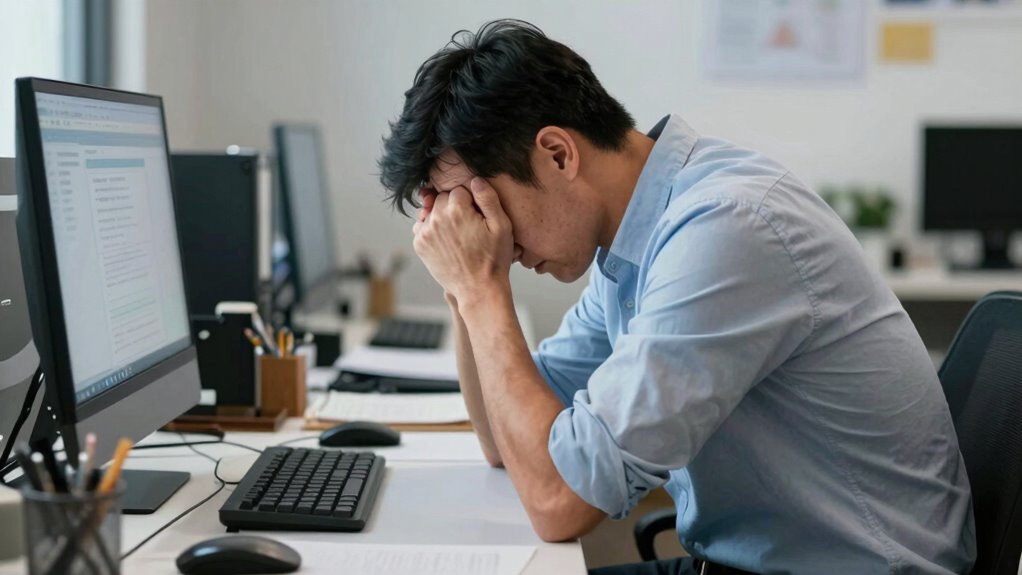
Poor posture can markedly contribute to muscle pain linked to stress by placing uneven strain on your muscles and joints. When you slouch or hunch, your muscles work harder to support your body, leading to tension and discomfort. To combat this, focus on posture correction and use ergonomic accessories like adjustable chairs and keyboard stands. Here are four ways poor posture worsens stress-related muscle pain:
- Increased muscle tension in the neck and shoulders
- Reduced blood flow, causing stiffness and soreness
- Imbalanced muscle use, leading to strain and fatigue
- Amplified stress responses, heightening pain perception
Simple Workspace Routines to Prevent Muscle Strain
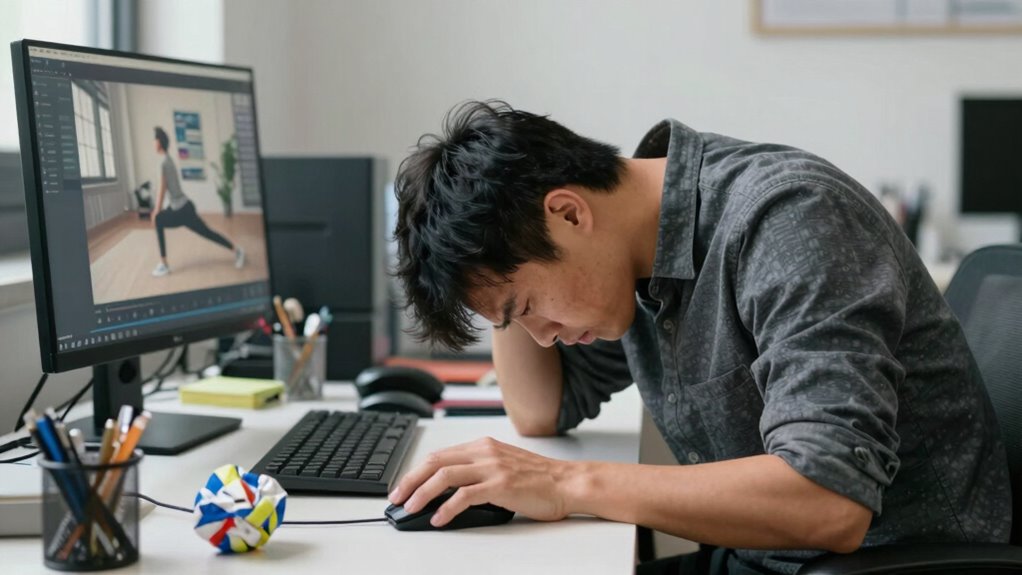
Maintaining good workspace habits can considerably reduce muscle strain caused by poor posture and stress. Start by using ergonomic accessories like adjustable chairs, monitor stands, and keyboard supports to promote proper alignment. Regularly incorporate stretching routines into your day; simple stretches for your neck, shoulders, and back can relieve tension before it builds up. Take short breaks every hour to stand, move around, and reset your posture. Guarantee your workstation is set up so that your feet are flat on the floor and your wrists are straight while typing. Staying mindful of your positioning and stretching regularly keeps muscles relaxed and minimizes strain. Incorporating ergonomic principles into your workspace setup can further enhance comfort and prevent discomfort. Additionally, being aware of muscle tension signs can help you address issues early before they become more severe. Recognizing posture correction techniques can also contribute significantly to reducing strain over time. Consistent routines not only prevent discomfort but also boost your focus and productivity throughout the day.
Frequently Asked Questions
Can Dietary Choices Influence Muscle Tension Caused by Stress?
Yes, your dietary choices can influence muscle tension caused by stress. If you lack essential nutrients, like magnesium or B vitamins, you may experience increased muscle tightness. Eating foods rich in antioxidants, such as berries, nuts, and leafy greens, helps reduce inflammation and oxidative stress, easing tension. Ensuring a balanced diet with adequate nutritional intake supports your muscles and helps manage stress-related muscle tightness effectively.
How Long Does It Typically Take to See Relief From Muscle Tension?
Relief from muscle tension can arrive like a gentle sunrise, usually within a few days to a week. The duration of recovery depends on how quickly you address stress and implement relaxation techniques. Symptom duration varies based on severity, but consistent stretching, proper hydration, and mindfulness can speed up your journey. With patience and care, you’ll notice tension melting away, revealing a more relaxed, refreshed you.
Are There Any Natural Remedies to Reduce Stress-Related Muscle Pain?
Yes, you can try natural remedies like herbal teas such as chamomile or peppermint, which help relax muscles and reduce stress. Aromatherapy oils like lavender or eucalyptus can also ease tension when diffused or applied topically. Incorporate these into your routine to promote relaxation, decrease muscle pain, and improve overall well-being. Consistent use can make a noticeable difference in managing stress-related muscle discomfort.
How Does Sleep Quality Affect Stress and Muscle Tension Levels?
Think sleep quality doesn’t matter? Think again. Poor sleep ruins your sleep hygiene, which boosts stress hormones and increases muscle tension. When you don’t rest well, stress levels spike, making your muscles tight and sore. Ironically, neglecting good sleep habits traps you in a cycle of stress and discomfort. Prioritize quality sleep to break free—your body will thank you with less tension and more energy.
Can Meditation or Mindfulness Techniques Help Prevent Muscle Strain?
Yes, meditation and mindfulness techniques can help prevent muscle strain. By practicing mindfulness exercises and breathing techniques regularly, you can reduce tension and improve your body awareness. These practices encourage relaxation, helping you release muscle tightness before it becomes painful. Incorporate short sessions into your day to stay mindful of your posture and breathing, which can considerably lessen the risk of strain during long work hours.
Conclusion
Think of your body as a finely tuned instrument; stress can cause the strings to tighten and go out of tune. But by paying attention to your posture, incorporating simple exercises, and taking regular breaks, you can bring harmony back to your muscles. Don’t let stress turn your workspace into a battlefield—take control and keep your body singing in perfect pitch. Your muscles will thank you for it.