
When you see labels like “ergonomic,” it’s important to recognize that many are just marketing buzzwords without scientific proof or real features. True ergonomic products focus on adjustability, support, and proven benefits backed by research. Vague claims or excessive claims of comfort often mask gimmicks. If you want to avoid falling for empty promises, learn how genuine features and certifications can help you identify real ergonomic quality—continue exploring to uncover the truth.
Key Takeaways
- Many products use “ergonomic” as a marketing buzzword without meeting genuine ergonomic standards.
- Labels like “scientifically proven” or “clinically tested” require clear, verifiable evidence to be trustworthy.
- Vague claims such as “reduces discomfort” or “improves posture” often lack supporting data and can be misleading.
- Certifications from recognized bodies (e.g., BIFMA, ANSI) and third-party testing validate true ergonomic features.
- Always verify adjustable features and test support to differentiate between genuine ergonomics and marketing hype.
What Does “Ergonomic” Really Mean in Product Marketing?
Have you ever wondered what “ergonomic” really means when you see it on product packaging? Many people fall for ergonomic misconceptions, assuming that any item labeled as such automatically offers superior comfort or health benefits. The truth is, “ergonomic” has become a piece of marketing jargon used to make products sound more appealing, even if they don’t meet genuine ergonomic standards. Brands often use this term loosely to attract consumers seeking comfort or improved productivity. Understanding ergonomic principles can help you identify products that genuinely promote comfort and health. Being aware of ergonomic standards can help you identify products that genuinely promote comfort and health. It’s also important to recognize that true ergonomic design involves careful consideration of body mechanics and individual differences, rather than just a label or generic features. Additionally, understanding ergonomic assessments can help consumers make more informed choices and avoid misleading claims. Don’t be fooled by marketing jargon—know what to look for.
How to Recognize Genuine Ergonomic Features in Products
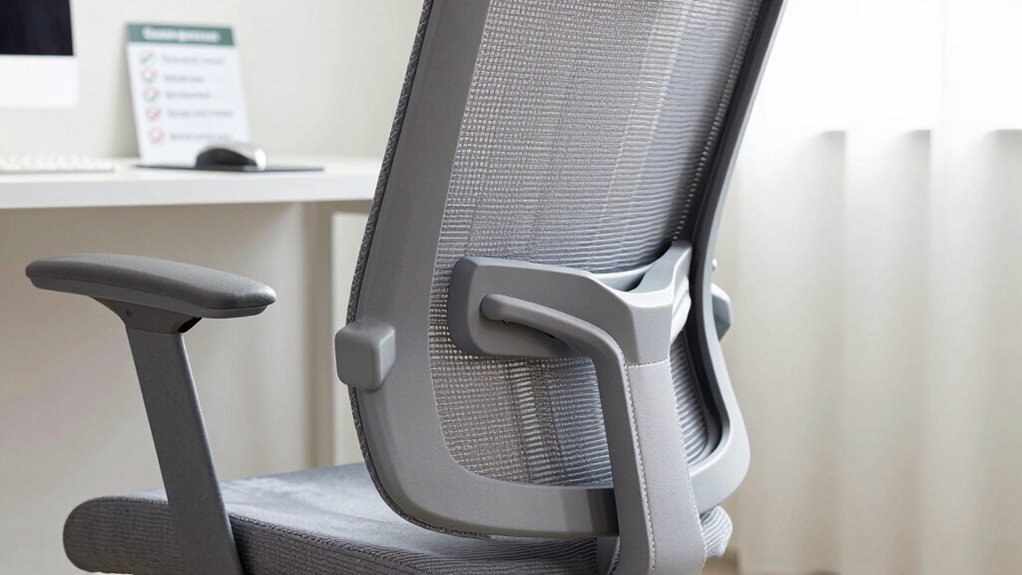
Wondering how to spot genuine ergonomic features in products? Don’t fall for ergonomic myths or marketing jargon that promise too much. To recognize real ergonomic benefits, look beyond labels and flashy claims. Focus on features that adapt to your body, like adjustable height, lumbar support, or wrist rests. Ask yourself if the design promotes comfort over time, not just immediate relief. Be wary of vague promises like “ergonomic design” without specifics. Trust products that provide measurable, functional support rather than trendy buzzwords. Remember, authentic ergonomics are rooted in science, not marketing hype. The key is to test the product yourself or seek expert recommendations. Genuine ergonomic features genuinely improve comfort, posture, and productivity—not just sell you a label. Additionally, understanding the benefits of proper support can help you make more informed choices when selecting ergonomic products. Research shows that ergonomic design can significantly reduce strain and injury over prolonged use, emphasizing the importance of evidence-based features.
How Do Ergonomic Labels Influence Your Buying Choices?
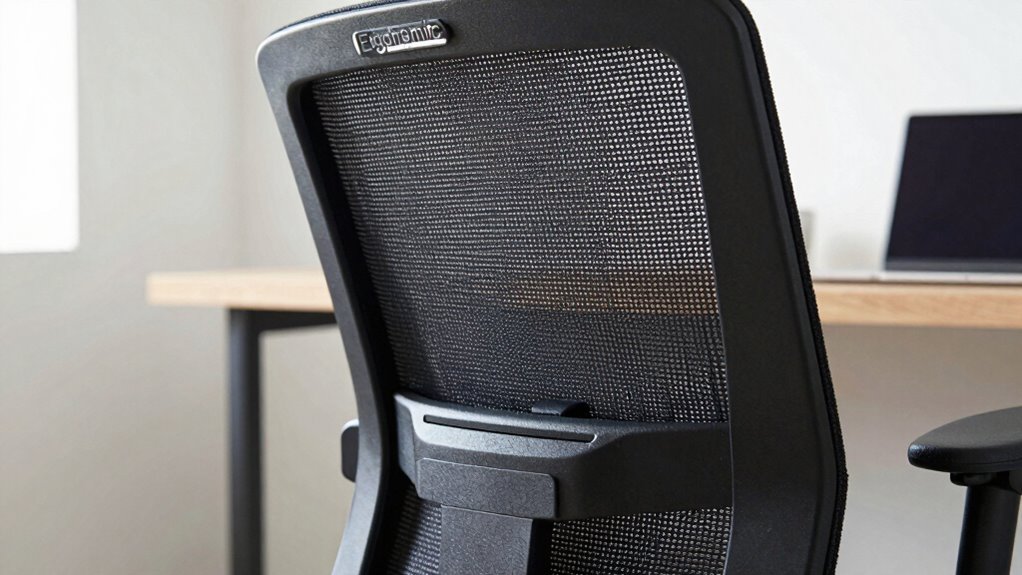
Ergonomic labels can shape your trust in product claims and influence how comfortable you expect to feel using them. When you see these labels, you might assume the product offers a higher level of comfort, even if that’s not always guaranteed. Understanding how these labels impact your perceptions can help you make smarter buying decisions. Recognizing necessary cookies can also enhance your overall well-being and satisfaction with your purchases. Being aware of marketing language and how it can be used to influence perceptions is essential for making informed choices, especially when it comes to selecting gear that supports your cycling confidence. Additionally, awareness of Free Floating concepts in product design can help you identify genuine ergonomic features versus superficial labels. Just as proper piercing care ensures comfort and safety, scrutinizing labels helps you avoid misleading claims and achieve better satisfaction with your purchases.
Trust in Claims
Ever notice how labels claiming ergonomic design influence your confidence in a product? These claims can boost trust, but they often raise credibility concerns. You might wonder if the label is backed by evidence or just marketing disclaimers. When you see “ergonomic,” it’s easy to feel assured, but that assurance can be misleading.
Consider these feelings that may surface:
- Doubting whether the claim is genuine
- Worrying about being misled by marketing tactics
- Feeling uncertain about the product’s true benefits
- Questioning the credibility of the brand
- Experiencing skepticism about the label’s legitimacy
All of these reactions show how much trust is influenced by how transparent and honest the claims are. Without clear proof, your confidence can quickly turn into doubt, making you more cautious about what you buy.
Additionally, understanding how ergonomic labels are created and verified can help you make more informed decisions.
Perceived Comfort Levels
When a product sports an ergonomic label, it often shapes your perception of comfort even before trying it out. This perceived comfort influences your decision, making you more likely to believe the product will meet your needs. Ergonomic labels can boost your sense of subjective satisfaction, even if the actual comfort level isn’t notably different from non-ergonomic options. Your expectations play a big role in how comfortable you feel while using the product. When you see these labels, your mind may associate them with better support and reduced strain, increasing your perceived comfort. Additionally, understanding the environmental impact of materials like tissue paper can influence your perception of a product’s overall quality and sustainability. Recognizing that some ergonomic claims are based on marketing tactics rather than measurable benefits helps you make more informed choices. Moreover, being aware of scientific evidence behind ergonomic claims can help distinguish genuine benefits from marketing hype. To truly evaluate a product’s comfort and quality, it’s essential to consider the testing and validation processes that support ergonomic claims. Ultimately, these labels sway your buying choices by creating an impression of enhanced comfort, regardless of whether the product truly delivers on those promises.
Scientific Evidence That Supports True Ergonomic Design
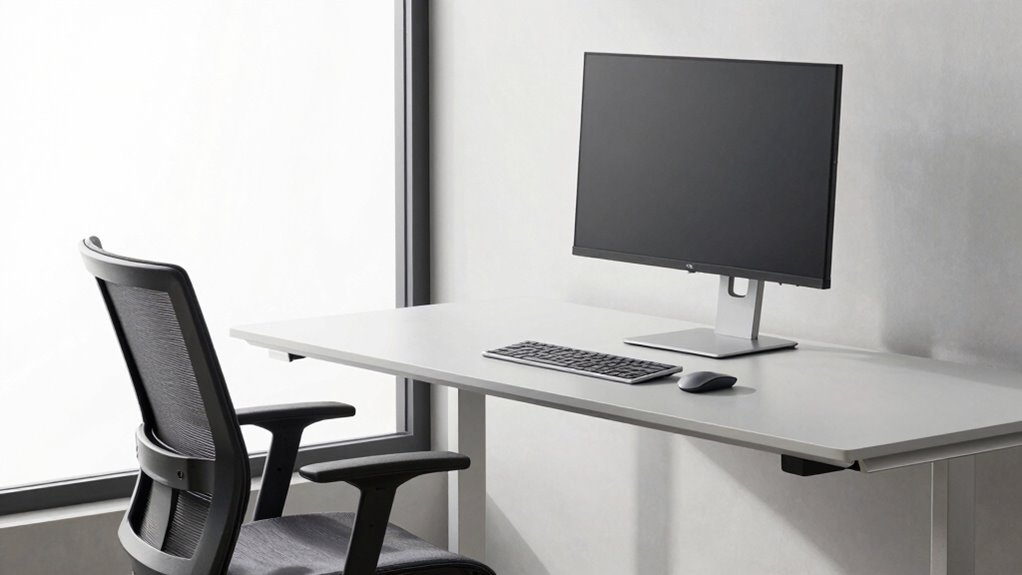
Numerous studies have demonstrated that true ergonomic design considerably reduces strain and enhances comfort, leading to improved productivity and well-being. By understanding the scientific evidence behind effective ergonomic principles, you can avoid falling for ergonomic myths and design misconceptions. Real research shows that properly supporting your back, wrists, and feet decreases discomfort and injury risk. Incorporating adaptive lighting and circadian support can further optimize your environment for health and comfort. Feel the difference:
- Reduced muscle fatigue and tension
- Fewer repetitive strain injuries
- Increased focus and efficiency
- Long-term health benefits
- Greater job satisfaction
This evidence debunks many ergonomic myths often used in marketing. Instead of relying on empty labels, trust genuine research that confirms true ergonomic design promotes comfort, safety, and performance. Recognizing the importance of scientific evidence helps you make informed choices about ergonomic solutions and avoid marketing gimmicks. Additionally, understanding how proper support impacts your body ensures your workspace remains safe and efficient. Being aware of the benefits of ergonomic design can motivate you to prioritize proper workplace setup, leading to better health outcomes. Moreover, understanding the costs of poor ergonomics emphasizes the need for effective ergonomic solutions. Don’t let misconceptions misguide your choices—prioritize scientifically supported solutions.
Common Ergonomic Claims That Are Just Marketing Gimmicks
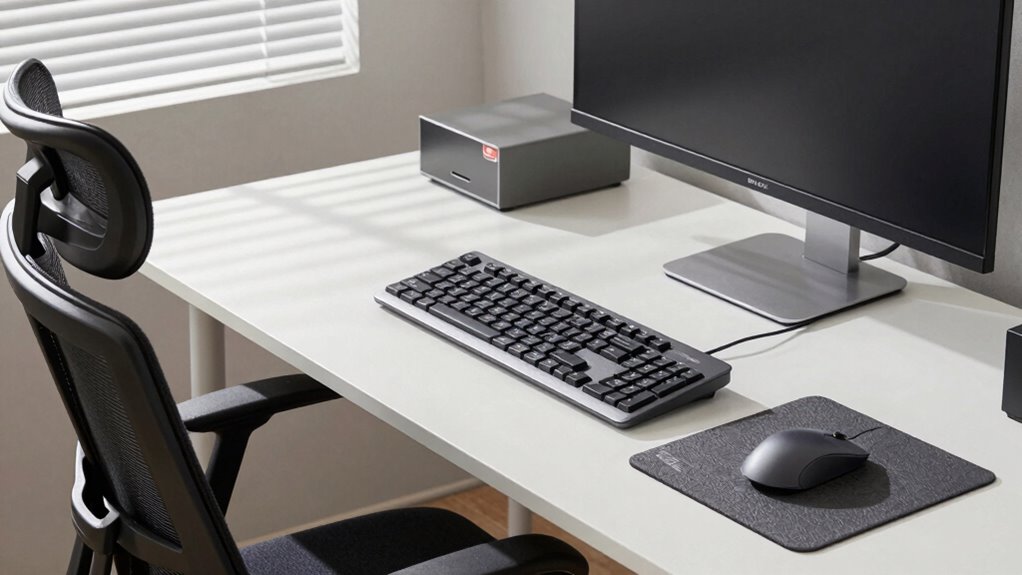
While scientific research confirms the benefits of true ergonomic design, many marketing claims exaggerate or misrepresent these benefits to sell products. Common ergonomic misconceptions often lead consumers to believe that a simple label guarantees comfort or health benefits. For example, claiming a chair is “ergonomic” without evidence can be a marketing overstatement designed to attract buyers. Some products tout features like “adjustable” or “lumbar support” as game-changers, but these claims may not deliver real ergonomic advantages. It’s essential to scrutinize such claims carefully, as they often serve marketing gimmicks rather than genuine solutions. Recognizing these tactics helps you avoid falling for false promises and ensures you invest in truly beneficial ergonomic equipment.
Red Flags to Watch for in Ergonomic Marketing Claims

If a marketing claim sounds too good to be true, it probably is. Be wary of red flags in ergonomic marketing claims that use confusing ergonomic jargon or overhyped marketing buzzwords. These often mask a lack of real benefits. Watch out for claims like “scientifically proven,” “clinically tested,” or “ergonomically perfected” without clear evidence. Also, be cautious of vague phrases such as “reduces discomfort” without specifics. Other red flags include exaggerated promises of instant relief, products labeled as “best” without reviews, and phrases like “ergonomic design” that lack detailed explanation. These tactics aim to evoke emotion rather than provide genuine solutions. Stay alert and demand transparency to avoid falling for misleading marketing that prioritizes buzzwords over real ergonomic value. Recognizing ergonomic benefits backed by credible evidence can help you make more informed choices, especially when credible testing methods are not clearly described.
Practical Tips for Choosing Truly Ergonomic Products
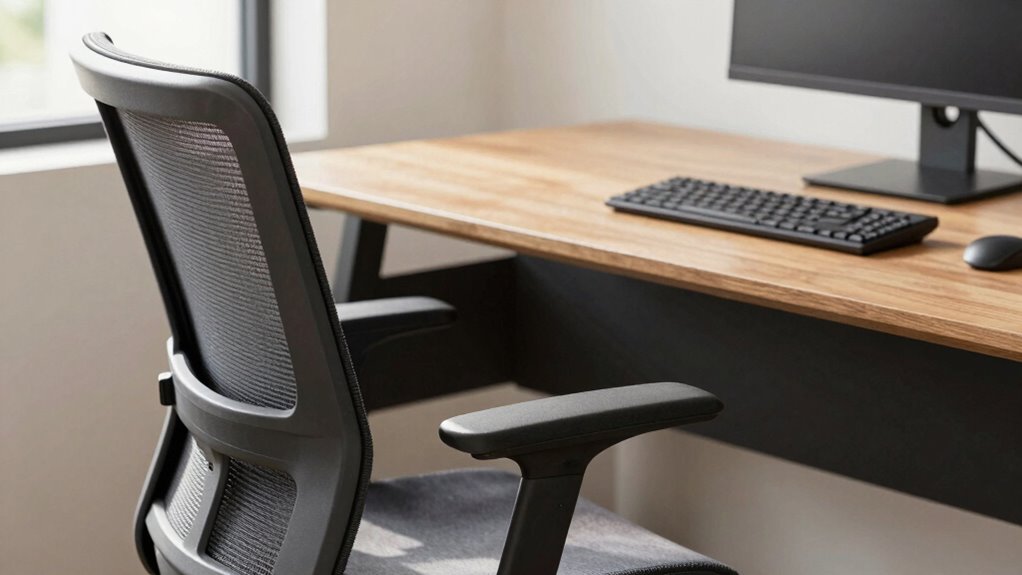
When selecting ergonomic products, start by checking for reputable certifications to guarantee they meet safety standards. Make sure the items offer adjustable features so you can customize the fit for your body. Finally, assess how comfortable and supportive the product feels during use to confirm it truly suits your needs.
Verify Ergonomic Certifications
How can you be sure that an ergonomic claim is legitimate? Start by checking for credible ergonomic certifications, which are backed by lab testing and industry standards. These certifications guarantee the product has been rigorously evaluated for comfort, support, and safety. Don’t be swayed by vague claims; verify the credentials of the certifying organization. Look for labels from recognized bodies like BIFMA or ANSI, which require strict testing processes.
Feel confident in your choice when you see:
- Clear lab testing results backing claims
- Recognized ergonomic certification labels
- Transparent information on certification standards
- Verified third-party testing
- Consistent, proven performance in real-world use
Trustworthy certifications protect your health and ensure you’re investing in genuinely ergonomic products.
Prioritize Adjustable Features
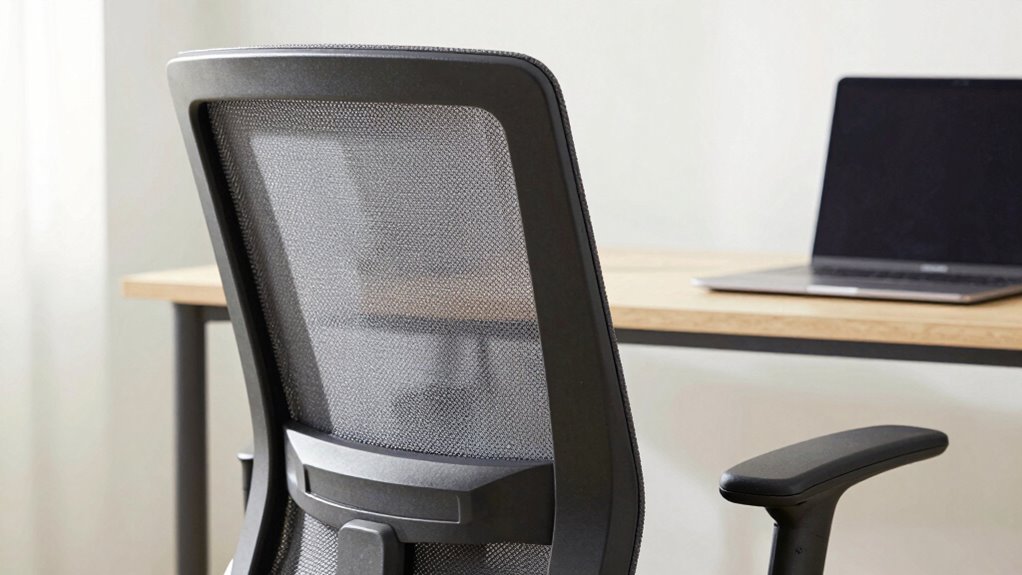
Are you getting the most comfortable and supportive setup? Prioritize products with adjustable features that allow for user customization. Look for chairs, desks, or accessories that let you fine-tune height, tilt, lumbar support, and armrest position. These adjustments ensure the product adapts to your body, not the other way around. Avoid static designs that limit your ability to customize; they often lead to discomfort over time. The key is flexibility—products that respond to your needs promote better posture and reduce strain. When shopping, test each adjustable element to confirm smooth operation and secure locking. Remember, the more options you have for user customization, the more likely you’ll create an ergonomic setup tailored specifically to you.
Assess Fit and Comfort
To choose truly ergonomic products, you need to assess how well they fit your body and provide comfort during use. Focus on material quality, ensuring the product feels durable and supportive. Check for aesthetic appeal that matches your style, making you feel good about your workspace. Test the fit by sitting or using the item for a few minutes—your body should feel supported, not strained. Consider the following:
- How comfortable the material feels against your skin
- Whether the product’s shape supports your natural posture
- If it’s easy to adjust for personalized comfort
- The quality of construction and durability
- The visual appeal that motivates you to use it consistently
This honest assessment helps you avoid fads and find a product that truly enhances your comfort and well-being.
Questions to Ask Before Buying Ergonomic Products
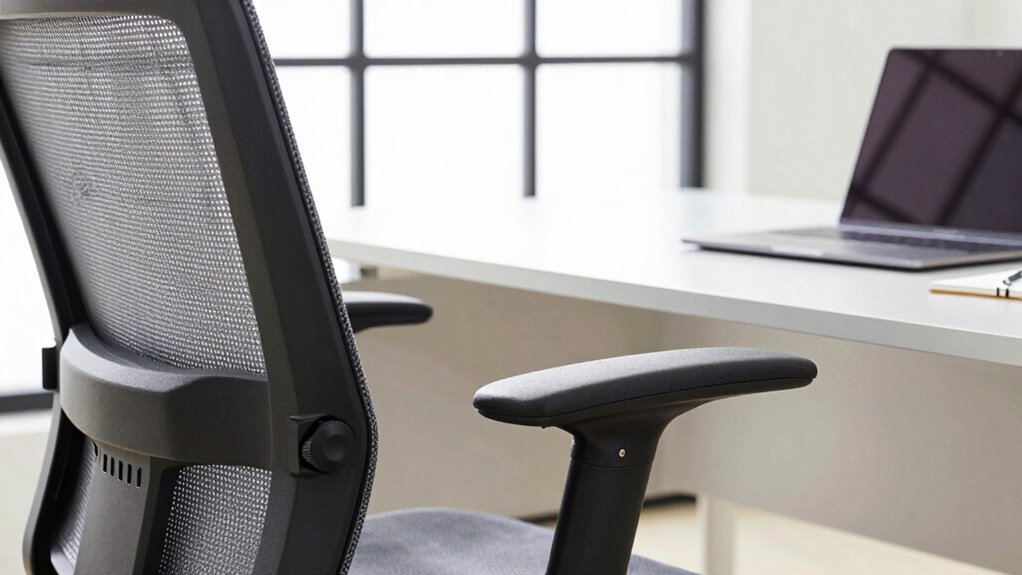
When shopping for ergonomic products, asking the right questions guarantees you choose options that truly support your comfort and health. Be skeptical of ergonomic misconceptions and marketing jargon that promise instant relief. Ask: “What specific features support proper posture?” and “Has this been tested for ergonomic effectiveness?” Avoid vague claims like “ergonomic design” without proof. Consider how the product fits your body and daily habits. Use this checklist to guide your questions:
| Question to Ask | Why It Matters | What to Look For |
|---|---|---|
| Is this tested by ergonomic standards? | Ensures product meets proven guidelines | Certifications, independent testing |
| How adjustable is it? | Customization fits your unique needs | Multiple adjustment points |
| Does it address ergonomic misconceptions? | Clarifies its true purpose | Clear explanations, research-backed claims |
| Will it be comfortable over hours? | Comfort impacts long-term health | User reviews, material quality |
How to Test if a Product Is Truly Ergonomic
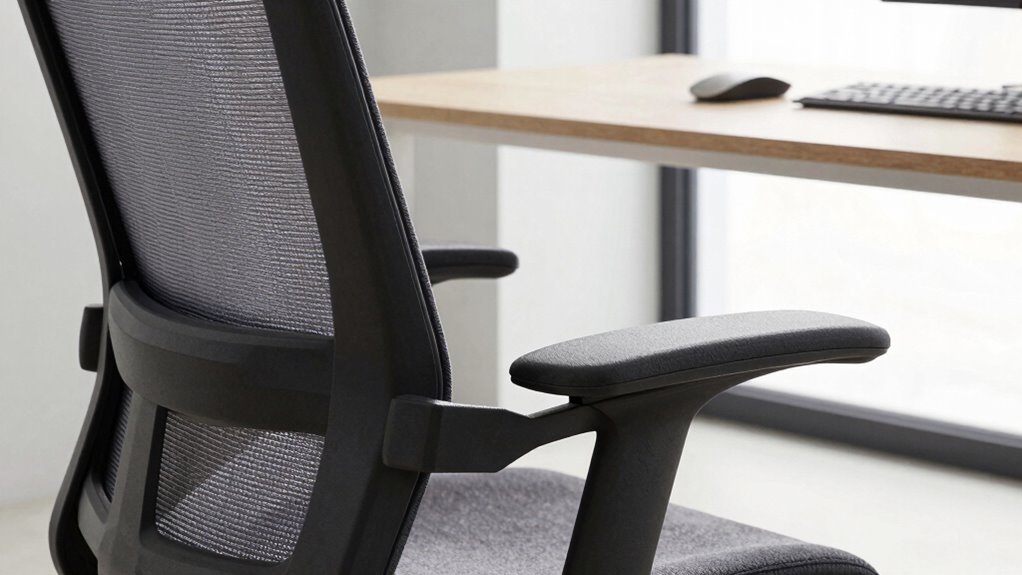
Testing whether a product is truly ergonomic requires more than just reading labels or marketing claims. Don’t fall for ergonomic myths or be fooled by slick marketing jargon. To genuinely assess, consider these steps:
Evaluating if a product is truly ergonomic means trying it yourself and seeking expert advice.
- Try the product yourself to see if it fits your body and work style.
- Check for adjustable features that support your unique needs.
- Observe comfort during prolonged use—does it reduce strain or fatigue?
- Read independent reviews that test real-world performance.
- Ask a professional or ergonomist for an expert opinion.
Frequently Asked Questions
Are All Ergonomic Claims Backed by Scientific Research?
Not all ergonomic claims are backed by scientific research; many rely on marketing hype and ergonomic jargon. When shopping, you should question whether claims are supported by credible studies or just buzzwords designed to sell products. Don’t assume every “ergonomic” label guarantees comfort or health benefits. Instead, look for independent testing or proven features, so you make an informed choice and avoid falling for misleading marketing hype.
Can Ergonomic Labels Vary Between Different Industries?
Yes, ergonomic labels can vary between industries because industry standards differ, affecting how companies define and apply “ergonomic” claims. You should consider a brand’s reputation since reputable brands typically adhere to stricter standards and provide clearer evidence backing their claims. Always look for detailed explanations and certifications, rather than just labels, to ensure the ergonomic benefits are genuine and meet industry-specific requirements.
How Often Do Ergonomic Products Undergo Independent Testing?
Did you know that only about 20% of ergonomic products undergo independent testing before hitting the market? You should look for ergonomic certification, which indicates the product has passed rigorous standards. Ideally, these products are tested regularly by independent labs to ensure ongoing safety and effectiveness. If a product hasn’t been independently tested, it’s hard to trust that it truly provides ergonomic benefits, so always verify credible certification.
What Are Common Misconceptions About Ergonomic Design?
Many believe ergonomic design guarantees complete comfort and injury prevention, but that’s a misconception. Ergonomic marketing often exaggerates benefits, leading you to think a product is perfect for everyone. In reality, design misconceptions include assuming one size fits all or that any “ergonomic” label guarantees quality. You should evaluate specific features and test products personally, rather than relying solely on marketing claims. Proper ergonomic design requires understanding your unique needs.
Do Ergonomic Features Impact Product Lifespan or Durability?
Ergonomic features primarily improve comfort and reduce strain, but they don’t directly impact product longevity or durability. While ergonomic design can make a product easier to use and maintain, it doesn’t necessarily extend its lifespan. You should focus on quality materials and construction for durability, but ergonomic elements mainly enhance your comfort and usability during regular use, rather than influencing how long the product lasts.
Conclusion
Now that you know what to look for, will you be fooled by empty claims again? The truth about ergonomic products isn’t always clear-cut, and some labels hide more than they reveal. Next time you shop, ask the right questions and test for real comfort and support. Because in the end, understanding the real meaning behind marketing words might just save you from choosing something that looks right but isn’t. Will you see through the deception?