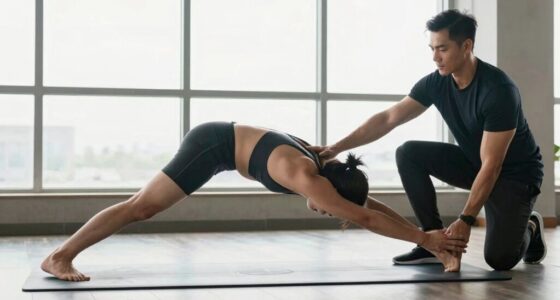
Sitting up straight by forcing an upright posture can actually make you more tense because it strains your muscles instead of letting them relax naturally. Rigid positioning promotes muscle tension, leading to discomfort and even increased stress. Instead of stiffening, aim for a relaxed, natural alignment that supports your comfort and reduces tension. If you want to discover simple ways to sit comfortably and avoid unnecessary strain, keep exploring these tips.
Key Takeaways
- Forcing an upright posture can cause muscle tension and stiffness rather than relaxation.
- Rigidly trying to sit “up straight” may lead to unnecessary muscle strain and fatigue.
- Tension from strict posture can increase stress levels and contribute to discomfort.
- Maintaining a natural, relaxed alignment reduces muscle tension better than rigid sitting.
- Overemphasis on perfect posture can perpetuate mental and physical tension, counteracting relaxation efforts.
Why Sitting Up Straight Can Tense Your Body

Although sitting up straight is often recommended for better posture, it can actually cause your muscles to tense up. Many posture misconceptions promote the idea that rigid alignment is ideal, but this is an ergonomic myth. When you force yourself to sit upright, your muscles strain to maintain that position, leading to unnecessary tension. Instead of relaxing, you might find your shoulders stiffening or your neck feeling tight. This tension isn’t a sign of good posture but a result of overcorrecting. The truth is, ideal posture involves a natural, relaxed alignment, not stiff rigidity. By clinging to these ergonomic myths, you inadvertently create more stress on your muscles, counteracting the benefits of proper posture and increasing discomfort over time. Recognizing the importance of posture awareness can help you find a balance between support and relaxation, reducing tension and promoting comfort. Additionally, incorporating muscle relaxation techniques can further alleviate unnecessary muscle strain. Emphasizing ergonomic principles that prioritize comfort over rigidity can help you maintain a healthier, more relaxed posture, and understanding proper sitting habits can further improve your overall comfort. For example, being mindful of body positioning throughout the day can help prevent muscle fatigue and tension.
The Science of Relaxed Posture and Stress Relief
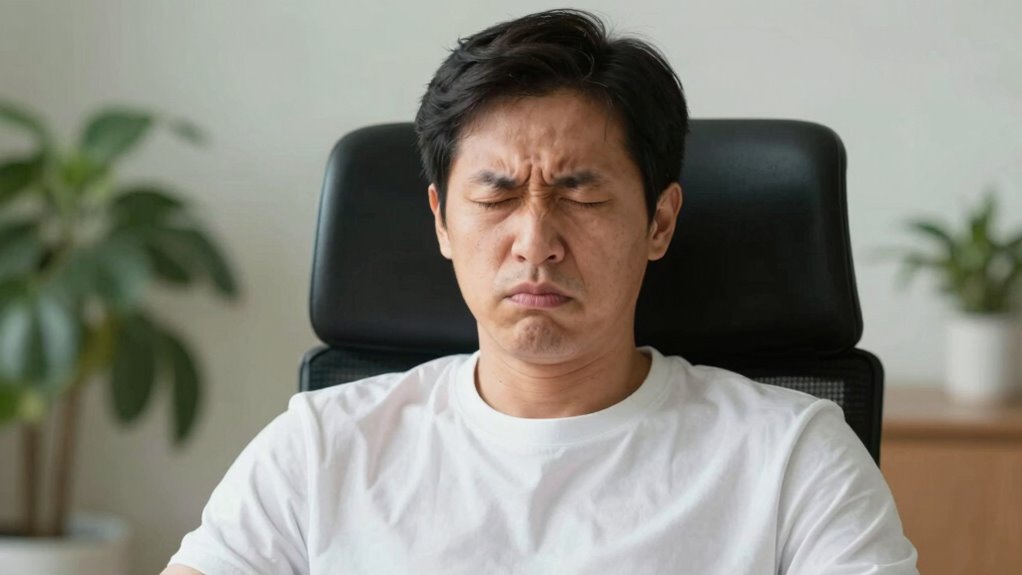
When you adopt a relaxed posture, your muscle tension naturally decreases, easing stress on your body. This change also promotes better breathing patterns, helping you feel calmer and more centered. Understanding how posture influences these physical responses can help you manage stress more effectively. Additionally, maintaining proper home appliance setups can support overall comfort and well-being. Recognizing the importance of posture awareness can further enhance your ability to reduce tension and improve stress management. Being mindful of ergonomic principles can help sustain these benefits throughout your daily activities. Incorporating mindful movement into your routine can also reinforce these benefits and promote ongoing relaxation.
Muscle Tension Reduction
Maintaining a relaxed posture directly influences muscle tension, helping to reduce stress in your body. When you practice posture awareness, you allow your muscles to relax instead of staying tense from poor alignment. This mindful approach can also lessen the risk of developing musculoskeletal issues, promoting overall well-being. To enhance muscle relaxation: 1. Focus on gentle, sustained stretches to loosen tight muscles 2. Keep your shoulders away from your ears to prevent unnecessary tension 3. Avoid holding any muscle group in a clenched or rigid position 4. Periodically check in with your body, relaxing areas that feel tense. Incorporating mindful breathing techniques can also promote overall relaxation and reduce muscle tension muscle tension reduction. Additionally, engaging in mindfulness practices can deepen your awareness of tension and support relaxation. Natural pools can also encourage a more relaxed state by promoting a tranquil environment. Additionally, understanding the importance of Gold IRA markets can help you make informed decisions about your investments, leading to greater financial relaxation and peace of mind.
Breathing Pattern Changes
Adjusting your posture not only affects muscle tension but also influences your breathing patterns. When you sit with proper alignment, your breathing rhythm becomes smoother, allowing better diaphragm engagement. Slouching can restrict your chest cavity, leading to shallow breaths and increased tension. Sitting upright encourages deep, diaphragmatic breathing, which calms your nervous system. Here’s a quick comparison:
| Posture | Breathing Pattern |
|---|---|
| Slouched | Shallow, rapid breaths, less diaphragm engagement |
| Upright | Deep, steady breaths, active diaphragm engagement |
| Relaxed | Consistent breathing rhythm, reduced stress |
Focusing on breathing helps you relax, reduces tension, and supports your overall posture and well-being. Proper alignment promotes a calm, balanced breathing rhythm essential for stress relief. Additionally, practicing proper breathing techniques can further enhance your relaxation response. Understanding the connection between posture and breathing can help you develop better habits for stress management and overall health. Improving awareness of breathing patterns can also aid in reducing overall muscle tension.
How Rigid Posture Habits Cause Physical and Mental Strain
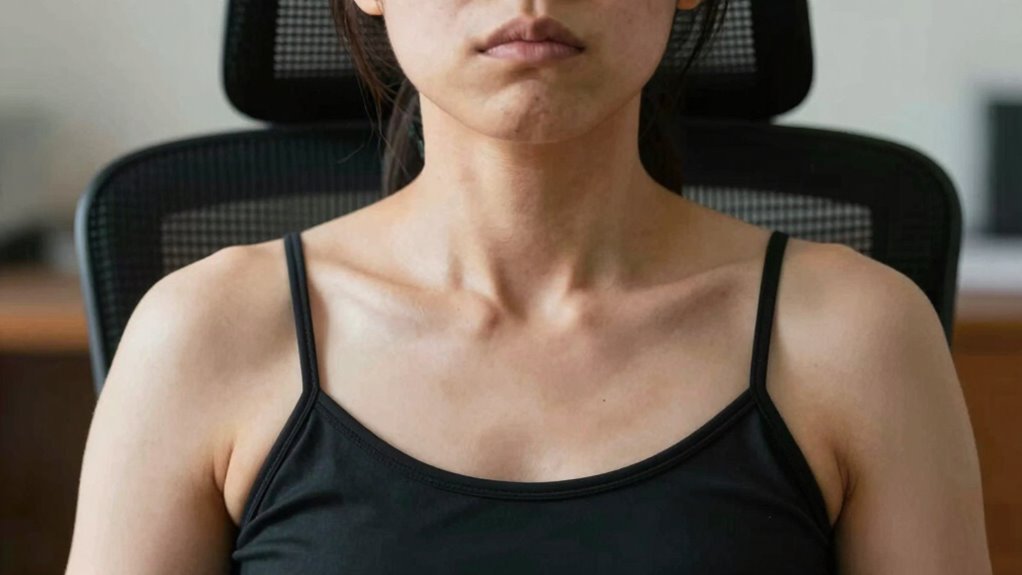
When you hold a rigid posture, your muscles become tense and tight, leading to discomfort and fatigue. This tension can increase stress levels and make you feel more anxious over time. Rigid habits like this perpetuate a cycle of physical and mental strain that’s hard to break. Incorporating gentle mobility exercises can help loosen these muscles and promote relaxation, which may also contribute to better indoor air quality by reducing muscle tension that can affect breathing. Additionally, improving postural awareness can help prevent the development of chronic discomfort and promote overall well-being. Developing mindful movement practices can further enhance flexibility and reduce the physical strain associated with rigid postures. Recognizing the importance of body mechanics can also aid in maintaining a healthier, more relaxed posture throughout daily activities.
Tension Accumulation in Muscles
Rigid posture habits cause muscles to remain tense for extended periods, leading to the buildup of physical strain. When you hold a stiff posture, your muscles stay contracted, causing muscle fatigue and discomfort. This persistent tension can also prevent proper blood flow, increasing soreness. Over time, the constant muscle activation fosters a cycle of tension and fatigue. To combat this, you should focus on posture awareness. Recognizing when you’re overly rigid helps prevent unnecessary strain. Consider these points:
- Tension in neck and shoulders often results from prolonged rigidity.
- Muscle fatigue can cause you to feel more tense and less relaxed.
- Awareness enables you to adjust your posture before strain builds.
- Relaxation breaks reduce accumulated muscle tension effectively.
- Incorporating mindful breathing techniques can help relax tense muscles and improve posture awareness.
Additionally, understanding muscle fatigue and how it impacts tension can guide better posture habits and prevent strain. Developing body awareness allows you to identify and correct rigid postures early, reducing physical and mental stress. Maintaining flexible, mindful postures minimizes physical and mental stress, especially when combined with posture correction strategies. Recognizing the role of muscle tension in overall well-being encourages proactive adjustments to prevent discomfort.
Stress Amplification and Anxiety
Holding muscles in tense, stiff postures doesn’t just cause physical discomfort—it also fuels mental stress and anxiety. Many posture misconceptions suggest that sitting perfectly upright equals confidence and calm, but rigid habits can backfire. When you force yourself into a stiff position, you may believe you’re relaxing, but this is a relaxation myth. Instead, it increases your physical tension, which amplifies feelings of stress and worry. Over time, this creates a cycle where tension feeds anxiety, and anxiety worsens muscle tightness. Rigid posture habits can make you feel more tense mentally and physically, undermining your sense of control. To reduce stress, focus on gentle, natural alignment rather than strict, tense postures—breaking free from these myths helps calm your mind and body. Additionally, incorporating relaxation techniques can further ease muscle tension and promote mental clarity.
Easy Tips for a Comfortable, Natural Sitting Style

Finding a comfortable, natural sitting style doesn’t have to be complicated. Focus on small adjustments that promote ease and reduce tension. Using ergonomic accessories, like supportive cushions or adjustable chairs, can make a significant difference. Here are four tips to help you sit comfortably:
- Keep your feet flat on the floor to support your lower back.
- Use a lumbar pillow or ergonomic accessory to maintain natural spinal curves.
- Adjust your chair height so your knees are level with your hips.
- Take regular breaks to stretch and avoid prolonged static posture.
How to Tell If Your Posture Is Doing More Harm Than Good
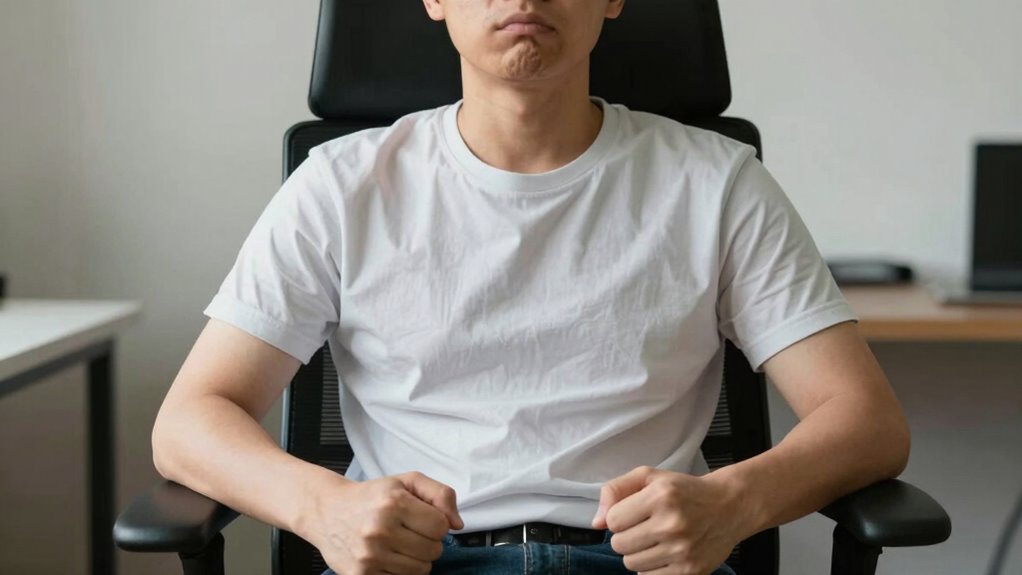
Even if you’ve adjusted your sitting style for comfort, it’s important to recognize when your posture might be doing more harm than good. Common posture myths can lead you to adopt habits that cause tension or pain, like overly stiff or rigid sitting. Watch for ergonomic pitfalls, such as leaning forward or craning your neck, which can strain muscles and joints over time. Signs your posture is harmful include persistent soreness, numbness, or headaches. If you find yourself constantly adjusting or feeling tense after sitting, it’s a cue to reassess your habits. Remember, good posture isn’t about perfection but about balance and support. Stay mindful of how your body feels, and avoid falling into popular myths that may do more harm than good.
Practicing Posture Mindfulness for Greater Ease and Confidence

Practicing posture mindfulness involves paying close attention to how your body feels throughout the day, allowing you to catch and correct tension before it becomes uncomfortable. By cultivating mindful awareness, you become more attuned to subtle signs of strain and learn to adjust naturally. To build this habit:
- Regularly check in with your body, noting areas of tension.
- Take deep breaths to release built-up stress.
- Pause periodically to reset your posture.
- Use gentle reminders or alarms to reinforce mindful awareness.
This approach helps you develop a sustainable habit formation, making good posture automatic rather than forced. Over time, you’ll notice greater ease and confidence, as mindful awareness guides you to maintain a relaxed, balanced position without unnecessary tension.
Frequently Asked Questions
Can Poor Posture Cause Long-Term Health Issues?
Yes, poor posture can lead to long-term health issues like chronic pain and joint problems. When you lack posture awareness, you might strain muscles or damage your spine over time. Using ergonomic accessories helps support proper alignment, reducing risks. Regularly practicing good posture habits and being mindful of your stance can prevent these issues and promote better overall health in the long run.
How Does Posture Affect Mental Health and Mood?
Your posture directly impacts your mental health and mood by influencing your body language and self-esteem. Sitting up straight projects confidence and openness, which can boost your mood and reduce stress. Conversely, poor posture may make you feel more anxious or less assertive. By maintaining good posture, you send positive signals to yourself and others, improving your overall mental well-being and helping you feel more in control.
Are There Specific Exercises to Improve Relaxed Sitting?
You can improve relaxed sitting by practicing core activation exercises like gentle pelvic tilts and seated marches. Incorporate breathing exercises, such as deep diaphragmatic breaths, to help release tension and promote relaxation. Focus on engaging your core muscles without overdoing it, and take breaks to stretch and reset your posture. These practices make sitting more comfortable and reduce stress, helping you stay calm and centered throughout the day.
Is It Possible to Correct Bad Posture Habits?
Yes, you can correct bad posture habits through consistent habit correction and increasing your postural awareness. Focus on recognizing when you slump or tense up, then actively adjust your position. Regularly practicing posture exercises and mindful check-ins help rewire your muscle memory. Over time, this leads to healthier habits, reduces tension, and improves your overall comfort. Persistence is key—your body can adapt with deliberate effort and awareness.
How Does Stress Influence Physical Tension During Sitting?
Stress increases muscle tension, making it harder for you to relax in your chair. When you’re stressed, your breathing patterns often become shallow, which can heighten muscle tightness. This tension can lead to discomfort and even worsen your stress levels. To counteract this, focus on deep, steady breaths and take breaks to stretch. Managing stress helps reduce muscle tension, making sitting more comfortable and lessens overall physical strain.
Conclusion
Remember, maintaining perfect posture isn’t always the answer—you might actually be increasing your stress levels. Studies show that over 70% of people experience tension from rigid postures they think are correct. Instead, focus on finding a natural, relaxed sitting style that feels comfortable. By practicing mindful posture, you can reduce physical strain and boost your confidence without unnecessary tension. So, loosen up and listen to your body—you’ll feel better and more at ease.