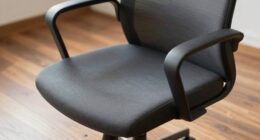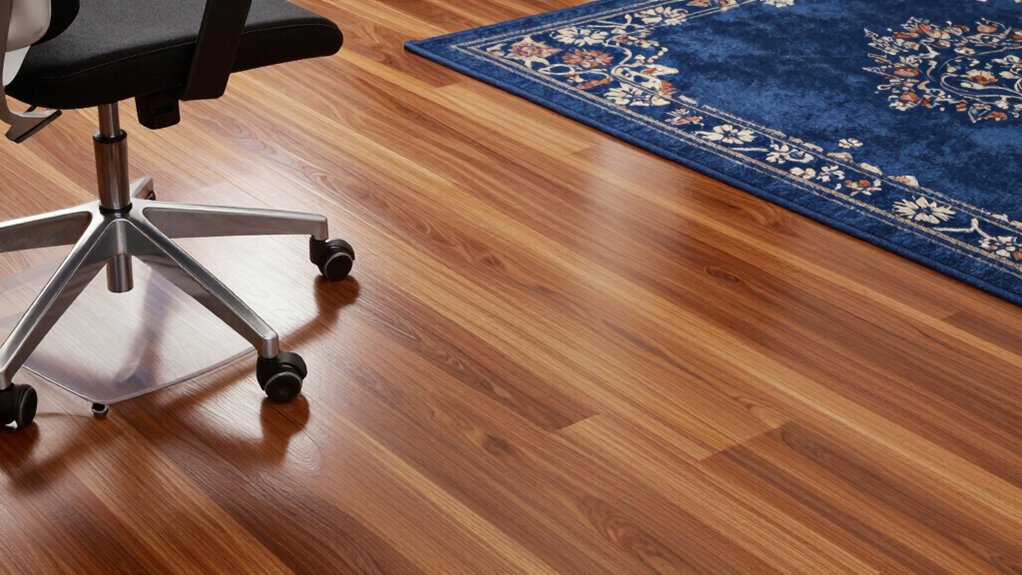

Your floor type directly influences the kind of chair mat you need to stay safe and protect your surfaces. Hard floors like hardwood or tile require smooth, slip-resistant mats made of durable plastic or polycarbonate to prevent slipping and damage. Carpeted floors need thicker mats with spikes or cleats for grip without damaging fibers. Choosing the right materials, thickness, and grip features guarantees comfort and longevity. Keep exploring to find the perfect match for your workspace.
Key Takeaways
- Hard floors like hardwood and tile require chair mats with slip-resistant surfaces and rigid materials for stability and floor protection.
- Carpeted floors benefit from thicker mats with spikes or cleats to grip fibers and prevent mat movement.
- Proper backing and texture ensure mats stay in place on smooth hard surfaces, reducing slipping hazards.
- Material choice, such as polycarbonate for hard floors and thick PVC for carpets, impacts durability and ease of maintenance.
- Selecting the right mat features based on floor type enhances safety, comfort, and overall workspace aesthetics.
How Your Floor Type Influences Chair Mat Choices

Your floor type plays a crucial role in determining the right chair mat for your workspace. If you have hard floors like hardwood or tile, you’ll want a mat that offers stability and prevents slipping, while also enhancing ergonomic comfort during long hours of sitting. Clear or patterned mats can add to the aesthetic appeal without clashing with your decor. For carpets, especially plush ones, thicker mats with beveled edges help facilitate smooth rolling and protect your flooring. The material and thickness directly impact how well the mat stays in place and supports your movements. Additionally, selecting a mat with appropriate traction features can further prevent slipping on various floor surfaces. Considering floor surface compatibility ensures you choose a mat that performs well and lasts longer. Opting for a non-slip backing can also significantly improve safety and stability on the floor type you have. Properly matching mat features to flooring can enhance both durability and safety, making your workspace more functional. Choosing the right floor-specific mat ensures you maintain ergonomic comfort and keep your workspace visually appealing, making your daily routine more efficient and comfortable.
What Features Matter Most When Choosing a Chair Mat for Different Floors

When choosing a chair mat for various floors, focusing on specific features guarantees you get the best fit for your workspace. Ergonomic comfort is key, so look for mats with smooth edges and adequate cushioning to reduce strain during long hours. The right size and thickness also support better mobility and stability. Aesthetic design matters too—select a mat that complements your decor, blending seamlessly with your environment. Consider transparency or subtle colors to maintain a clean look, especially if your floors are visually striking. Durability is essential, ensuring the mat withstands daily use without cracking or warping. Additionally, understanding floor surface types can help you choose a mat that offers optimal grip and protection. Being aware of early detection signs of health issues can improve long-term well-being, even when focusing on ergonomic workspace solutions. Proper floor protection not only preserves your flooring but also enhances safety and comfort. Selecting the right chair mat involves considering these features to prevent floor damage and ensure a safe, comfortable workspace. By prioritizing ergonomic comfort and aesthetic design, you’ll choose a chair mat that enhances both functionality and style for your unique floor type. Regularly assessing your workspace setup can also help identify potential ergonomic issues, leading to better comfort and productivity.
Which Chair Mats Are Best for Hardwood, Tile, and Carpeted Floors
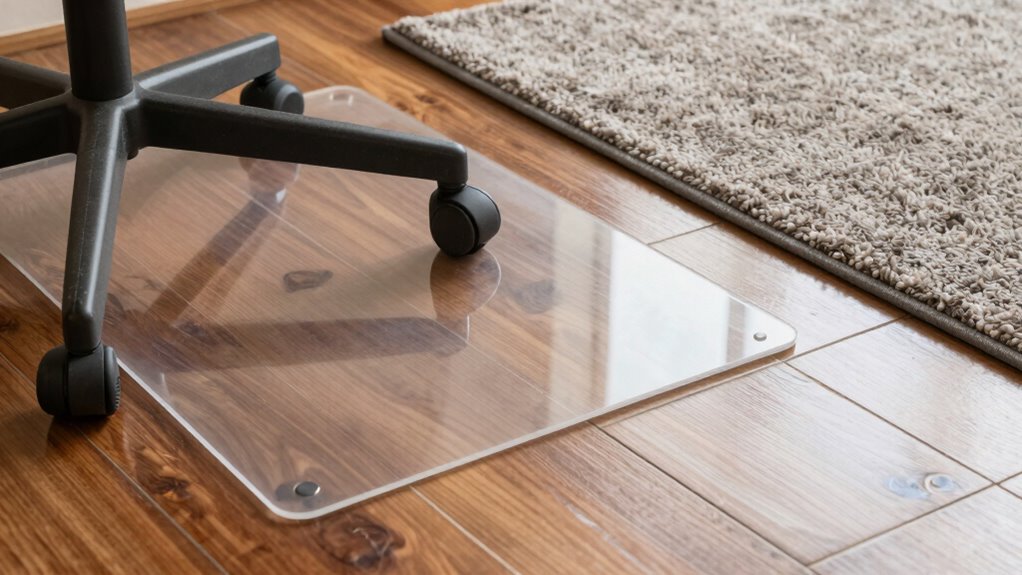
Choosing the right chair mat depends on your floor type, so it’s important to take into account which mats work best for hardwood, tile, or carpet. You’ll want features that protect your surface and keep the mat in place, especially on carpets. Additionally, selecting durable materials that are easy to clean ensures your mat stays functional and looks good over time. For added stability, consider mats with non-slip backing, which can prevent slipping and enhance safety during use. To ensure proper floor protection, it’s essential to pick a mat designed specifically for your floor type and usage needs. Using a floor-specific mat can help extend the lifespan of both your flooring and your chair mat. Moreover, choosing a mat made from durable, easy-to-clean materials can further enhance its longevity and maintenance. Recognizing the appropriate thickness for your floor type can also significantly improve comfort and durability.
Suitability for Hard Surfaces
Are you wondering which chair mats work best on different hard surfaces? For hardwood and tile floors, look for mats with a smooth, durable backing that provides ergonomic support without slipping. These mats help distribute your weight evenly, reducing strain during long work sessions. They also preserve the aesthetic appeal of your space by preventing scratches and scuffs. Clear or lightly tinted mats blend seamlessly with your floor, maintaining a sleek look. If you have a hardwood or tile surface, choose mats made from sturdy materials like polycarbonate or PVC that resist cracking and curling. Properly selected mats not only protect your floors but also enhance your workspace’s overall appearance, making movement effortless and comfortable. Incorporating innovative composting toilets into modern bathrooms demonstrates a commitment to sustainability and environmental comfort.
Carpet Compatibility Features
To guarantee your chair mat works effectively on different flooring types, it’s essential to take into account its carpet compatibility features. For carpets, look for mats with spikes or cleats designed to grip uneven surfaces, providing stability and preventing slipping. These features enhance ergonomic benefits by ensuring consistent support and reducing strain during movement. Additionally, choosing a mat that complements your aesthetic appeal can make your workspace more inviting; clear or neutral-colored mats blend seamlessly with various carpet styles. Thick, pile-compatible mats distribute weight evenly, preventing dents and damage to the carpet fibers. Selecting a mat with appropriate carpet compatibility features helps protect your flooring and maintains the longevity of your workspace. Incorporating flooring type considerations into your selection process ensures you choose a mat that maximizes both functionality and durability, ultimately enhancing your comfort and workspace appearance. A well-designed chair mat can also help in dust and debris prevention by creating a barrier that reduces dirt accumulation on your floors. Paying attention to the material quality of the mat can further improve its performance and durability over time. Considering AI-powered smart features in some advanced mats can also help monitor usage and alert you to potential wear or hazards, further prolonging the lifespan of your flooring.
Material Durability and Care
Since your chair mat endures daily use, selecting one made from durable materials is essential for long-lasting performance across different flooring types. For hardwood and tile floors, choose mats with sturdy, scratch-resistant surfaces that provide ergonomic support without slipping. Carpets need thicker, anti-compression mats to maintain aesthetic appeal and prevent wear. Proper care, like regular cleaning and avoiding harsh chemicals, extends your mat’s lifespan and preserves its appearance. Consider the material’s resistance to stains and UV damage for ongoing durability. Additionally, understanding multi-mower setups can help optimize your overall yard care, ensuring your workspace remains protected and functional. Investing in mats with anti-slip features can further improve safety on various surfaces, especially when considering the different floor types you might encounter. Selecting mats with easy-to-clean materials can also simplify maintenance and keep your workspace looking professional.
Common Mistakes to Avoid When Selecting a Chair Mat for Your Floor Type
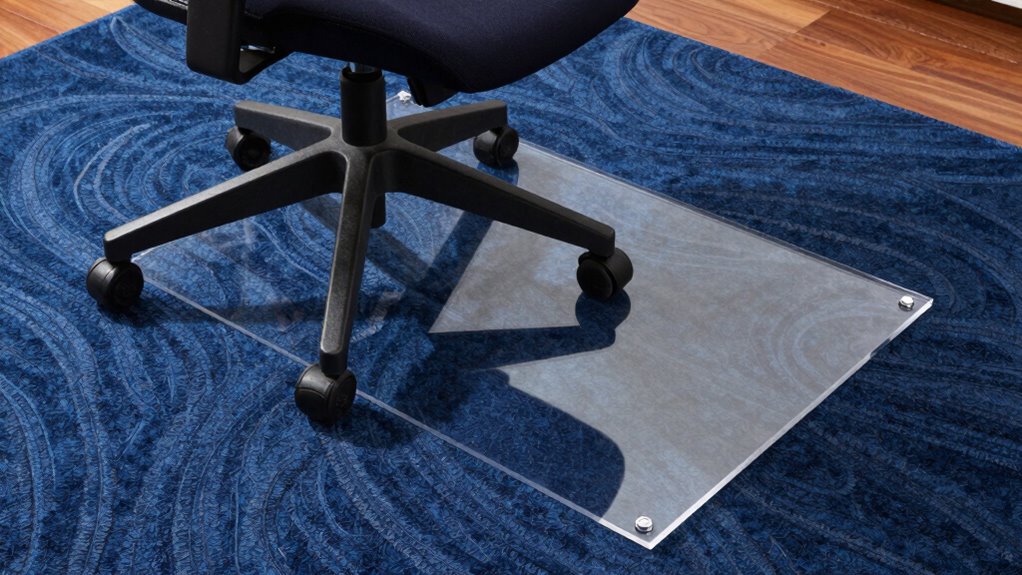
When choosing a chair mat, you might overlook how well it matches your floor type, which can cause damage or instability. You also need to take into account the mat’s thickness and whether it provides enough support without causing difficulty moving your chair. Additionally, neglecting the surface grip can lead to slipping, making your workspace unsafe.
Ignoring Floor Compatibility
Ignoring floor compatibility is one of the most common mistakes people make when choosing a chair mat. If you overlook this, you risk inadequate floor protection and clash with aesthetic considerations. To avoid this, consider these points:
- Floor Type: Know whether you have carpet, hardwood, or tile, and select a mat designed for that surface.
- Material Suitability: Use hard plastic or polycarbonate mats on hard floors to prevent slipping and damage.
- Thickness and Grip: Thicker mats with anti-slip features work better on uneven surfaces, ensuring stability.
- Aesthetic Harmony: Match the mat’s color and style with your floor to create a cohesive look, avoiding visual clutter.
Failing to match your mat with your floor compromises both protection and style, leading to frustration and added costs.
Overlooking Mat Thickness
Choosing the right floor compatibility is just the first step; you also need to pay attention to the mat’s thickness. Thin mats may not provide enough ergonomic support, leading to discomfort during long hours of sitting or working. Conversely, overly thick mats can be cumbersome, making movement less smooth and affecting your overall comfort. Proper thickness ensures your chair glides easily, reducing strain on your back and shoulders. Additionally, the right thickness enhances the aesthetic appeal of your workspace by creating a balanced, professional look. Avoid overlookng this detail, as it directly impacts your comfort and the visual harmony of your environment. Selecting a mat with appropriate thickness is essential for both ergonomic support and maintaining a polished appearance.
Neglecting Surface Grip
Have you considered how your chair mat interacts with your floor’s surface? Neglecting surface grip can lead to slips or shifting, compromising both safety and floor protection. Without proper grip, your mat may slide, causing damage and reducing stability. To ensure ideal surface grip:
- Match the mat’s underside to your floor type for better traction
- Avoid smooth or slick surfaces that lack grip
- Use mats with textured or rubberized bases
- Regularly check for wear that might reduce floor protection and grip
Ignoring surface grip risks accidents and floor damage. Choosing a chair mat with the right grip ensures stability and safeguards your flooring, especially on slippery surfaces. Pay attention to this detail to maintain safety and extend your floor’s lifespan.
How to Maintain Your Chair Mat for Longevity and Floor Safety
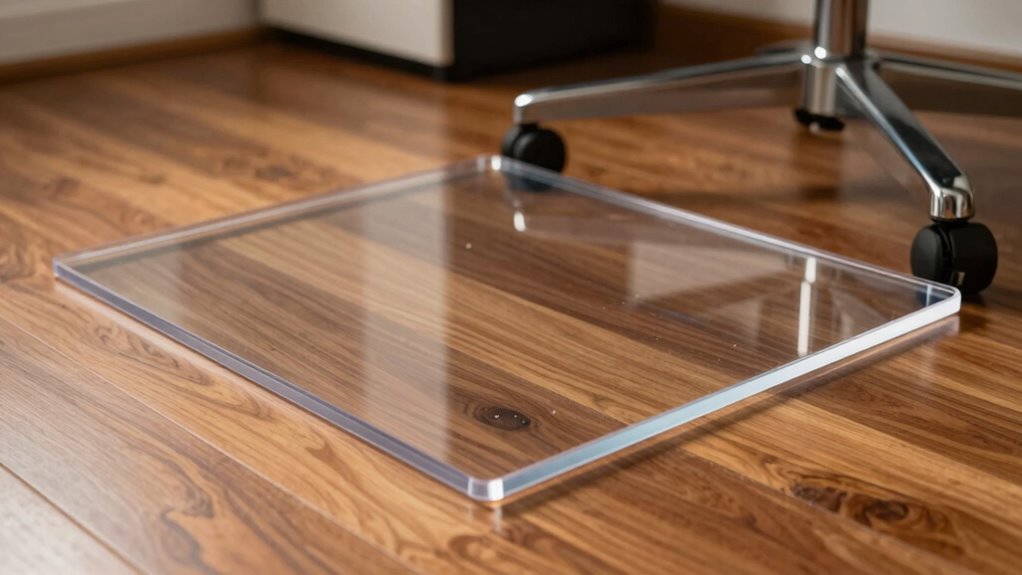
To keep your chair mat in top condition and protect your floors, regular cleaning and proper care are essential. Clean your mat weekly with a damp cloth or mild soap to remove dust and debris that can cause wear. Avoid harsh chemicals that might damage the surface or reduce its ergonomic benefits. Check for scratches or tears, and address any issues promptly to maintain safety and floor protection. Using a chair mat that looks good enhances the aesthetic appeal of your workspace, so keep it clean and free of dirt. When not in use, consider elevating or rotating the mat to prevent uneven wear. Proper maintenance extends the lifespan of your chair mat, ensuring it continues to support ergonomic benefits and floor safety.
Quick Tips for Choosing the Perfect Chair Mat for Your Workspace
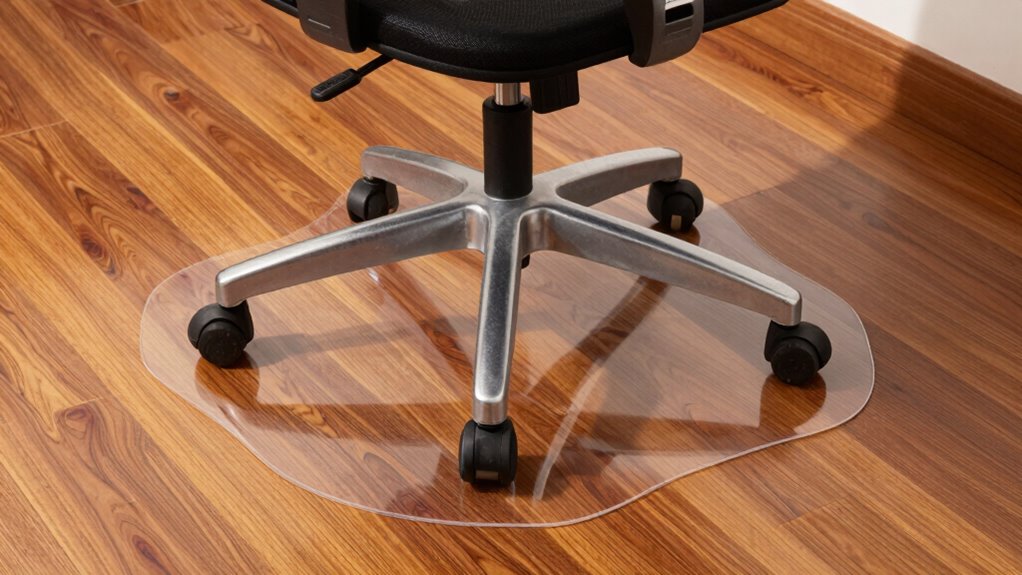
Finding the right chair mat starts with understanding your workspace needs and floor type. To guarantee ergonomic benefits and suit your aesthetic preferences, consider these tips:
- Assess your floor surface—hardwood, carpet, or tile—to choose a compatible material.
- Prioritize ergonomic benefits by selecting a mat with smooth rolling surfaces and adequate cushioning.
- Think about aesthetic considerations—select colors and styles that complement your decor.
- Measure your space accurately to avoid a mat that’s too small or oversized, enhancing both comfort and style.
Frequently Asked Questions
How Thick Should a Chair Mat Be for Different Floor Types?
For ideal floor protection, you should choose a chair mat with thickness recommendations based on your floor type. For low-pile carpets, go for a 3/16 to 1/4 inch thick mat, which provides good durability and movement. For hard floors like wood or tile, a thinner mat around 1/8 inch works well, offering protection without slipping. Always match thickness to your floor type to guarantee proper support and safety.
Are There Eco-Friendly Chair Mats Suitable for All Floors?
Yes, you can find eco-friendly chair mats suitable for all floors. Look for options made from sustainable materials like recycled vinyl or polypropylene, which are durable and eco-conscious. Recyclable options are also available, so you can dispose of them responsibly when they reach the end of their life. These mats provide a green choice without compromising quality, ensuring your workspace stays environmentally friendly while protecting your floors.
Can Chair Mats Be Used on Uneven or Textured Surfaces?
You can use chair mats on uneven or textured surfaces, but it’s important to choose one with strong surface grip and good mat adhesion. Many mats are designed with textured backings or anti-slip features that help secure them in place. Just verify the mat specifically states compatibility with uneven floors, and you may need a non-slip pad underneath for extra stability. This way, you get safe, effective protection without slipping.
What Is the Average Lifespan of a Quality Chair Mat?
A quality chair mat typically lasts around 5 to 10 years, depending on chair mat durability and lifespan factors. You’ll want to evaluate the material, usage frequency, and floor type, as these influence how long your mat stays in good shape. Regular maintenance and choosing the right mat for your floor type can extend its lifespan, ensuring you get the most value and protection for years to come.
Do Chair Mats Require Special Cleaning or Maintenance?
Yes, chair mats do necessitate special cleaning and maintenance. You should follow simple cleaning tips like using a damp cloth or mild soap to keep your mat free of dust and dirt. Regular maintenance routines, such as inspecting for scratches or tears, help prolong its lifespan. Avoid harsh chemicals or abrasive tools that could damage the surface. Proper care ensures your chair mat stays smooth, clean, and functional for longer.
Conclusion
Choosing the right chair mat isn’t just a matter of preference; it’s the key to protecting your floors and boosting comfort. Think of it as your floor’s best friend, shielding it from wear and tear like a loyal guardian. By understanding your floor type and selecting wisely, you guarantee your workspace stays sleek and safe. So, don’t let a wrong choice be the elephant in the room—take charge and make your floor happy!