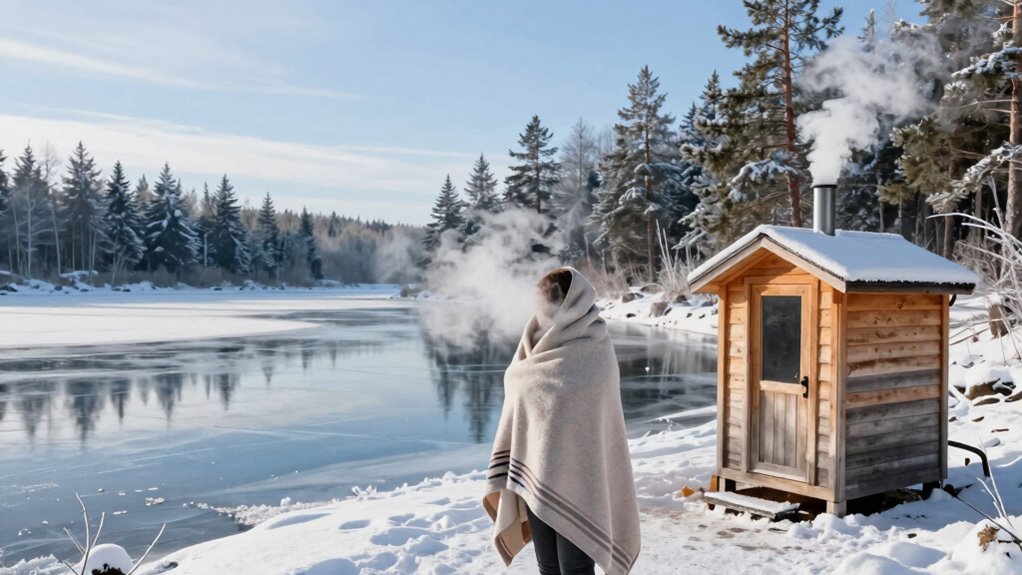
After a sauna, cold exposure triggers strong reactions in your body, like constricting and dilating blood vessels, boosting circulation, and releasing endorphins that improve mood and alertness. Some people love the invigorating rush and recovery benefits, while others find the cold uncomfortable or overwhelming. Your response depends on your body, health, and experience. If you keep exploring, you’ll discover how to make cold therapy work safely for you.
Key Takeaways
- Personal cold tolerance and health conditions influence whether individuals enjoy post-sauna cold exposure.
- The contrast between heat and cold triggers endorphin release, making some find it invigorating.
- Adaptation over time can increase comfort and pleasure in cold plunges or showers after sauna.
- Anxiety or discomfort with extreme cold can lead some to dislike the experience.
- Cultural attitudes and personal preferences shape perceptions of cold exposure’s benefits and enjoyment.
What Happens to Your Body During Cold Exposure After Sauna
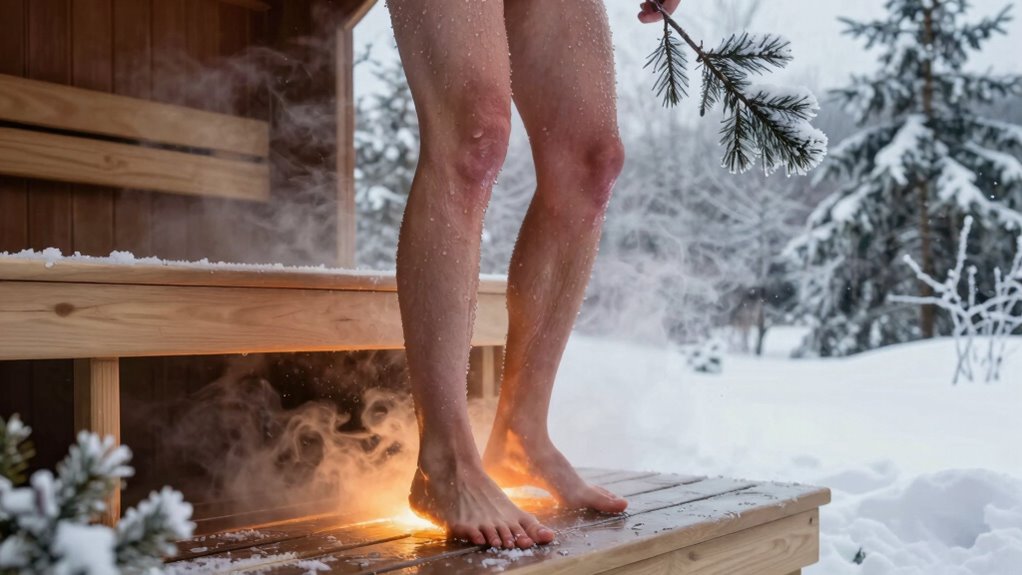
When you step into cold water or a cold environment after a sauna, your body responds quickly by constricting blood vessels near the skin’s surface to conserve heat. This skin response reduces blood flow to your extremities and surface, causing a rapid shift in circulation. The metabolic effects kick in as your body works harder to maintain core temperature, increasing calorie burn slightly. Cold exposure triggers your nervous system, prompting a surge of adrenaline and other stress hormones, which can enhance alertness. Your body’s immediate goal is to protect essential organs, so these responses happen swiftly. This process also causes a noticeable change in skin coloration and sensation, signaling the body’s effort to regulate internal temperature efficiently. Additionally, repeated cold exposure can train your body to adapt better to temperature fluctuations over time, which is a form of thermal adaptation. Regular cold exposure can also improve your vascular resilience, leading to better circulation and temperature regulation in daily life. These adaptive responses are part of your body’s natural thermal regulation mechanisms that help maintain internal stability.
Different Ways to Cool Down After Sauna: Showers, Plunges, and Baths
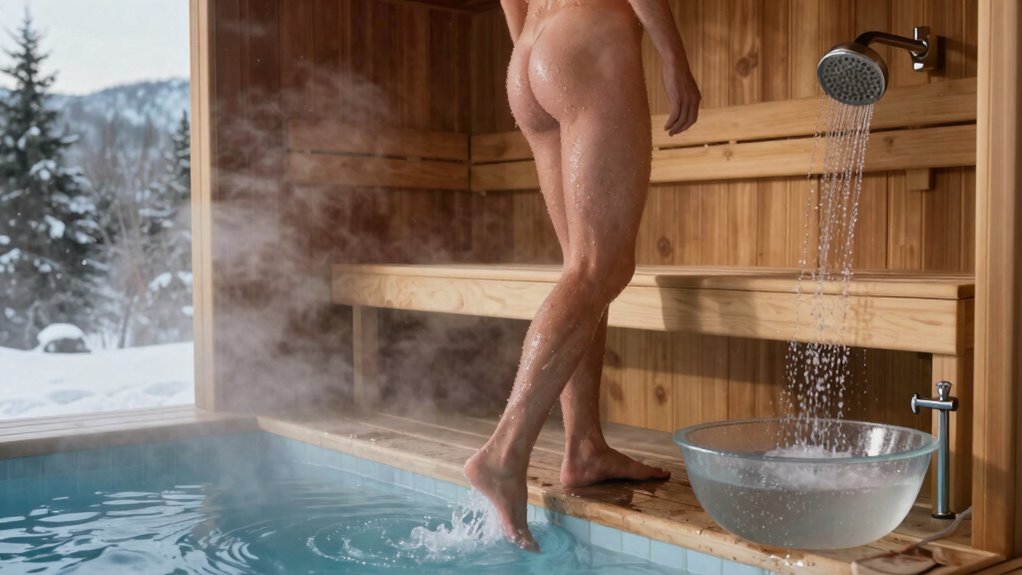
After your sauna session, choosing the right method to cool down can enhance your recovery and overall experience. Options like showers, plunges, and baths each support thermal regulation differently. A cool shower offers a gentle way to lower your skin temperature, promoting skin contraction and helping your body adjust gradually. A plunge into cold water provides a more intense cooling effect, accelerating skin contraction and stimulating your body’s natural heat regulation. Baths with cool water can also be effective, offering a controlled way to gradually bring your core and skin temperature down. Whichever method you choose, aim to support your body’s natural thermal regulation process. Proper cooling helps prevent overheating and prepares you for future sessions, making your sauna experience safer and more enjoyable.
The Benefits of Cold Plunging or Cold Showers Post-Sauna
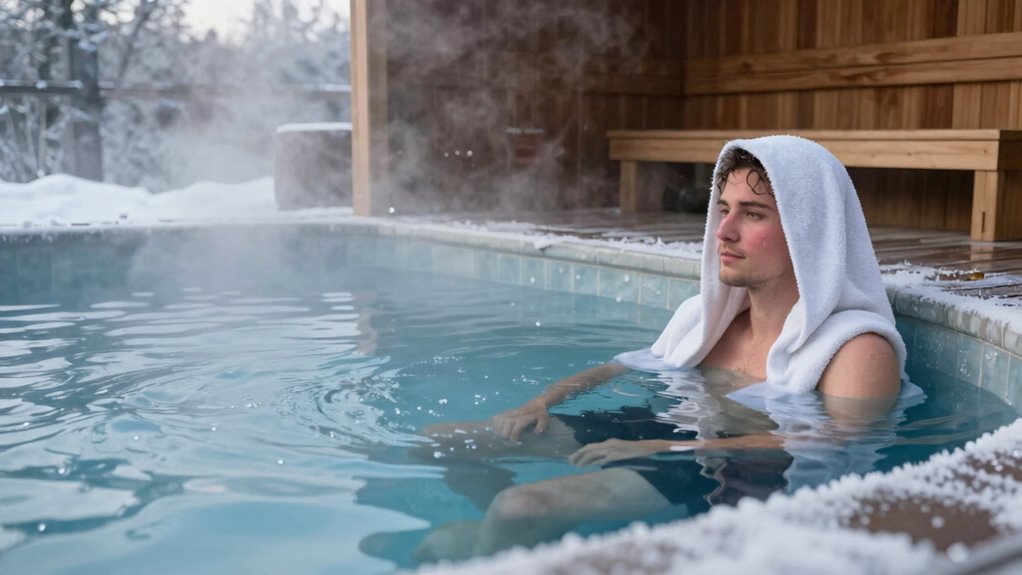
Cold plunging or showers after a sauna can help you recover faster by reducing muscle soreness. They also improve your circulation, which benefits your overall health. Plus, you might feel more alert and uplifted, ready to face the rest of your day. Incorporating contrast therapy with temperature shifts can also enhance physical recovery and boost your immune system. Additionally, the invigorating sensation of cold exposure has been linked to increased electric bike activity, making it a popular practice among enthusiasts seeking both recovery and energization. Proper filtration and pump protection are essential to maintain equipment efficiency when using cold water in your routines. For outdoor routines, proper landscaping and snow management are essential to ensure safe practice, especially in winter months.
Accelerates Muscle Recovery
Cooling your muscles with a cold plunge or shower right after a sauna can especially speed up recovery. The cold constricts blood vessels, helping to reduce inflammation and muscle soreness. This process flushes out metabolic waste products more efficiently, leading to faster recovery. By decreasing inflammation and alleviating soreness, cold exposure allows you to get back to training or daily activities sooner. It also minimizes delayed onset muscle soreness (DOMS), making post-workout recovery more comfortable. The rapid cooling effect improves recovery speed by limiting tissue damage and promoting quicker repair. Cold exposure can help reduce tissue swelling and promote healing. This simple step can make a significant difference in how quickly your muscles recover, especially after intense sessions, helping you feel less fatigued and more ready for your next workout. Incorporating regenerative practices like cold plunges can further enhance overall recovery and well-being. Additionally, cold therapy can boost circulation and reduce muscle inflammation, supporting overall mobility and comfort.
Boosts Circulatory System
Incorporating a cold plunge or cold shower following a sauna can considerably enhance your circulatory system. When you switch from hot to cold, your blood vessels constrict and then quickly dilate, promoting better blood circulation. This rapid change stimulates your heart, encouraging more efficient blood flow throughout your body. As a result, your heart health benefits from the improved circulation, reducing strain and supporting cardiovascular function. Cold exposure also helps flush out toxins and brings fresh oxygen-rich blood to tissues, boosting overall vigor. Regularly practicing cold plunges after sauna sessions can strengthen your cardiovascular system, making your heart more resilient. This simple switch in temperature invites your circulatory system to work more effectively, supporting your long-term heart health and physical well-being. Additionally, blood vessel constriction plays a crucial role in this process, enhancing vascular health over time. Engaging in this practice can also contribute to improved circulation and overall physical resilience. Incorporating techniques like temperature contrast therapy can further optimize your circulatory benefits, promoting sustained cardiovascular health.
Enhances Mood and Alertness
After a sauna, taking a cold shower or plunge can markedly boost your mood and sharpness. The sudden temperature change stimulates your nervous system, leading to increased mental clarity and alertness. Cold exposure triggers the release of endorphins, which elevate your mood and help you feel more energized. It also strengthens emotional resilience by training your body to handle stress better, fostering a sense of calm and control. Many find that this invigorating shift clears mental fog and enhances focus for the rest of the day. By challenging your body to adapt to cold, you reinforce positive mental states and build emotional robustness. Cold plunging post-sauna isn’t just revitalizing—it’s a powerful way to boost your overall mental well-being. Incorporating cultural symbols of resilience can deepen your understanding of how mental strength is celebrated across different traditions.
Are There Risks? Safety Tips for Cold Therapy After Sauna
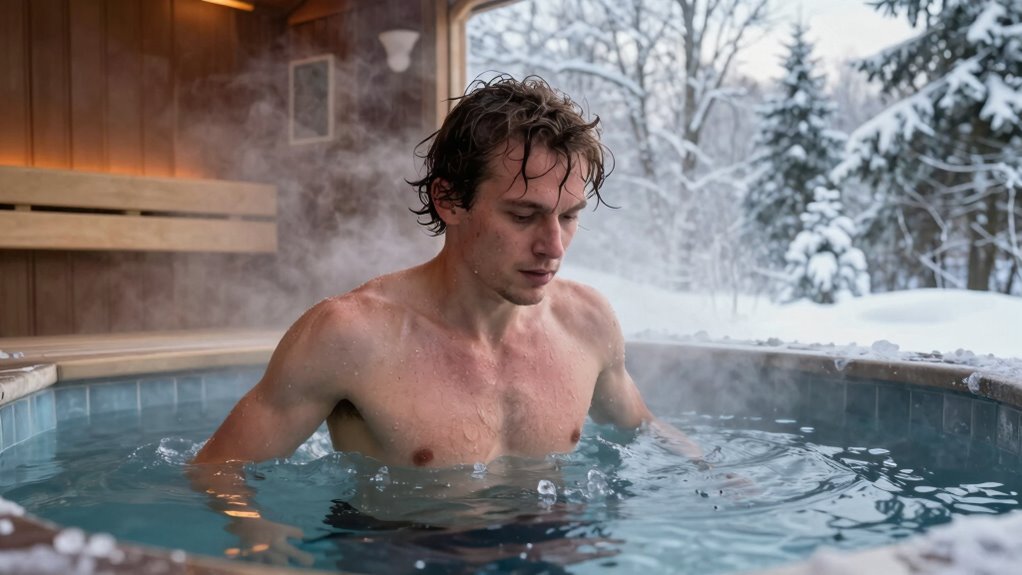
While cold therapy after a sauna can offer many benefits, it’s important to be aware of potential risks. Sudden immersion in cold water may trigger adverse reactions if you have underlying health issues. To minimize risk factors, always listen to your body and avoid extreme temperature changes too quickly. Follow safety precautions such as limiting exposure time and never forcing yourself into cold immersion if you feel dizzy or unwell. If you have cardiovascular problems or blood pressure concerns, consult a healthcare professional before trying cold therapy. Be cautious with cold showers or baths, especially if you’re new to cold exposure. Remember, moderation and awareness are key to safely enjoying the benefits of cold therapy post-sauna. Incorporating proper voiceover techniques can also help you stay informed and alert during your cold therapy routine. Additionally, understanding the waterpark amenities available at nearby hotels can help you plan a safe and enjoyable relaxation day after your cold therapy session. It’s also beneficial to familiarize yourself with cold exposure guidelines to ensure you’re practicing safely. Being aware of your own body’s response to cold is crucial in avoiding overexposure and potential health issues.
Incorporating knowledge about hydrotherapy methods can further enhance your safety and effectiveness during cold therapy routines.
Is Cold Exposure Right for You? Factors to Consider
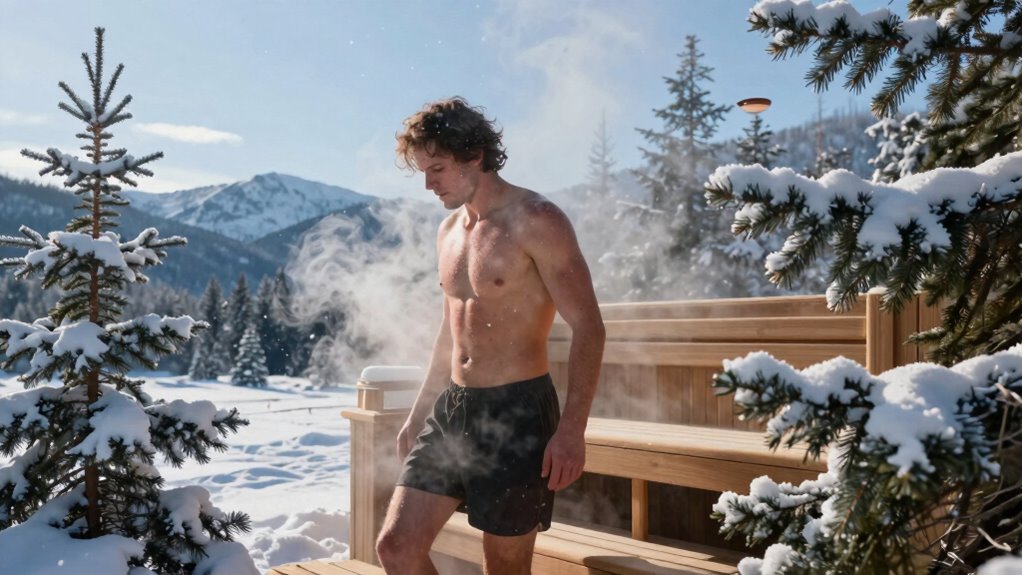
Cold exposure can provide health benefits, but it’s essential to contemplate whether it’s suitable for your individual circumstances. Your cold tolerance varies based on your overall health, age, and experience with cold therapy. If you have sensitive skin, cold exposure might cause discomfort or irritation. Consider these factors before diving in:
| Factor | Consideration | Impact |
|---|---|---|
| Cold Tolerance | How well you handle cold temperatures | Determines comfort level |
| Skin Sensitivity | Skin reacts easily to cold, causing irritation | May limit cold exposure use |
| Underlying Conditions | Heart or circulatory issues | Could pose risks |
Additionally, understanding your body’s response to cold can help tailor your approach to cold therapy safely and effectively. Recognizing your individual cold threshold is crucial for avoiding adverse effects. Your body’s adaptation mechanisms play a significant role in how well you tolerate cold exposure. Moreover, being aware of thermal regulation processes can help you better manage your cold exposure strategies. Assess your comfort and health status carefully to decide if cold exposure aligns with your needs and safety. Incorporating traditional home decor principles can also influence your overall environment and comfort during cold therapy.
How to Safely Start Cold Showers and Cold Plunges
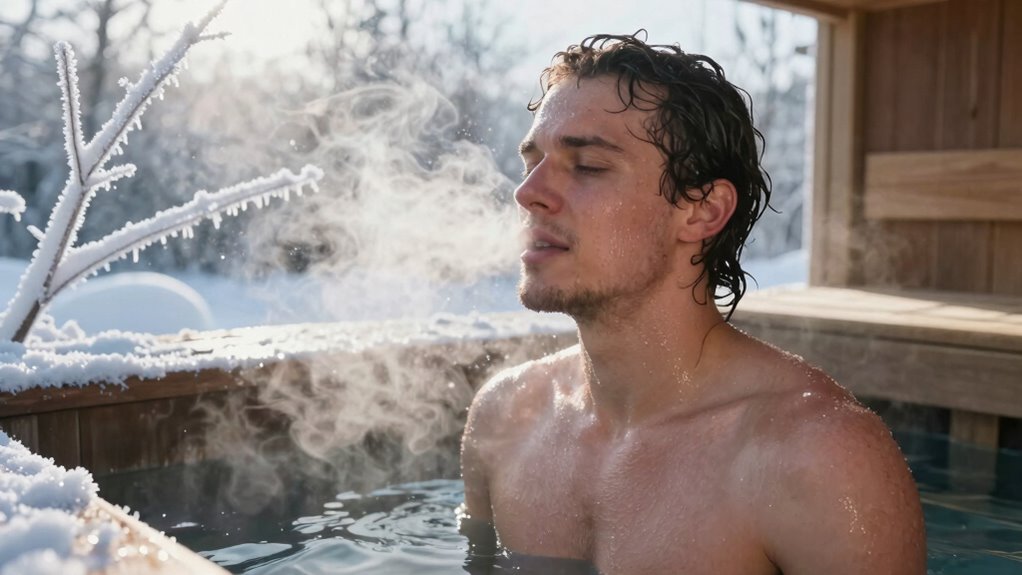
Starting cold showers and plunges gradually is key to building your tolerance safely. This approach helps your body adapt to the cold, boosting both cold adaptation and mental resilience. Begin with a warm shower, then slowly decrease the temperature over time. Listen to your body, avoiding any discomfort or pain. Consistency is essential—regular exposure trains your system gradually. Focus on deep, steady breathing to stay calm and centered. Remember, patience is vital; don’t rush the process. Here are some tips to get started:
Gradually adapt to cold showers by starting warm, increasing exposure slowly, and listening to your body for safety and resilience.
- Start with 30 seconds of cold water at the end of your shower
- Gradually increase cold exposure by 10 seconds each day
- Practice mindful breathing to enhance mental resilience
- Never force yourself into extreme cold if you’re uncomfortable
- Consult a healthcare professional if you have health concerns
Comparing Cold Methods: Which Is Best for Your Goals?
Choosing the right cold method depends on your specific goals, whether it’s building mental resilience, improving circulation, or enhancing recovery. If mental resilience is your focus, techniques like breath control during cold exposure are essential—they help you stay calm and adapt to stress. Cold plunges immerse you quickly, providing intense stimulus that boosts mental toughness, but may be uncomfortable for beginners. Cold showers are more accessible and easier to incorporate into daily routines, making them ideal for gradual adaptation. If your goal is recovery, consistent cold exposure, whether via showers or plunges, can reduce inflammation. Ultimately, the best method aligns with your comfort level and objectives, allowing you to develop resilience, improve circulation, or support recovery effectively.
Final Tips: Deciding if Cold Post-Sauna Fits Your Wellness Routine
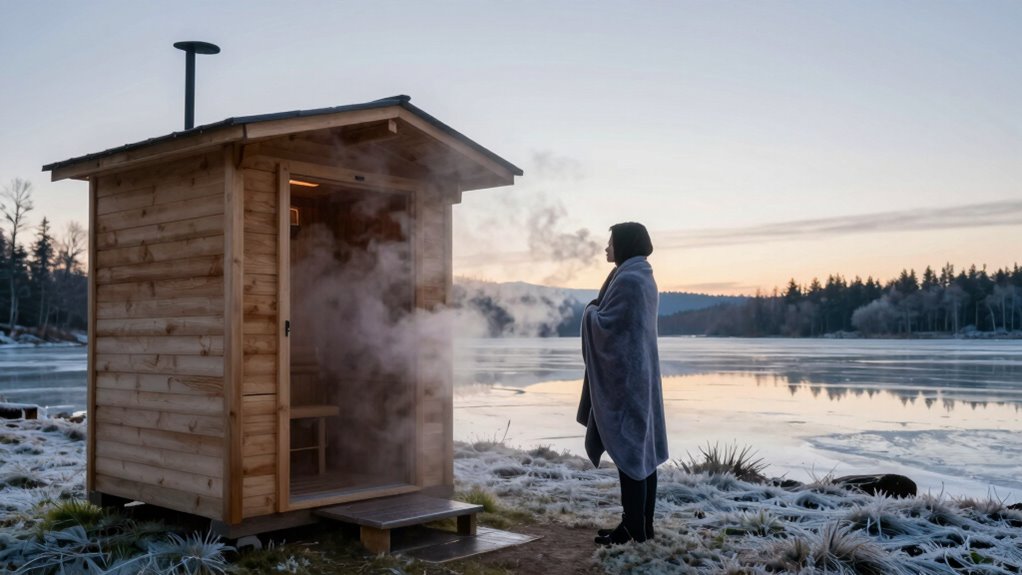
Consider your comfort levels with cold exposure and whether it feels right for you. Think about your health conditions and if cold post-sauna might benefit or challenge them. Finally, evaluate if adding cold therapy fits smoothly into your lifestyle and daily routine.
Personal Comfort Levels
Deciding whether to take a cold plunge after a sauna ultimately depends on your personal comfort and how your body responds to temperature changes. If you experience significant personal discomfort or have lower heat tolerance, a cold plunge might not be suitable for you. Listening to your body is key to creating a wellness routine that feels right. Consider how you generally handle heat and cold, and adjust accordingly.
You might find it helpful to:
- Start with shorter cold exposures
- Gradually build your heat tolerance
- Pay attention to signs of discomfort or dizziness
- Consult a healthcare professional if unsure
- Remember that comfort varies for everyone
Your personal comfort level should guide your choice, ensuring your sauna experience remains enjoyable and safe.
Health Considerations
When integrating a cold plunge into your sauna routine, it’s important to weigh the potential health benefits against any risks. Cold exposure can boost your metabolic rate, helping your body burn calories more efficiently. It also promotes improved skin health by tightening pores and increasing circulation, which can give your skin a healthier appearance. However, abrupt temperature changes might strain your cardiovascular system, especially if you have underlying health conditions. Always listen to your body and start slowly, gradually increasing cold exposure. Consult with a healthcare professional if you have concerns or cardiovascular issues. Prioritizing safety assures that incorporating cold after sauna sessions supports your wellness goals without unintended health setbacks.
Lifestyle Compatibility
Integrating cold post-sauna dips into your wellness routine works best when it aligns with your overall lifestyle and daily habits. Consider your thermal comfort and whether sudden temperature changes feel sustainable for you. Cultural preferences also influence how comfortable you are with cold exposure after heat therapy. If you enjoy quick recovery and invigorating sensations, cold dips might suit your routine. However, if you prefer a gradual approach or have health concerns, it may not fit seamlessly. Reflect on your daily schedule—can you incorporate cold exposure consistently? Think about your environment, personal comfort levels, and how this practice complements other wellness activities. Ultimately, your lifestyle determines if cold after sauna becomes a beneficial and enjoyable part of your wellness journey.
- Your comfort with temperature shifts
- Cultural attitudes toward cold therapy
- Daily routine flexibility
- Personal health considerations
- Long-term sustainability
Frequently Asked Questions
How Does Cold Exposure Affect Mental Health and Mood?
Cold exposure can boost your mental health benefits by releasing endorphins, which improve your mood and help regulate stress. It sharpens your focus and increases resilience to emotional challenges. When you expose yourself to cold, you stimulate your nervous system, enhancing overall mood regulation. Regular cold exposure may also reduce anxiety and depression symptoms, making you feel more energized and balanced throughout your day.
Can Cold Therapy Help With Muscle Recovery?
Cold therapy can be a game-changer for your muscle recovery. It helps reduce muscle soreness and inflammation by constricting blood vessels, which flushes out waste products and accelerates healing. When you expose your body to cold, you stimulate circulation and decrease swelling, making it easier to bounce back after intense workouts. Incorporating cold therapy into your routine could turn you into an unstoppable force of recovery.
Is There an Optimal Timing for Cold Exposure After Sauna?
The ideal timing for cold exposure after a sauna is typically within 1 to 3 minutes, allowing your body to cool down gradually. For better timing optimization, schedule your cold plunge right after you finish sweating, but avoid rushing—listen to how your body feels. Consistent cold plunge scheduling can enhance recovery and boost circulation. Remember, everyone’s tolerance varies, so adjust your timing based on your comfort level.
How Long Should Cold Exposure Last for Maximum Benefits?
For maximum benefits, aim for cold exposure lasting about 1 to 3 minutes, following safety guidelines to prevent shock or hypothermia. Don’t worry if you feel uncomfortable initially; it’s normal, and your body adapts over time. Start with shorter durations and gradually increase. Remember, listening to your body is essential—longer isn’t always better. Proper timing and safety guidelines guarantee you gain the benefits without risking your health.
Are There Specific Health Conditions That Contraindicate Cold Plunging?
If you have heart conditions or circulatory issues, cold plunging might not be safe for you. It can cause sudden blood pressure spikes or heart stress, which could worsen your health. Always consult your doctor before trying cold exposure therapy. If your doctor approves, start slowly and listen to your body. Avoid cold plunges if you experience chest pain, dizziness, or irregular heartbeats during or after immersion.
Conclusion
Think of cold exposure after a sauna like hitting the reset button on your body’s engine. Just like a invigorating splash of water can energize a tired runner, cold therapy can boost circulation and recovery. But remember, it’s not for everyone. Start slow, listen to your body, and see how it feels. When done safely, cold after sauna can be your secret weapon for feeling revitalized and invigorated—like a cool breeze on a hot day.