
Heat therapy feels great when used to relax muscles, ease stiffness, and improve blood flow, especially before or after gentle activity. It’s ideal for chronic pain, muscle soreness, and joint stiffness. However, avoid heat if there’s swelling, redness, or recent injury, as it can worsen inflammation. Be cautious with application time and temperature to prevent burns. Want to know more about maximizing safety and effectiveness? Keep exploring for expert tips and guidelines.
Key Takeaways
- Heat therapy effectively relaxes muscles, eases stiffness, and improves blood flow, providing relief for chronic pain and muscle tension.
- It’s ideal before activity to loosen muscles or after for soothing tension, but avoid if swelling, redness, or inflammation are present.
- Do not use heat immediately after injury or if symptoms include swelling or increased pain; cold therapy is preferable then.
- Limit sessions to 15-20 minutes, ensure proper application, and monitor skin for signs of overheating or irritation.
- Seek medical advice if symptoms worsen, if there’s skin sensitivity, or if heat therapy causes adverse reactions.
What Is Heat Therapy and How Does It Work?
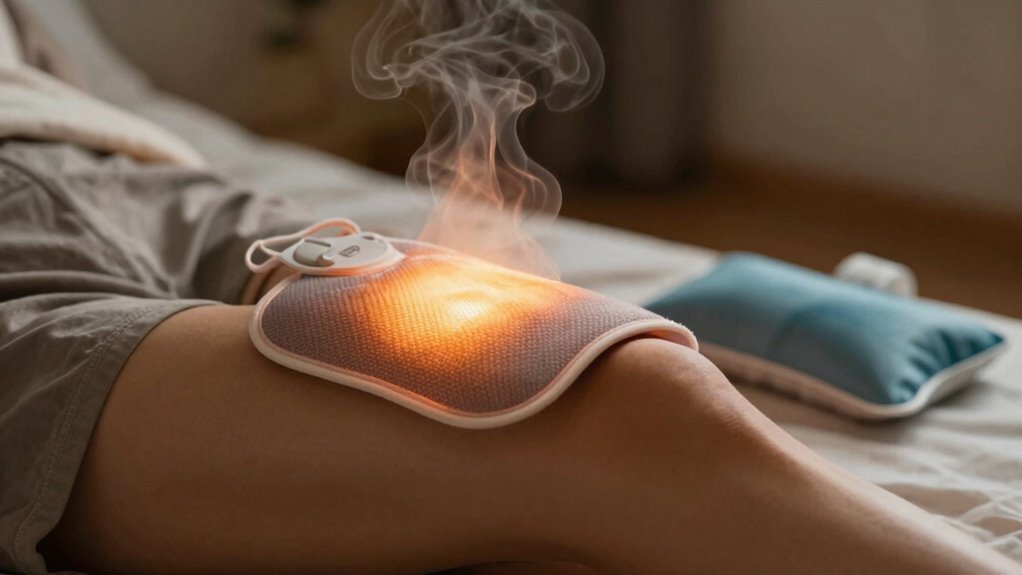
Have you ever wondered how applying heat can ease pain and promote healing? When you use hot packs or heat pads, you’re delivering warmth directly to sore muscles or stiff joints. This heat increases blood flow, which helps deliver oxygen and nutrients needed for repair. It also relaxes tense muscles, reducing stiffness and discomfort. Heat therapy works by soothing nerve endings, which can lessen pain signals. You might use a hot pack for muscle strains or a heat pad for chronic aches. The warmth penetrates deep into tissues, providing immediate relief. Additionally, understanding the effects of heat therapy can help you use it safely and effectively. For example, knowing the appropriate temperature and duration can prevent burns or skin irritation. Remember, heat therapy can be simple yet effective, making it a popular choice for managing various types of discomfort. Just ensure you don’t overheat or use heat on inflamed areas.
When Is Heat Therapy Most Effective for Pain Relief?
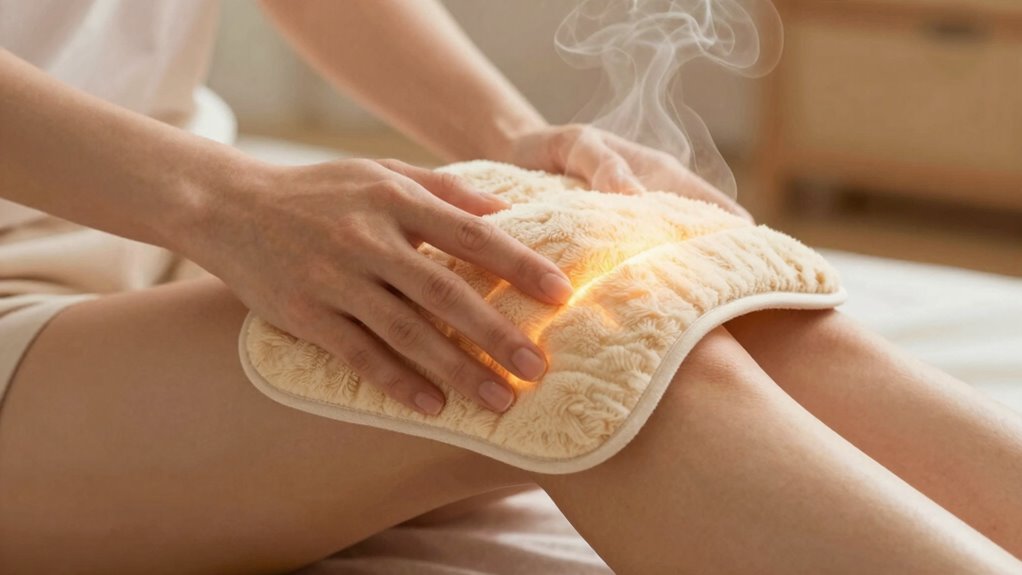
Heat therapy is most effective when applied to acute muscle strains or chronic stiff joints that are not inflamed. If you’re experiencing muscle tension from overuse or injury, heat helps relax the muscles and improves blood flow, speeding recovery. Similarly, for joint stiffness caused by arthritis or prolonged immobility, heat reduces discomfort and enhances flexibility. It’s best used when pain stems from tightness or rigidness rather than inflammation or swelling. Applying heat before activity can loosen muscles and prepare your body, while using it afterward can soothe lingering tension. Additionally, understanding proper application techniques ensures you use heat therapy safely and effectively to prevent burns or other injuries. Proper home device placement can also maximize the benefits of heat therapy in your daily routine. Being aware of home design/architecture details can help you optimize the placement and use of heat therapy devices at home for better results. Knowing when to use heat can make your pain relief more effective and safe.
How Do You Know if Heat Therapy Is Doing More Harm Than Good?
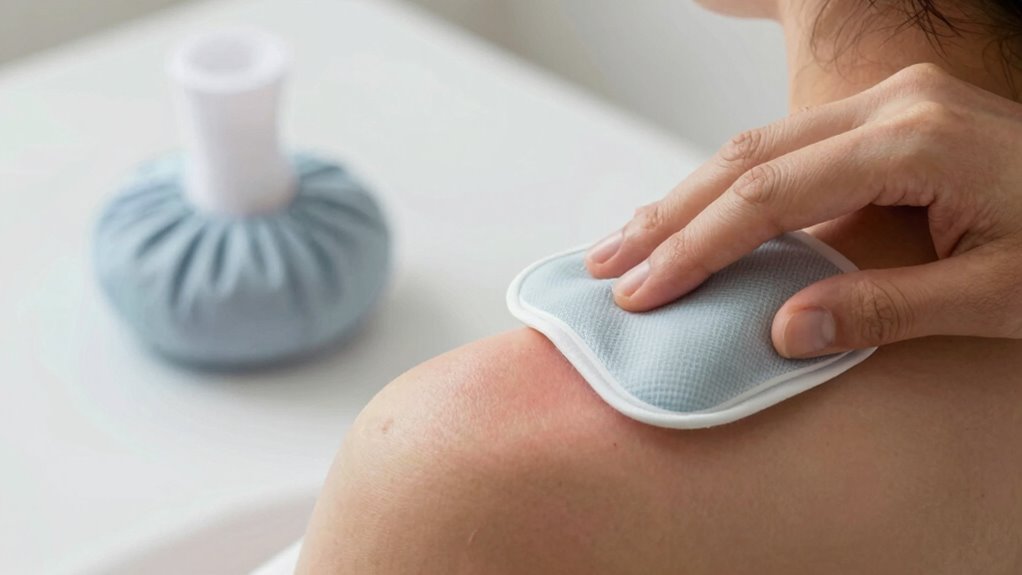
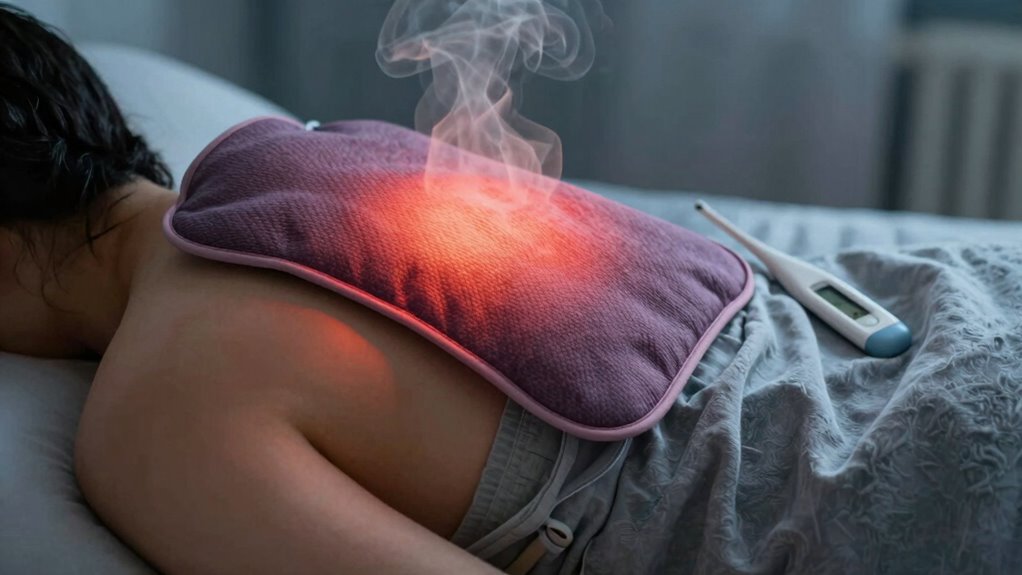
If you notice increased redness, swelling, or persistent pain after applying heat, it might be doing more harm than good. Be cautious if you have conditions like skin allergies, open wounds, or circulation issues, as heat can worsen these problems. Pay attention to your body’s signals to prevent overheating and avoid applying heat to unsuitable areas. Additionally, using heat therapy on areas with high humidity can lead to discomfort or skin issues. Moisture and water damage can also contribute to skin problems when combined with heat, so always ensure the area is properly dry before applying heat therapy. Properly maintaining your electric bike and being aware of your body’s responses can help prevent adverse effects from heat application. Incorporating nature connection practices can also promote overall well-being and help you better understand your body’s responses to heat. Furthermore, selecting the appropriate projector technology can enhance your home environment and support your relaxation routines.
Signs of Overheating
You might notice warning signs that heat therapy is doing more harm than good if you start experiencing increased pain, swelling, or skin redness beyond the treated area. These overheating symptoms indicate your body isn’t tolerating the heat well. Heat intolerance can develop quickly, leading to discomfort or even burns if you continue. You may also feel a sensation of excessive warmth, dizziness, or nausea, which are signs your body is struggling to regulate temperature. If any of these symptoms occur, it’s vital to remove the heat source immediately and cool down. Ignoring these signs can worsen inflammation or cause skin damage. Proper use of essential oils can help prevent adverse reactions during heat treatments. Additionally, monitoring your heart rate variability (HRV) can provide insight into how well your body is responding to thermal stress and recovery efforts.
Conditions to Avoid
While heat therapy can be beneficial, certain conditions make it risky or harmful to use. If you have poor circulation, diabetes, or skin infections, applying heat could lead to heat-induced injuries. People with bleeding disorders or those who are pregnant should also avoid heat therapy unless advised by a healthcare professional. Pay attention to too hot sensations; if the heat feels uncomfortably intense or causes burning, stop immediately. Skin redness or swelling after treatment may indicate overexposure or heat damage. Using heat on areas with open wounds or areas that are numb can mask pain signals, increasing the risk of injury. Be aware that sensitivity to heat varies among individuals and may affect safety. Always listen to your body and consult a healthcare provider if you’re unsure whether heat therapy is safe for your specific condition.
Which Conditions Benefit Most From Heat, Like Muscle Pain and Arthritis?
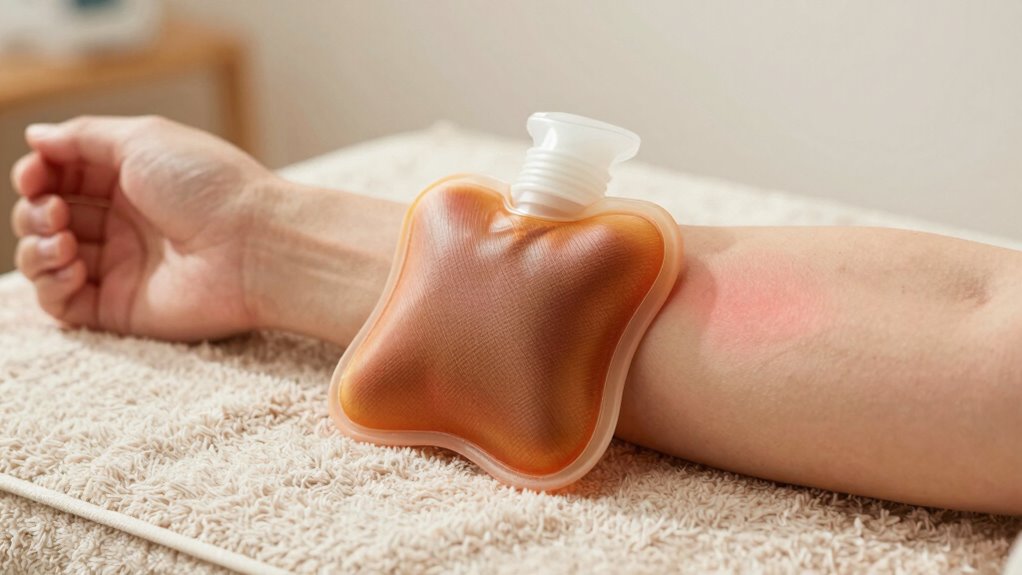
Heat therapy is particularly effective for conditions that involve muscle tension and joint pain, such as muscle strains, arthritis, and chronic stiffness. Applying heat can help relax muscles, reduce stiffness, and improve blood flow. If you’re dealing with muscle relaxants or joint swelling, heat can ease discomfort and promote healing. Proper application is key, as excessive heat or prolonged use can sometimes cause skin irritation or burns. Here are the top conditions that benefit most: 1. Muscle strains and soreness, where heat helps loosen tight muscles and speeds recovery. 2. Arthritis, especially in joints, where heat reduces stiffness and alleviates pain. 3. Chronic stiffness, like in fibromyalgia, where heat improves flexibility and comfort. Using innovative materials like Suprem fabric can enhance comfort during heat therapy sessions by providing better breathability and moisture-wicking properties, ensuring the skin remains dry and reducing irritation. Understanding proper usage is essential for safe and effective heat therapy. Additionally, selecting appropriate heat sources can prevent risks associated with improper application, and being aware of potential skin irritation helps prevent adverse effects during treatment. Incorporating advanced materials can further optimize comfort and safety during heat therapy sessions.
When Should You Avoid Using Heat on Injuries or Inflammation?
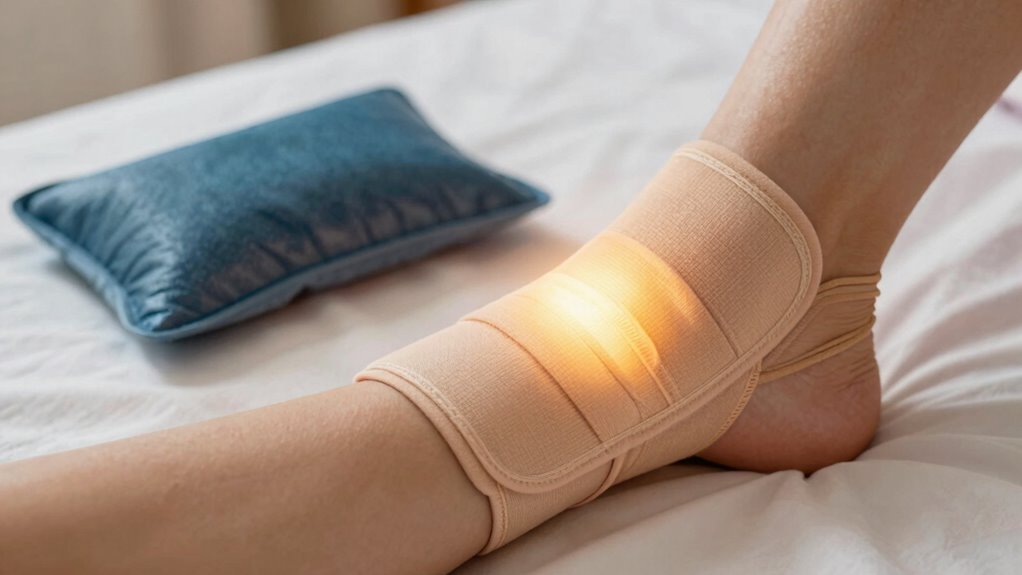
Although heat therapy offers relief for many musculoskeletal conditions, there are times when applying heat can do more harm than good. If you have an acute injury, such as a recent sprain or strain, using heat can increase inflammation and swelling, delaying healing. It’s also risky if you suspect a fracture or have open wounds, as heat may worsen damage or cause infection. Be cautious with misconceptions about heat therapy; these are often myths. If inflammation is present, avoid heat and instead consider cold therapy. Recognizing these signs helps prevent making your condition worse. Always consult a healthcare professional before using heat on injuries or inflammation to ensure it’s safe and appropriate. Additionally, improper application techniques can sometimes lead to burns or skin irritation, so proper precautions are essential. Using the correct methods and durations can help you safely benefit from heat therapy without unintended side effects. Moreover, understanding proper temperature ranges is crucial to prevent burns and maximize comfort during treatment.
How to Safely Apply Heat Therapy at Home
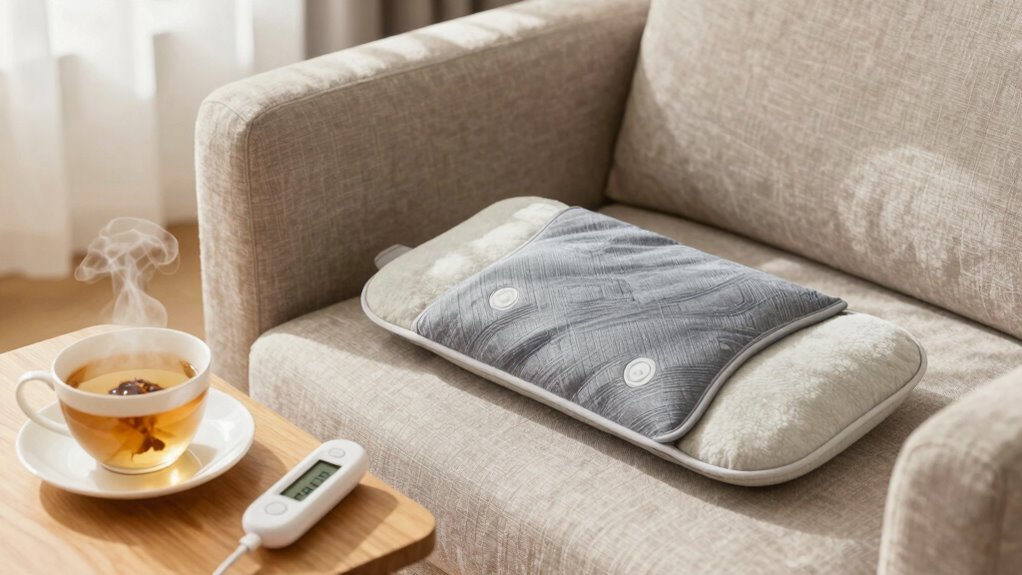
Applying heat therapy at home can be safe and effective if you follow proper procedures. To guarantee safety, stick to simple steps and avoid risky practices.
Applying heat therapy at home is safe when following simple, proper procedures and avoiding risky practices.
Here are three tips to get started:
- Use a clean, damp cloth or a commercially available heat pack, ensuring it’s not too hot to prevent burns.
- Limit sessions to 15-20 minutes, and take breaks in between to avoid overheating or skin irritation.
- Always check your skin for redness or discomfort during use, and never apply heat directly to broken skin or swollen areas.
Home remedies and alternative therapies like heat packs can provide relief, but safety comes first. If in doubt, consult a healthcare professional before starting heat therapy at home.
Heat vs Cold Therapy: Which Is Better for Your Pain?
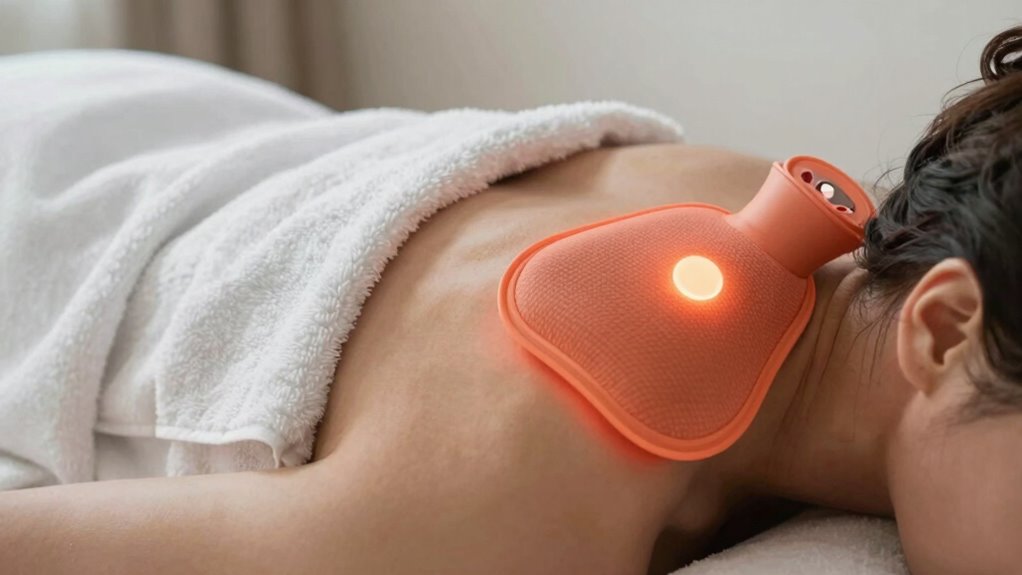
Choosing between heat and cold therapy depends on your pain type and how long you use each treatment. You should consider the timing and duration to avoid risks like burns or tissue damage. Knowing the right approach helps you manage pain safely and effectively.
Pain Type Suitability
Are you wondering whether heat or cold therapy is better for your specific pain? Your choice depends on the type of pain you’re experiencing.
- If you need muscle relaxation or want to ease stiffness, heat therapy often works best, promoting blood flow and soothing tight muscles. Keep in mind, if your skin is sensitive or inflamed, heat might cause discomfort or irritation.
- For acute injuries or inflammation, cold therapy reduces swelling and numbs pain, but avoid cold if your skin is sensitive or if you have poor circulation.
- Chronic pain, like joint stiffness, usually responds well to heat, but always consider your skin’s sensitivity and avoid prolonged exposure to prevent burns or irritation.
Timing and Duration
When it comes to managing pain with heat or cold therapy, timing and duration can make a big difference in effectiveness and safety. Following proper duration guidelines helps prevent skin damage and ensures relief. Generally, heat should be applied for 15 to 20 minutes at a time, with breaks in between to avoid overheating. Cold therapy is typically used for shorter periods, around 10 to 15 minutes, to reduce inflammation without harming the skin. Timing considerations also include avoiding continuous application, which can cause adverse effects. Listening to your body’s signals is key—if you feel discomfort or excessive redness, remove the therapy immediately. Properly managing timing and duration maximizes benefits and minimizes risks in your pain relief routine.
Risks and Precautions
While heat and cold therapies can provide effective pain relief, each carries specific risks that you should be aware of to stay safe. If you have temperature sensitivity, applying heat or cold improperly can cause skin reactions or burns. To avoid issues:
- Always test the temperature first and never apply directly to skin—use a cloth or towel.
- Limit application time to 15-20 minutes to prevent skin irritation or frostbite.
- Watch for any skin reactions like redness, numbness, or blistering, and remove the therapy immediately if they occur.
Being cautious helps prevent adverse effects, especially if you have sensitive skin or circulation problems. Knowing these precautions guarantees you enjoy the benefits safely.
When During Recovery Should You Use Heat for Best Results?
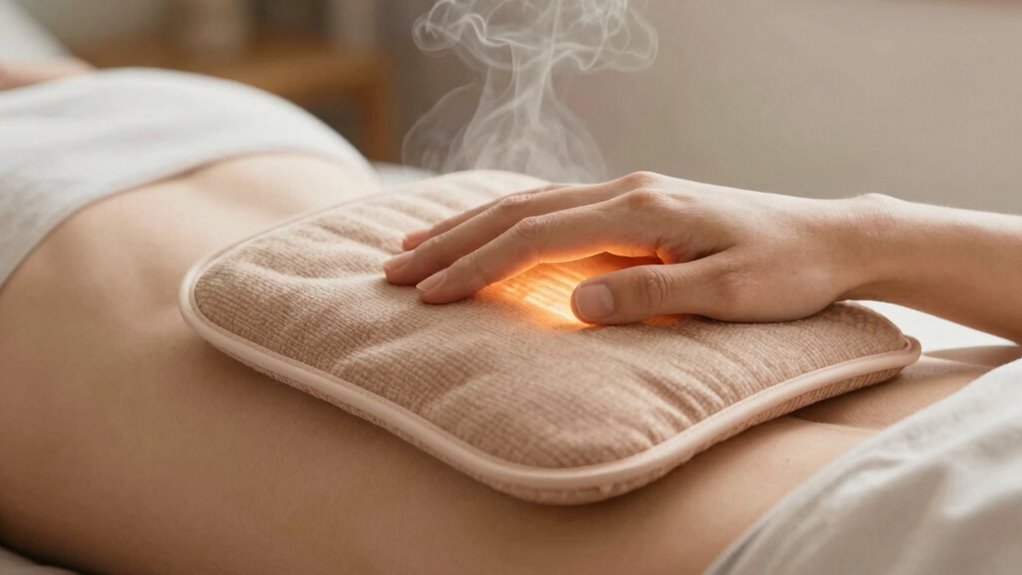
Knowing the right time to apply heat during recovery can considerably enhance its effectiveness. You should exercise caution to avoid using heat too soon after injury, as it can increase inflammation or swelling. Typically, wait at least 48 hours before applying heat, once the initial swelling subsides. Applying heat during this period helps improve blood flow, relax muscles, and promote healing. However, it’s essential to maintain proper temperature regulation to prevent burns or skin damage. Use a comfortable, warm—not hot—application and limit sessions to 15-20 minutes. If you notice increased pain, redness, or swelling, stop immediately. Timing your heat therapy correctly can make a significant difference in your recovery process, ensuring you get the most benefit without risking further injury.
Tips From Experts to Maximize Heat Therapy and Stay Safe
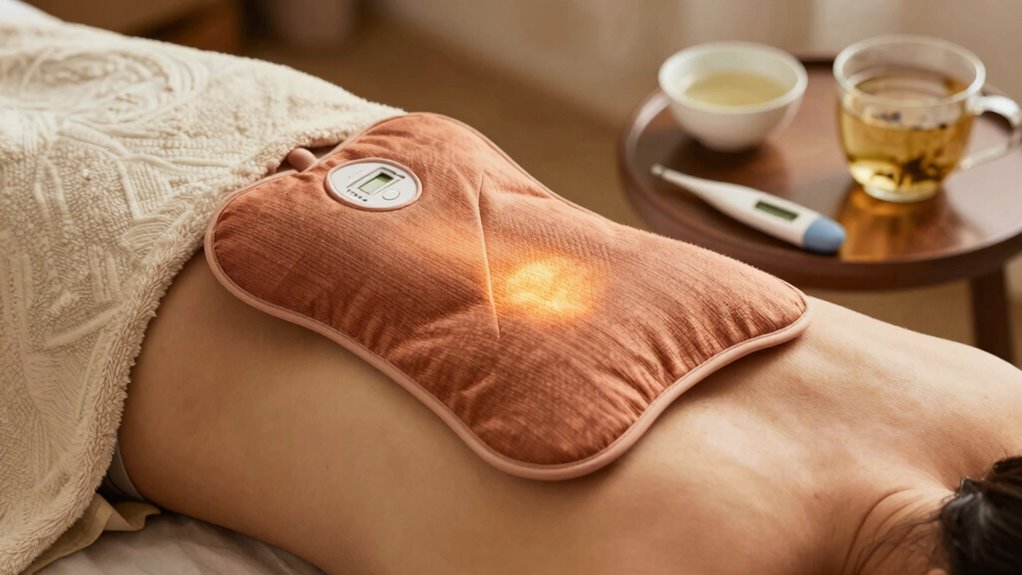
Expert advice can help you get the most out of heat therapy while minimizing risks. To maximize benefits and stay safe, follow these tips with heat technology and alternative therapy in mind.
- Always start with a low temperature and gradually increase to avoid burns or discomfort.
- Use a towel or cloth between the heat source and your skin to prevent direct contact.
- Limit sessions to 15-20 minutes to prevent overheating or skin irritation.
Listening to your body is key—if you feel pain or excessive warmth, stop immediately. Incorporate heat therapy safely by choosing the right heat technology suited for your needs and exploring alternative therapy options to enhance recovery. These simple precautions help you enjoy the soothing benefits without risking harm.
When to Consult a Healthcare Professional About Heat Therapy
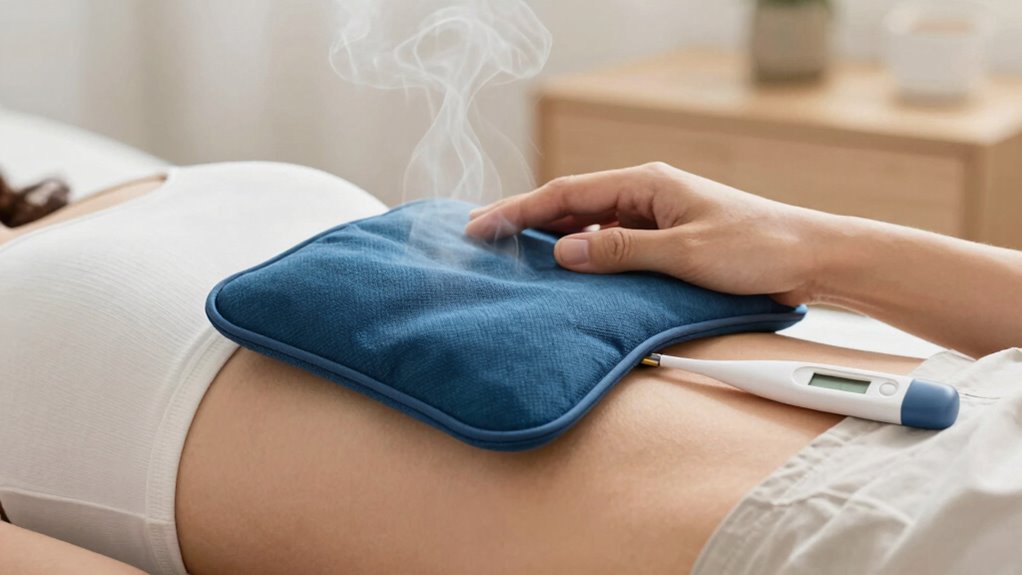
If you have a chronic condition, it’s important to consult your healthcare provider before using heat therapy. Watch for signs that your symptoms are worsening, like increased pain or swelling, and seek professional advice. Knowing when to obtain medical guidance ensures you use heat therapy safely and effectively.
Precautions for Chronic Conditions
When you have a chronic condition, such as heart disease, diabetes, or circulation issues, it’s essential to consult a healthcare professional before using heat therapy. Your chronic pain and heat tolerance can vary, making professional guidance vital. Heat can sometimes worsen symptoms or cause complications if not used properly.
To stay safe, consider these precautions:
- Avoid applying heat if you experience numbness or reduced sensation, as you might not feel if the heat becomes too intense.
- Limit session duration and temperature to prevent overheating or skin burns.
- Check with your doctor if you notice increased swelling, pain, or changes in your condition, as these could signal that heat therapy isn’t suitable for you.
Signs of Worsening Symptoms
While heat therapy can provide relief, recognizing signs that your symptoms are worsening is essential. If you notice symptom progression such as increased pain, swelling, redness, or warmth in the treated area, stop using heat immediately. Persistent or worsening discomfort could indicate inflammation or an underlying issue requiring medical attention. If heat therapy causes skin irritation, blistering, or numbness, it’s a clear sign to seek professional advice. Additionally, if symptoms don’t improve or worsen despite treatment, explore therapy alternatives like cold therapy or medications under your healthcare provider’s guidance. Ignoring these signs can lead to complications. Always listen to your body and consult a healthcare professional if you’re unsure whether to continue heat therapy or consider other treatment options.
Frequently Asked Questions
Can Heat Therapy Be Used Alongside Other Pain Treatments?
Yes, you can use heat therapy alongside other pain treatments, but it’s important to take into account heat therapy compatibility with your specific options. Combining heat with alternative pain relief methods like massage or physical therapy can enhance comfort and recovery. However, always consult your healthcare provider before mixing treatments, especially if you have underlying conditions, to ensure safe and effective pain management.
How Does Heat Therapy Affect Swelling and Inflammation?
Heat therapy helps reduce swelling and inflammation by promoting vasodilation effects, which increase blood flow to the affected area. This process accelerates the removal of inflammatory substances and supplies oxygen and nutrients needed for healing. However, if used improperly, it can worsen swelling or inflammation. Always apply heat carefully, especially if you notice increased swelling, and consult a healthcare professional for personalized advice.
Are There Any Risks of Burns With Home Heat Applications?
Think of applying heat like walking a tightrope—you need balance. Yes, there’s a risk of thermal burns if you leave a heating pad or hot pack on too long or use excessive heat, which can cause skin damage. Always set the temperature low to medium, use a barrier like a towel, and limit application time to prevent thermal burns. Stay cautious, and you’ll enjoy the benefits without risking skin damage.
Can Children or Seniors Safely Use Heat Therapy?
Children and seniors can safely use heat therapy if you follow proper precautions. For pediatric safety, verify the heat isn’t too hot and limit application time to prevent burns. With senior considerations, check for sensitive skin or circulation issues, and always supervise use. Consult a healthcare provider if you’re unsure, and avoid heat therapy if there’s swelling, open wounds, or numbness. Proper use maximizes comfort and safety for both groups.
How Long Should I Wait Between Heat Sessions for Optimal Results?
You should wait at least 30 to 60 minutes between heat sessions for ideal results. Following the duration guidelines and frequency recommendations helps prevent skin irritation and overuse. Typically, limit each session to 15-20 minutes, and avoid exceeding 2-3 sessions per day. Listening to your body is key; if you experience discomfort, reduce the frequency or duration. This approach ensures safe, effective relief without risking burns or other issues.
Conclusion
Heat therapy can be a soothing ally when used correctly, easing muscle tension and pain. But remember, it’s not a one-size-fits-all remedy—sometimes, it can do more harm than good. Trust your body’s signals, know when to pause, and don’t hesitate to seek professional advice. Because in the dance of relief and caution, balancing heat’s warmth with wisdom guarantees you stay safe and pain-free—your health’s true harmony.