Sauna blankets generate infrared heat that penetrates deep into your skin, causing your muscles to warm and your body to sweat. While many think they make you sweat more than traditional saunas, studies show sweat levels are quite comparable, influenced by session length and hydration. Using a sauna blanket offers benefits like relaxation and detoxification, but safety matters—monitor your response and stay hydrated. Want to understand how to maximize your sweat and stay safe? Keep exploring to learn more.
Key Takeaways
- Sauna blankets use infrared heat to penetrate deeply, stimulating sweat production similar to traditional saunas.
- Sweat levels depend on session duration, temperature, hydration, and individual physiology, not just device settings.
- Proper hydration before, during, and after use is essential to safely maximize sweating benefits.
- Longer or hotter sessions don’t automatically produce more sweat; individual response varies.
- Safety precautions, like monitoring body signals and avoiding overheating, are crucial for effective use.
What Are Sauna Blankets and How Do They Work?
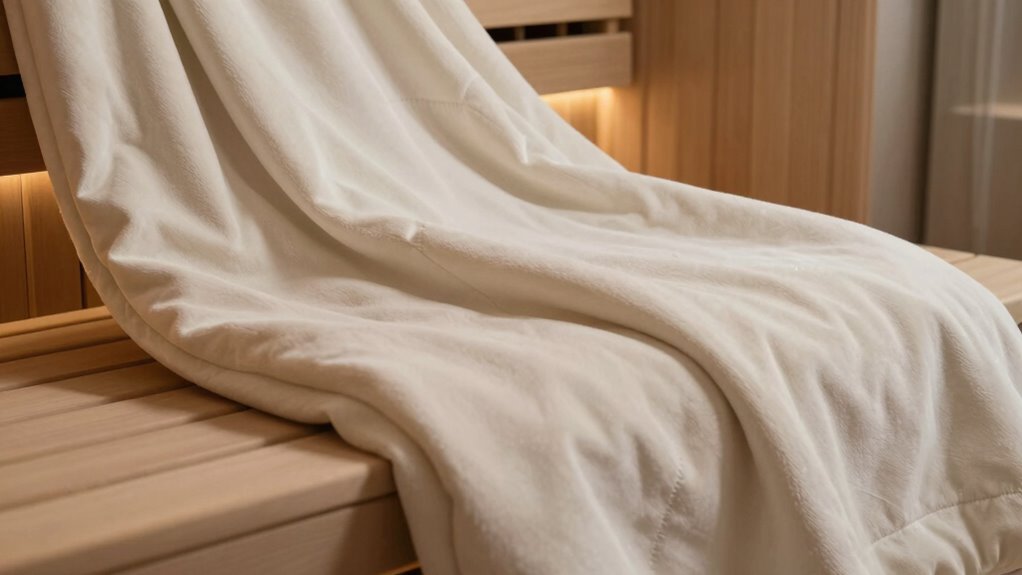
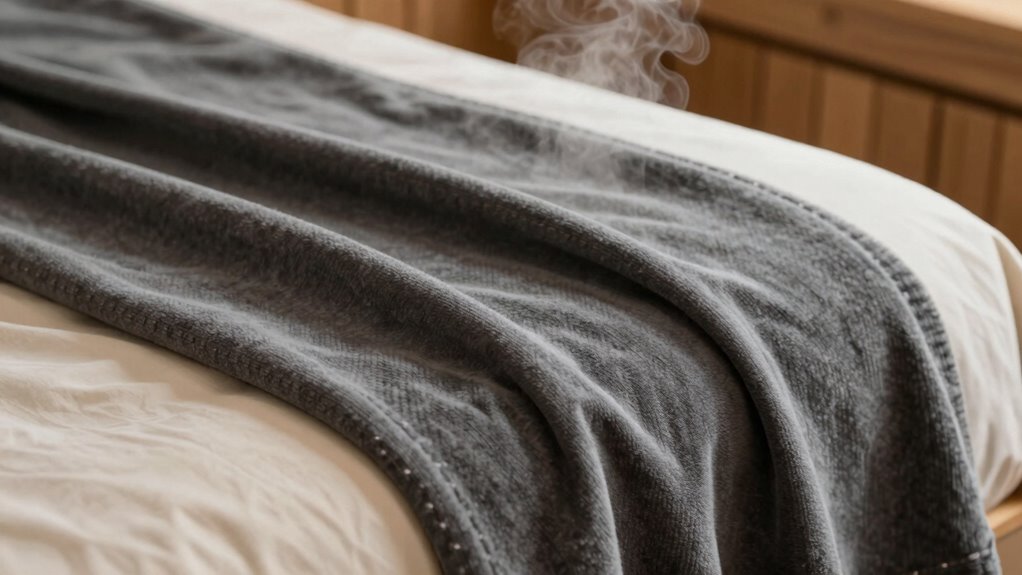
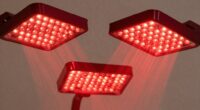
Sauna blankets are portable, heated devices designed to mimic the experience of a traditional sauna. They work through infrared therapy, using infrared rays to generate heat that penetrates your skin deeply. This heat penetration helps warm your muscles and tissues from within, promoting relaxation and detoxification. Unlike traditional saunas that heat the air, infrared therapy directly heats your body, making the experience more comfortable and targeted. When you wrap yourself in a sauna blanket, the infrared heat evenly distributes across your body, encouraging sweating and circulation. These blankets are easy to use at home, offering a convenient way to enjoy the benefits of infrared therapy without the need for a bulky sauna room. Additionally, infrared therapy benefits include improved circulation and pain relief, making sauna blankets a versatile wellness tool. As research continues, the effectiveness of infrared heat in promoting health and wellness gains more recognition. The ability of infrared heat to penetrate deeply into tissues enhances its therapeutic effects, providing benefits that traditional heat sources may not offer.
Do Sauna Blankets Make You Sweat More Than Traditional Saunas?
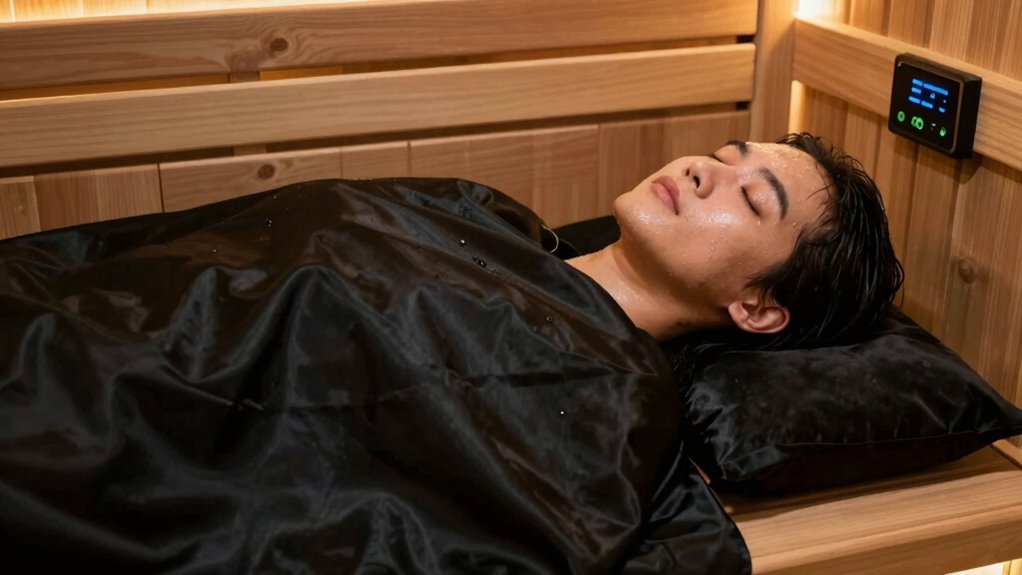
You might wonder if sauna blankets cause more sweating than traditional saunas. Since temperature control varies between them, it affects how much you sweat during each session. Plus, the length of use and how intensely you sweat can differ, making it important to compare these factors carefully. Additionally, understanding how cycling gear maintenance impacts performance can help you optimize your overall fitness routine. Proper gear cleaning ensures that your equipment remains effective and prolongs its lifespan, ultimately supporting your health and fitness goals. Recognizing the thermoregulation process in the body can also aid in understanding how different heat therapies affect sweating levels. Being aware of heat exposure safety precautions can further prevent adverse effects during sauna sessions.
Temperature Control Differences
While sauna blankets often feature adjustable temperature settings, they generally lack the precise control found in traditional saunas. You might find it harder to fine-tune your experience because temperature regulation isn’t as advanced. The heat retention in blankets can vary depending on the material and design, which affects your sweat response. Unlike traditional saunas with thermostats that maintain consistent heat, blankets rely on basic controls that may not hold a steady temperature. This can lead to fluctuations, making it tricky to reach your desired level of sweating. You may notice:
- Less consistent heat due to limited temperature regulation
- Shorter or less stable heat retention periods
- Variability in sweat intensity based on temperature fluctuations
- The precise temperature control found in traditional saunas is often lacking in sauna blankets, affecting your overall experience. Additionally, heat distribution in sauna blankets can be uneven, further impacting your sweating response. Moreover, the temperature stability in blankets can be compromised by external factors like room temperature and insulation quality, influencing how effectively you sweat.
Duration of Use
The duration of your sauna blanket session can substantially influence how much you sweat, but it doesn’t necessarily lead to more sweating than traditional saunas. Longer sessions increase your hydration needs, so it is crucial to drink water before, during, and afterward. Generally, a 30 to 45-minute session is effective without overtaxing your body. Keep in mind that frequent use can enhance benefits but also heightens hydration requirements, so don’t overdo it. Listening to your body is key—if you start feeling dizzy or uncomfortable, end the session. While longer sessions may produce more sweat, the overall sweat volume also depends on factors like temperature and individual physiology. Balancing session length and hydration ensures a safe and effective experience. Additionally, understanding the best heat pump features can help optimize your overall wellness setup, ensuring energy-efficient and reliable performance during your routines. Proper hydration strategies are essential to maximize benefits and prevent dehydration during longer sessions. Incorporating personal health considerations can further help tailor your sauna experience to your specific needs. Moreover, adjusting the temperature settings appropriately can help manage sweating levels and improve comfort throughout your session. To further enhance your experience, exploring sauna blanket safety tips can help prevent potential risks and ensure you enjoy your sessions responsibly.
Sweat Intensity Levels
Sauna blankets can induce sweat levels comparable to traditional saunas, but whether they make you sweat more depends on several factors. Your sweating mechanisms and thermal regulation responses vary based on temperature, duration, and individual physiology. Sauna blankets typically heat your body directly, raising core temperature and triggering sweating as your body attempts to cool down. However, factors influencing sweat intensity include:
- Temperature settings and duration of use
- Individual’s natural sweating response
- Clothing and hydration levels
While both options activate sweating mechanisms, the intensity depends on how effectively the blanket or sauna stimulates your body’s thermal regulation. Overall, sauna blankets can produce similar sweat levels, but individual responses may cause differences in sweat intensity.
What Are the Real Health Benefits of Using a Sauna Blanket?
Using a sauna blanket can offer several genuine health benefits that many people find worth exploring. One key advantage is detoxification benefits, as the heat promotes sweating that helps flush out toxins from your body. This process can leave you feeling refreshed and more energized. Additionally, using a sauna blanket encourages mental relaxation by reducing stress and easing tension. The warmth helps calm your mind, providing a soothing experience that can improve overall well-being. While it’s not a cure-all, regular use can support your body’s natural detox processes and help you unwind after a busy day. Incorporating somatic therapy techniques can also enhance the relaxation experience, fostering a deeper mind-body connection. Understanding the importance of body temperature regulation can help maximize safety and effectiveness during use. Being aware of safety guidelines is essential to prevent overheating and ensure a safe experience. Keep in mind, these benefits work best when combined with a healthy lifestyle and proper hydration.
Are Sauna Blankets Safe? Risks and Downsides You Should Know
While sauna blankets can offer relaxation, you should be aware of the risks of overheating if used improperly. Skin irritation may also occur, especially if you have sensitive skin or leave the blanket on too long. Knowing these potential downsides helps you use sauna blankets safely and avoid unnecessary discomfort. Additionally, proper usage and understanding safety guidelines can significantly reduce these risks. Being mindful of dream symbolism related to time and life can also help interpret your body’s signals during relaxation. To maximize safety, consider consulting product reviews to choose the most reliable sauna blanket options.
Potential Overheating Risks
Although sauna blankets are designed to provide a relaxing heat experience, they do carry potential overheating risks if not used properly. To avoid overheating, it’s essential to focus on overheating prevention and maintain proper thermal regulation. If you stay in the blanket too long or set the temperature too high, you risk overheating, which can lead to dizziness, nausea, or dehydration. Always monitor your body’s response and follow recommended session times. Be cautious if you have underlying health conditions that affect heat tolerance. To stay safe, consider these tips:
- Use the blanket for recommended durations only
- Adjust the temperature settings carefully
- Stay hydrated before and after use
Proper thermal regulation helps you enjoy the benefits without risking your health.
Skin Irritation Possibilities
Skin irritation is another concern to keep in mind when using sauna blankets. If you have sensitive skin or allergies, you might experience redness, itching, or rash after use. The heat and materials in some blankets can trigger skin sensitivity, especially if you have existing allergy concerns. To reduce this risk, check the fabric and heating elements for potential irritants, and always do a patch test before full use. Avoid prolonged sessions if you notice any discomfort, and keep your skin moisturized afterward. If irritation persists or worsens, discontinue use and consult a healthcare professional. Being aware of your skin’s response helps you enjoy sauna blankets safely without unnecessary discomfort or allergic reactions.
How Do You Choose the Best Sauna Blanket for Your Budget and Needs?
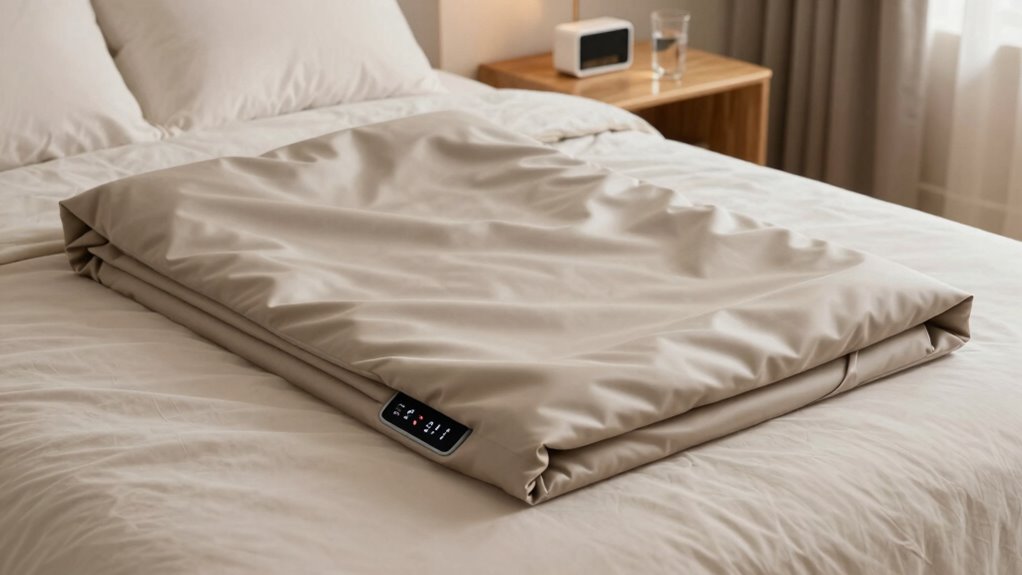
Choosing the right sauna blanket depends on understanding your budget and specific needs. Start by comparing costs to find options that fit your financial plan, keeping in mind that higher prices often reflect better quality and durability. Consider the brand reputation, as trusted brands typically deliver safer, more reliable products.
Key factors to evaluate include:
- Cost comparison: Balance price with features and longevity.
- Brand reputation: Look for reviews and customer feedback.
- Features and materials: Guarantee it meets your comfort and health requirements.
How Can You Safely Use a Sauna Blanket at Home? Tips for Best Results
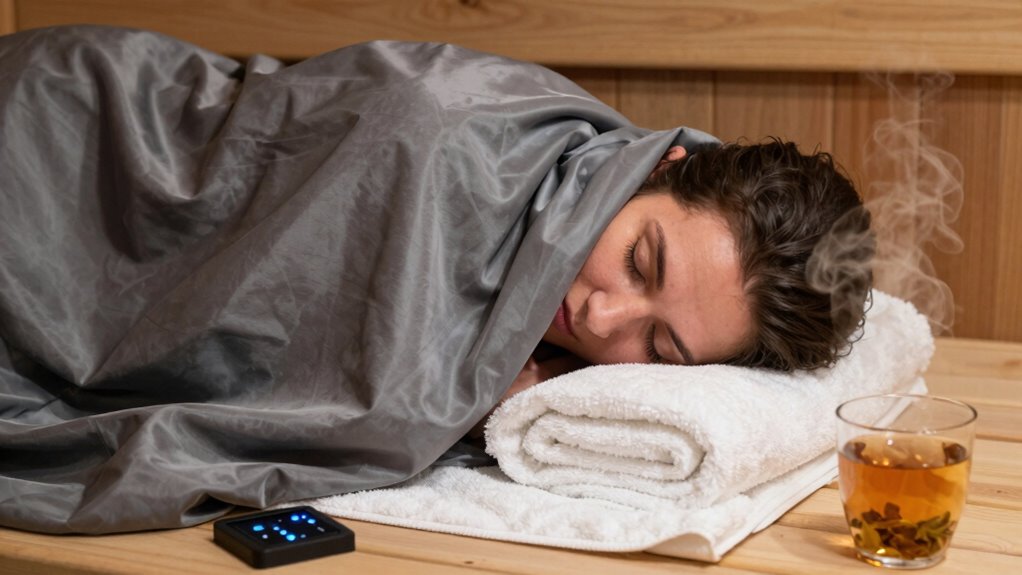
To safely use a sauna blanket at home, it’s vital to follow proper guidelines to prevent health risks. First, stay hydrated by drinking plenty of water before, during, and after your session, as hydration importance can’t be overstated. Wear lightweight, breathable clothing or keep your body exposed, avoiding bulky or restrictive outfits, which can interfere with heat distribution. Start with shorter sessions, around 15-20 minutes, and listen to your body—if you feel dizzy or uncomfortable, end the session immediately. Always follow the manufacturer’s instructions for temperature and duration. Make certain the blanket is clean and in good condition. By respecting these tips, you’ll maximize benefits safely and enjoy a comfortable, effective sweat session at home.
What Are the Different Types of Sauna Blankets, and Which One Is Right for You?
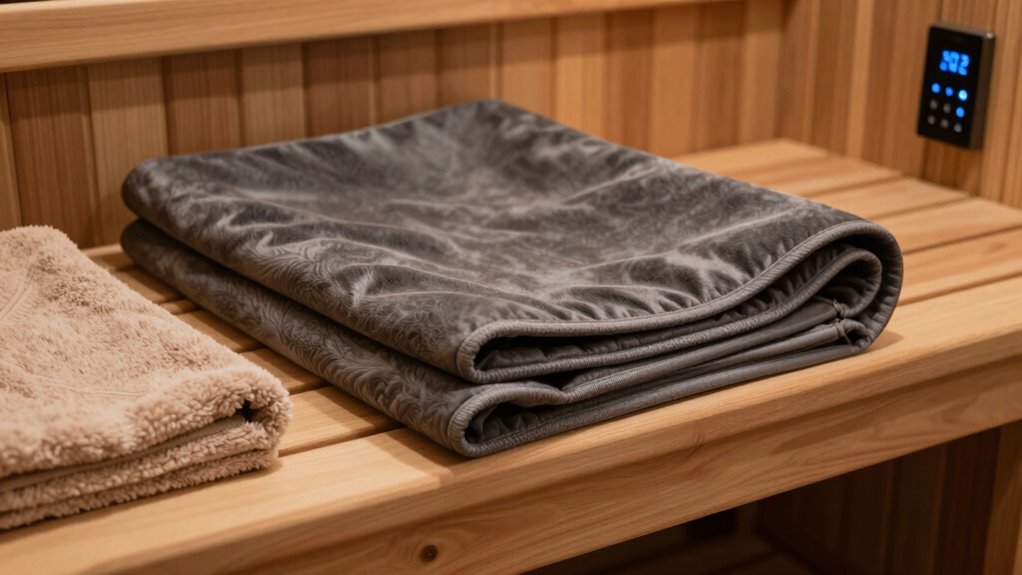
There are several types of sauna blankets available, each designed to suit different preferences and needs. If you’re exploring heat therapy or infrared therapy, understanding your options helps you choose the right fit.
- Infrared sauna blankets use infrared rays to penetrate deeper into your skin, promoting detox and relaxation.
- Traditional heat therapy blankets focus on raising your body temperature with external heat sources, providing a more conventional experience.
- Hybrid models combine infrared and heat therapy features, offering customizable sessions for maximum sweating and health benefits.
Consider your goals—whether detox, muscle recovery, or relaxation—and your comfort preferences. Infrared therapy tends to be gentler, while traditional heat therapy delivers more intense warmth. Choose the one that aligns with your wellness objectives.
Frequently Asked Questions
How Long Should I Use a Sauna Blanket per Session?
You should use a sauna blanket for about 30 to 45 minutes per session. Pay attention to humidity levels and temperature regulation to avoid overheating or dehydration. Start with shorter durations if you’re new, and gradually increase as your body adapts. Always listen to your body, stay hydrated, and take breaks if you feel uncomfortable. Properly controlling humidity and temperature ensures a safe, effective sweating experience.
Can Sauna Blankets Help With Weight Loss?
Think of a sauna blanket as a gentle storm that sweeps through your body, helping shed water weight and toxins. While it can support detox benefits and improve skin health, it’s not a magic wand for weight loss. Instead, it’s a tool to boost your wellness routine, encouraging circulation and sweating. Remember, sustainable weight loss still depends on a balanced diet and regular exercise alongside your sauna sessions.
Are There Any Medical Conditions That Prevent Sauna Blanket Use?
You should avoid using sauna blankets if you have certain medical restrictions, such as heart conditions, low blood pressure, or skin issues. Always consult your doctor before starting, as safety precautions are vital to prevent adverse effects. If you’re pregnant or on medication that affects your temperature regulation, it’s best to skip sauna blankets. Prioritize your health by following these guidelines to guarantee safe use.
How Often Should I Use a Sauna Blanket for Maintenance?
You should use a sauna blanket 2-3 times a week for maintenance. Regular sessions can enhance detox benefits and support muscle recovery after workouts. Listening to your body is key—if you feel fatigued or uncomfortable, reduce frequency. Consistent use helps your body eliminate toxins and eases muscle tension, but always stay hydrated and consult a healthcare professional if you have concerns or medical conditions.
What Materials Are Safest for Sauna Blanket Manufacturing?
For sauna blanket safety, look for high-quality, non-toxic materials like BPA-free PU or medical-grade fabrics. These materials guarantee durability and resist wear over time, providing a safe experience. Avoid low-grade plastics or synthetic fabrics that may emit harmful fumes or degrade quickly. You want a blanket with sturdy seams and reliable insulation, so it lasts longer and maintains safety standards, giving you peace of mind with every use.
Conclusion
In the end, sauna blankets can be a modern tool to boost your wellness routine, but don’t expect them to turn back time like a magic elixir. Always prioritize safety, do your research, and listen to your body—just like an old wise sage would advise. Remember, even the most advanced technology can’t replace consistent habits and balance. Embrace the journey, and let your health be the true treasure you seek.