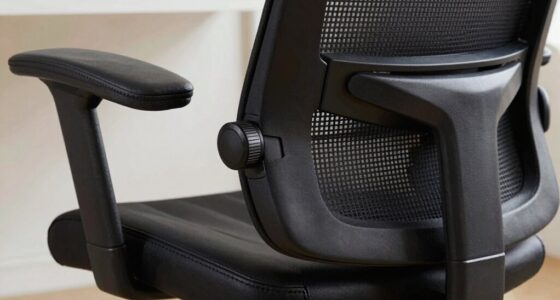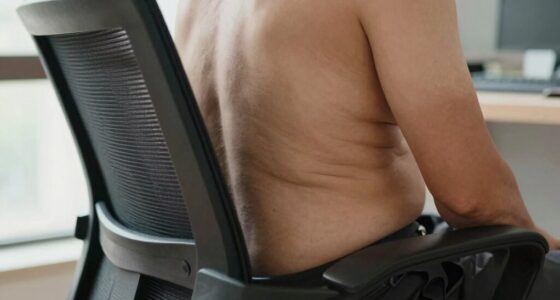
Choosing between forward tilt and flat seat pans depends on your activity and comfort needs. Forward tilt can promote better posture by encouraging pelvic and spinal alignment, reducing slouching and fatigue during prolonged sitting. Flat seats support natural hip positioning and pressure distribution, ideal for neutral, long-term comfort. Understanding when each helps can improve your sitting experience. Exploring the details will guide you in customizing your seat for ideal ergonomic support.
Key Takeaways
- Forward tilt encourages active sitting and maintains proper pelvic and spinal alignment during prolonged use.
- Flat seat pans promote natural hip positioning and better pressure distribution for comfort and circulation.
- Forward tilt is beneficial for tasks requiring a more upright posture, reducing slouching and fatigue.
- Flat seat pans are preferable for neutral positions and when stability or minimal pressure is needed.
- Adjusting seat tilt based on activity and individual anatomy optimizes ergonomic support and prevents discomfort.
What Is Seat Pan Tilt and Why Does It Matter?
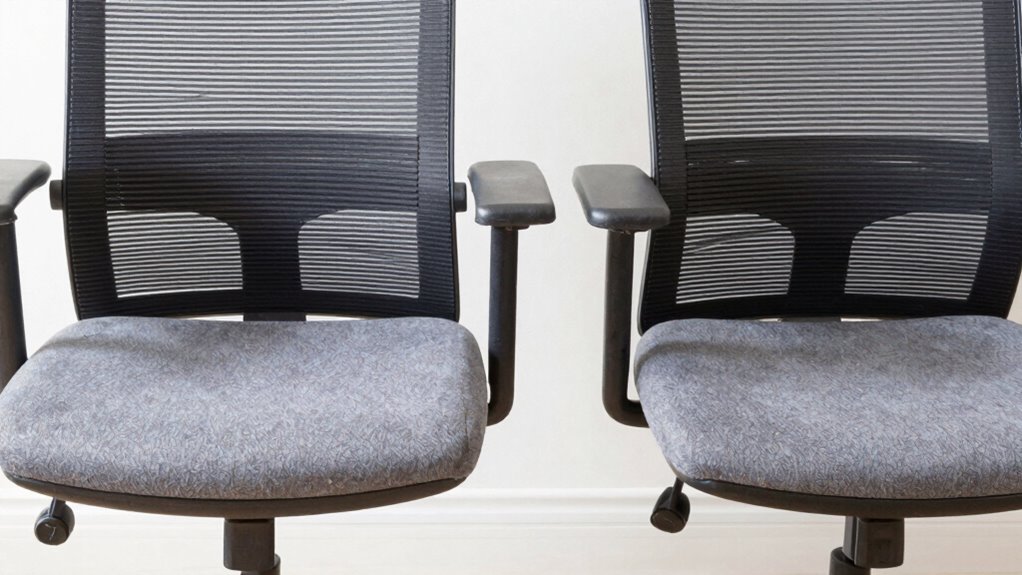
Have you ever wondered how the angle of your seat pan affects your comfort and posture? Seat pan tilt is a key aspect of seat adjustment that influences ergonomic benefits. When you adjust the tilt, you can shift the front or back of the seat to better support your thighs and pelvis. A properly tilted seat helps distribute your weight evenly, reducing pressure points and preventing discomfort during long periods of sitting. It also encourages proper spinal alignment, which can minimize strain on your lower back. Understanding how seat pan tilt works allows you to customize your seating position for maximum comfort and health. Whether you prefer a flat or forward tilt, adjusting the seat pan is essential for maintaining good posture and overall ergonomic support. Proper seat adjustment can significantly enhance your overall comfort and well-being during extended sitting sessions. Additionally, being aware of ergonomic seating principles can guide you in making the most effective adjustments for your individual needs. Recognizing the importance of seat ergonomics helps optimize your seating setup for better health and productivity.
How Do You Choose the Best Seat Tilt for Your Needs?
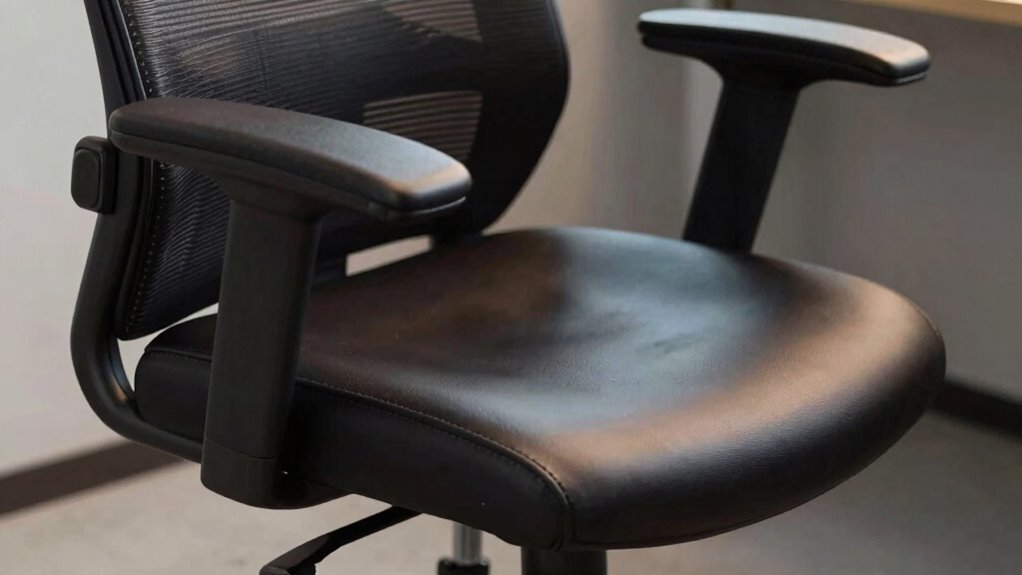
Choosing the best seat tilt depends on your specific needs and how you use your chair. To maximize ergonomic benefits, consider your daily activities and comfort preferences. If you spend long hours sitting, a flat or slightly forward tilt can promote better posture and reduce pressure on your hips. Use adjustment techniques like testing different tilt angles to see what feels most natural and supportive. Pay attention to how your pelvis and lower back respond, ensuring your hips are well-supported without feeling strained. Proper adjustment helps maintain spinal alignment and prevents discomfort. Additionally, understanding seat tilt protocols can help you optimize your chair settings for improved comfort and support, especially when considering ergonomic adjustment techniques. Incorporating body alignment principles into your adjustments can further enhance overall comfort and reduce strain. Remember that individual anatomical differences can influence the most effective tilt position for each person, so personalized adjustments are key.
Why Forward Tilt Can Improve Your Posture
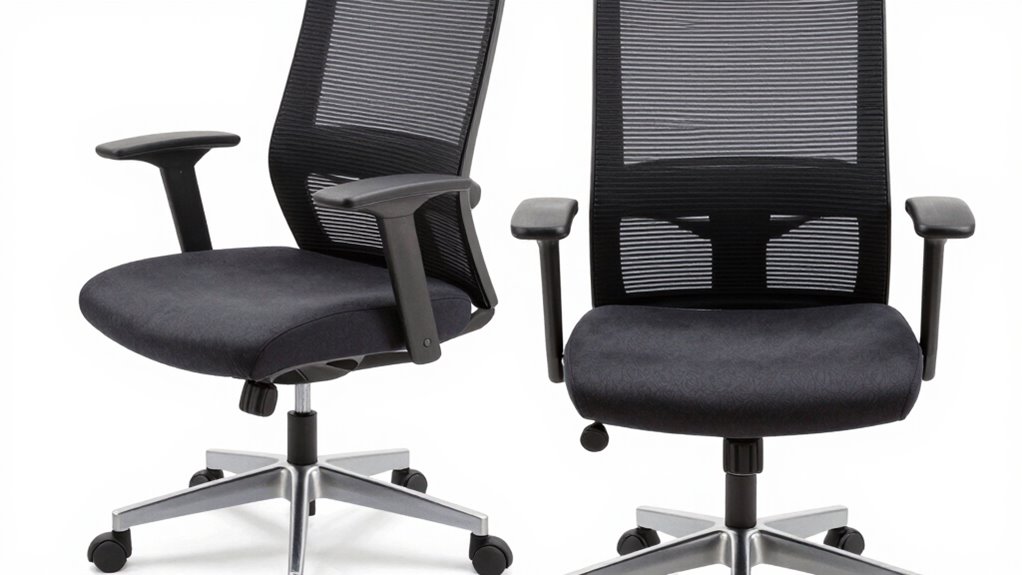
A forward tilt on your seat can considerably enhance your posture by encouraging a more natural alignment of your pelvis and spine. This ergonomic benefit helps reduce slouching and relieves pressure on your lower back. Many people have common misconceptions that a forward tilt causes discomfort or slumps your posture, but in reality, it promotes active sitting and engages your core muscles. When your seat pan tilts forward, it encourages you to sit upright, supporting better spinal curvature. This position can improve circulation and reduce fatigue during long periods of sitting. Additionally, understanding the ergonomic benefits of seat tilt can help you optimize your seating for health and comfort, making forward tilt a valuable option for maintaining ideal, perfect, best, most suitable, most favorable, or most advantageous posture throughout your day. Incorporating proper seat adjustments can further enhance these benefits and promote sustained ergonomic health. Moreover, research in sound healing science supports how proper ergonomic positioning can positively influence overall well-being and reduce stress, recognizing the importance of regional flavors and insights in promoting holistic comfort and wellness. Recognizing the impact of posture on overall health can underscore the importance of choosing the right seating adjustments to support long-term well-being.
When Is a Flat Seat Pan the Better Choice?
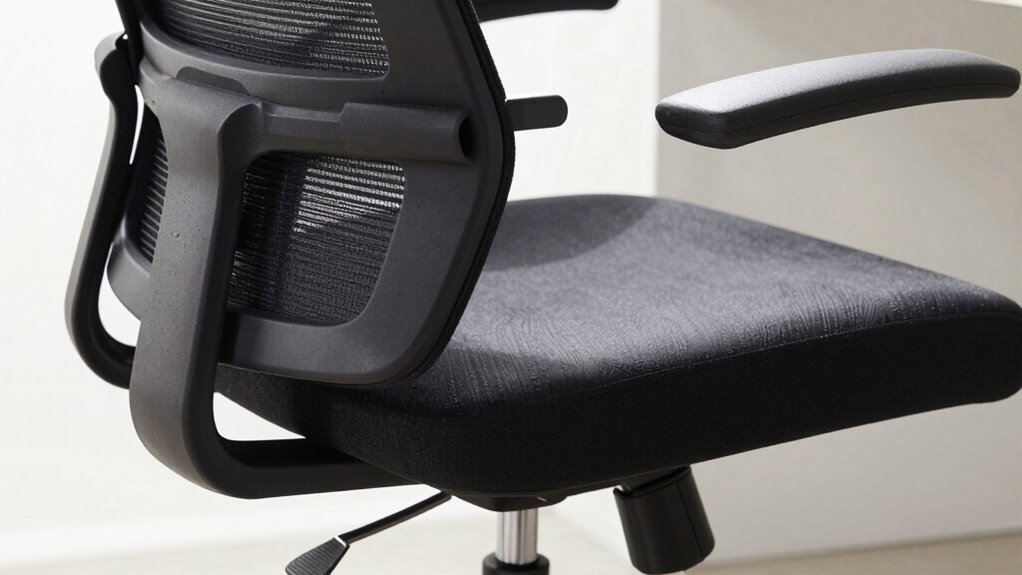
While tilt adjustments can enhance comfort and posture, there are situations where a flat seat pan proves to be the better choice. A flat seat pan offers ergonomic benefits by promoting natural hip alignment and reducing pressure points. It’s especially suitable when you need a neutral position that minimizes strain during long periods of sitting. Design considerations, such as seat shape and support, also favor a flat surface in certain setups. You might prefer a flat seat pan if:
A flat seat pan promotes natural hip alignment and reduces pressure points for better long-term comfort.
- You experience discomfort with forward tilt
- Your work involves precise movements requiring stability
- You need a neutral hip position for better circulation
- You’re prone to sliding forward in the seat
- Your ergonomic goals emphasize even weight distribution
- Proper seat design can influence long-term comfort and posture. Additionally, understanding seat surface types can help you choose the most appropriate configuration for your needs. Recognizing the impact of ergonomic principles can further guide your seating choices for sustained comfort and health. Moreover, selecting the right seat surface can also improve overall postural support and reduce fatigue during extended use. Incorporating vacuum technology insights may also inform ergonomic chair designs focused on comfort and health.
How to Adjust and Combine Seat Tilt Settings for Comfort
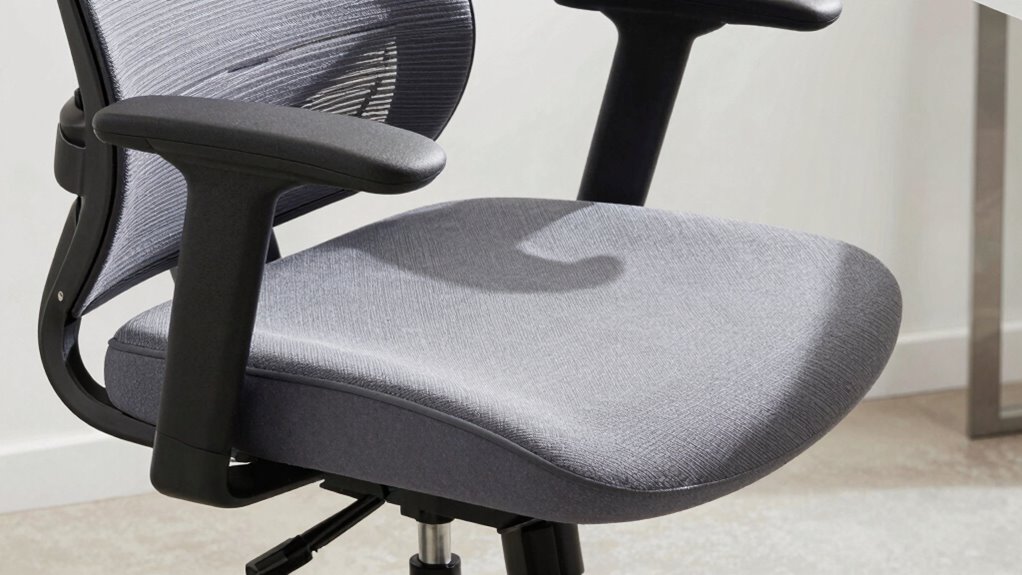
Adjusting and combining seat tilt settings can particularly improve your comfort and support throughout the day. To maximize ergonomic benefits, start by experimenting with small adjustments using simple adjustment techniques. For example, tilt the seat forward slightly to reduce pressure on your thighs and promote better circulation, then fine-tune the angle to support your lower back. Use the adjustment lever or knob to find the position that keeps your hips aligned with your knees. Remember, combining slight forward tilt with a flat or slightly reclined back can help distribute your weight evenly. Incorporating proper posture awareness into your adjustments can further enhance your seating comfort and prevent strain. Paying attention to ergonomic principles can guide you toward the most comfortable and supportive seat settings. Additionally, understanding how different tilt angles influence spinal alignment can help you make more informed adjustments. Consistently adjusting the seat tilt based on your activity and posture ensures sustained comfort and reduces fatigue. Regularly reviewing your seating position can help maintain ergonomic health over time. Properly tailored seat tilt settings promote spinal alignment and overall ergonomic health.
Frequently Asked Questions
Are There Specific Health Conditions That Benefit Most From Seat Tilt Adjustments?
If you have spinal alignment issues or limited hip mobility, adjusting your seat tilt can really help. Forward tilt encourages better hip flexion and reduces pressure on your lower back, which benefits those with spinal problems. A flat seat is often better for maintaining proper posture if you’re sensitive to strain. By choosing the right tilt, you support your overall comfort and health, especially if you deal with specific musculoskeletal conditions.
Can Seat Pan Tilt Prevent Long-Term Back Pain or Discomfort?
Yes, adjusting your seat pan tilt can help prevent long-term back pain or discomfort. By optimizing lumbar support and pressure distribution, a forward tilt encourages better posture, reducing strain on your lower back. It alleviates pressure points and promotes proper spinal alignment, which minimizes the risk of chronic pain. Regularly customizing your seat tilt guarantees comfort and supports spinal health during prolonged sitting sessions.
How Does Seat Tilt Impact Circulation During Prolonged Sitting?
You’ll notice that adjusting the seat tilt improves blood circulation by reducing pressure points and promoting better blood flow in your legs. When you tilt the seat forward, it helps relieve pressure on your thighs and lower back, easing circulation issues during long periods of sitting. This pressure relief prevents numbness and discomfort, keeping you more comfortable and focused throughout your workday.
Are There Ergonomic Standards or Guidelines for Seat Pan Tilt Angles?
You’d think ergonomic standards would be crystal clear, but seat angle guidelines often leave you guessing. While some guidelines suggest a slight forward tilt for better circulation and comfort, others recommend a flat position for stability. Luckily, no strict rules force you into one. Instead, focus on adjusting your seat to suit your body, ensuring support and circulation, all within the flexible range of ergonomic standards.
What Are the Latest Innovations in Seat Pan Tilt Technology?
You’ll find that the latest innovations in seat pan tilt technology include smart seats with ergonomic design that adapt to your movements. These seats use sensors to automatically adjust tilt angles for ideal comfort and posture support, reducing fatigue. Some models even allow manual customization via intuitive controls. This smart seat technology enhances ergonomic benefits, ensuring your workspace promotes better health and productivity by dynamically supporting your seating position throughout the day.
Conclusion
Choosing the right seat pan tilt is like tuning a musical instrument—you want harmony and comfort. Whether you tilt forward to energize your posture or keep it flat for stability, each setting plays its part in your comfort symphony. Experiment with adjustments like a painter mixing colors, and find what feels right. When you customize your seat tilt, you’re crafting a throne that supports your body’s rhythm, turning every sitting session into a smooth, comfortable dance.