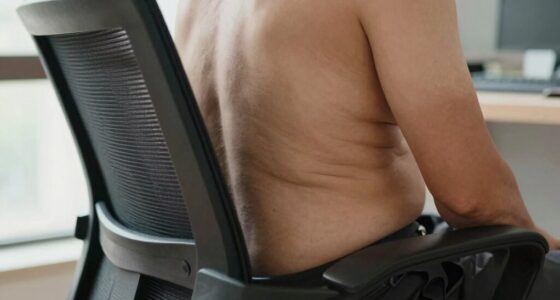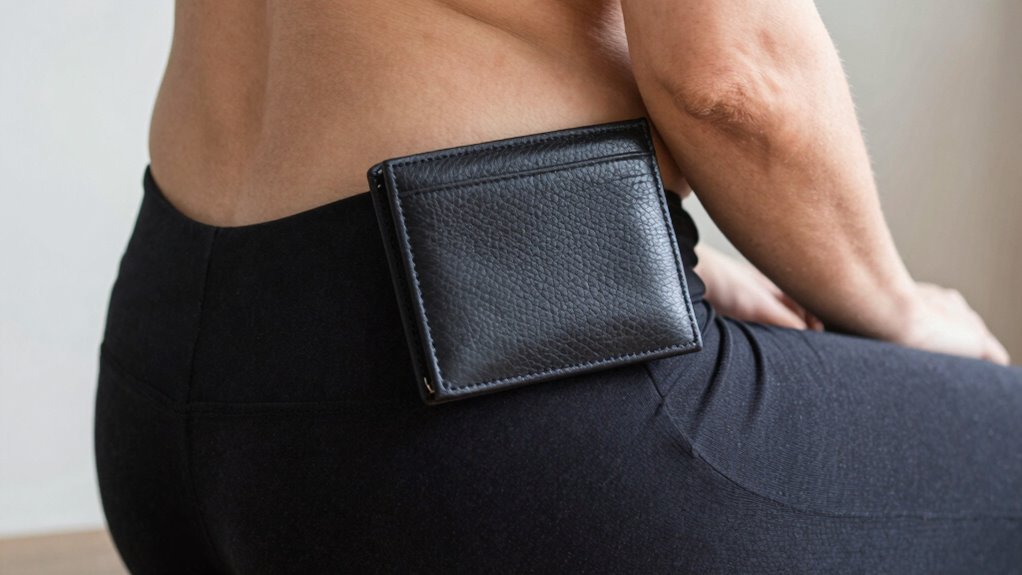
Sitting on a wallet shifts your pelvis out of alignment, leading to uneven pressure and long-term posture issues. This habit can cause pelvic tilts, misaligned hips, and discomfort in your lower back and hips. To protect your pelvis, avoid keeping bulky wallets in your back pocket and opt for slim wallets in your front pocket or alternative carriers. Keep going to discover simple tips to correct these habits and maintain proper pelvic health.
Key Takeaways
- Sitting on a wallet causes pelvic misalignment by unevenly pressing on one side, disrupting natural pelvic position.
- Prolonged wallet sitting can lead to muscle strain, imbalance, and long-term posture issues.
- Switch to front-pocket wallets or use support accessories to maintain pelvic symmetry and proper posture.
- Recognize signs like hip pain and uneven wear to identify if wallet sitting is impacting your pelvis.
- Incorporate core exercises and ergonomic habits to correct pelvic tilt and prevent long-term pelvic instability.
Why Sitting on a Wallet Can Harm Your Pelvic Alignment
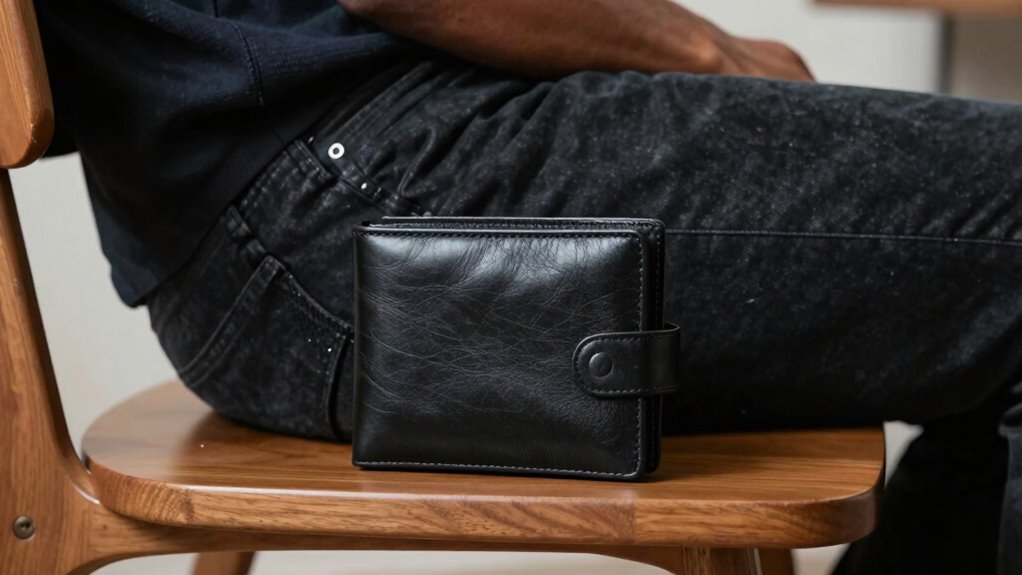
Sitting on a wallet may seem harmless, but it can actually disrupt your pelvic alignment over time. Wallet discomfort often leads you to favor one side, causing uneven pressure on your hips and pelvis. This imbalance can gradually result in pelvic misalignment, affecting your posture and causing muscle strain. When you sit on a bulky wallet, it pushes your pelvis out of its natural position, pulling your spine slightly askew. Over days and weeks, this misalignment can lead to discomfort and even chronic pain. The uneven weight distribution from wallet discomfort forces your pelvis to adapt unnaturally, which may impact your lower back and hips. Incorporating ergonomic considerations, such as choosing a well-designed wallet, can help prevent these issues. Addressing wallet discomfort by choosing a slimmer wallet can help maintain proper pelvic alignment and prevent long-term issues. Additionally, being aware of ergonomic posture during daily activities can further support pelvic health and overall comfort. Paying attention to postural habits can also mitigate the negative effects of prolonged sitting and wallet use. Moreover, paying attention to natural body alignment can promote better overall posture and reduce strain. Recognizing the importance of spinal health in daily routines can further contribute to long-term wellbeing.
How to Recognize the Signs of Wallet-Related Pelvic Misalignment
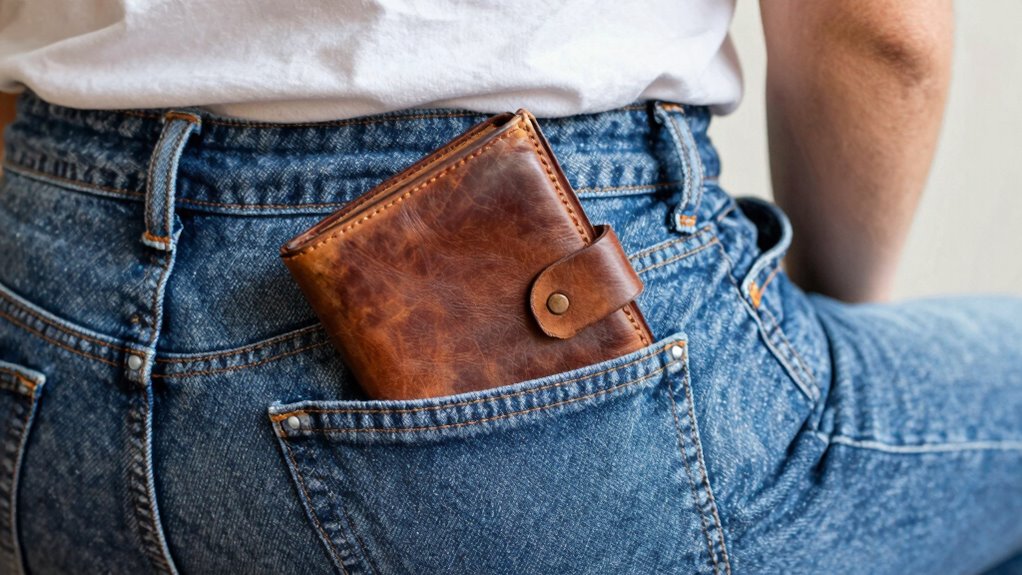
You might notice your sitting posture is uneven or uncomfortable after sitting with a wallet in your back pocket. Persistent hip pain or a feeling of imbalance could also be signs your pelvis is misaligned. Keep an eye out for an uneven pelvic tilt, which often results from prolonged wallet use.
Asymmetrical Sitting Posture
When you habitually sit with a wallet in your back pocket, it can cause your pelvis to shift out of alignment, leading to an asymmetrical sitting posture. You might notice wallet discomfort or uneven wear on your pants. Signs of misalignment include leaning to one side, hip imbalance, or a tilted pelvis. To spot asymmetrical sitting, observe if one side feels more strained or if your hips seem uneven when standing. Here’s a quick guide:
| Symptom | What to Look For | Possible Cause |
|---|---|---|
| Hip discomfort | One hip feels tighter or sore | Wallet in one pocket |
| Postural imbalance | Leaning to one side | Pelvic misalignment |
| Uneven wear on clothing | Pants uneven or wrinkled | Asymmetrical sitting |
| Shoulder tilt | One shoulder higher | Pelvic imbalance |
| Back tension | One side more tense | Wallet-related misalignment |
Recognizing these signs helps with posture correction. Additionally, proper ergonomics can help prevent ongoing misalignment issues.
Persistent Hip Pain
Persistent hip pain is a common sign that your pelvis may be misaligned due to habitual wallet carrying. When you consistently sit with a wallet in your back pocket, it disrupts wallet ergonomics, causing uneven pressure that shifts your pelvis out of alignment. Over time, this imbalance can lead to persistent discomfort or sharp pain in your hips. Recognizing these symptoms early is key to preventing further issues. If your hip pain worsens after sitting or standing for extended periods, it may indicate a need for hip realignment. Addressing wallet-related pelvic misalignment involves adjusting how you carry your wallet and improving your sitting posture. Correct wallet ergonomics reduces strain, helping restore proper pelvic alignment and alleviating ongoing hip pain. Being aware of pelvic misalignment and its effects is crucial for maintaining overall musculoskeletal health. Additionally, incorporating mindful habits and ergonomic adjustments can support long-term posture health and prevent recurring pain.
Uneven Pelvic Tilt
How can you tell if your pelvis is tilted unevenly due to wallet habits? Look for signs of pelvic imbalance, such as one hip sitting higher than the other or uneven waistlines. Your wallet positioning plays a big role—if you consistently keep your wallet in one pocket, it can cause an asymmetric pelvic tilt over time. Notice if one side of your pelvis feels tighter or more strained, or if your hips seem misaligned when standing or lying down. You might experience uneven leg lengths or discomfort in your lower back. These are clear indicators of an uneven pelvic tilt caused by wallet-related pelvic imbalance. Recognizing these signs helps you address the issue before it worsens and affects your overall posture. Additionally, postural habits can contribute to or exacerbate pelvic misalignment, so being mindful of how you carry your wallet and maintain good posture is essential. Paying attention to muscle imbalances can also help prevent further misalignment and improve your overall pelvic health. Incorporating targeted exercises for pelvic stability can further aid in correcting and maintaining proper alignment.
How Wallet Positioning Affects Your Posture and Comfort
The way you position your wallet can considerably influence your posture and overall comfort. When you keep your wallet in your back pocket, it often causes uneven sitting habits that strain your pelvis and spine. This imbalance can lead to discomfort and long-term issues. Using ergonomic accessories, like a front pocket wallet or a wallet holder, can help distribute weight evenly and promote better posture. Being mindful of how piercings are cared for and healed can also prevent discomfort or irritation that might affect your overall comfort while sitting. To improve your sitting habits, consider: – Switching to front pocket or bag storage – Avoiding wallet sitting for extended periods – Incorporating ergonomic accessories for support – Being mindful of how wallet placement affects your pelvis alignment Making these small adjustments can prevent discomfort and support healthier sitting habits, ultimately enhancing your overall comfort. Additionally, understanding the impact of sitting posture on your health can motivate you to adopt better habits. Maintaining proper pelvic alignment is essential for long-term spinal health and preventing chronic pain. Paying attention to postural habits throughout the day can further reinforce these positive changes. Recognizing how sitting habits influence your musculoskeletal health can encourage more mindful sitting practices.
What Long-Term Postural Problems Can Come From Wallet Sitting
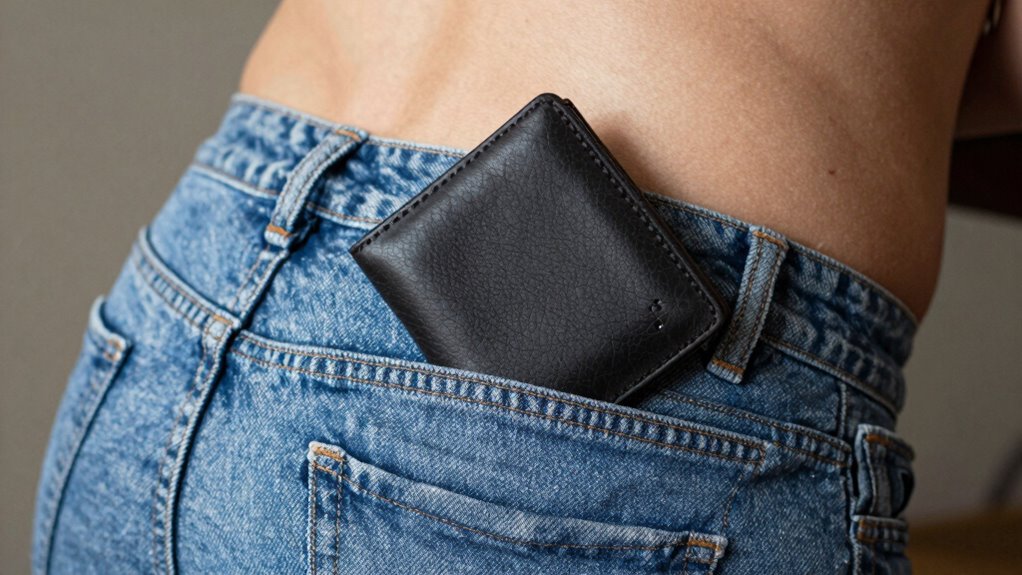
Sitting on a wallet regularly can lead to significant long-term postural problems, especially if you don’t address the habit early. One common issue is hip asymmetry, where one hip becomes higher or tighter than the other, disrupting your natural alignment. Over time, this can cause pelvis imbalance, leading to uneven weight distribution and strain on your lower back and hips. These imbalances may result in chronic discomfort, limited mobility, and increased risk of joint wear and tear. If left unchecked, wallet sitting can also cause compensatory postures that affect your entire spine, making you more prone to pain and postural dysfunction. Recognizing these risks early can help you take steps to correct your habits and prevent long-term postural issues. Additionally, natural light in your environment can influence muscle health and posture by promoting better circadian rhythms and reducing tension. Incorporating proper ergonomic habits can further support spinal alignment and overall well-being, emphasizing the importance of posture awareness in maintaining long-term health. Moreover, paying attention to indoor air quality can contribute to overall comfort and reduce muscle tension caused by environmental factors, as muscle tension can be exacerbated by environmental stressors.
How to Break the Wallet-Sitting Habit and Protect Your Pelvis
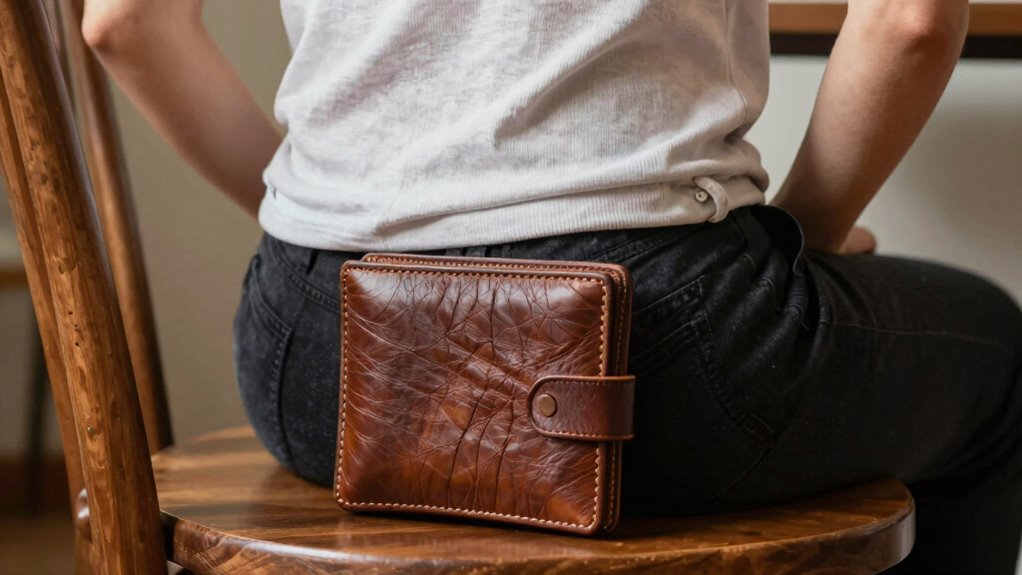
To break the wallet-sitting habit, start by recognizing when you tend to sit on your wallet and make a conscious effort to change. Practice proper sitting posture by keeping your pelvis aligned and avoiding leaning to one side. Incorporate pelvic exercises into your routine to strengthen muscles and support better sitting habits. Additionally, being mindful of regional flavor insights and choosing ergonomic accessories can further promote healthy sitting practices. Incorporating awareness of pelvic health and its importance can motivate better habits and prevent discomfort. Consider also exploring aquatic exercise as a gentle way to improve pelvic strength without placing undue stress on your body. Being aware of ergonomic accessories can help you select supportive options that prevent wallet-sitting and promote pelvic well-being. Maintaining awareness of legal and professional considerations can help you navigate any health-related legal concerns that may arise.
Recognize the Habit Pattern
Have you ever caught yourself habitually sitting on your wallet without realizing it? Recognizing this pattern is key to habit awareness. Once you notice when and why you sit this way, it becomes easier to correct it. Pay attention to cues like discomfort, imbalance, or a tendency to shift your weight unconsciously.
- Notice if you tend to lean to one side consistently
- Observe if your wallet placement triggers the habit
- Identify times when you sit longer in this position
- Recognize how your body feels afterward
Awareness is the first step to posture correction. By understanding your habits, you can consciously change your sitting pattern, protecting your pelvis and preventing long-term issues. Small changes start with recognizing the habit.
Practice Proper Sitting Posture
Once you become aware of your habitual wallet-sitting pattern, the next step is to adopt proper sitting posture to prevent strain and protect your pelvis. Sit with your back straight and shoulders relaxed, keeping your hips aligned with your knees. Avoid leaning to one side or constantly shifting your wallet from pocket to pocket, as this disrupts your natural posture. Pay attention to how wallet materials, whether leather, fabric, or synthetic, influence your comfort—thicker wallets may encourage slouching or uneven sitting. Staying mindful of fashion trends that promote slim, minimalist wallets can help reduce the tendency to sit unevenly. Incorporating ergonomic sitting techniques can further enhance your posture and pelvic health. Consistently practicing good posture supports pelvic health and helps you break the wallet-sitting habit for long-term comfort.
Incorporate Pelvic Exercises
How can you effectively break the wallet-sitting habit and protect your pelvis? Incorporating pelvic exercises is key. These exercises improve hip mobility and support lumbar health, reducing strain from poor sitting habits. Consistently practicing targeted movements can realign your pelvis and strengthen core muscles.
Consider adding these to your routine:
- Hip bridges to activate glutes and enhance hip mobility
- Pelvic tilts to promote lumbar health and flexibility
- Clamshells for hip stability and joint strength
- Dead bugs to engage core and support pelvic alignment
These exercises help counteract the effects of wallet sitting, restoring balance and reducing pressure on your pelvis. Regular practice can make a significant difference in preventing long-term discomfort and maintaining healthy posture.
Best Ways to Carry Your Wallet Without Disrupting Your Posture
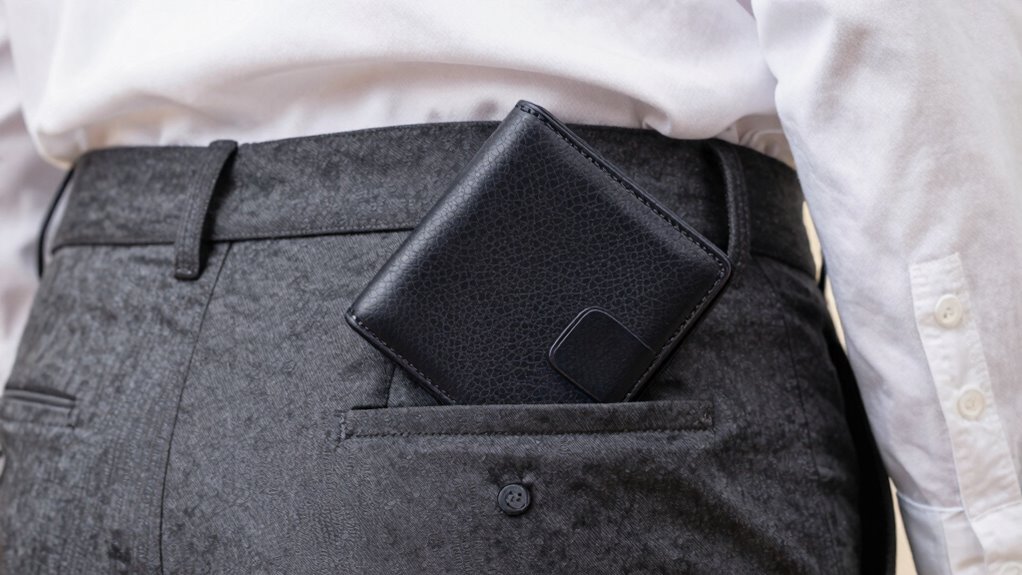
Carrying your wallet in a way that doesn’t compromise your posture is essential for long-term comfort and spinal health. To improve wallet safety and support posture correction, switch to a front pocket or a slim cardholder. This reduces uneven pressure on your hips and pelvis, preventing pelvic tilts. If you prefer a bag, opt for a backpack or shoulder bag that distributes weight evenly. Keep weight light and avoid carrying multiple items.
| Wallet Placement | Benefits |
|---|---|
| Front pocket | Maintains symmetry, reduces strain |
| Backpack or shoulder bag | Distributes weight for better posture |
| Slim wallet | Less bulky, minimizes imbalance |
Exercises and Stretches to Fix Wallet-Induced Pelvic Imbalances
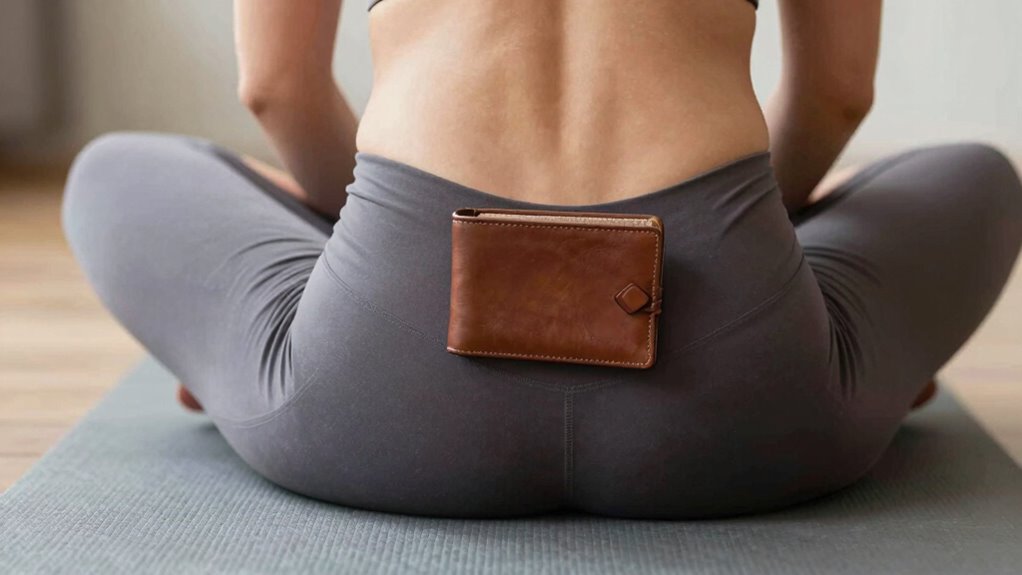
To correct pelvic imbalances caused by sitting on a wallet, incorporating specific exercises and stretches can be highly effective. Hip flexor stretches, pelvic alignment exercises, and core strengthening moves target the root issues and restore balance. Consistently practicing these routines helps alleviate discomfort and improves your posture.
Hip Flexor Stretches
Sitting on a wallet regularly can cause tightness and imbalance in your hip flexors, leading to discomfort and postural issues. To improve hip flexor flexibility and enhance pelvic mobility, incorporate targeted stretches into your routine. These stretches help release tension and restore proper movement patterns. Focus on gentle, sustained holds to lengthen tight muscles without strain. Consistency is key to undoing the effects of wallet-induced tightness. Remember, improving flexibility isn’t just about stretching; it’s about restoring balance to support your pelvis and overall posture. Incorporate these stretches daily for best results. By doing so, you’ll reduce discomfort, improve movement, and prevent future imbalances caused by prolonged sitting on a wallet. Small, intentional efforts lead to lasting change in your pelvic health.
Pelvic Alignment Exercises
When addressing wallet-induced pelvic imbalances, targeted exercises can realign your pelvis and restore proper posture. Focus on movements that improve hip mobility and enhance pelvic stability. Hip circles, for example, loosen tight muscles and increase flexibility, helping to balance uneven pelvic tilt. Bridge exercises activate your glutes and strengthen the posterior pelvic muscles, supporting stability. Pelvic tilts are effective for gently mobilizing the pelvis and correcting misalignments caused by sitting unevenly. Incorporate side-lying leg lifts to engage hip abductors, promoting symmetrical strength. Consistently practicing these exercises helps reset your pelvic position, reducing strain and discomfort. By improving hip mobility and pelvic stability, you create a solid foundation that prevents future imbalances from wallet-related postures.
Core Strengthening Moves
Strengthening your core is essential for correcting wallet-induced pelvic imbalances because a stable core supports proper pelvis alignment and reduces strain. When your core is strong, it helps counteract the habits that lead to uneven hips, especially if you’ve had a hip replacement or are recovering from pregnancy posture issues. Focus on exercises that target deep abdominal muscles, like planks or bird-dogs, to build resilience and stability. Incorporate stretches that improve flexibility, such as hip openers, to complement your strengthening routine. Remember, a balanced core can alleviate chronic pain and prevent further imbalance. Consistency is key; small, daily moves make a significant difference in re-aligning your pelvis and supporting overall posture. Stay mindful of your body’s signals as you progress.
Choosing Wallets and Carriers That Support Good Posture
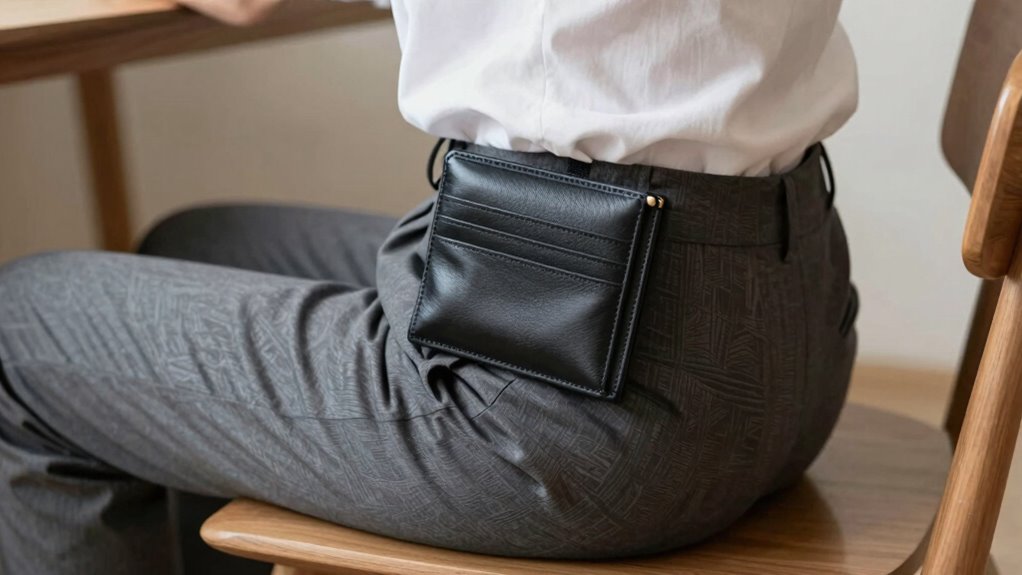
Choosing the right wallet or carrier plays a crucial role in maintaining good posture throughout the day. Proper wallet ergonomics helps prevent uneven weight distribution that can strain your pelvis and lower back. Opt for slim wallets that fit comfortably in your front pocket or a crossbody bag that distributes weight evenly across your shoulders. When selecting a wallet or carrier, prioritize posture awareness—avoid bulky designs or carrying items in your back pocket, which can cause pelvis tilting. Regularly check how you’re holding or carrying your wallet, ensuring it doesn’t pull your hips out of alignment. By making mindful choices, you support your pelvis’s natural position and reduce strain, promoting better posture and overall comfort during your daily activities.
When to Seek Professional Help for Posture or Pelvic Issues
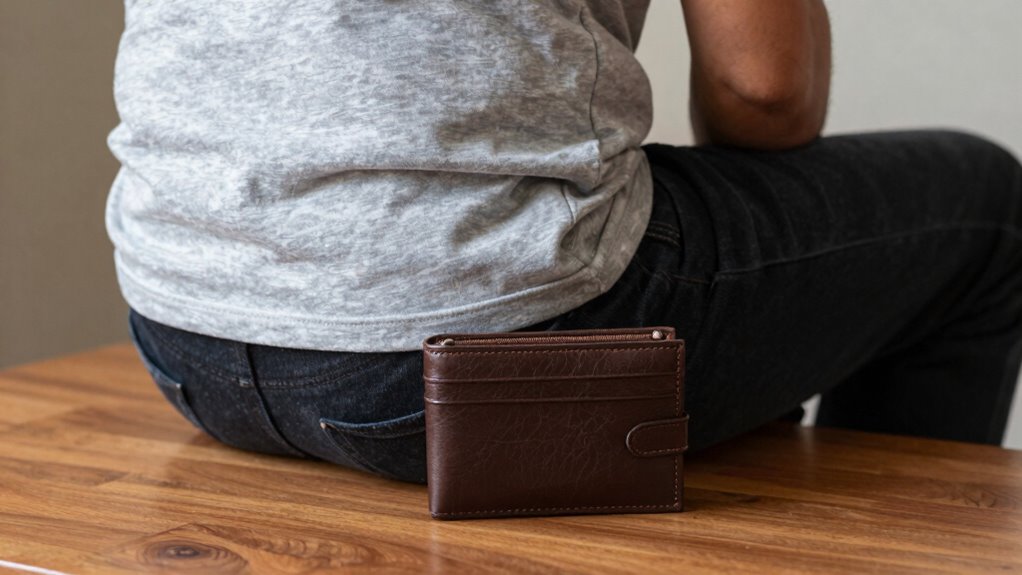
If you notice persistent pain, discomfort, or imbalance in your posture or pelvis, it’s time to consult a professional. Paying attention to posture awareness and pelvic stability is vital for long-term health. Don’t ignore signs like persistent soreness, limited mobility, or uneven wear in your hips or back. A specialist can assess your alignment and identify underlying issues.
Persistent pain or imbalance in your pelvis? Consult a professional to assess and correct underlying issues for better long-term health.
Consider seeking help if:
- You experience ongoing pain that worsens with activity
- You notice a visible tilt or asymmetry
- Your pelvic stability feels compromised or unstable
- You’ve tried self-corrections without improvement
Professional guidance can help correct misalignments, improve posture awareness, and restore pelvic stability, preventing long-term damage. Addressing issues early leads to better outcomes and healthier movement habits.
Tips for Maintaining Good Posture and Preventing Wallet-Related Problems
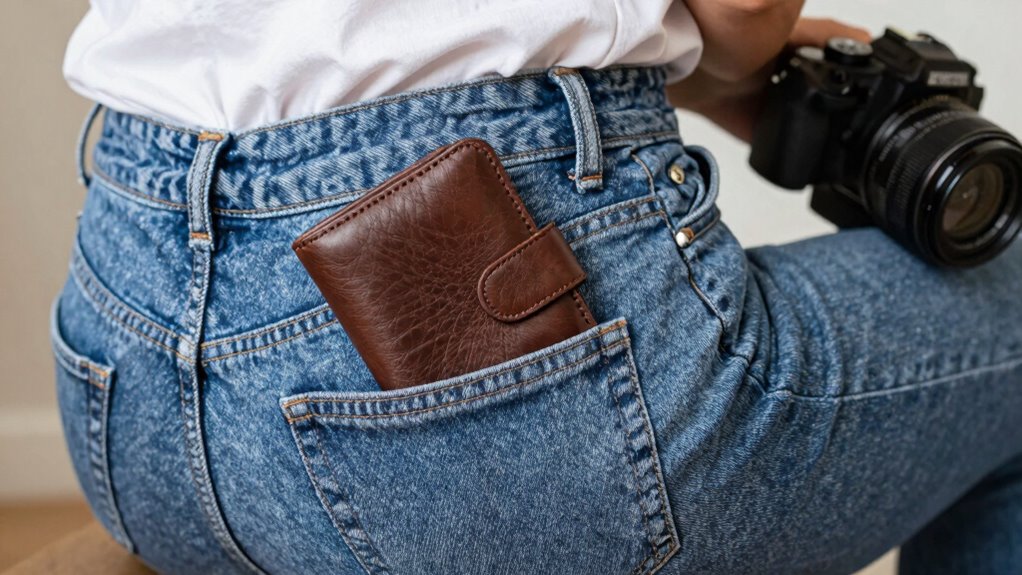
Maintaining good posture plays a key role in preventing wallet-related problems and ensuring overall pelvic health. Focus on wallet ergonomics by choosing a slim wallet that fits comfortably in your pocket without causing pressure. Avoid sitting on your wallet for extended periods; instead, switch sitting habits by regularly changing positions and using both sides of your hips. When seated, keep your hips, knees, and ankles at 90-degree angles and sit upright with your shoulders relaxed. Practice mindful sitting by periodically checking your posture and adjusting as needed. These habits reduce strain on your pelvis and lower back, preventing misalignment and discomfort. Consistently applying these tips helps protect your pelvic health and minimizes the risk of wallet-related issues.
Frequently Asked Questions
Can Wallet Sitting Cause Chronic Lower Back Pain?
Yes, sitting on a wallet can cause chronic lower back pain. When you do this, it shifts your pelvis, leading to poor posture and uneven pressure on your hips. Over time, this can reduce your hip flexibility and weaken your core strength, both of which contribute to back pain. To avoid this, practice proper sitting habits, stretch regularly, and strengthen your core muscles for better spinal support.
Are There Specific Signs Indicating Pelvic Misalignment From Wallet Habits?
Yes, signs of pelvic misalignment from wallet habits include uneven hip levels, persistent lower back pain, and discomfort in your hips or pelvis. You might also notice a change in gait or difficulty standing evenly. These symptoms indicate a pelvis imbalance caused by consistently sitting on one side. Addressing this habit and seeking professional help can restore proper alignment, reducing pain and preventing further musculoskeletal issues.
What Types of Wallets Are Safest for Posture?
Think of your wallet as a delicate bridge supporting your posture. Opt for wallets made of soft, flexible materials like leather that mold comfortably to your body. Look for ergonomic designs with slim profiles and multiple compartments to distribute weight evenly. Avoid bulky, stiff wallets that cause imbalance. Choosing the right wallet helps maintain proper pelvis alignment, reducing strain and preventing misalignment caused by poor wallet habits.
How Long Does It Typically Take to See Improvements After Changing Wallet Habits?
You can typically see improvements in your posture correction within a few weeks after changing your wallet habits. Consistently avoiding sitting on your wallet helps realign your pelvis and spine, reducing strain. It may take about 2 to 4 weeks of mindful posture correction to notice significant differences. Stick with the new habits, stay aware of your posture, and you’ll likely experience better pelvic and spinal health over time.
Can Proper Sitting Posture Negate the Effects of Wallet Sitting?
Proper sitting posture can substantially help negate the effects of wallet sitting by improving spinal alignment and promoting better hip flexibility. When you sit correctly, you reduce strain on your pelvis and hips, encouraging healthier movement patterns. Consistently maintaining good posture allows your body to recover from imbalances caused by wallet sitting, ultimately supporting your overall pelvis health and preventing long-term issues.
Conclusion
Don’t let your wallet become a silent thief stealing your posture. Imagine your pelvis as a delicate bridge—when uneven, it wobbles and strains under the weight of bad habits. By being mindful and making small changes, you can restore balance and keep your body singing in harmony. Break free from the wallet trap, and let your posture stand tall like a sturdy tower, supporting you every step of the way.