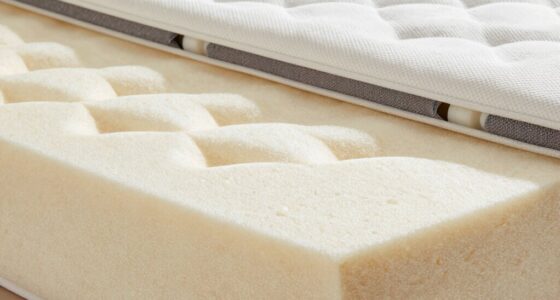

Sleeping on your stomach can cause Morning stiffness by straining your neck and shoulders and disrupting your muscle relaxation and alignment. A simple change, like switching to side or back sleeping with supportive pillows, can substantially reduce muscle tension and discomfort. Adjusting your sleep position improves posture and eases stiffness, helping you wake up feeling better. Keep going to discover more tips that can transform your mornings and long-term comfort.
Key Takeaways
- Switching from stomach to side or back sleeping reduces neck and shoulder strain, alleviating morning muscle stiffness.
- Using supportive pillows and cushions helps maintain proper alignment, preventing the need to sleep on the stomach.
- Adjusting your mattress for better spinal support and comfort promotes relaxed muscles and reduces stiffness.
- Incorporating gentle morning stretches targeting hips, hamstrings, and shoulders can improve mobility and ease stiffness.
- Small sleep position changes combined with ergonomic sleep surfaces can significantly enhance morning comfort and reduce stiffness.
Does Sleeping on Your Stomach Cause Morning Stiffness?

Sleeping on your stomach can sometimes lead to morning stiffness, especially if you wake up feeling sore or achy. Your sleeping posture plays a key role in how your muscles relax during sleep. When you lie on your stomach, it can put strain on your neck and shoulders, making it harder for your muscles to fully relax. This awkward positioning may cause muscle tension to build up overnight. As a result, you might wake up with stiffness or discomfort. Your muscles need proper support and alignment for ideal relaxation. Sleeping on your stomach often prevents this, leading to tighter muscles in the morning. If you want to reduce stiffness, consider adjusting your sleeping posture to promote better muscle relaxation throughout the night. Using supportive pillows can also help maintain proper spinal alignment during sleep. Additionally, choosing a mattress that offers adequate support can further improve sleep quality and reduce morning stiffness. Incorporating gentle stretching exercises before bed may also help relax tense muscles and improve your sleep posture. Being mindful of your sleep environment can further promote restful sleep and muscle relaxation. Moreover, selecting the right sleep surface can make a significant difference in overall comfort and muscle recovery overnight.
How Your Sleep Position Affects Muscle Tension and Discomfort

Your sleep position directly influences muscle tension and discomfort by affecting how your body aligns during rest. Sleeping on your stomach can cause poor posture alignment, straining neck and back muscles, and hindering muscle relaxation. Poor alignment forces some muscles to work harder, leading to stiffness. To understand better, see this comparison:
| Sleep Position | Effect on Muscle Tension | Posture Alignment Impact |
|---|---|---|
| Stomach | Increases strain on neck and back | Often misaligned, causes stiffness |
| Side | Promotes better muscle relaxation | Supports proper posture |
| Back | Maintains natural spine curve | Enhances posture alignment |
Being mindful of your sleep position helps reduce muscle tension and discomfort, making your mornings more comfortable.
Signs That Sleeping on Your Stomach Might Be Making You Stiff

If you wake up feeling stiff and sore, it could be a sign that lying on your stomach is affecting your muscles. Your sleep posture may be preventing proper muscle relaxation, leading to tension and discomfort. Stomach sleeping often causes you to turn your neck and twist your spine, which can strain muscles overnight. You might notice persistent stiffness in your neck, shoulders, or back, especially in the morning. Reduced flexibility and lingering soreness are common indicators that your sleep position isn’t giving your muscles the chance to fully relax. Paying attention to these signs helps you recognize if your sleep posture is contributing to morning stiffness. Incorporating natural sleep aids such as soothing aromas or calming teas, might promote better relaxation. Additionally, choosing the right sleep position can significantly improve your muscle relaxation and overall comfort. Making small adjustments could improve your muscle relaxation and overall comfort, especially if your current position is causing muscle tension.
Easy Ways to Break the Habit of Sleeping on Your Stomach
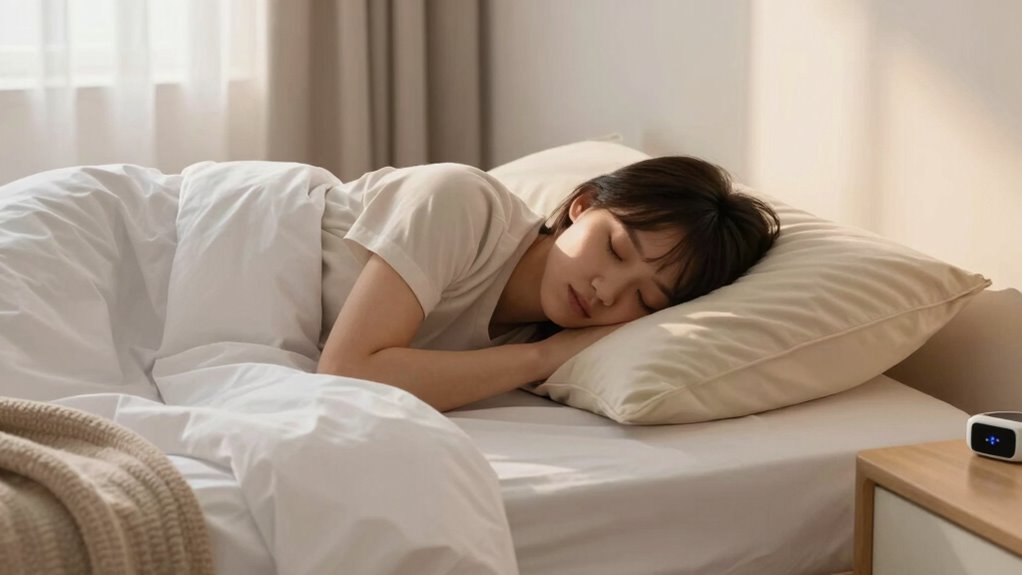
To stop sleeping on your stomach, start using sleep positions correctly by adopting alternatives like side sleeping. You can also employ comfort aids, such as supportive pillows, to make these new positions more comfortable. These simple changes can help you break the habit and improve your sleep quality. Incorporating mindfulness techniques with powerful meanings into your routine can also provide motivation and strength during this transition. Additionally, understanding proper sleep ergonomics can further enhance your comfort and support healthier sleep habits. Paying attention to sleep environment factors, such as mattress firmness and room temperature, can also contribute to better sleep posture and overall well-being. Recognizing body alignment principles can aid in maintaining proper posture throughout the night, reducing stiffness and discomfort.
Use Sleep Positions Correctly
Breaking the habit of sleeping on your stomach can substantially improve your sleep quality and reduce discomfort. To do this, focus on using sleep positions correctly by establishing good sleep hygiene and consistent bedtime routines. When you go to bed, make sure your environment encourages side or back sleeping—use pillows to support these positions and prevent rolling onto your stomach. Avoid caffeine or screens before bed, as they can disrupt your sleep patterns and make it harder to adopt healthier positions. Developing a routine helps your body associate certain habits with restful sleep, making it easier to maintain proper positioning throughout the night. Additionally, understanding the importance of heat buffering techniques can help create a comfortable sleep environment that supports your new sleeping position. Incorporating sleep posture awareness can further reinforce your efforts to stay in healthier positions. Being mindful of your sleep environment and adjusting it to promote comfort can significantly aid in maintaining your desired sleep posture. Practicing mindful adjustments during the night can also help you stay aligned in your preferred position, and adding sleep position training can accelerate your progress in adopting healthier habits. By consciously adjusting your sleep position and maintaining consistent sleep hygiene, you set yourself up for more comfortable, restorative sleep free from morning stiffness.
Employ Comfort Aids Effectively
Using comfort aids can make it easier to shift away from stomach sleeping and adopt healthier positions. Consider a memory foam pillow that provides support without encouraging you to turn onto your stomach. Adjust your mattress firmness to find a balance that keeps your spine aligned; a medium-firm mattress often helps reduce the urge to curl into stomach sleeping. Placing supportive cushions or body pillows can also discourage stomach positions by filling gaps and providing comfort in side or back sleeping. Experiment with these aids to discover what best supports your body, making the changeover smoother. Remember, comfort is key—by investing in the right tools, you’ll naturally adopt healthier sleep habits and reduce morning stiffness. Choosing the right sleep environment can significantly improve your ability to break the habit. Incorporating sleep posture education can further enhance your success in changing sleep habits and alleviating stiffness. Additionally, being mindful of your sleep position throughout the night can help reinforce these new habits and promote better spinal alignment. For example, using a water-cooled mattress pad or dehumidifier can improve overall sleep comfort, making it easier to maintain healthier positions throughout the night. Adding climate control devices can help maintain an optimal sleeping temperature, which supports better sleep quality and posture.
Best Sleep Positions to Reduce Stiffness and Wake Up Feeling Better

Choosing the right sleep surface and pillow can make a big difference in reducing stiffness and waking up refreshed. Using a supportive mattress and a pillow that keeps your neck aligned helps prevent aches and discomfort. Small adjustments here can lead to a more comfortable, restorative sleep experience.
Sleep Surface Optimization
Finding the right sleep surface can considerably reduce stiffness and help you wake up feeling refreshed. Your mattress and bedding play crucial roles in supporting proper alignment and comfort, which enhances sleep hygiene. A well-chosen sleep surface promotes better dream therapy by minimizing disruptions and promoting deeper rest. To enhance your sleep surface, consider these factors:
- Select a mattress that balances firmness and softness for spinal support
- Use breathable, moisture-wicking sheets to maintain ideal temperature
- Incorporate a mattress topper for added pressure relief if needed
- Regularly assess your sleeping surface’s condition for wear and sagging
Investing in a quality sleep surface encourages healthier sleep habits and reduces morning stiffness, making your sleep more restorative and waking up easier.
Pillow Selection Tips
Ever wondered how your pillow can influence your morning stiffness? Choosing the right pillow matters. Opt for a pillow with the right firmness—medium to soft works well for stomach sleepers, supporting your neck without adding strain. The pillow height should be low to prevent your head from tilting upward, which can cause neck tension. Here’s a quick guide:
| Pillow Firmness | Pillow Height |
|---|---|
| Medium to soft | Low or contour pillows |
| Avoid hard | Thick or overly firm |
A pillow that matches your sleeping position reduces pressure points and keeps your spine aligned. When your pillow fits well, you wake up feeling less stiff and more refreshed.
Other Tips to Improve Morning Mobility and Ease Stiffness

To improve your morning mobility and reduce stiffness, incorporating gentle stretching routines can make a significant difference. These routines help loosen tight muscles and enhance circulation, making it easier to move comfortably. Additionally, making diet changes that include anti-inflammatory foods can support joint health and reduce inflammation-related stiffness. Consistency is key; performing stretches daily can yield better results over time.
Consider these tips:
- Incorporate dynamic stretches into your morning routine
- Focus on target areas like hips, hamstrings, and shoulders
- Include foods rich in omega-3s, antioxidants, and fiber
- Maintain proper hydration to keep joints lubricated
Together, these strategies can boost your mobility and help you start each day with less stiffness.
When to Talk to a Professional About Persistent Morning Pain

If you’ve been working on morning stretches and dietary changes but still wake up with persistent pain, it might be time to consult a healthcare professional. A diagnostic evaluation can identify underlying issues causing your discomfort, such as joint or muscle problems. Don’t ignore ongoing pain, especially if it worsens or disrupts your daily activities. A professional can discuss treatment options tailored to your needs, which may include physical therapy, medication, or other interventions. Recognizing when to seek help ensures you don’t delay addressing more serious conditions. Early assessment can lead to more effective management and relief, helping you wake up feeling better and reducing the risk of long-term complications. Trust your instincts—persistent pain warrants expert advice.
Frequently Asked Questions
Can Changing Sleep Positions Improve Overall Joint Health?
Yes, changing your sleep posture can improve overall joint health. By adjusting your sleep position, you help maintain better joint alignment, reducing strain and pressure on your joints. Avoiding stomach sleeping, for example, can prevent misalignment and stiffness. Choosing a side or back sleeping position supports correct joint positioning, which over time, can decrease pain and enhance your joint health, leading to more restful, pain-free mornings.
Are There Specific Pillows That Help Reduce Morning Stiffness?
Think of your pillow as a trusty sidekick in battling morning stiffness. Yes, specific pillows can help! Opt for ergonomic pillows that support your neck and spine, reducing strain. Choose one with the right firmness—not too soft or firm—to keep your head aligned. These tailored pillows minimize muscle tension, helping you wake up refreshed and less stiff. Investing in the right pillow transforms your sleep into a restorative experience.
How Long Does It Take to See Improvements After Changing Sleep Habits?
You’ll likely see improvements within a few days to a week after changing your sleep habits, as your sleep cycle and rest duration adjust. Consistently sleeping in a better position reduces strain on your muscles and joints, leading to less stiffness in the morning. Stay patient and keep your new routine, and you’ll notice increased comfort and decreased stiffness as your body adapts to healthier sleep patterns.
Does Mattress Type Influence Morning Stiffness and Discomfort?
Yes, your mattress type influences morning stiffness and discomfort. A mattress with the right firmness supports your body better, reducing pressure points. Memory foam or latex mattresses, made from quality materials, contour to your shape, easing joint pain. Conversely, too firm or too soft mattresses can cause discomfort. Choosing a mattress with ideal firmness and supportive material helps improve sleep quality and reduces morning stiffness.
Can Nightly Stretching Complement Sleep Position Adjustments?
Did you know that incorporating nightly stretching routines can improve sleep quality for up to 60% of people? You can definitely use stretching routines to complement sleep position adjustments. Stretching relaxes muscles and promotes better sleep hygiene, reducing stiffness and discomfort. When you combine targeted stretches with ideal sleep positions, you’ll wake up feeling more refreshed and less sore, making your mornings more comfortable and energized.
Conclusion
Imagine your muscles are like a garden hose—twist it overnight, and it’s harder for water to flow come morning. Sleeping on your stomach can kink your muscles, causing stiffness and discomfort. But by choosing better sleep positions, you loosen that hose and let your muscles flow freely again. Making this small change can turn your mornings from a stiff, tangled mess into a smooth, refreshed start. Your body will thank you for the gentle shift.