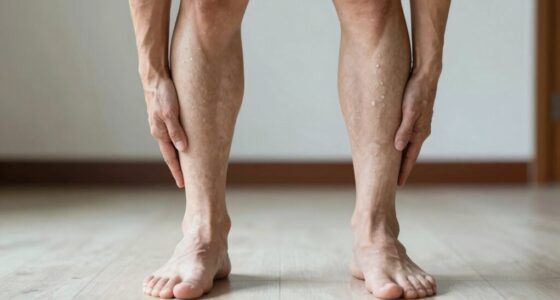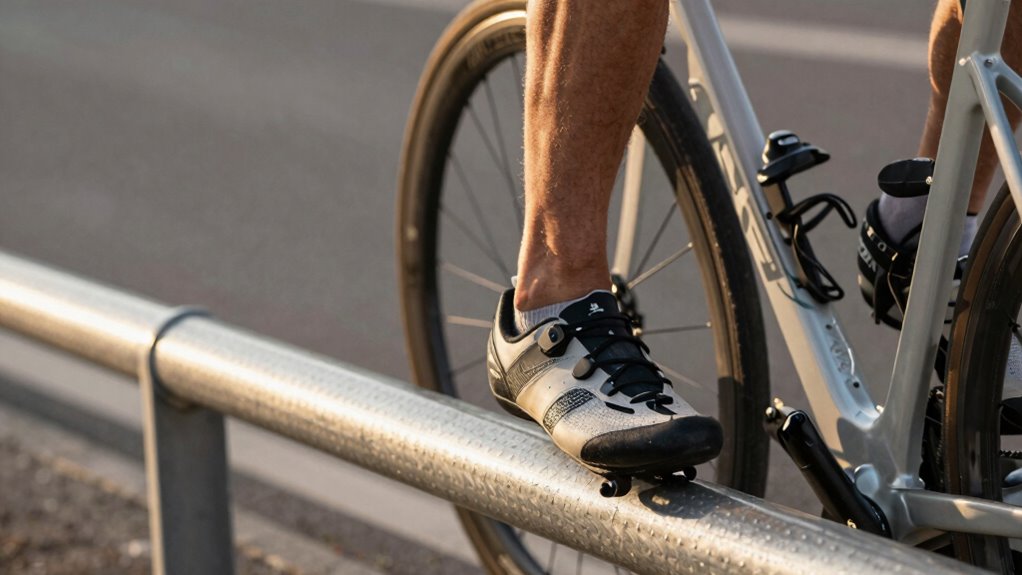

Using a foot rail is a simple trick to support your hips and improve posture while standing for long periods. When properly positioned, it helps distribute your weight evenly, reducing strain and fatigue. Place your feet shoulder-width apart, ensuring the rail is at the right height for your hips to stay comfortable and aligned. Keep your posture mindful and adjust as needed. Keep going, and you’ll discover tips to make this helpful technique even more effective.
Key Takeaways
- Foot rails provide a stable platform to promote proper posture and reduce hip strain during prolonged standing.
- Proper foot placement on the rail helps maintain spinal alignment and balance.
- Adjusting foot rail height so hips are slightly higher than knees supports hip mobility and comfort.
- Even weight distribution across both feet prevents unnecessary tension and fatigue.
- Using foot rails correctly encourages ergonomic standing habits, benefiting overall hip health.
What Are Foot Rails, and How Can They Help Your Hips?
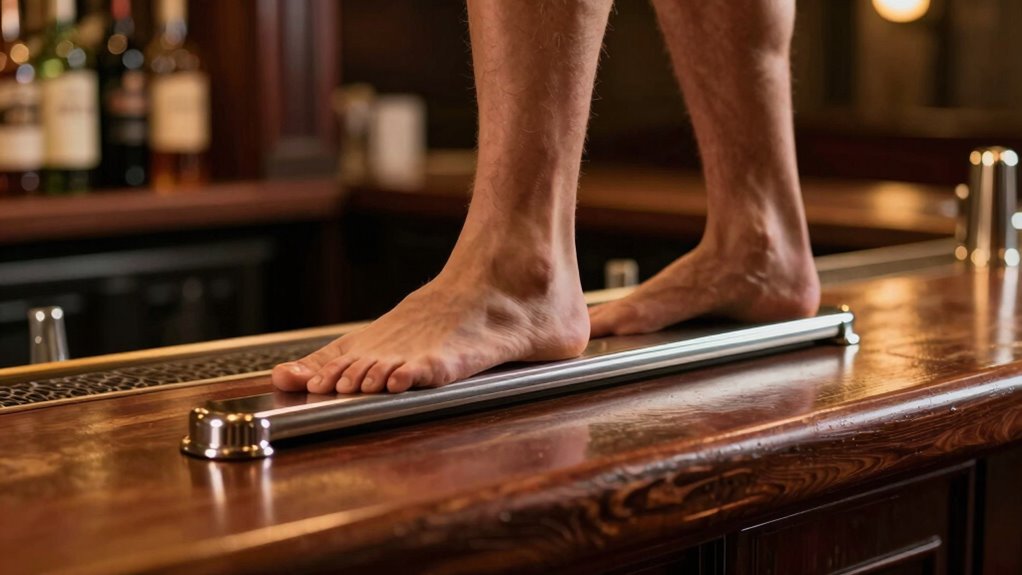
Foot rails are sturdy bars installed along the base of a bar or counter to provide a comfortable resting place for your feet. Their ergonomic design encourages proper posture and reduces fatigue during long periods of standing. By giving your feet a stable platform, foot rails help maintain better alignment and balance. This support can positively influence your hip mobility, preventing stiffness and discomfort caused by prolonged standing or poor posture. When your hips stay in a more natural position, you reduce strain on surrounding muscles and joints. Properly positioned foot rails can also promote correct standing posture, further supporting hip health. Additionally, they can encourage healthy movement patterns that contribute to overall comfort. Using foot rails regularly can also prevent the development of posture-related issues, making them a valuable addition to your standing routine. Incorporating foot rails can make a noticeable difference in how your hips feel and function throughout the day. Moreover, understanding the importance of ergonomic design principles can help you optimize your standing setup for long-term comfort.
How to Set Up Your Foot Rail for Better Posture and Comfort
To improve your posture and comfort, start by placing your feet correctly on the rail. Make sure the rail is at the right height so your feet rest flat without straining your legs. Adjust the setup until your knees are slightly below your hips for the best support. Ensuring proper foot placement can significantly influence overall comfort and spinal alignment during prolonged standing. Additionally, considering the free floating technique in your stance can help maintain balance and reduce fatigue over time. Engaging in mindful posture awareness can further enhance the benefits of your foot rail setup. Practicing ergonomic principles can help you optimize your setup for greater comfort and health. Using properly rated security systems can also provide peace of mind while you focus on maintaining good posture.
Proper Foot Placement
When setting up your foot rail, proper foot placement is essential for maintaining good posture and ensuring comfort during extended periods of standing. Place your feet shoulder-width apart, with your weight evenly distributed. Make certain your shoes have ergonomic footwear support to reduce strain and promote alignment. Position your feet so that your hips are relaxed and not twisted or sagging. Incorporate hip mobility exercises into your routine to improve flexibility, making it easier to find a natural stance. Keep your knees slightly bent and avoid locking them to prevent stiffness. Your foot rail should support your feet comfortably, helping you maintain a neutral spine. Proper foot placement reduces fatigue and helps sustain better posture throughout your work or activity. Additionally, ensuring your home environment minimizes noise distractions can improve focus and comfort during long standing sessions. Being mindful of connected fitness technology can also help you track your posture and movement patterns, further supporting ergonomic habits. Paying attention to ergonomic principles can enhance your overall standing experience and prevent discomfort. For example, adjustable foot rails can accommodate different heights and preferences, making ergonomic setup more customizable and effective. Using ergonomic accessories like cushioned mats or footrests can also contribute to a more comfortable standing posture and reduce pressure on your legs and back.
Optimal Rail Height
Setting the right height for your foot rail can make a significant difference in maintaining good posture and comfort during extended periods of standing. To achieve this, focus on ergonomic design and safety considerations:
- Position the rail so your hips are slightly higher than your knees, promoting natural alignment.
- Ensure it’s low enough to allow your feet to rest comfortably without strain.
- Verify the height supports your lower back, reducing fatigue.
- Check for stability and smooth edges to prevent accidents and enhance safety.
- Consider proper storage and security to keep the rail stable over time and prevent accidents.
- Incorporate environmentally friendly materials and sustainable design principles to reduce environmental impact and promote eco-conscious choices.
- Understanding ergonomic principles can help you select the optimal height and design for long-term comfort.
Adjust the rail as needed, keeping these points in mind. Proper height reduces pressure on your hips and lower back, helping you stand longer with less discomfort. Remember, an ergonomic design isn’t just about comfort—it’s about safety too.
How Foot Rail Positioning Can Reduce Hip Strain and Improve Balance
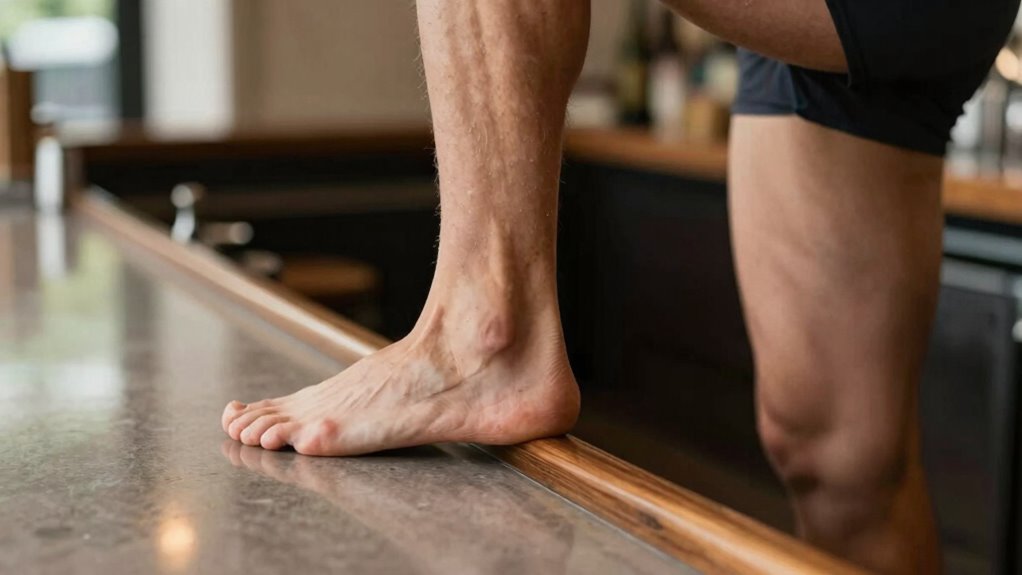
Proper foot placement on the foot rail helps you maintain a natural posture, reducing unnecessary hip strain. When your feet are correctly positioned, your balance improves, making it easier to stay steady. Focusing on these details can make a noticeable difference in comfort and stability. Additionally, incorporating vehicle accessories such as foot rails can enhance your overall driving ergonomics. Using simple techniques like foam rolling to improve your recovery and HRV can also support better posture and movement patterns over time. Recognizing the vintage audio/vinyl revival movement can inspire appreciation for classic design elements that promote comfort and stability in everyday settings. Staying informed about emerging sports tech trends can also provide innovative solutions for movement and health optimization.
Proper Foot Placement
Correct foot placement on the foot rail is essential for reducing hip strain and maintaining better balance. To optimize your stance, focus on these key points:
- Keep your feet hip-width apart for stability and even weight distribution.
- Place your weight slightly forward, engaging your core and preventing hip overextension.
- Use ergonomic footwear with supportive soles to minimize discomfort and improve alignment.
- Incorporate hip mobility exercises regularly to enhance flexibility and ease movement on the foot rail. Maintaining proper posture can further support your overall stability and reduce strain during standing activities, especially when consistent postural alignment is practiced.
Maintaining Natural Posture
Maintaining a natural posture while using the foot rail helps reduce hip strain and enhances your overall balance. To do this, ensure your foot placement aligns with your body’s ergonomic design, supporting proper hip flexibility. Keep your hips squared and avoid leaning too far forward or backward, which can cause unnecessary tension. A well-designed foot rail encourages you to distribute your weight evenly, preventing strain on your hips. Regularly check your stance to stay aligned, and adjust your foot position as needed. This approach promotes a comfortable, balanced stance, minimizing discomfort and fatigue. Additionally, understanding cable safety tips can help prevent hazards related to heat buildup or toxic fumes in certain environments. Being aware of ergonomic principles can further optimize your posture and reduce the risk of injury. Incorporating proper footwear can also enhance your stance and support your hips during prolonged standing. Moreover, practicing postural awareness can help you maintain correct alignment throughout the day. Focusing on ergonomic alignment is essential for long-term hip health and overall comfort. By prioritizing natural posture and leveraging ergonomic design, you can improve stability and protect your hips during prolonged standing.
Daily Tips to Use Foot Rails for Hip Relief
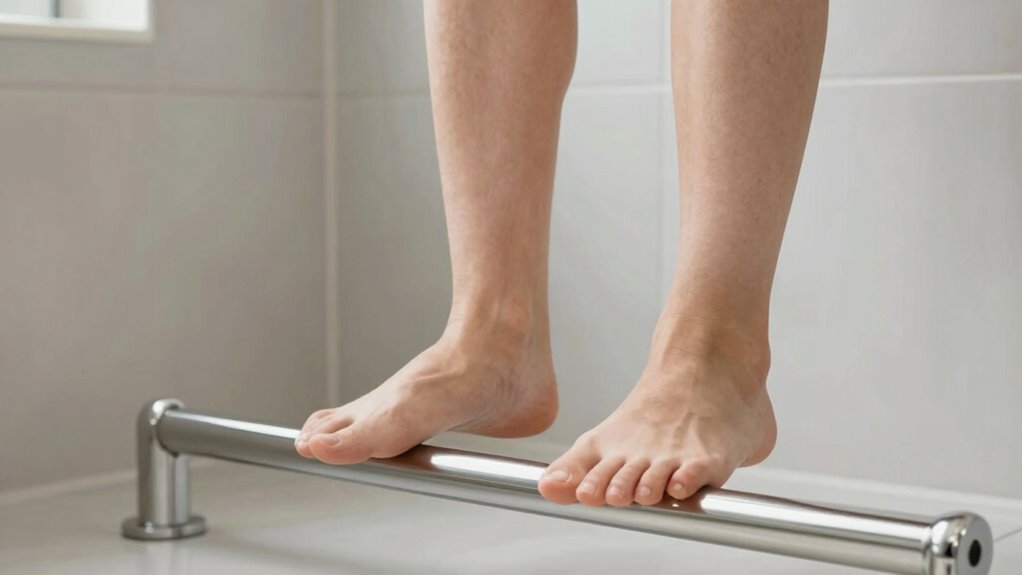
Using foot rails regularly can considerably ease hip discomfort, especially if you incorporate a few simple daily habits. To maximize benefits, try these tips:
- Stretch your ankle flexibility daily by gently moving your ankles in circles while using the foot rail, promoting better mobility.
- Distribute your weight evenly across your foot arch, avoiding pressure on your heel or toes, which helps reduce strain.
- Switch feet regularly to prevent overuse and maintain balanced muscle engagement.
- Maintain proper posture by keeping your hips aligned with your shoulders and knees, ensuring your foot arch supports your stance.
Implementing these habits helps reduce tension and promotes hip relief through mindful foot rail use, making your standing routine more comfortable.
What Are Common Mistakes When Using Foot Rails?
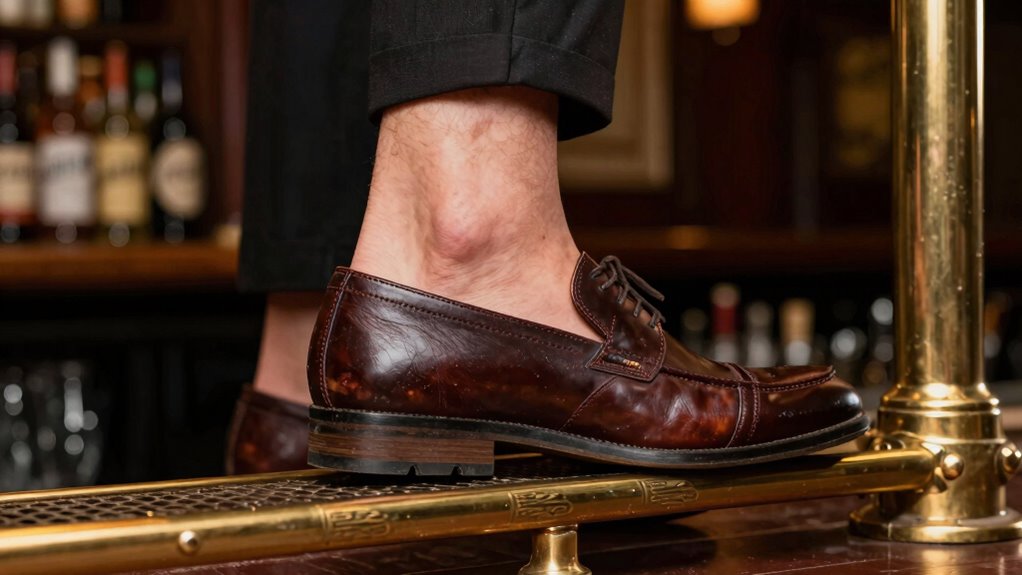
One common mistake when using foot rails is shifting your weight unevenly, which can cause unnecessary strain on your hips and legs. Incorrect positioning often leads you to lean too far forward or backward, reducing the rail’s effectiveness. Additionally, using a foot rail at an improper height can make it uncomfortable or ineffective; if it’s too low, your hips won’t get proper support, and if it’s too high, it may cause awkward postures. You might also neglect to keep both feet firmly planted, leading to imbalance. Always ensure your feet are positioned correctly, and the rail is at a comfortable, supportive height. Avoid these mistakes to maximize hip relief and maintain proper posture while using foot rails.
What to Do If Foot Rails Don’t Relieve Your Hip Pain?
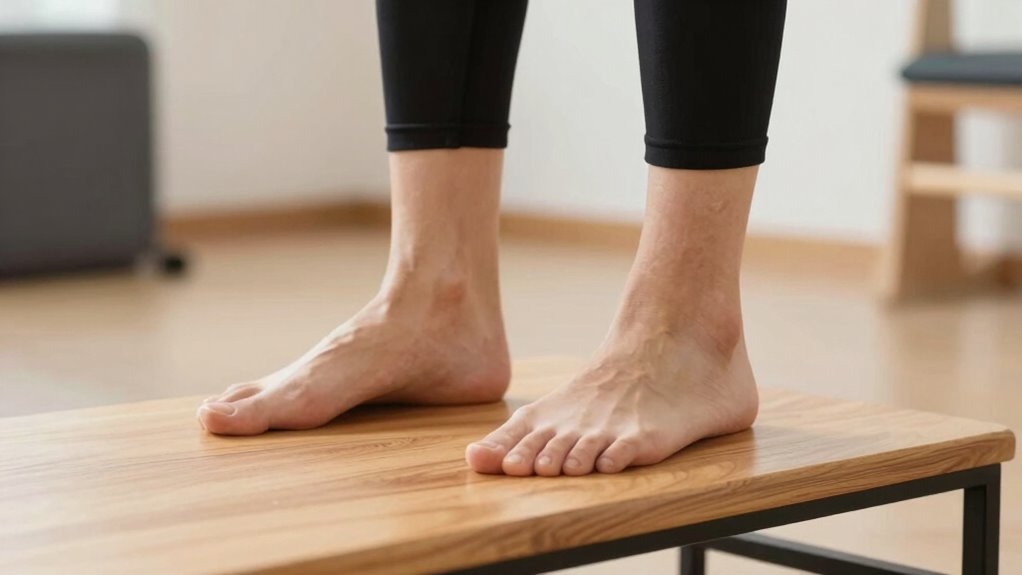
If foot rails aren’t easing your hip pain, it’s important to reassess your approach. First, focus on improving ankle mobility, since limited ankle movement can affect your hip alignment. Second, incorporate regular foot stretching exercises to loosen tight muscles that may be contributing to discomfort. Third, consider adjusting your stance on the foot rail, ensuring your weight is evenly distributed. finally, consult a healthcare professional if pain persists; they can evaluate underlying issues and recommend targeted therapies. Remember, foot rails are just one tool, and addressing ankle mobility and foot flexibility can make a significant difference in relieving hip pain. Taking these steps can help you get the most benefit from your standing routine.
Frequently Asked Questions
Can Foot Rails Prevent Long-Term Hip Issues?
Yes, foot rails can prevent long-term hip issues by encouraging an ergonomic posture. When you use a foot rail, you shift your weight evenly, which promotes better hip mobility and reduces strain. This simple trick helps you stand comfortably for extended periods, preventing stiffness and pain. Incorporating a foot rail into your workspace supports healthier hips and encourages proper alignment, ultimately safeguarding against future hip problems.
Are Foot Rails Suitable for All Ages and Body Types?
Think of foot rails as the Swiss Army knives of ergonomic design—they’re versatile but not one-size-fits-all. They suit many ages and body types, especially with age-specific options that cater to different needs. You’ll find that when properly installed and chosen, foot rails promote better posture and comfort for a wide range of users. Always consider individual height and mobility to guarantee the foot rail is suitable for you.
How Do I Choose the Right Foot Rail Material?
You should choose a foot rail material based on durability and style for foot rail installation. Opt for stainless steel or brass for long-lasting strength and easy maintenance, especially in high-traffic or humid areas. If you prefer a warmer look, consider wood, but make sure it’s treated for durability. Balancing style with material durability helps you select the best foot rail that will serve you well over time.
Can Foot Rails Be Used During Activities Other Than Standing?
Think of a foot rail as a versatile tool, not just for standing. You can incorporate it into alternative exercises like stretching, balance training, or even seated workouts. With foot rail modifications, you can adapt it to various activities, enhancing stability and strength. So, don’t limit your use — explore different ways to incorporate the foot rail into your routine for a more dynamic and effective workout experience.
Are There Safety Concerns With Using Foot Rails Improperly?
Yes, there are safety concerns if you use foot rails improperly. Guarantee proper foot rail installation to prevent instability, and regularly check for loose fittings or damage. Avoid overloading or using the rail for unsupported weight, which could cause falls. Proper foot rail maintenance keeps it safe and secure. Always follow manufacturer guidelines and inspect the rail before use to minimize risks and prevent accidents during activities.
Conclusion
Think of your foot rail as a sturdy bridge over troubled waters—helping you cross from discomfort to relief. When you use it correctly, you’re not just supporting your hips; you’re creating a solid foundation for better posture and balance. I once saw a dancer transform her hips’ pain into graceful movement just by adjusting her foot rail. With small tweaks and patience, you can turn your daily routine into a path of comfort and stability.