If standing feels worse at first, don’t worry—it’s normal because your muscles and joints need time to adjust and strengthen. Start by gradually increasing your standing time, maintaining proper posture, and using supportive footwear. Take short breaks to prevent fatigue and listen to your body for warning signs like soreness or dizziness. Keep consistent, and soon your muscles will adapt, making standing more comfortable. If you want to know more, there’s helpful guidance ahead.
Key Takeaways
- Initial discomfort is normal as muscles and joints need time to adjust to upright posture.
- Gradually increase standing duration and take regular breaks to allow muscles to adapt safely.
- Proper ergonomic setup, including supportive footwear and workspace adjustments, reduces strain during early standing.
- Muscle fatigue occurs because muscles are unaccustomed; consistent practice strengthens and improves endurance over time.
- Listen to your body’s warning signs, hydrate well, and incorporate stretching to prevent overexertion and promote comfort.
Why Does Standing Feel Worse at First: And What Can You Do About It?

Have you ever noticed that standing feels more uncomfortable right after sitting or lying down? That’s because your muscles and joints need time to adjust to the upright position. When you shift from sitting, your body requires some posture correction, especially in your back, hips, and legs. To ease this process, make ergonomic adjustments—like ensuring your workspace is set up properly, so your posture stays aligned. These small tweaks help reduce strain and make standing feel less intimidating initially. Your body needs a moment to adapt, so don’t rush into prolonged standing right away. Instead, gradually increase your standing time and focus on maintaining good posture. Over time, these adjustments will help your body accept standing more comfortably from the start. Additionally, incorporating ergonomic principles can further enhance your comfort and support proper alignment during standing. Recognizing the importance of muscle engagement can also aid in making your transition smoother and more sustainable. Building awareness of posture correction techniques can help prevent discomfort and promote better long-term endurance. Developing a gradual exposure approach allows your muscles to strengthen and adapt without strain. Engaging in regular movement can also help prevent stiffness and promote circulation during periods of standing.
How Do Muscles Adapt and Why Does Fatigue Happen When You Start Standing?

When you start standing, your muscles work harder to support your body, which initially causes fatigue due to energy demands. Over time, your muscles strengthen through adaptation, making standing easier and less tiring. This process explains why fatigue happens at first and why it improves with continued effort. Incorporating ergonomic principles can further enhance comfort and reduce strain during standing. Additionally, understanding how muscle adaptation occurs can help you develop more effective strategies for endurance and comfort. Recognizing the role of neural interfaces in muscle control may also contribute to innovative ways to improve posture and reduce fatigue, highlighting the importance of neuromuscular coordination in maintaining prolonged standing.
Muscle Strengthening Processes
Initially, your muscles tire quickly when you start standing because they need to adapt to the new activity. As you stand longer, your muscles begin strengthening through a process called muscle strengthening. This involves small tears in muscle fibers that repair and grow stronger over time, improving posture correction and stability. Enhanced muscle flexibility also plays a role by allowing your muscles to move more freely, reducing strain. Regular practice stimulates blood flow and encourages the development of endurance. Over time, your muscles become more efficient at supporting your body weight, leading to less fatigue and discomfort. This adaptation is a natural part of muscle strengthening, making standing feel easier and more comfortable as your muscles grow stronger and more flexible. Additionally, understanding muscle adaptation can help you tailor your activity levels to prevent overexertion and injury.
Fatigue and Energy Use
Why do your muscles feel tired when you first start standing? It’s because your body is using energy to maintain proper posture correction and stabilize your muscles. When you stand, your muscles, especially in your legs and core, work harder to support your body upright. An ergonomic setup can reduce unnecessary strain, helping your muscles use energy more efficiently. Initially, your muscles rely on quick-burning energy sources, which can lead to fatigue as they tire out quickly. This is normal and part of the process as your body adjusts to standing. As you continue, your muscles learn to distribute effort better, improving endurance. Proper posture and ergonomic adjustments help minimize fatigue, making standing feel easier over time.
Adaptation Over Time
As your muscles continue to engage while standing, they begin to adapt to the new demands placed on them. This process builds muscle memory, helping you stand longer with less fatigue. Your body also develops mental resilience, making standing feel easier over time. Initially, fatigue happens because your muscles are unfamiliar with sustained activity, but with consistent practice, they strengthen. Muscle adaptation is a crucial part of this process, enabling your muscles to become more efficient at handling prolonged standing. Regular exercise and proper gear maintenance can support this adaptation process by ensuring your muscles are conditioned and prepared for sustained activity. Additionally, incorporating fiber-rich foods into your diet can improve overall muscle function and recovery, supporting your adaptation. Furthermore, maintaining proper household safety measures can prevent accidents and support your overall health as you adapt. Here’s how your muscles adapt:
| Stage | What Happens | Benefit |
|---|---|---|
| Early Response | Muscle fibers tire quickly | Increased endurance |
| Adaptation | Improved blood flow and coordination | Less fatigue, more stability |
| Long-term | Enhanced muscle memory and mental resilience | Comfortable standing longer |
By understanding these stages, you can better support your muscles’ adaptation process and improve your overall endurance.
How Can You Progress Your Standing Routine Safely?
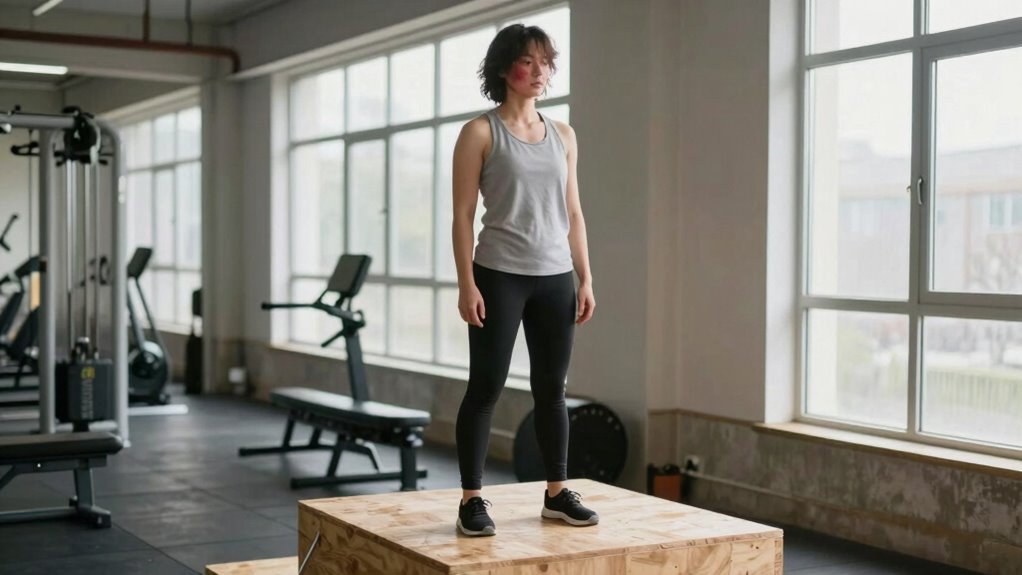
To progress your standing routine safely, it’s essential to increase the duration and intensity gradually rather than making sudden jumps. Focus on posture correction to prevent strain and promote comfort; stand tall with shoulders relaxed and hips aligned. Pay attention to your footwear choices—opt for supportive shoes that cushion your feet and promote proper alignment. Avoid going barefoot initially if your feet aren’t used to prolonged standing, as this can increase discomfort. Incorporate short breaks to rest and reset your posture, gradually extending standing periods over days or weeks. Remember that ergonomic principles are key to creating a comfortable and safe workspace. Additionally, using home ergonomics tips can help optimize your standing setup for better comfort and safety. Incorporating proper footwear is also essential to support your feet and reduce fatigue during prolonged standing. Also, maintaining muscle balance through stretching and strengthening exercises can help prevent discomfort and improve endurance. Consistency is key, but listen to your body and avoid pushing through pain. By making small, mindful adjustments, you’ll build endurance safely and comfortably.
How Do You Know If You’re Overdoing It and When Should You Rest?

Ever wonder how to tell if you’re pushing your standing routine too far? One sign is persistent muscle soreness that doesn’t improve with rest. If your legs or back feel tight and tender longer than usual, it’s a clear warning to cut back and give your body time to recover. Also, watch for fatigue that worsens throughout the day, making standing uncomfortable. Proper hydration is essential—drink water regularly and use hydration tips like electrolytes if needed—to prevent cramps and muscle strain. If you start experiencing dizziness, numbness, or increased discomfort, it’s a signal to rest and avoid overexertion. Listening to your body is key. Rest days help your muscles recover and prevent injury, ensuring you can stand comfortably in the long run. Incorporating a focus on proper toilet maintenance and avoiding common issues can also help prevent unexpected discomfort during daily routines. Additionally, paying attention to emotional well-being can support your overall resilience and help you recognize when you need a break. Maintaining muscle balance and flexibility and incorporating proper stretching routines can further reduce the risk of overuse injuries and improve your standing endurance.
Tips to Make Standing More Comfortable Over Time

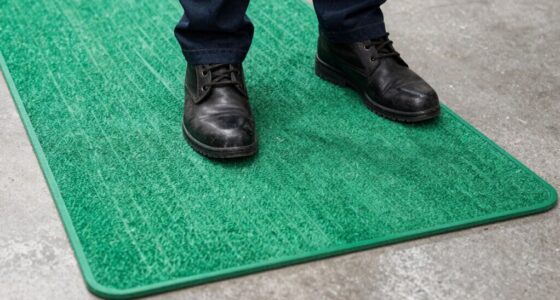
Making standing more comfortable over time involves incorporating simple adjustments to your posture and environment. Start by practicing posture correction—keep your shoulders relaxed, chest open, and distribute weight evenly. Use ergonomic tips like anti-fatigue mats or adjustable height desks to reduce strain. Regularly shift your stance to prevent stiffness. Incorporate breaks to stretch and reset your muscles, avoiding prolonged static positions. Being mindful of routines for anxiety can also help establish comfortable standing habits. Developing awareness of body mechanics can further improve comfort and prevent strain. Additionally, practicing mindfulness techniques can help you stay present and reduce tension during standing. Incorporating proper equipment maintenance, such as ensuring your standing surface is in good condition, can support prolonged comfort. Recognizing the importance of posture awareness can help you make continuous adjustments for comfort. Here’s a quick guide:
| Tip | Explanation |
|---|---|
| Maintain Neutral Spine | Keep your head aligned with your shoulders |
| Use Supportive Footwear | Opt for shoes that cushion and stabilize |
| Take Frequent Breaks | Stand for periods, then sit or stretch |
Common Mistakes That Can Slow Your Progress: And How to Fix Them

Many people unintentionally hinder their progress by falling into common mistakes that cause discomfort or slow adaptation. One mistake is neglecting proper posture correction, which can strain muscles and nerves. Another is ignoring ergonomic adjustments, like improper desk height or foot placement, leading to unnecessary tension. You might also overdo standing time without breaks, making muscles fatigued. Failing to engage core muscles or standing with poor alignment can worsen discomfort. Finally, using worn-out or unsupportive footwear exacerbates fatigue. To fix these issues, focus on aligning your ears, shoulders, and hips, and fine-tune your workspace setup. Incorporate regular breaks, strengthen your core, and wear supportive shoes to promote better posture correction and smoother progress. Small adjustments make a big difference over time.
How to Stay Motivated When Improvements Take Longer Than Expected

Progress can sometimes feel slow, especially when you’ve made adjustments to your posture or workspace but don’t see immediate results. During these times, mental resilience is key. Remind yourself that change takes time, and setbacks are normal. Setting small, achievable goals keeps you motivated and provides a sense of accomplishment along the way. Celebrate each milestone, no matter how minor, to reinforce your progress. Focus on the benefits of better posture and comfort rather than just immediate results. Remember, persistence is essential—staying committed through the slow phases builds habits that last. By maintaining a positive mindset and adjusting your expectations, you’ll find it easier to stay motivated even when improvements seem to lag. Keep going; progress is a journey.
Frequently Asked Questions
How Long Does It Usually Take to See Improvements in Standing Comfort?
You might start noticing improvements in standing comfort within a few weeks, but it varies based on your dedication to ergonomic adjustments and muscle strengthening. Consistently practicing proper posture and gradually increasing standing duration helps your muscles adapt faster. Stay patient and persistent; over time, your body becomes more comfortable, and standing feels easier. Keep focusing on ergonomic tweaks and strength exercises to accelerate your progress and reduce discomfort.
Are There Specific Exercises to Complement Standing Practice?
Yes, you can do balance exercises like standing on one leg or heel-to-toe walks to improve stability. Incorporate ergonomic accessories, such as supportive mats or adjustable footwear, to ease discomfort. These exercises strengthen your muscles and help your body adapt to standing longer, while ergonomic tools reduce strain. Consistently combining balance exercises with ergonomic support accelerates your progress and makes standing more comfortable over time.
Can Standing Too Much Cause Long-Term Health Issues?
Standing too much can be like overwatering a plant—too much can harm it. Long-term, it may cause joint pain, varicose veins, or muscle strain. To avoid this, use ergonomic accessories and alternate with sitting at your standing desk. Incorporating movement breaks helps prevent issues and keeps you comfortable. Balance is key; listen to your body and adjust your standing habits accordingly for healthier, sustainable practice.
How Does Posture Affect Initial Discomfort When Starting to Stand More?
Your posture adjustment plays a big role in initial discomfort when you start standing more. Poor posture can strain muscles, making standing feel worse initially. As you progress, your muscles adapt through muscular adaptation, gradually easing discomfort. Focus on maintaining proper alignment, engaging core muscles, and taking breaks. Over time, these posture adjustments help your body adapt, reducing initial pain and making standing more comfortable.
Is There a Recommended Schedule for Gradually Increasing Standing Time?
Start with a simple standing schedule, such as standing for 5 minutes twice a day. Gradually increase your standing time by about 5-minute increments every few days, listening to your body’s signals. Stick to a steady, scheduled plan to promote progress and prevent setbacks. Consistency is key—so stay motivated, and soon you’ll find your stamina and strength steadily strengthening through a gradual increase.
Conclusion
Remember, just like learning to ride a bike, your body needs time to adjust. At first, standing might feel worse—think of it as wobbling before you find your balance. Stick with it, listen to your body, and celebrate small wins along the way. With patience and consistent effort, you’ll build strength and comfort. Soon, standing will feel as natural as riding that bike—smooth, steady, and enjoyable.