
Standing still feels harder than walking slowly because your muscles must constantly work to keep your balance, which rapidly consumes energy and causes fatigue. Unlike walking, where momentum and rhythm share the effort, standing requires continuous muscle engagement to stabilize your body, especially on uneven ground. Fidgeting and subtle shifts make your muscles work even harder. If you want to understand why this happens and how your body manages it, keep exploring the details behind these processes.

Get comfort and recovery gear delivered free with Prime
- Fast, free delivery on millions of items
- Prime Video, Amazon Music and more included
- Member-only deals all year
Key Takeaways
- Standing requires continuous muscle engagement to maintain posture, leading to higher energy expenditure and fatigue.
- Maintaining balance while standing involves complex neuromuscular coordination that consumes significant energy over time.
- Movement in walking utilizes momentum, reducing muscle effort compared to the constant effort needed for standing.
- Fidgeting and subconscious adjustments during standing increase muscle activity and accelerate fatigue.
- Standing still prevents muscle relaxation, causing quicker fatigue than the dynamic, rhythmical process of walking.

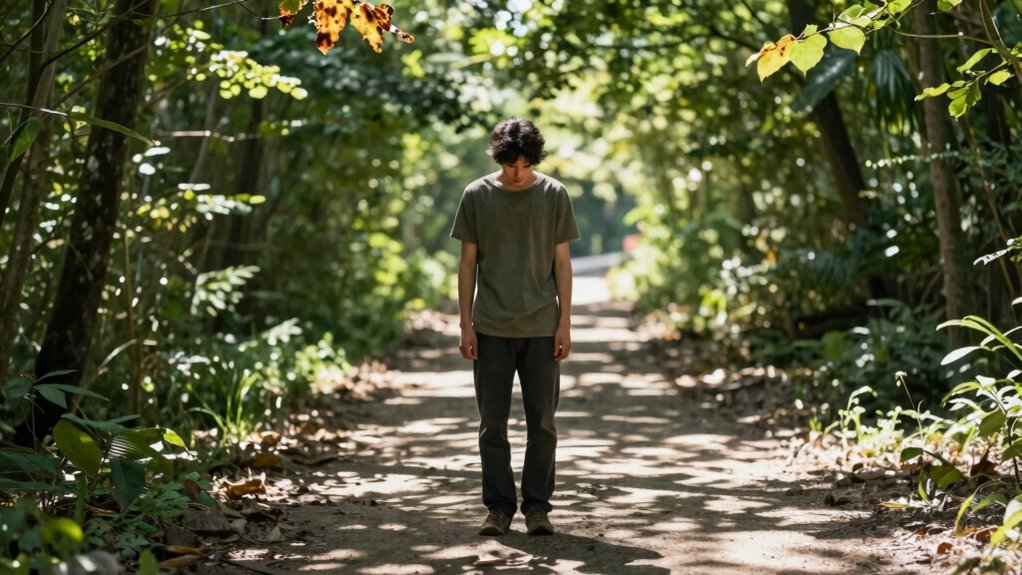
Have you ever noticed that standing still can sometimes feel more exhausting than walking slowly? It seems counterintuitive, but it’s true. When you stand, your body works constantly to maintain balance stability, which requires ongoing muscle engagement. Unlike walking, where your movements are dynamic and momentum helps carry you forward, standing still demands your muscles to hold your body upright against gravity without any natural movement to ease the effort. This continuous muscle activation burns energy, making you feel more tired even though you’re not moving.
Your body isn’t designed to stay completely still for long periods without effort. To keep your posture upright, your muscles, especially those in your legs, core, and back, must constantly contract and stabilize your joints. This process, called postural control, is energy-intensive. The more your muscles work to counteract tiny shifts in your body’s position, the more energy you consume. As a result, standing in one place can drain your energy quickly, especially if your muscles aren’t used to that kind of sustained activity or if you’re on uneven ground. This ongoing effort can leave you feeling fatigued, even though you’re not physically moving. Additionally, muscle engagement during standing requires constant effort, which contributes significantly to fatigue.
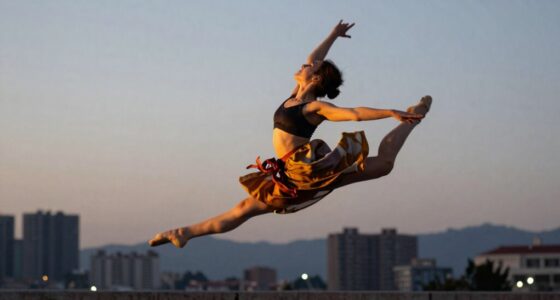
Furthermore, maintaining proper posture involves neuromuscular coordination, which can be surprisingly demanding, especially over extended periods. In contrast, walking, even at a slow pace, allows your body to utilize momentum and rhythm, reducing the continuous load on your stabilizing muscles. When you walk, your body alternates between phases of movement that require less muscle effort, conserving energy. The swinging of your arms and the rolling motion of your legs help maintain balance stability with less strain. Because of this, walking feels less exhausting than standing still, despite the fact that it involves actual movement.
Your body also subconsciously adjusts to conserve energy during movement, making walking a more efficient activity over time. When you stand still, however, your muscles don’t get that natural rhythm, and you don’t benefit from momentum. Instead, you might find yourself shifting weight or fidgeting to find comfort, which further increases muscle activity and energy expenditure. That’s why, even if you’re just standing in one spot, you can become surprisingly tired after a while. Moreover, muscle activation during standing requires constant effort, which contributes significantly to fatigue.
Additionally, postural control involves complex coordination between multiple muscle groups, which can be unexpectedly taxing for your body. Ultimately, it’s about the way your body manages balance stability and energy conservation. Standing still demands constant effort to maintain posture, and that effort adds up quickly. Interestingly, research shows that muscle fatigue can set in more rapidly during prolonged standing than during walking. Walking, by contrast, leverages momentum and rhythm, making it a more energy-efficient way to move. So next time you feel more exhausted standing than walking, remember it’s your body’s natural need to stabilize itself that’s doing all the work.
As an affiliate, we earn on qualifying purchases.
Frequently Asked Questions
Does Standing Still Burn More Calories Than Walking Slowly?
Standing still burns more calories than walking slowly because your metabolic rate stays elevated, requiring energy even without movement. While walking slowly does burn calories, it’s generally less than standing still because your muscles are more active during movement. So, in a calorie comparison, standing still can sometimes burn more energy than walking at a slow pace, especially if you maintain it for an extended period.
How Does Muscle Fatigue Differ Between Standing Still and Walking?
When standing still, your muscles endure constant tension, which can lead to quicker fatigue due to sustained postural stability demands. Walking, however, involves dynamic movement, allowing muscles to alternate and recover, improving muscle endurance over time. Standing still often feels more exhausting because your muscles work continuously without relief, causing fatigue. Conversely, walking distributes effort across different muscles, reducing fatigue and making endurance easier to maintain.
Can Standing Still Cause More Joint Stiffness Than Walking?
Yes, standing still can cause more joint stiffness than walking because it often leads to poor posture alignment, which puts uneven strain on your joints. When you stay stationary, your joints receive less movement and fluid circulation, reducing lubrication. This lack of movement can make your joints feel stiff and sore. Moving gently, like walking, helps maintain proper posture and encourages joint lubrication, easing stiffness and promoting comfort.
Why Do Some People Find Standing Still More Exhausting Than Walking?
You find standing still more exhausting because maintaining proper posture stability requires continuous muscle engagement, which uses more energy than walking slowly. When you stand, your muscles work harder to keep your body balanced, leading to fatigue. Walking, on the other hand, allows your muscles to alternate, conserving energy. This constant muscle activation while standing can quickly tire you out, especially if your posture isn’t ideal or if you’re already fatigued.
Does Mental Focus Affect How Hard Standing Still Feels?
Standing still can feel tougher when your mind is a busy highway, constantly rerouting thoughts. Mental focus, like a spotlight, makes you more aware of your body’s subtle signals, increasing fatigue. Mindfulness impact and concentration effects play a big role—it helps you stay present, reducing perceived effort. When you focus intentionally, standing still becomes less exhausting, as your mind and body work together more smoothly, turning a static pose into a manageable moment of calm.
posture correction support brace
As an affiliate, we earn on qualifying purchases.
As an affiliate, we earn on qualifying purchases.
Conclusion
Next time you stand perfectly still, imagine your muscles as a boat caught in a calm, yet resistant current. It feels effortless to drift along when moving slowly, but trying to hold your position against that unseen force can wear you out. Standing still isn’t just about balance; it’s about fighting an invisible tide of tension. So, next time, embrace the gentle flow of movement—your body’s way of easing the struggle against stillness.
As an affiliate, we earn on qualifying purchases.
As an affiliate, we earn on qualifying purchases.
Columbus Day / Indigenous Peoples' Day Picks
long weekend sales
As an affiliate, we earn on qualifying purchases.