
The way light enters your room shapes its atmosphere more than just how bright it is. When you control the direction, you can create shadows that add texture and depth, making your space feel more dynamic and interesting. It also guides your attention to specific features or areas, emphasizing what matters most. Mastering light direction can turn an ordinary room into a mesmerizing environment—if you stick around, you’ll discover how this simple trick transforms your space beautifully.

Get comfort and recovery gear delivered free — and shop member deals
- Fast, free delivery on millions of items
- Access to Prime Big Deal Days deals on October 6–7
- Prime Video, Amazon Music and more included
Key Takeaways
- Light direction shapes the room’s mood and atmosphere beyond just providing brightness.
- Shadows created by light angle add texture and depth, enhancing visual interest.
- Proper light placement directs attention and emphasizes specific features or objects.
- Natural light variations throughout the day require adaptable lighting strategies for optimal ambiance.
- Controlling light direction influences perception of space, comfort, and overall room appeal.
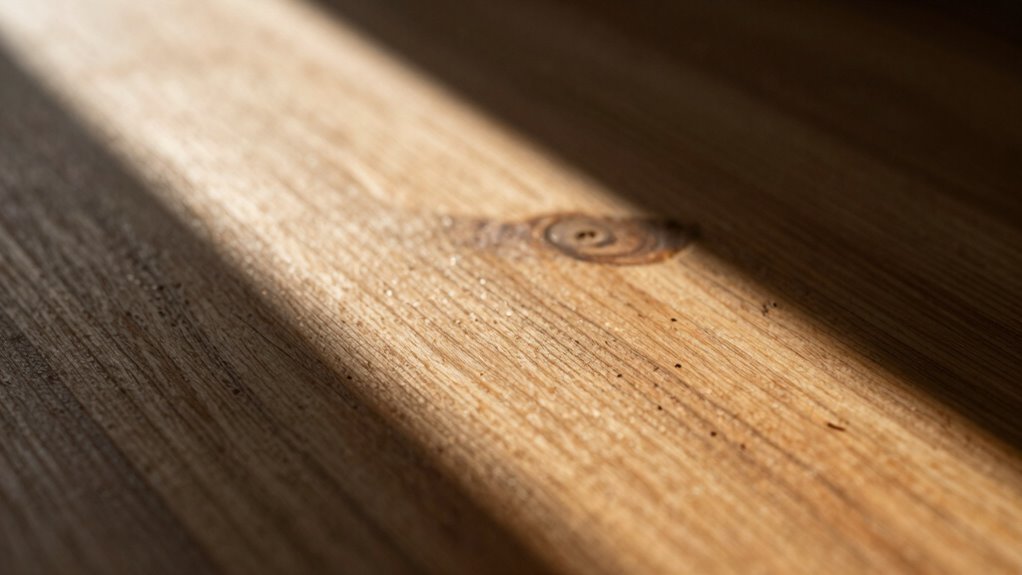
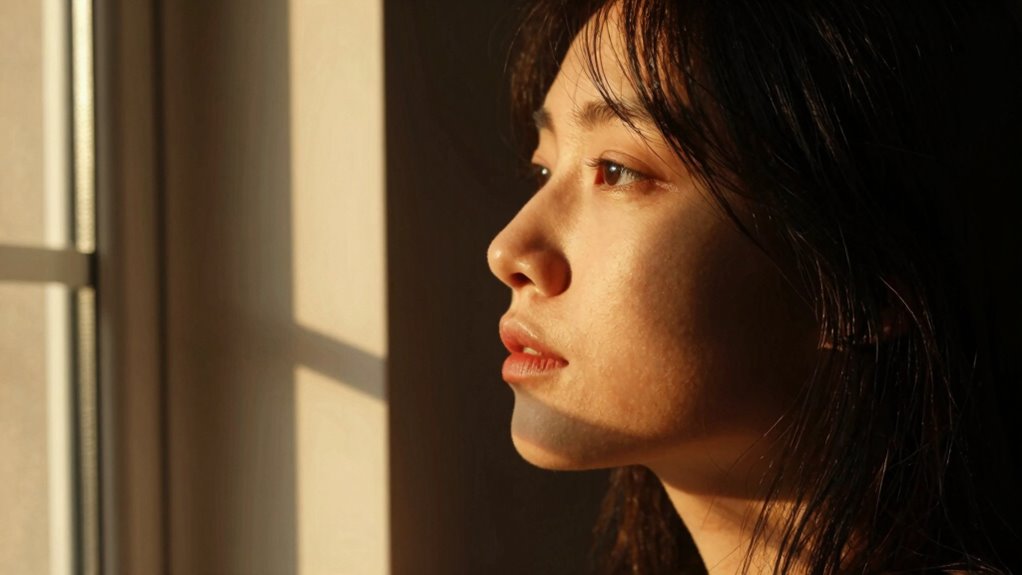
Have you ever noticed how a room can feel completely different depending on how the light hits it? The way light enters a space influences more than just visibility; it shapes the mood, highlights certain features, and even guides your attention. When you focus on light direction rather than brightness alone, you start to understand its power to transform a room’s atmosphere. Light isn’t just about illumination—it’s a tool for creating depth and interest through shadow casting and focal emphasis.
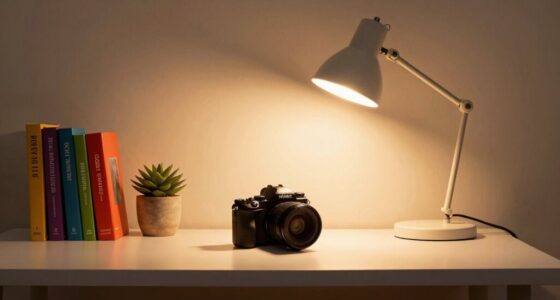
Think about how shadows play across your walls and furniture. When light hits an object from a certain angle, it casts shadows that add texture and dimension to the space. These shadows aren’t just visual effects—they help define shapes, making objects stand out or recede. By adjusting the direction of your light source, you control where shadows fall, which can emphasize particular elements in the room. For example, a lamp placed at an angle can cast a long shadow that draws attention to a piece of artwork or architectural detail, creating a natural focal point. This shadow casting, when used deliberately, adds drama and depth, making the space more dynamic instead of flat or dull.
Focal emphasis is another crucial aspect of how light direction influences a room. Instead of flooding the entire space with uniform brightness, you direct light toward specific areas or objects. This technique guides the eye and helps you highlight what matters most. Imagine a spotlight on a sculpture or a reading nook bathed in warm, directional light. The contrast between lit and shadowed areas creates a visual hierarchy, drawing your attention exactly where you want it. This focus can make a small detail seem significant or a particular corner inviting, all without increasing overall brightness. Additionally, understanding how natural light changes throughout the day allows you to adapt your lighting strategy for different moods and effects. Recognizing lighting design principles can enhance the overall ambiance and functionality of your space. Furthermore, mastering the direction of light in your environment enables you to manipulate shadows and highlights to craft a more captivating and inviting atmosphere. Proper utilization of light placement can significantly influence how a space is perceived and experienced. Paying attention to light direction can also improve your room’s comfort and reduce eye strain, especially when working or relaxing.
adjustable directional LED desk lamp
As an affiliate, we earn on qualifying purchases.
As an affiliate, we earn on qualifying purchases.
Frequently Asked Questions
How Does Light Direction Affect Mood and Perception?
You’re affected by light direction because it influences your mood and perception through shadow creation and color temperature. When light hits from the side, it creates shadows that add depth and drama, impacting how you feel. Direct overhead light can feel harsh or clinical, while softer angles produce warmer, calmer vibes. These subtle changes in light direction shape your emotional response and how you interpret a space or scene.
Can Changing Light Direction Improve Workspace Productivity?
Think of your workspace as a stage—changing light direction can turn shadows into your allies or enemies. By adjusting light to create ambient focus, you guide your eyes naturally, reducing strain and boosting concentration. Properly directed light minimizes disruptive shadow play, sharpening your focus and improving productivity. So, yes, moving your light source strategically can make your workspace more inviting, helping you work smarter and more comfortably.
What Are Common Mistakes in Lighting Design Related to Direction?
A common mistake in lighting design is neglecting proper ambient layering, which creates uneven light distribution. You might also overlook glare control, causing discomfort and reducing productivity. Poorly directed light can cast harsh shadows or cause reflections, making tasks harder. Avoid pointing lights directly at work areas or windows, and use diffusers or indirect lighting to balance ambient layers, minimizing glare and enhancing visual comfort.
How Does Light Direction Influence the Appearance of Textures?
Imagine your space as a stage, and light as the spotlight. When you direct it precisely, shadows dance and surface highlighting reveals textures in rich detail. Light direction influences how textures appear by creating shadow play, emphasizing or softening surface features. Properly angled lighting accentuates grooves or smoothness, making textures pop or recede. So, choose your light’s direction carefully—this is your secret to revealing the true character of every surface.
Are There Specific Light Directions Suited for Different Room Types?
Certain light directions suit different room types best. For living rooms, natural light from large windows creates warmth and openness, while artificial lighting from ceiling fixtures offers even illumination for activities. In kitchens, overhead lighting reduces shadows, and task lights focus on counters. Bedrooms benefit from softer, indirect light to promote relaxation. By understanding how natural light and artificial lighting interact with room functions, you can enhance comfort and ambiance effectively.
articulating floor lamp with spotlight
As an affiliate, we earn on qualifying purchases.
As an affiliate, we earn on qualifying purchases.
Conclusion
Understanding that light direction can sometimes outweigh brightness is key to mastering photography and interior design. When you control where the light falls, you create depth, mood, and focus that mere brightness can’t achieve. Did you know that studies show 90% of visual impact depends on lighting angles rather than intensity? So, next time you set up a shot or arrange a room, remember: directing your light thoughtfully can make all the difference in how your space or photo feels.
As an affiliate, we earn on qualifying purchases.
As an affiliate, we earn on qualifying purchases.
Fall Picks
fall essentials
As an affiliate, we earn on qualifying purchases.