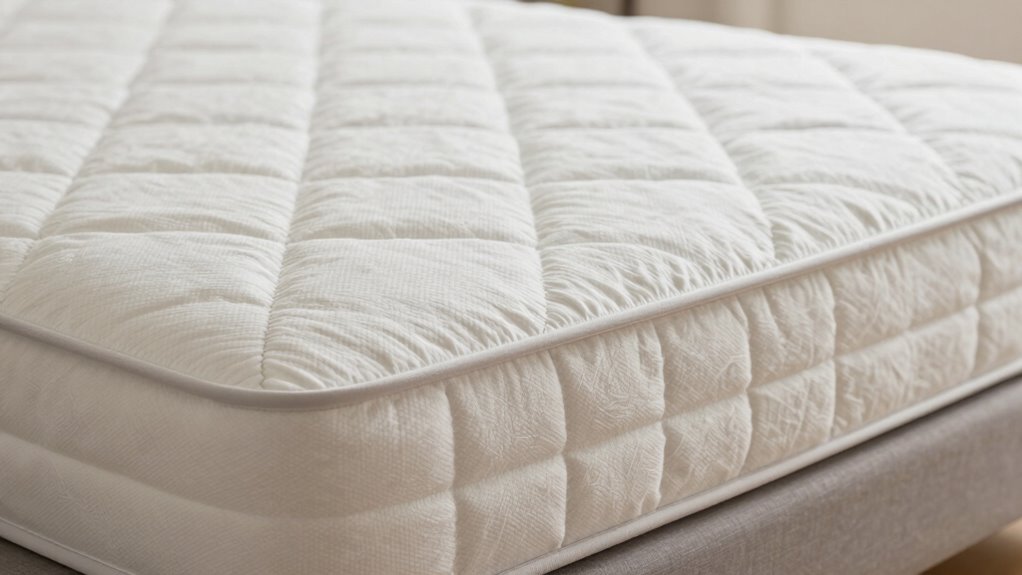

The “Almost Right” mattress problem happens when your mattress feels good initially but starts sagging or losing support within about a year. This usually results from low-quality materials that break down quickly, causing uneven support and discomfort. As the support weakens, your sleep quality suffers, making nights restless. To avoid this, you need to understand how materials impact longevity. Explore further to discover how to pick a mattress that truly lasts.
Open a free Amazon Business account
Business pricing, bulk buying and tax-exempt orders.
As an affiliate, we earn on qualifying purchases.
Key Takeaways
- An “almost right” mattress initially provides support but tends to sag or lose shape over time, causing discomfort.
- Material quality and durability significantly influence how well a mattress maintains support long-term.
- Softer mattresses may feel good initially but can compress unevenly, leading to support issues.
- Early deterioration of support often results from low-quality materials or insufficient wear resistance.
- Recognizing signs like sagging or uneven support helps prevent purchasing a mattress that will soon fail.
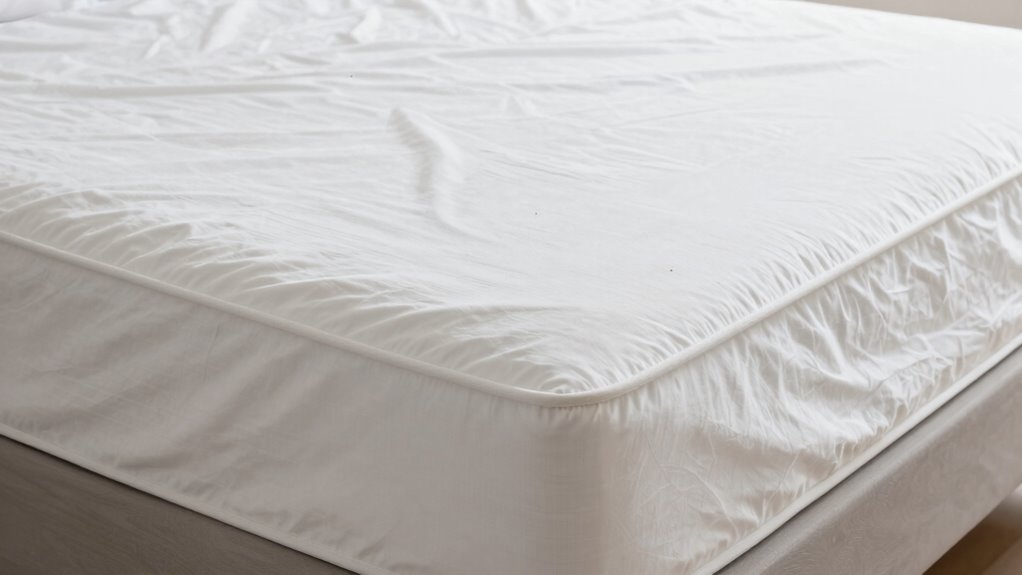
Have you ever bought a mattress that felt almost perfect but just didn’t quite deliver the restful sleep you expected? That’s a common experience, and it highlights the tricky balance between sleep comfort and mattress durability. When you’re shopping for a mattress, it’s tempting to focus solely on how soft or firm it feels at first glance. But sleep comfort isn’t just about initial sensation—it’s about how well the mattress supports your body over time. A mattress that feels great at first might lose its comfort quickly, leading to restless nights and waking up with aches. This is where durability comes into play. A mattress that’s built to last ensures you won’t have to replace it after a few years, saving you money and avoiding the frustration of repeated shopping.
A mattress that feels perfect initially may lose support over time, affecting your sleep quality and comfort.
When a mattress is almost right, it often means it hits some of the right notes but falls short in one or more areas. Maybe it offers decent support initially but starts sagging after a year, reducing sleep comfort. Or perhaps it feels plush and inviting at first but compresses unevenly, causing discomfort and disrupting your sleep cycle. The problem is not just in how a mattress feels on day one but how it performs over time. Without sufficient mattress durability, even the most comfortable mattress becomes less effective. It’s like a car that rides smoothly initially but develops issues after a few thousand miles—what seemed perfect initially becomes problematic later. Investing in a durable mattress involves understanding the importance of material quality and how it impacts long-term support. Additionally, considering the longevity of materials can help you select a mattress that remains supportive for years to come. Moreover, understanding material breakdown can help you identify mattresses that are more prone to early deterioration. Recognizing these factors can also guide you in choosing a mattress with higher wear resistance, which is crucial for maintaining comfort over time.
Choosing a mattress involves considering materials that balance softness with support. Memory foam, latex, and high-density innerspring systems each have their pros and cons. Memory foam, for example, contours to your body, offering good sleep comfort, but if it’s low quality, it might break down faster. High-quality materials tend to maintain their shape and support longer, ensuring consistent sleep comfort over years. That’s essential because your sleep quality depends on a mattress that maintains its integrity and doesn’t sag or lose its shape prematurely. Remember, a mattress with poor durability can turn a seemingly perfect purchase into a disappointment within a short span. Ultimately, understanding these factors can help you avoid the “almost right” mattress dilemma and make a more informed choice.
high durability memory foam mattress
As an affiliate, we earn on qualifying purchases.
As an affiliate, we earn on qualifying purchases.
Frequently Asked Questions
How Can I Tell if My Mattress Is “Almost Right”?
You can tell if your mattress is “almost right” by paying attention to how you sleep and feel in the morning. If you wake up with aches, discomfort, or disrupted sleep, it might be time to evaluate your mattress. Good sleep hygiene involves a supportive mattress, so consider mattress maintenance like flipping or rotating it regularly. An “almost right” mattress provides comfort and support, ensuring restful, undisturbed sleep.
Does the “Almost Right” Problem Affect All Mattress Types?
The “almost right” problem can affect all mattress types—memory foam, innerspring, hybrid—regardless of their material differences. You might notice comfort comparisons shifting, pressure points forming, or support weakening, no matter the construction. These issues stem from aging or wear, not material alone. So, whether your mattress is soft or firm, the “almost right” problem can influence your sleep quality, urging you to evaluate comfort and material integrity regularly.
Can Flipping or Rotating the Mattress Fix the Issue?
Flipping or rotating your mattress can often improve sleep comfort and help with the “almost right” problem. Regular mattress maintenance, like flipping or rotating, redistributes wear and can alleviate unevenness that causes discomfort. While it might not completely fix the issue, it’s a simple step to enhance overall sleep quality. Keep in mind, some mattresses, especially foam ones, benefit more from rotation than flipping, so check your manufacturer’s advice.
How Long Does It Take to Adjust to a New Mattress?
Adjusting to a new mattress is like tuning a musical instrument—it takes a bit of time. You might start feeling comfortable within a week, but it can take up to a month for your body to fully adapt. Prioritize good sleep hygiene by sticking to a consistent schedule, and remember that mattress durability varies—giving it time supports your body adjust and ensures you get the restful sleep you need.
Are There Specific Brands Prone to the “Almost Right” Problem?
Some brands are more prone to the “almost right” problem due to their mattress material and brand reputation. You might find that budget or lesser-known brands often use lower-quality materials, leading to comfort issues. Conversely, reputable brands with high standards usually have better quality control, reducing the risk. It’s essential to research mattress material and brand reputation before buying, ensuring you choose a mattress that will meet your comfort needs and minimize adjustments.
latex mattress with long-lasting support
As an affiliate, we earn on qualifying purchases.
As an affiliate, we earn on qualifying purchases.
Conclusion
So, when choosing a mattress, remember it’s like finding the perfect puzzle piece—sometimes it feels just right, but a tiny misfit can cause discomfort. Don’t settle for “almost right,” because that’s like wearing shoes a size too small—you might get close, but it’ll never truly fit. Take your time, test thoroughly, and listen to your body. Finding the right mattress is your path to a peaceful night’s sleep, like a calm lake finally settling after a storm.
high-density innerspring mattress
As an affiliate, we earn on qualifying purchases.
As an affiliate, we earn on qualifying purchases.
supportive mattress for long-term comfort
As an affiliate, we earn on qualifying purchases.
As an affiliate, we earn on qualifying purchases.
Fall Picks
fall essentials
As an affiliate, we earn on qualifying purchases.