

If you’re always shifting in your seat, it’s likely because of underlying muscle tightness or poor posture causing discomfort. Tight muscles in your hips, back, or thighs pull on your joints, making you feel uneasy. Sitting incorrectly or staying in one position too long can worsen this. Moving around, stretching, and improving your ergonomic setup can help reduce the need to shift. Keep going, and you’ll discover more ways to find lasting comfort.
Open a free Amazon Business account
Business pricing, bulk buying and tax-exempt orders.
As an affiliate, we earn on qualifying purchases.
Key Takeaways
- Constant shifting often indicates muscle tightness or discomfort from poor posture.
- Tight muscles in hips, back, or thighs pull on bones, causing the need to adjust frequently.
- Poor ergonomic setup and prolonged sitting exacerbate muscle tension, prompting habitual movement.
- Lack of movement and stretching leads to increased muscle tightness, making shifting a habitual relief.
- Addressing muscle tension and improving posture through ergonomic adjustments and regular stretching reduces the need to shift.
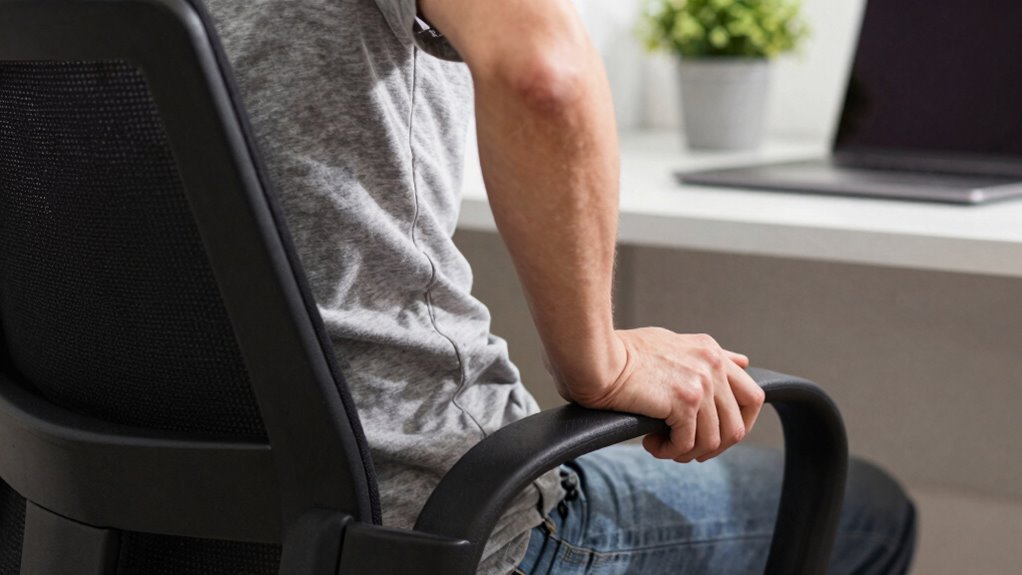
Have you ever wondered why you constantly shift in your seat? That restless movement might seem minor, but it’s often your body’s way of trying to fix something that feels off. One common reason is discomfort caused by muscle tightness or poor posture. When your muscles are tight, especially in your hips, lower back, or thighs, sitting for long periods can become uncomfortable or even painful. Shifting helps you find a momentary release or relief, but it doesn’t address the root cause. Instead, it becomes a habitual reaction to ongoing discomfort. If you notice yourself constantly adjusting, it’s a sign that your body needs some posture improvements or targeted stretching to loosen tight muscles.
Muscle tightness is a frequent culprit behind your seat-shifting habits. When muscles are tense, they can pull on bones and joints, making sitting feel awkward or strained. Over time, this tightness can develop from poor ergonomic setups, prolonged sitting, or lack of movement during the day. Your body craves relief, and shifting becomes a quick fix. However, this habit can reinforce poor posture, as you unconsciously adopt positions that temporarily alleviate discomfort but aren’t sustainable long-term. To break this cycle, you need to focus on posture improvements. This involves adjusting your chair height, ensuring your back is well-supported, and maintaining your feet flat on the floor. Proper posture helps distribute your weight evenly and reduces unnecessary strain on muscles, which can diminish the need to shift constantly. Additionally, recognizing muscle tension patterns can help you target specific areas for relief more effectively. Incorporating ergonomic adjustments into your workspace can further support better posture and reduce discomfort. Being aware of muscle imbalances can also guide you in choosing the most effective stretches and strengthening exercises. Furthermore, understanding body awareness can help you detect early signs of tension before it becomes a habitual discomfort.
Muscle tension from poor ergonomics causes discomfort, leading to habitual shifting and reinforcing bad posture.
In addition to ergonomic adjustments, incorporating regular movement and stretches into your day can significantly reduce muscle tightness. Simple stretches targeting your hips, hamstrings, and lower back can loosen tight muscles and improve flexibility. When your muscles are more relaxed, your sitting experience becomes more comfortable, and your body won’t feel the need to shift as often. Paying attention to your body’s signals is crucial—if you notice persistent tightness or discomfort, it’s worth addressing these issues proactively. This might involve strengthening weak muscles or releasing tension through foam rolling or massage. Regularly incorporating muscle relaxation techniques can also contribute to maintaining flexibility and reducing discomfort. Small changes in your daily routine can lead to lasting improvements in your comfort and posture.
ergonomic office chair with lumbar support
As an affiliate, we earn on qualifying purchases.
As an affiliate, we earn on qualifying purchases.
Frequently Asked Questions
Can Constant Shifting Cause Long-Term Health Issues?
Constant shifting can cause long-term health issues if it’s a sign your seating isn’t comfortable. You might strain your muscles or worsen posture over time. To prevent this, consider ergonomic adjustments to your chair and workspace. Prioritize seating comfort to reduce the need for constant movement, which helps protect your back and neck health. Making these changes promotes better posture and overall well-being in the long run.
Is Seat Shifting Linked to Psychological Stress?
Think of your fidgeting habits as a river carving its path through a landscape; it reveals underlying currents like psychological stress. Seat shifting often links to subconscious behaviors, acting as your body’s way of releasing tension. When you shift constantly, it’s a sign you might be feeling anxious or overwhelmed. Recognizing this link helps you understand that your restless movements are more than just habits—they mirror your emotional state.
Are There Specific Medical Conditions That Cause Frequent Shifting?
Yes, certain medical conditions like restless leg syndrome or Parkinson’s disease can cause frequent shifting due to muscle tension or involuntary movements. Nervous habits, often rooted in anxiety or stress, also lead to constant seat shifting. These conditions make your muscles tense or trigger involuntary actions, prompting you to shift repeatedly. If this persists, consulting a healthcare professional can help identify underlying causes and suggest effective treatments.
How Can I Reduce the Urge to Shift During Long Periods?
Think of your fidgeting habits as tiny sparks trying to keep boredom at bay. To reduce the urge to shift, try ergonomic strategies like adjusting your chair for proper support, taking short breaks to stretch, and using fidget tools like stress balls. These techniques help you stay grounded, making long periods feel less like a storm and more like a calm sea, so you can focus without constant shifting.
Does Shifting Affect Posture or Spinal Alignment?
Shifting can impact your posture and spinal alignment if you don’t make ergonomic adjustments. Frequent movement can cause strain or misalignment if your seat isn’t supportive or properly adjusted. To prevent this, practice movement awareness and take regular breaks. Incorporate ergonomic adjustments like lumbar support and adjustable chairs, which encourage better posture. Being mindful of your movements helps maintain spinal health and reduces discomfort caused by constant shifting.
As an affiliate, we earn on qualifying purchases.
Conclusion
Next time you find yourself shifting in your seat, imagine it’s not just restlessness but a silent plea from your body. Picture the subtle tug of discomfort, like waves lapping at the shoreline, urging you to move. Your movements become a dance of necessity, a rhythm that hints at deeper causes. Listening closely, you might discover that these small shifts are your body’s way of guiding you toward understanding and relief, transforming mere discomfort into a story waiting to be heard.
hip and lower back stretching foam roller
As an affiliate, we earn on qualifying purchases.
As an affiliate, we earn on qualifying purchases.
ergonomic seat cushion for long sitting
As an affiliate, we earn on qualifying purchases.
As an affiliate, we earn on qualifying purchases.
NFL season / tailgating Picks
team gear
As an affiliate, we earn on qualifying purchases.