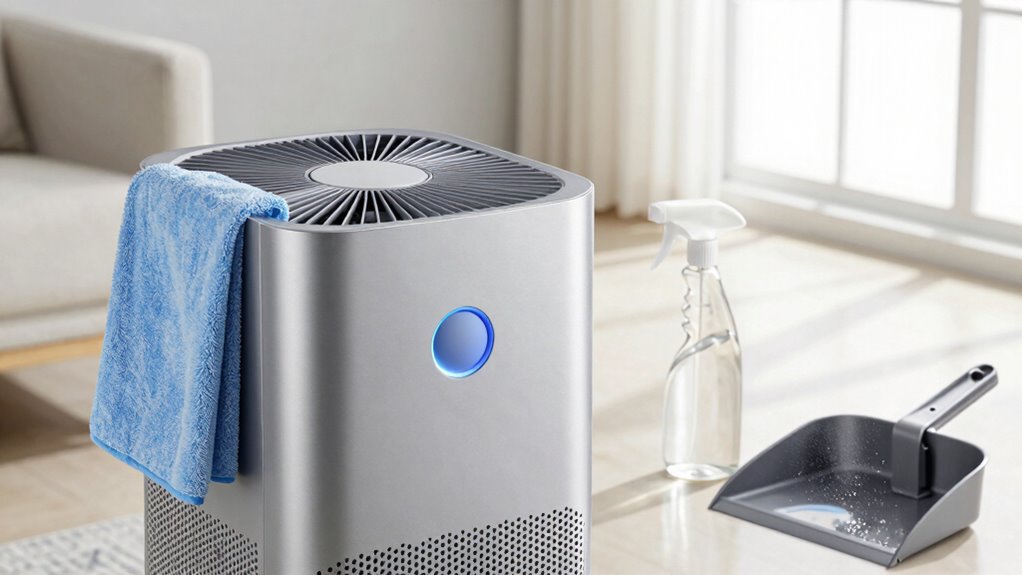
The cleaning gear you choose and how you maintain it directly affect your indoor air quality. Worn-out vacuums or old dusters can release dust, allergens, and VOCs into the air you breathe. Eco-friendly tools with proper filters help reduce pollutants. If you keep your equipment in good shape and select low-emission products, you’ll create a healthier environment at home or work. To uncover more ways your cleaning habits impact air quality, keep exploring.

Get comfort and recovery gear delivered free — and shop member deals
- Fast, free delivery on millions of items
- Access to Prime Big Deal Days deals on October 6–7
- Prime Video, Amazon Music and more included
Key Takeaways
- Ineffective or worn-out cleaning equipment can release allergens and pollutants into indoor air.
- Many buyers overlook the importance of equipment maintenance in preventing air quality issues.
- VOC emissions from cleaning tools and products can linger without proper ventilation or eco-friendly choices.
- Using non-HEPA vacuums and traditional dusters can spread, rather than remove, airborne allergens.
- Choosing eco-friendly, low-VOC cleaning gear significantly improves indoor air quality and overall health.
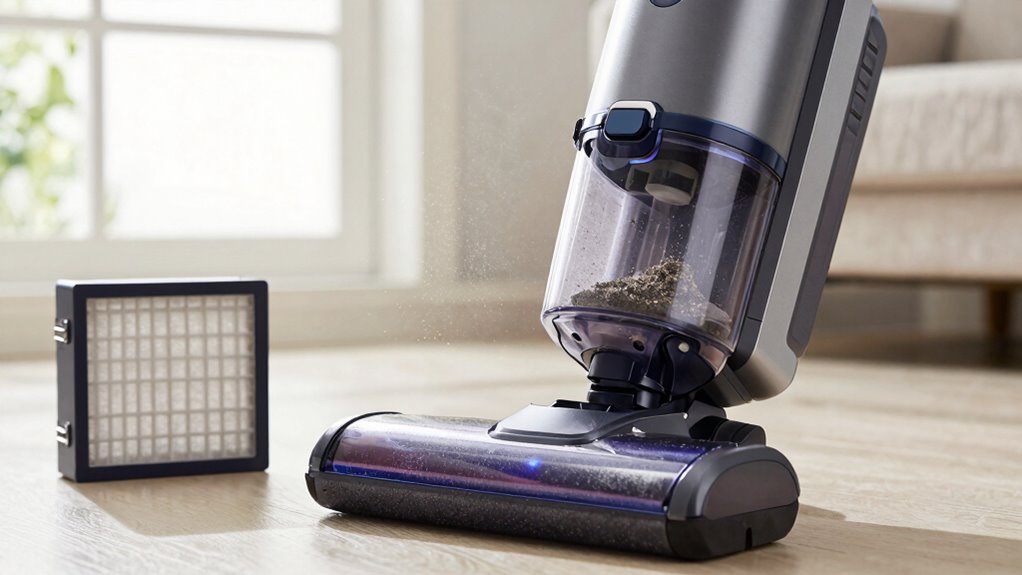
Cleaning gear plays a essential role in maintaining good air quality in your home or workplace. Many people overlook how the tools and products you use during cleaning can influence the air you breathe. For instance, certain cleaning equipment may inadvertently increase airborne allergens or emit volatile organic compounds (VOCs), which can compromise indoor air quality. These hidden impacts often go unnoticed, yet they are critical to understand if you want a healthier environment.
Cleaning tools impact indoor air quality more than you realize—choose eco-friendly, well-maintained equipment for a healthier environment.
When you choose cleaning gear, it’s necessary to consider how it interacts with your indoor air. Poorly maintained or inappropriate equipment can stir up dust, pet dander, and other airborne allergens, making allergy symptoms worse or causing respiratory issues. Vacuum cleaners with worn-out filters or traditional dusters can release these pollutants back into the air, defeating the purpose of cleaning. Using HEPA-filter vacuums and microfiber cloths can help trap airborne allergens effectively, reducing their presence in your living or working space. Proper maintenance of cleaning equipment is essential to ensure these tools continue to function effectively and do not contribute to indoor pollution. Additionally, selecting equipment made from low-emission materials can further minimize indoor air pollutants.
Additionally, many cleaning products and equipment emit VOCs, which are chemicals that vaporize at room temperature and contribute to indoor air pollution. These emissions can come from sprays, wipes, or even certain cleaning machines. Without proper ventilation or the right gear, VOCs can linger, causing headaches, dizziness, or long-term health risks. Some cleaning tools, like mops, scrub brushes, or aerosol sprays, are designed without regard for VOC emissions, so you may unknowingly introduce these harmful compounds into your environment. Regularly choosing eco-friendly cleaning options can significantly reduce chemical exposure and improve air quality.
You might assume that simply cleaning thoroughly is enough, but the type of gear you use makes a big difference. Choosing eco-friendly, low-VOC cleaning equipment reduces the risk of introducing harmful emissions into your indoor air. For example, opting for reusable microfiber cloths instead of disposable wipes not only minimizes waste but also limits chemical exposure. Similarly, investing in a high-quality vacuum with a sealed system and HEPA filter prevents airborne allergens from escaping back into the room.
In essence, your cleaning gear isn’t just about making surfaces spotless—it directly impacts air quality. Being mindful of the materials and equipment you select can help you minimize airborne allergens and VOC emissions, creating a cleaner, healthier environment. Using appropriate cleaning tools and maintaining them properly can further reduce the emission of VOCs and allergens, ensuring that your cleaning routine truly benefits your indoor air quality. The link between cleaning gear and indoor air health is subtle but significant; paying attention to this connection makes a real difference in your overall well-being. Recognizing the importance of indoor air pollutants can help you make more informed choices about your cleaning habits.
HEPA vacuum cleaner with sealed system
As an affiliate, we earn on qualifying purchases.
As an affiliate, we earn on qualifying purchases.
Frequently Asked Questions
How Often Should Air Filters Be Replaced for Optimal Air Quality?
You should replace your air filters every 90 days for ideal air quality, but this can vary based on your filter’s lifespan and your household needs. If you have allergies, pets, or someone with respiratory issues, consider replacing filters more often, around every 30-60 days. Following a consistent replacement schedule ensures your air stays clean and healthy, preventing dust buildup and maintaining good indoor air quality.
Do Natural Cleaning Products Improve Indoor Air Quality?
Think of natural cleaning products as a gentle breeze clearing away dust and chemical residues from your home’s air. They do improve indoor air quality because they contain natural ingredients, reducing the buildup of harmful chemicals. Unlike harsh cleaners, these products help maintain a healthier environment without leaving behind chemical residues that can linger and affect your breathing. Switching to natural cleaners is a simple step toward fresher, cleaner indoor air.
Are HEPA Filters Effective Against Airborne Viruses?
Yes, HEPA filters are effective against airborne viruses. They trap tiny particles, including viruses, bacteria, and allergens, with 99.97% efficiency at capturing particles as small as 0.3 microns. When you use HEPA filters in your air purifiers or HVAC systems, you considerably reduce the presence of airborne viruses in your indoor environment. This helps protect your health, especially during flu seasons or outbreaks.
Can Cleaning Gear Contribute to Indoor Allergies?
Think of your cleaning gear as double-edged swords—you want to clear out allergy triggers, but if you’re not careful, cleaning chemicals can stir up new ones. Poorly maintained equipment or harsh chemicals can release airborne irritants, turning your home into a battleground for allergies. To keep allergies at bay, choose gentle cleaning products and regularly replace filters, ensuring your cleaning gear helps rather than hinders your indoor air quality.
What Are the Best Cleaning Practices for Maintaining Air Quality?
To maintain air quality, you should regularly clean and replace filters on your air purifier, ensuring it functions effectively. Keep dust mite populations in check by washing bedding weekly in hot water and vacuuming with a HEPA filter. Also, dust surfaces frequently and reduce clutter to minimize dust accumulation. Proper air purifier maintenance and dust mite control are key steps to creating a healthier indoor environment.
eco-friendly microfiber cleaning cloths
As an affiliate, we earn on qualifying purchases.
As an affiliate, we earn on qualifying purchases.
Conclusion
Remember, your cleaning gear is like the unsung hero behind every breath you take. When you choose tools wisely and keep them spotless, you’re crafting an invisible shield of fresh air around you. Don’t let overlooked equipment turn your home into a hidden fog. Think of your cleaning tools as the keys to a clear, crisp sanctuary—each swipe and scrub clearing the path for pure, healthy air to breathe. Guard your space, and breathe easy.
As an affiliate, we earn on qualifying purchases.
air purifier for indoor allergens
As an affiliate, we earn on qualifying purchases.
As an affiliate, we earn on qualifying purchases.
Fall Picks
fall essentials
As an affiliate, we earn on qualifying purchases.