
TL;DR

Get comfort and recovery gear delivered free with Prime
- Fast, free delivery on millions of items
- Prime Video, Amazon Music and more included
- Member-only deals all year
Fit&Well published five beginner-friendly Pilates exercises recommended by teacher Claire Seager for women in their 60s and 70s. The movements combine strength, mobility and posture work, with simpler variations described for each; the report does not establish clinical benefits or offer individualized medical guidance.
Fit&Well has outlined five beginner-friendly Pilates exercises for women in their 60s and 70s, drawing on recommendations from Claire Seager, a Pilates teacher and founder of Pilatify. The routine pairs strength and mobility work with posture-focused movements, and includes easier options for people who need to modify an exercise.
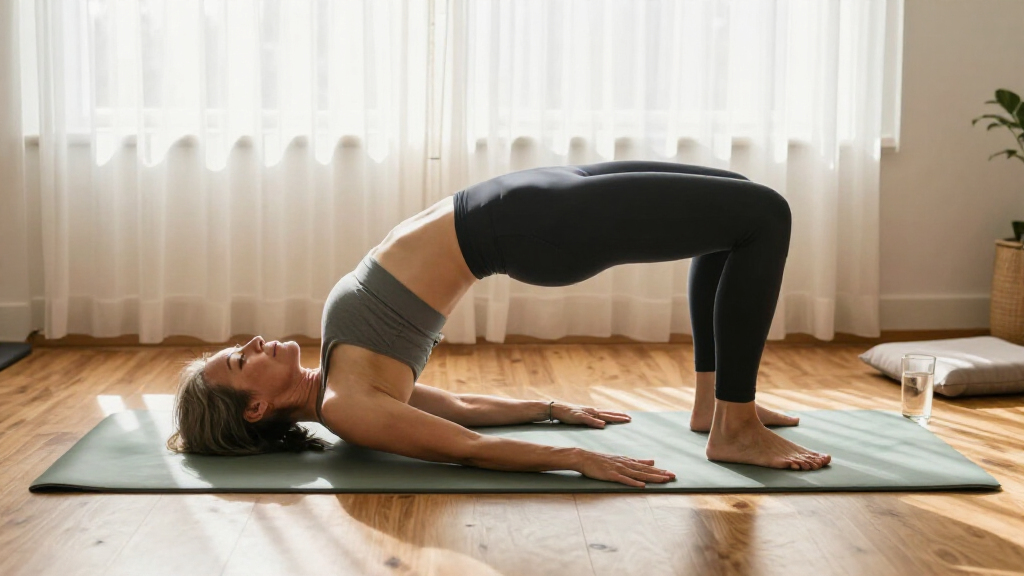
The five moves are rocking cat and cow, reverse tabletop, knee circles, triceps push-ups and thread the needle. Seager describes the selection as a blend of strength, flexibility and posture work. Fit&Well presents the exercises as beginner-friendly, but does not report that they were tested in a study or that they produce a particular health outcome.
The suggested repetitions vary by exercise: 10 for rocking cat and cow, reverse tabletop and triceps push-ups; 10 knee circles in each direction on each side; and 10 thread-the-needle repetitions per side. The report says to move between cat and cow without rocking if needed, bend the knees for a modified reverse tabletop, and replace knee circles with lifting and lowering the leg if keeping the pelvis still is difficult.
Other adaptations include performing triceps push-ups with the knees on the floor and keeping both knees down during thread the needle. These are suggested modifications, not a personalized exercise plan. The report does not specify rest periods, weekly frequency, progression, or how to adjust the routine for an individual’s strength, balance or health needs.
How the Exercises Target Strength and Posture
The list offers readers a practical starting point for low-impact movement that does not require weights or high-impact cardio. Its modifications also show how the same movement can be made less demanding, which may help readers identify a version they can attempt comfortably. That is useful guidance, but it does not mean every exercise is suitable for every person.
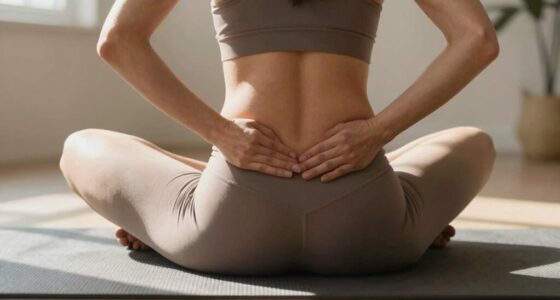
Seager says Pilates aims to counter a head-forward or stooped posture and describes the practice as supporting strength and balance. Those are her descriptions of the potential benefits, not findings from evidence presented in this report. Readers should distinguish an instructor’s general guidance from a demonstrated result or a treatment for a health condition.
ergonomic posture corrector for women over 60
As an affiliate, we earn on qualifying purchases.
As an affiliate, we earn on qualifying purchases.
The Instructor Behind the Recommendations
Fit&Well says it asked Seager, identified as 51 and the founder of Pilatify, what Pilates could offer older women. The outlet describes the program as designed with women over 50 in mind. Seager’s suggestions are therefore presented as instructor recommendations for an age group, rather than a formal clinical guideline.
Seager told Fit&Well that Pilates works the body through strengthening and stretching, and that modern life and age can contribute to a head-forward or stooped posture. She also characterized Pilates as low-impact and said it can support strength and balance. The source provides no study details, clinical assessment, or comparison with other exercise programs, so those statements should be read as attributed commentary.
“Pilates brings the whole body into balance and once we’ve worked one set of muscles, we will stretch them.”
— Claire Seager, Pilates teacher and founder of Pilatify, as quoted by Fit&Well
Pilates exercise equipment for seniors
As an affiliate, we earn on qualifying purchases.
As an affiliate, we earn on qualifying purchases.
Who Should Modify or Skip a Move
The source does not say how the exercises were evaluated, whether the sequence is appropriate for people with particular medical conditions, or what readers should do if a movement causes pain, dizziness or unusual discomfort. It also does not establish that the moves correct posture or reduce stress for all participants. Individual suitability and outcomes remain uncertain based on the information provided.
The article’s easier variations address some movement challenges, but they are not a substitute for individual advice. Anyone with a health condition, recent injury, significant balance concerns or uncertainty about exercising should ask a qualified health professional or appropriately credentialed instructor for guidance before starting. Stop if an exercise causes pain or concerning symptoms.
low-impact Pilates resistance bands
As an affiliate, we earn on qualifying purchases.
As an affiliate, we earn on qualifying purchases.
How Readers Can Approach the Routine
Fit&Well’s report gives readers the exercise instructions and suggested repetitions, but does not set out a follow-up program or announce further testing. Readers who want to try the moves can begin with the listed modifications, work within a comfortable range, and avoid forcing a stretch or twisting movement. The article does not recommend a particular schedule or progression.
For people unsure which variation is appropriate, the next practical step is to seek guidance from a qualified instructor or health professional familiar with their needs. Any future evidence about outcomes, safety or effectiveness would require information beyond the instructor’s recommendations in this report.
modified Pilates exercise mats for seniors
As an affiliate, we earn on qualifying purchases.
As an affiliate, we earn on qualifying purchases.
Key Questions
Which five Pilates moves does the report recommend?
Fit&Well lists rocking cat and cow, reverse tabletop, knee circles, triceps push-ups and thread the needle, based on recommendations from Pilates teacher Claire Seager.
Are easier versions included?
Yes. The report suggests options such as bending the knees for reverse tabletop, doing push-ups with the knees down, and replacing knee circles with simple leg lifts if the pelvis is difficult to keep still.
Does the report prove these moves correct posture?
No. Seager says Pilates aims to counter a head-forward or stooped posture, but the source provides no study or clinical evidence showing that this routine corrects posture.
How often should the exercises be done?
The source gives repetition counts but does not specify how many days per week to do the routine, how long to rest, or how to progress. Readers should seek individualized guidance if they are unsure what is appropriate.
Source: rss
Halloween Picks
halloween
As an affiliate, we earn on qualifying purchases.