

To rebuild your capacity after too much sitting, focus on improving your workspace setup, adjusting your posture, and incorporating regular movement. Sit with proper alignment, keep your shoulders relaxed, and take short breaks every hour to stretch or walk. Strengthen muscles with bodyweight exercises like squats and planks, and improve flexibility with yoga or tai chi. Small, consistent efforts will restore energy and resilience—keep going to discover even more effective strategies.

Get comfort and recovery gear delivered free — and shop member deals
- Fast, free delivery on millions of items
- Access to Prime Big Deal Days deals on October 6–7
- Prime Video, Amazon Music and more included
Key Takeaways
- Incorporate regular movement breaks with stretches and walking to counteract sitting-related stiffness.
- Strengthen core and lower body muscles through bodyweight exercises like squats and planks.
- Improve flexibility and balance with yoga or tai chi to restore mobility and posture.
- Adjust workspace ergonomics to promote proper alignment and reduce strain during activity.
- Consistently practice posture correction and mindful movement to rebuild resilience and prevent future discomfort.
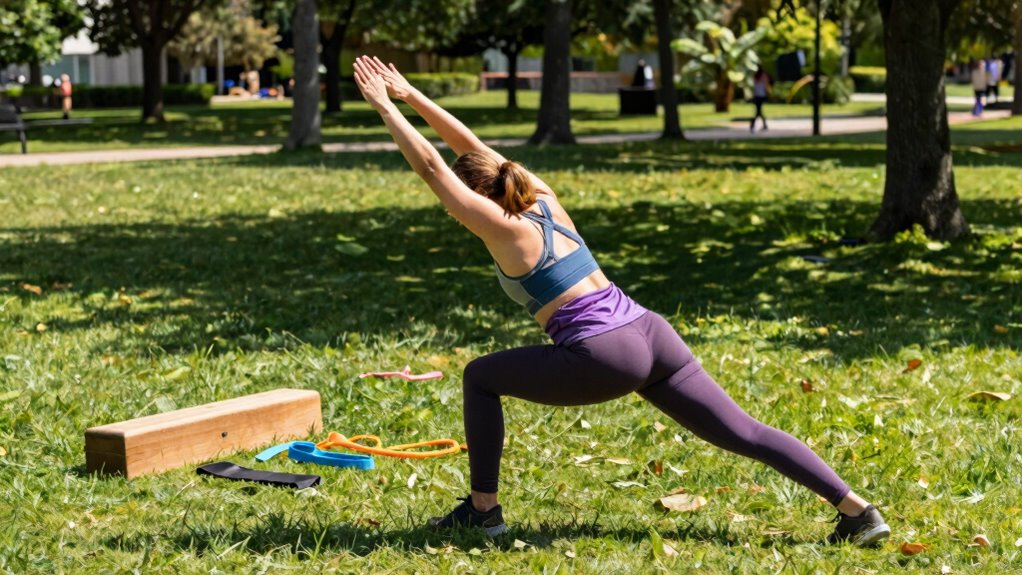
Sitting for extended periods can weaken your muscles, reduce flexibility, and decrease overall energy levels. It’s a common issue in today’s sedentary lifestyle, but the good news is you can rebuild your capacity with intentional movement and smart adjustments. The first step is addressing your workspace setup through ergonomic adjustments. Proper ergonomic setup isn’t just about comfort; it’s about aligning your body in a way that minimizes strain and encourages better posture. Adjust your chair height so your feet are flat on the floor and your knees are roughly at a 90-degree angle. Your monitor should be at eye level to prevent neck strain, and your keyboard and mouse should be within easy reach to avoid overextending your arms. Taking the time to optimize your workspace helps set a foundation for better posture and reduces the risk of developing chronic aches.
Optimize your workspace with ergonomic adjustments to prevent strain and promote better posture.
Once your environment is optimized, focus on posture correction. Poor posture, such as slouching or leaning forward, not only worsens discomfort but also weakens your core and back muscles over time. Incorporate regular posture checks into your routine, and make small adjustments to stay aligned. Sit back fully in your chair, engage your core lightly, and keep your shoulders relaxed and down. If you notice yourself slumping or craning your neck forward, pause and reset your position. Over time, these habits will strengthen your postural muscles and promote better spinal health. Additionally, understanding the importance of ergonomic principles can help you make more informed adjustments to your workspace.
Rebuilding capacity also involves active movement throughout your day. Short, frequent breaks are more effective than long, infrequent ones. Stand, stretch, or walk around for a few minutes every hour. Incorporate simple stretches such as hamstring pulls, chest openers, and neck rotations to loosen tight muscles and improve flexibility. These movements not only counteract the effects of sitting but also boost circulation and energy levels, helping you stay alert and focused. Incorporating movement strategies into your daily routine can significantly enhance your physical resilience and overall well-being.
Additionally, consider targeted exercises to rebuild strength and flexibility. Bodyweight exercises like squats, lunges, and planks are excellent for strengthening core and lower-body muscles. Yoga or tai chi can enhance your flexibility and balance, reducing the risk of injury. Remember, consistency is key—small, daily efforts will accumulate into significant improvements over time. By combining ergonomic adjustments, posture correction, and regular movement, you’ll rebuild your capacity, restore energy, and prevent the long-term effects of too much sitting.
ergonomic office chair with adjustable height
As an affiliate, we earn on qualifying purchases.
As an affiliate, we earn on qualifying purchases.
Frequently Asked Questions
How Long Should I Rest Before Starting Rebuilding Exercises?
You should rest for at least 24 to 48 hours before starting rebuilding exercises, especially if you’ve experienced discomfort or fatigue. During this time, focus on ergonomic adjustments to your workspace and prioritize your mental health by practicing relaxation techniques. This pause helps your body recover, reduces risk of injury, and prepares you mentally and physically for effective exercises that rebuild capacity safely.
Are There Specific Workouts Best for Sitting-Related Capacity Loss?
Think of your body as a garden needing gentle tending. Focus on workouts that target posture correction and incorporate stretching routines to revive your muscles and realign your spine. Exercises like shoulder blade squeezes, chest openers, and hip flexor stretches work wonders. These tailored movements help undo sitting-related damage, restoring strength and flexibility. Consistency is your sunlight—gradually, your body will flourish anew, reclaiming essentiality from the roots up.
How Can I Prevent Future Capacity Decline From Sitting?
To prevent future capacity decline from sitting, focus on posture correction and ergonomic adjustments. Make sure your workspace promotes good alignment by adjusting your chair and desk height, and use supportive accessories like lumbar cushions. Take regular breaks to stretch and move, which helps maintain flexibility and blood flow. Incorporate standing or walking meetings when possible, and stay mindful of your posture throughout the day to protect your capacity.
What Signs Indicate I’Ve Overexerted During Recovery?
You’ll notice overexertion signs like increased muscle soreness, fatigue, or tightness, especially if your posture correction efforts cause discomfort. If muscles feel overly strained or you experience joint pain, it’s a sign to scale back. Pay attention to muscle activation; if certain muscles remain weak or unresponsive despite your exercises, you might be pushing too hard. Rest and gentle movement help prevent overexertion and support effective recovery.
Is Professional Guidance Necessary for Rebuilding Capacity?
Professional guidance isn’t always necessary, but it can be helpful, especially if you’re unsure how to safely rebuild capacity. An expert can recommend ergonomic adjustments to your workspace and suggest effective workplace stretches to prevent injury. They’ll tailor a plan that considers your specific needs, making your recovery smoother. However, if you’re confident, start gradually with ergonomic improvements and daily stretches to rebuild strength safely.
standing desk converter for ergonomic workspace
As an affiliate, we earn on qualifying purchases.
As an affiliate, we earn on qualifying purchases.
Conclusion
Remember, Rome wasn’t built in a day, and your capacity won’t be restored overnight. Be patient, stay consistent, and listen to your body as you re-engage in movement. Small, steady steps will help you regain strength and flexibility. Don’t throw in the towel at the first hurdle—every bit of effort counts. Keep at it, and soon you’ll find yourself back on your feet, stronger and more resilient than ever.
posture corrector brace for adults
As an affiliate, we earn on qualifying purchases.
As an affiliate, we earn on qualifying purchases.
home exercise equipment for core strength
As an affiliate, we earn on qualifying purchases.
As an affiliate, we earn on qualifying purchases.
Fall Picks
fall essentials
As an affiliate, we earn on qualifying purchases.