
TL;DR
Manufacturers have confirmed that DDR5 memory modules will include ECC support, a feature previously associated mainly with DDR4. This change enhances data integrity for enterprise and server applications. The development signals a significant shift in DDR5’s capabilities, though some technical details remain under discussion.
Manufacturers and industry officials have confirmed that DDR5 memory modules will include support for Error-Correcting Code (ECC), a feature critical for data integrity in enterprise and server environments. This marks a significant shift from initial DDR5 specifications, which did not explicitly include ECC, and aligns DDR5 with previous generations like DDR4 that widely supported ECC for high-reliability computing.
The confirmation comes from several major memory module manufacturers, including Micron and Samsung, during recent product launches and industry conferences. These companies stated that DDR5 modules designed for enterprise and server use will incorporate ECC capabilities, allowing for automatic detection and correction of memory errors, thereby reducing data corruption risks.
While DDR5 was initially marketed primarily for consumer desktops and gaming PCs, the inclusion of ECC indicates a broader focus on high-reliability applications. Industry experts note that ECC support in DDR5 could improve stability in data centers, high-performance computing, and mission-critical systems, where data accuracy is paramount.
However, some technical details about how ECC will be implemented in DDR5 are still emerging. It remains to be seen whether ECC will be integrated directly into the memory chips or managed via the memory controller, as was common in DDR4 modules. Additionally, some manufacturers have clarified that ECC support will be available only on specific server-grade or enterprise-oriented DDR5 modules, not on all consumer models.
Why ECC Support in DDR5 Represents a Major Shift
The confirmed inclusion of ECC in DDR5 modules is a significant development for data integrity and system reliability. It enables servers, data centers, and enterprise systems to reduce memory errors that can lead to data corruption, system crashes, or security vulnerabilities. This move aligns DDR5 with previous generations used in mission-critical environments and signals a focus on expanding DDR5’s application scope beyond consumer markets.
For IT infrastructure, this could mean increased adoption of DDR5 in enterprise settings, potentially influencing server architecture and memory management strategies. It also underscores the industry’s recognition of DDR5’s maturity and readiness for high-stakes applications, which could accelerate its market penetration.
As an affiliate, we earn on qualifying purchases.
Evolution of DDR Memory and the Role of ECC
DDR (Double Data Rate) memory has evolved through multiple generations, with DDR4 becoming the standard for most consumer and enterprise systems over the past decade. ECC support has been a hallmark of DDR4 modules used in servers and workstations, providing error detection and correction capabilities that enhance stability and data integrity.
When DDR5 was announced in late 2021, initial specifications did not explicitly specify ECC support, leading to uncertainty about its suitability for high-reliability applications. Over the past year, industry developments and official statements have clarified that ECC will be supported in DDR5 modules designed for enterprise use. This aligns DDR5 with the expectations set by previous generations and broadens its potential applications.
Major memory manufacturers have gradually revealed plans to produce ECC-enabled DDR5 modules, signaling a shift in the market. The move is also driven by increasing demands for data integrity in cloud computing, AI, and high-performance computing sectors.
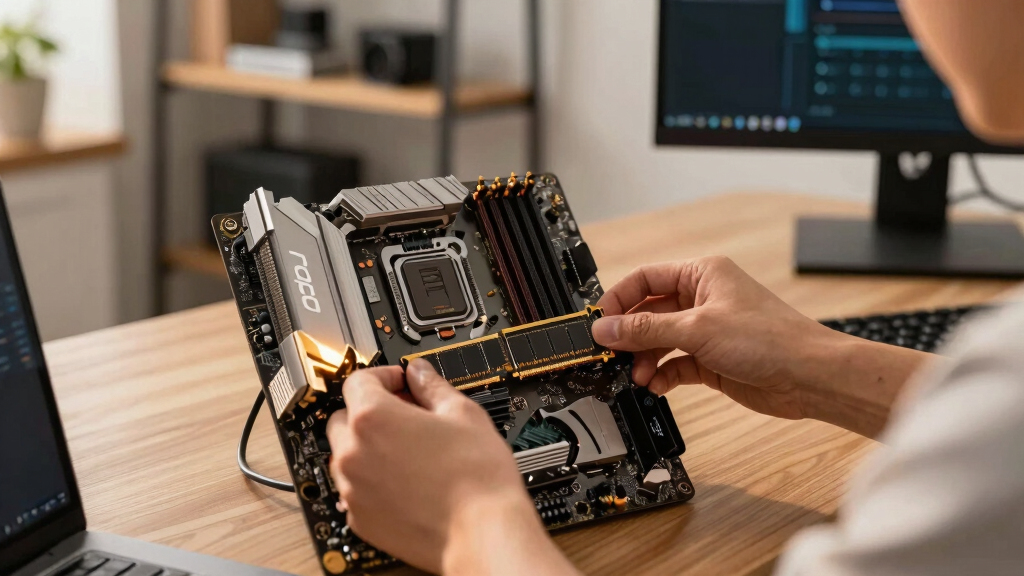
DDR5 server memory with ECC support
As an affiliate, we earn on qualifying purchases.
As an affiliate, we earn on qualifying purchases.
Technical Details of ECC Implementation in DDR5 Still Unclear
While manufacturers have confirmed ECC support, specific technical details remain under discussion. It is not yet clear whether ECC will be integrated directly into the DDR5 chips or managed via the memory controller, as was typical in DDR4 modules. Additionally, it is uncertain whether all DDR5 modules will support ECC or only those intended for enterprise and server markets. Further technical specifications and standards are expected to be published in the upcoming months.
As an affiliate, we earn on qualifying purchases.
Expected Timeline for DDR5 ECC Module Availability and Standards
Manufacturers plan to release ECC-enabled DDR5 modules for enterprise and server markets within the next six months. Industry groups and standards organizations are also expected to publish detailed specifications, clarifying implementation methods and compatibility. Widespread adoption in data centers and enterprise systems is anticipated to follow as hardware and motherboard manufacturers update their products accordingly.
As an affiliate, we earn on qualifying purchases.
Key Questions
Will all DDR5 memory modules support ECC?
No, ECC support in DDR5 is expected primarily for modules designed for enterprise and server use. Consumer-grade DDR5 modules may not include ECC support, but this could change as standards evolve.
How does ECC improve memory reliability?
ECC (Error-Correcting Code) detects and corrects common types of memory errors automatically, reducing the risk of data corruption and system crashes, especially in mission-critical applications.
When will ECC-enabled DDR5 modules be widely available?
Manufacturers aim to release ECC DDR5 modules within the next six months, with broader adoption expected in enterprise and data center markets shortly thereafter.
Does ECC support in DDR5 mean better performance?
ECC primarily enhances data integrity and system stability rather than performance. In some cases, ECC modules may have slightly higher latency, but the primary benefit is increased reliability.
Will consumer motherboards support ECC DDR5 modules?
Support depends on motherboard and chipset capabilities. Many consumer motherboards may not support ECC, but enterprise and server motherboards are expected to include this feature.
Source: hn