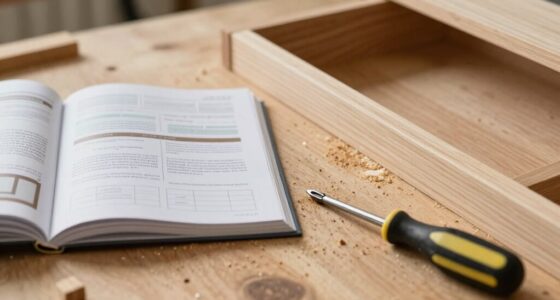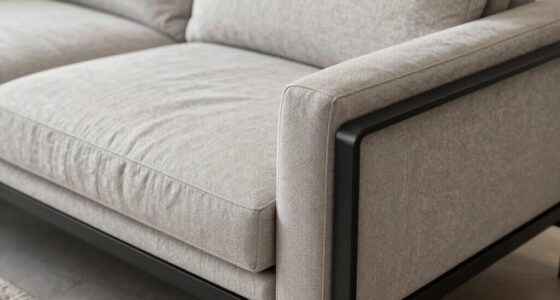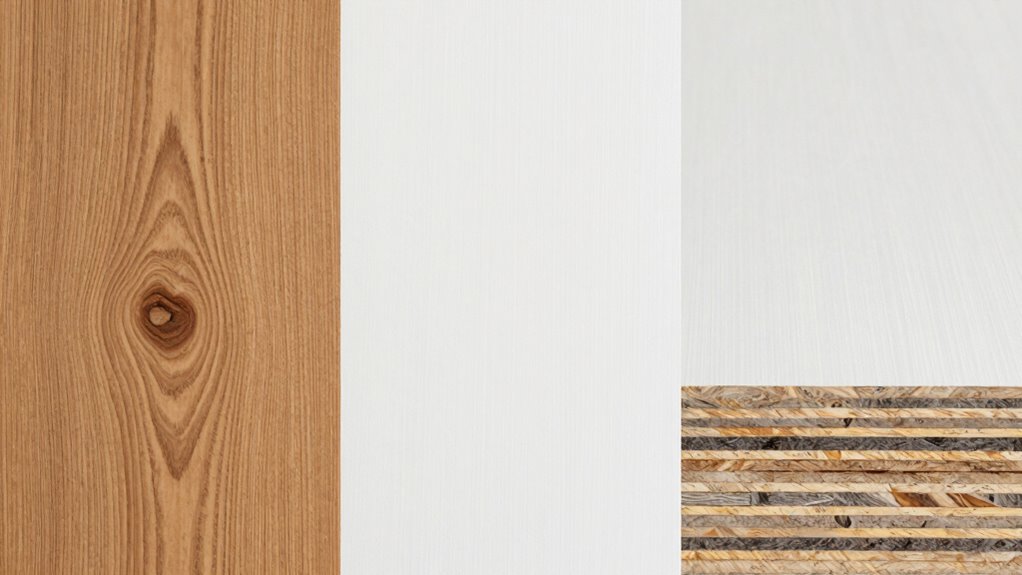

When choosing between plywood, MDF, and solid wood for furniture, consider your needs for durability, appearance, budget, and environment. Plywood offers strength and stability for large projects, MDF provides a smooth surface ideal for painting, and solid wood showcases natural beauty and lasts long with proper care. Each material has unique pros and cons, so understanding these can help you pick the best option. If you want to explore which suits your specific needs best, there’s more to discover.
Open a free Amazon Business account
Business pricing, bulk buying and tax-exempt orders.
As an affiliate, we earn on qualifying purchases.
Key Takeaways
- Solid wood offers natural beauty, durability, and higher cost, ideal for high-end furniture.
- Plywood provides strength, stability, and affordability, suitable for large or humid environments.
- MDF has a smooth, paintable surface, making it perfect for intricate designs and budget-friendly projects.
- Solid wood is less moisture-resistant but highly resilient, while plywood resists warping and splitting.
- MDF is easy to work with but less durable and prone to moisture damage compared to plywood and solid wood.
As an affiliate, we earn on qualifying purchases.
What Are Plywood, MDF, and Solid Wood? An Overview

Plywood, MDF, and solid wood are the most common materials used in furniture making, each offering distinct advantages. Plywood features multiple layers of veneer bonded together, giving it unique grain patterns that can add visual interest. It’s also known for its moisture resistance, making it suitable for areas with high humidity. This quality makes plywood a popular choice for off-road applications, where exposure to the elements is common. Additionally, plywood’s layered construction provides enhanced strength and stability compared to other materials. Understanding material properties can help in selecting the right type for specific furniture needs. MDF, or medium-density fiberboard, has a smooth surface with a consistent appearance and no visible grain patterns, which makes it ideal for painted finishes. It’s less moisture resistant than plywood but still versatile. Solid wood, on the other hand, boasts natural grain patterns that showcase its beauty and character. While it’s generally less resistant to moisture, its strength and durability make it a preferred choice for high-quality furniture. Exploring sustainable materials can also help reduce environmental impact when selecting these materials.
As an affiliate, we earn on qualifying purchases.
How Durable and Strong Are These Furniture Materials?

When it comes to durability and strength, each furniture material offers different benefits suited to specific needs. A strength comparison shows that solid wood is the strongest, providing excellent resilience against impacts and wear. Its durability assessment indicates long-lasting performance, especially with proper care. Plywood ranks high in strength, thanks to its layered construction, making it resistant to warping and splitting. MDF, on the other hand, is less durable; it’s more prone to damage from moisture and heavy loads. While MDF can handle everyday use, it’s not ideal for heavy-duty furniture. Overall, solid wood and plywood outperform MDF in strength and durability, making them better choices for furniture that needs to last and withstand daily use. Cabling solutions and proper installation techniques also play a critical role in ensuring the longevity of furniture, especially for pieces integrated with electronic components. Additionally, understanding the material properties helps in selecting the most suitable option for specific furniture applications. Moreover, considering environmental factors such as humidity and temperature can significantly impact the longevity of these materials. A thorough knowledge of material behavior under stress can further aid in making informed decisions for furniture durability.
As an affiliate, we earn on qualifying purchases.
What Do They Look Like? Aesthetic and Finishing Differences
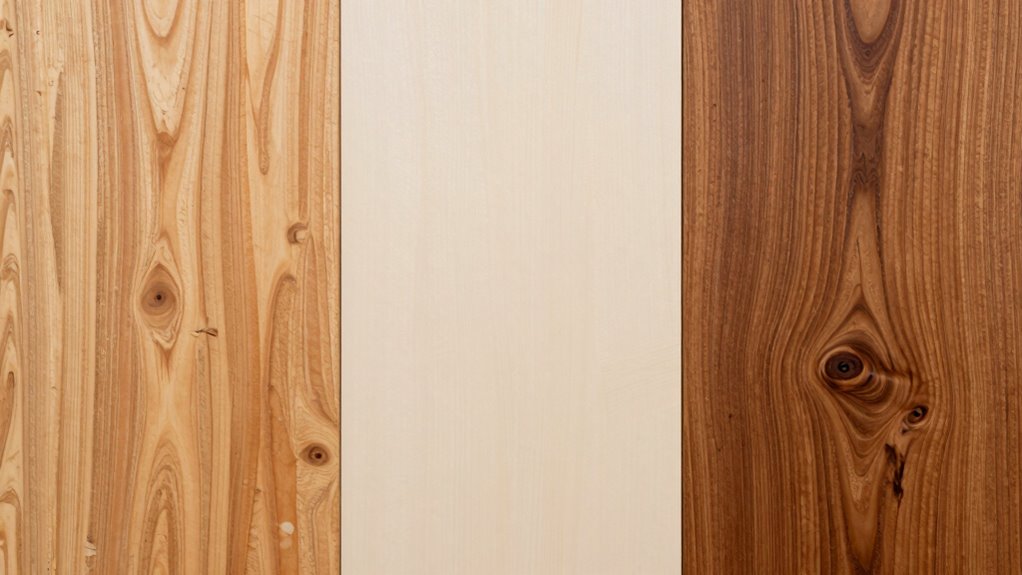
When choosing wood for furniture, you’ll notice differences in surface texture and appearance that can impact your design. The finishing options available also vary in quality, affecting the final look and feel of your piece. Understanding these aesthetic and finishing differences helps you select the right wood to match your style. Additionally, recognizing the grain pattern of each wood type can further influence your choice based on the visual effect you desire.
Surface Texture and Appearance
The surface texture and appearance of different wood types considerably influence the overall look of your furniture. Plywood offers a smooth, uniform surface with minimal grain patterns, often hidden by veneers. MDF has a very flat, consistent surface that’s ideal for painted finishes, with no visible grain. Solid wood displays prominent grain patterns, giving each piece a unique character, and a natural texture that varies from smooth to slightly rough. Additionally, the grain patterns in solid wood can be customized or highlighted through finishing techniques to enhance aesthetic appeal.
Finishing Options and Quality
Finishing options considerably impact the final look and durability of your furniture, highlighting the unique qualities of each wood type. Solid wood offers rich grain patterns that enhance its natural beauty and accept stains well, allowing for a customized finish. Plywood provides a smooth surface that takes stain evenly, but its grain patterns are less prominent. MDF has a uniform surface that’s ideal for painted finishes, though it’s less compatible with stains. When choosing finishes, consider:
- Grain patterns’ visibility and aesthetic appeal
- Stain compatibility for color richness
- Surface smoothness for painting or varnishing
- Durability of the finish based on wood type
- Finishing techniques that complement each wood’s inherent properties can greatly influence the final appearance and longevity of your furniture. Understanding the application of sealants and protective coatings can further enhance the durability of your chosen finish, especially for high-use pieces.
Understanding these factors helps you select the right finishing method to maximize each wood’s unique qualities.
Which Material Is More Cost-Effective for Your Furniture?

When choosing a wood material, you’ll want to contemplate both the upfront costs and how well it holds up over time. Cheaper options might save you money now but could require more maintenance or replacements later. Balancing initial expenses with long-term value helps you pick the most cost-effective choice for your furniture. Considering the durability of materials like Free Floating can also influence your decision, ensuring your furniture remains functional and attractive for years to come. Additionally, understanding the material properties such as resistance to moisture and wear can guide you toward a more sustainable investment. Evaluating testing accuracy in your material selection process can help ensure you choose the most reliable options for your needs. Being aware of cost-effective options can help you make smarter choices that align with your budget and quality expectations, especially when factoring in long-term durability and maintenance needs.
Material Cost Differences
Are you wondering which wood type offers the best value for your furniture project? The material cost differences can significantly impact your budget. Plywood generally has a lower price variation and is more budget-friendly, especially for larger pieces. MDF tends to be affordable but can vary depending on thickness and quality. Solid wood usually costs more upfront but offers durability that might save money long-term. Consider these points:
- Plywood’s lower price variation makes it ideal for budget-conscious projects
- MDF provides affordability but may require additional finishing costs
- Solid wood has higher initial costs but adds value and longevity
- Your choice depends on your budget considerations and desired durability
- Incorporating traditional Indonesian techniques can enhance the craftsmanship and aesthetic appeal of your furniture, potentially influencing your material choice.
Balancing cost with quality will help you select the most cost-effective material for your needs.
Long-Term Investment Value
Choosing the right material for your furniture isn’t just about the upfront cost; it’s about long-term value. When considering budget considerations, think beyond initial prices—how well the material holds up over time matters. Solid wood often offers better durability and repairability options, making it a smarter investment if you want furniture that lasts for decades. Plywood can be more cost-effective initially, but it might require repairs or replacement sooner. MDF is usually the least expensive upfront but can be prone to damage and harder to repair. Investing in higher-quality materials like solid wood can save you money in the long run by reducing replacement costs and providing better repair options, making it the most cost-effective choice for those prioritizing long-term value. Additionally, understanding how seasons affect materials can help in selecting furniture that maintains its appearance and structural integrity over time. Considering material properties can also influence how well furniture withstands environmental changes, further impacting its longevity and overall value. Being aware of material durability can guide you toward choices that better suit your climate and usage habits, ensuring your furniture remains functional and attractive for years to come.
How Easy Is It to Work With Plywood, MDF, and Solid Wood?

Plywood, MDF, and solid wood each present unique challenges and advantages when it comes to working with them. Plywood offers good material versatility and resists warping, but cutting can be tricky without splintering. MDF is easy to cut and shape, making it great for detailed projects, though it produces fine dust that can be messy. Solid wood provides a natural feel and strength, but it’s harder to work with due to grain direction and potential for cracking. When choosing your material, consider these crafting challenges:
- Plywood’s layered structure can splinter
- MDF’s dust requires proper ventilation
- Solid wood needs precise handling to prevent cracks
- All materials benefit from sharp tools and proper technique
Material properties also influence how easily you can work with each type, impacting your overall project outcome. Each material’s ease of use depends on your project goals and skill level.
Are These Woods Sustainable? Environmental Impact and Choices

Sustainability has become a crucial factor when selecting wood for furniture, as the environmental impact of harvesting and processing materials varies widely. When choosing between plywood, MDF, and solid wood, consider how each source is obtained. Responsible sourcing ensures that forests are managed thoughtfully, minimizing deforestation and habitat loss. Solid wood from certified forests typically has a lower environmental footprint, especially when recycled or reclaimed. Plywood and MDF often rely on fast-growing tree species or recycled fibers, which can reduce environmental impact if sourced responsibly. However, some MDF contains formaldehyde-based adhesives, raising concerns about indoor air quality. Additionally, innovative fabric technology such as 3D printing in textiles demonstrates how sustainable manufacturing can be integrated into traditional industries. Ultimately, your choices affect the environment, so look for certifications like FSC or PEFC that verify sustainable sourcing and help reduce the ecological footprint of your furniture.
Which Material Is Best for Different Furniture Types and Uses?
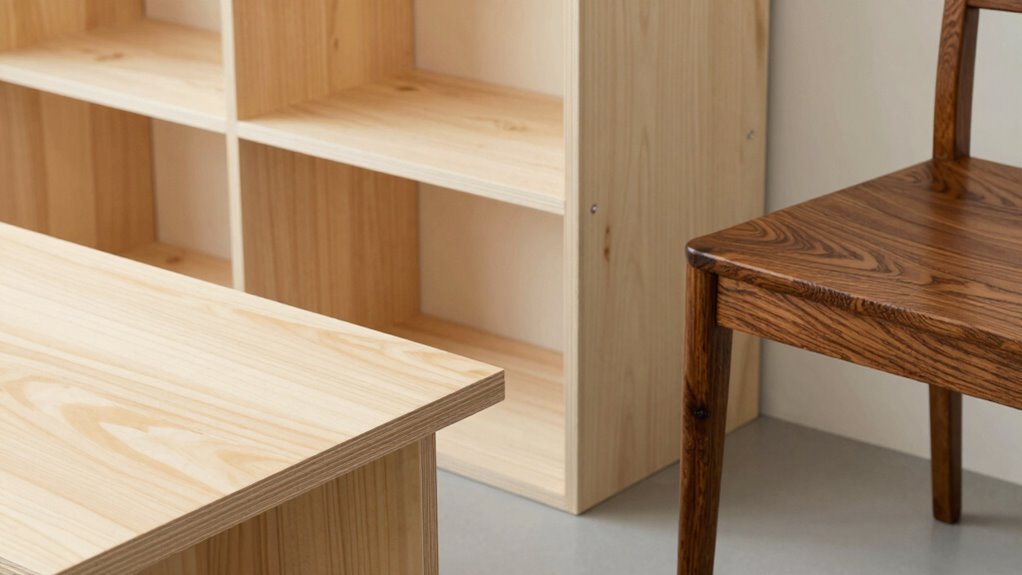
Different furniture pieces demand different materials to guarantee durability, appearance, and functionality. For example, solid wood excels in classic, high-end furniture thanks to its design versatility and durability. Plywood is ideal for larger projects like cabinets because it’s stable and cost-effective. MDF works well for painted surfaces and intricate designs, offering smooth finishes but requires careful maintenance considerations. Additionally, considering Vetted – Floating on Water can help prevent issues caused by moisture exposure, especially for MDF and plywood used in humid environments. Selecting appropriate moisture barriers can further enhance the longevity of such furniture in challenging conditions. Understanding the properties of each material can also aid in choosing the right type for specific furniture applications, ensuring both durability and aesthetic appeal.
Frequently Asked Questions
How Do Moisture Levels Affect Plywood, MDF, and Solid Wood Furniture?
Moisture levels considerably impact your furniture’s durability. High humidity causes plywood and MDF to swell, reducing swelling resistance over time, while solid wood can crack or warp if exposed to fluctuating moisture. To protect your furniture, keep humidity consistent, avoid direct water contact, and use sealants. This helps preserve their structure, maintain their appearance, and extend their lifespan, ensuring your furniture stays beautiful and functional longer.
Can These Materials Be Recycled or Reused Effectively?
Think of recycling these materials like turning a classic story into a new chapter. You can recycle plywood, MDF, and solid wood through dedicated processes, though each varies in effectiveness. Plywood and MDF often get repurposed for projects like furniture or flooring, showcasing their reuse potential. Solid wood, with its durability, can be reused or repurposed many times, making it an eco-friendly choice for extending the life of your furniture.
What Maintenance Practices Extend the Life of Furniture Made From These Woods?
You can extend your furniture’s life by applying protective coatings like sealants or varnishes, which guard against moisture and scratches. Additionally, practice proper cleaning with soft, damp cloths, avoiding harsh chemicals that can damage the surface. Regular maintenance, such as tightening loose screws and avoiding direct sunlight, also helps preserve your furniture, ensuring it stays durable and attractive for years to come.
Are There Health Concerns Associated With MDF Dust During Cutting or Sanding?
Yes, MDF dust during cutting or sanding can pose health concerns, affecting indoor air quality. Breathing in fine dust may cause respiratory issues or skin irritation. To protect yourself, use dust mitigation techniques like masks, proper ventilation, and dust extraction systems. Always work in well-ventilated areas and clean surfaces thoroughly afterward. Taking these precautions helps minimize health risks and keeps your indoor environment safer during woodworking projects.
How Do These Materials Perform in Different Climate Conditions?
Think of these materials as weather’s dance partner; plywood, with its layered strength, adapts well to humidity, resisting warping. MDF stays steady indoors but swells with moisture, while solid wood gracefully responds to climate swings, expanding or contracting. Their environmental impact varies, with MDF’s glues raising concerns, yet its aesthetic versatility shines in painted finishes. Choose wisely, considering how your climate’s rhythm will influence your furniture’s beauty and durability.
Conclusion
Choosing between plywood, MDF, and solid wood is like picking the perfect brush for your masterpiece. Each material brings its own character and charm to your furniture story. Think of plywood as your resilient sidekick, MDF as the smooth operator, and solid wood as the timeless hero. By matching their strengths to your needs, you’ll craft pieces that not only stand the test of time but also tell a story as rich as a forest’s whisper.
Flea & tick season Picks
flea and tick prevention
As an affiliate, we earn on qualifying purchases.