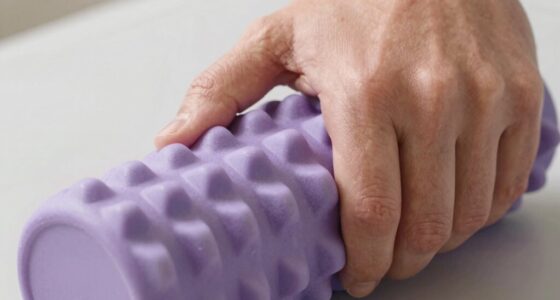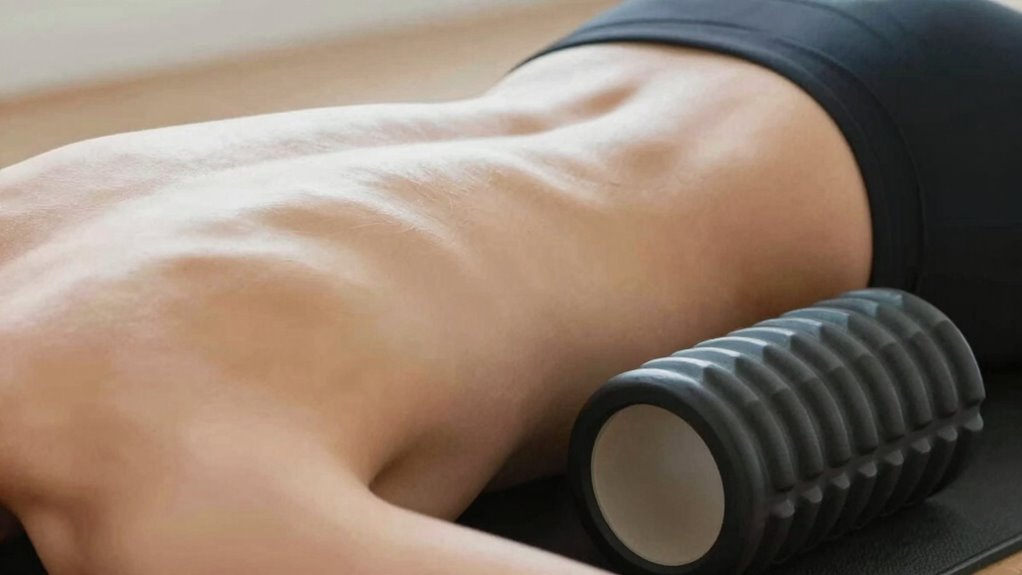

Foam rolling the lower back is different because this area contains the spine, making it more vulnerable to injury. Unlike other muscles, you need to be cautious about applying pressure directly on vertebrae or sensitive regions. Proper technique involves supporting your weight and focusing on surrounding muscles, not the spine itself. If you’re careful and aware of your body’s signals, foam rolling can help. Keep exploring to learn safe methods and alternatives to improve your back health.
Key Takeaways
- The lower back contains the spine, making it more vulnerable to injury during foam rolling.
- Proper technique is essential to avoid applying excessive pressure directly on vertebrae.
- Foam rolling the lumbar muscles differs from other areas due to proximity to sensitive spinal structures.
- Caution is needed to prevent strain or aggravation of existing back issues.
- Focus on surrounding muscles rather than vertebral column for safe and effective lower back foam rolling.
Is Foam Rolling Safe for the Lower Back?
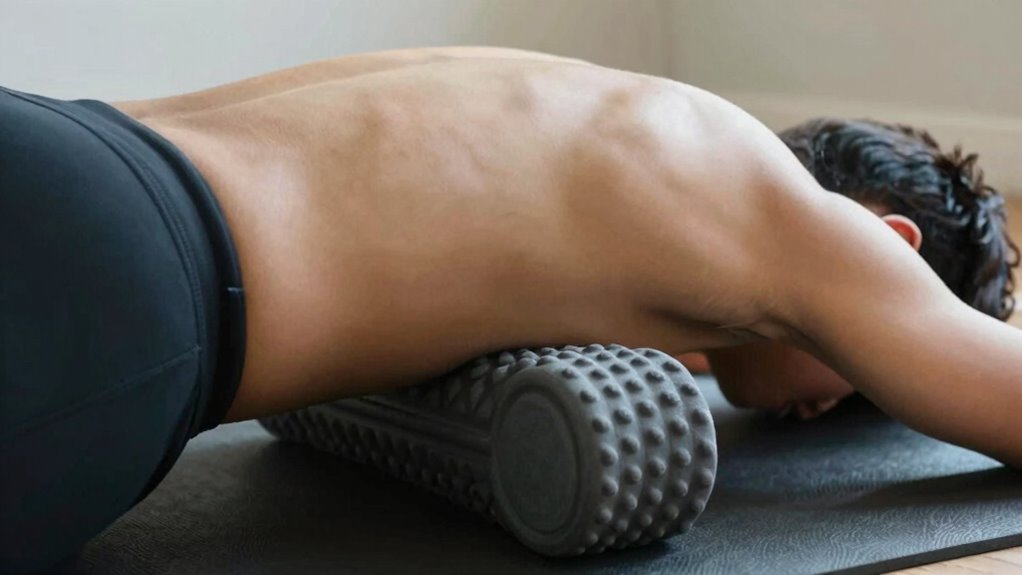
Many people wonder if foam rolling the lower back is safe, especially since this area can be sensitive or prone to injury. If done correctly, foam rolling can promote muscle relaxation, helping reduce tension that may contribute to discomfort or strain. It’s important to avoid applying excessive pressure directly on the spine to prevent injury. Instead, focus on the muscles surrounding the lower back, like the lumbar muscles, with gentle, controlled movements. Foam rolling can be a safe way to release tightness and improve flexibility when approached carefully. Incorporating proper foam rolling technique can help maximize benefits while minimizing risks. Additionally, understanding muscle anatomy helps target the right areas and avoid unnecessary discomfort. Recognizing proper pressure application is essential for safe foam rolling practices. When used properly, foam rolling supports injury prevention by maintaining healthy muscle tissue and preventing strain-related issues. Being aware of safe foam rolling practices ensures you can enjoy the benefits without risking harm. Practicing self-myofascial release techniques correctly can further enhance safety and effectiveness.
Why Is Foam Rolling the Lower Back Different?
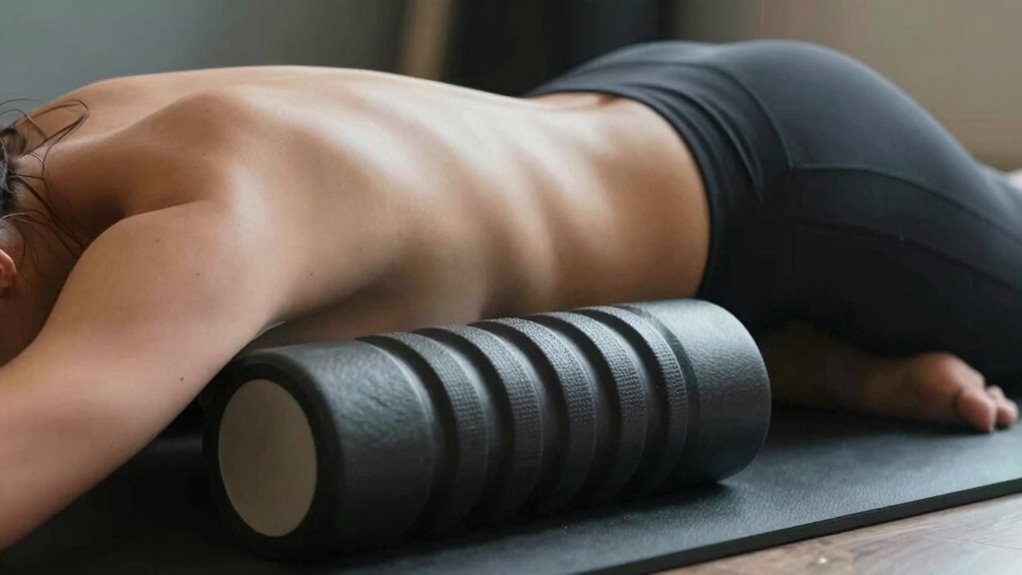
Foam rolling the lower back is different because this area contains the spine, which is more vulnerable to injury if not handled carefully. Understanding spinal anatomy is essential, as the lower back supports your upper body’s weight and protects critical nerves. Applying too much pressure or rolling directly on the spine can cause strain or injury. Additionally, muscle tension in the lower back can vary widely, with some areas being more sensitive or tight than others. Unlike other muscle groups, the lower back’s proximity to the spine means you need to be cautious to avoid aggravating underlying issues. Proper technique and awareness of your body’s responses are fundamental to safely benefit from foam rolling this delicate area. Recognizing the importance of spinal health can help prevent potential setbacks during your foam rolling routine. Being aware of muscle sensitivity can further ensure a safe and effective foam rolling experience. Paying attention to body feedback during rolling can also help prevent overstressing this vulnerable region. Developing an understanding of safe foam rolling practices can enhance your overall technique and safety. Additionally, considering individual variability in muscle and joint structure can optimize your approach and minimize risks.
How to Foam Roll Your Lower Back Safely
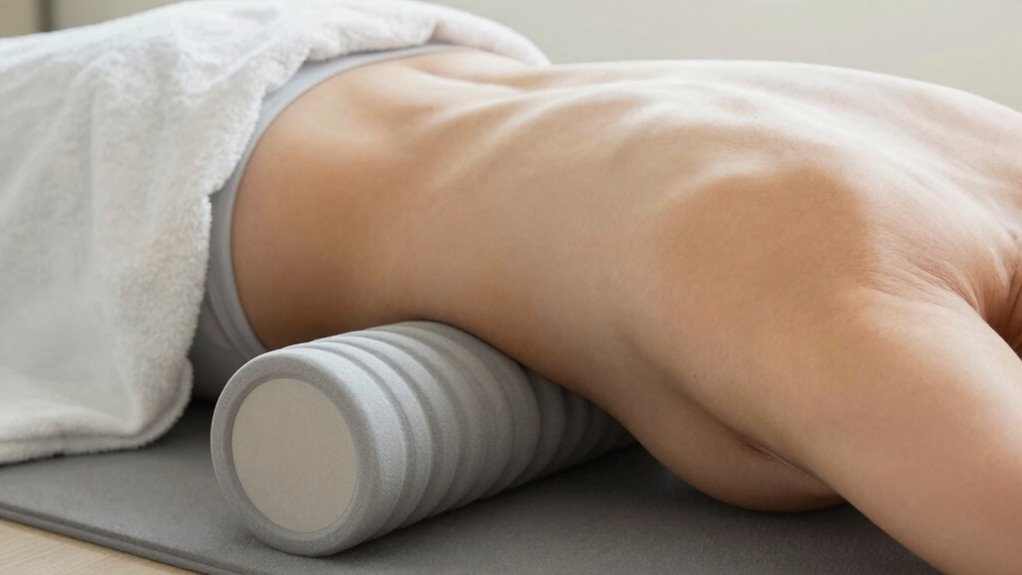
To foam roll your lower back safely, start by positioning yourself carefully to avoid putting direct pressure on your spine. Lie on your back with the foam roller placed horizontally under your lower back, ensuring it targets the muscles surrounding your spinal anatomy rather than the vertebrae themselves. Support your weight with your legs, keeping your core engaged, to control pressure. Roll gently over the muscles, focusing on areas of muscle tension without forcing movements. Avoid rolling directly over your spine to prevent injury. Keep your movements slow and deliberate, listening for any pain or discomfort. This technique allows you to release muscle tension safely while protecting your lower back’s delicate structures. Proper positioning ensures effective relief without risking harm. Additionally, understanding muscle anatomy can help you target the right areas and avoid sensitive structures. Focusing on muscle groups specific to your lower back can enhance your foam rolling effectiveness and safety. Being mindful of pressure distribution can further prevent unnecessary strain during the process. Incorporating awareness of pressure points can help you identify and release tension more effectively. Paying attention to body cues can guide you to avoid overexertion and ensure a safe foam rolling session.
Signs You Should Stop Foam Rolling or Avoid It
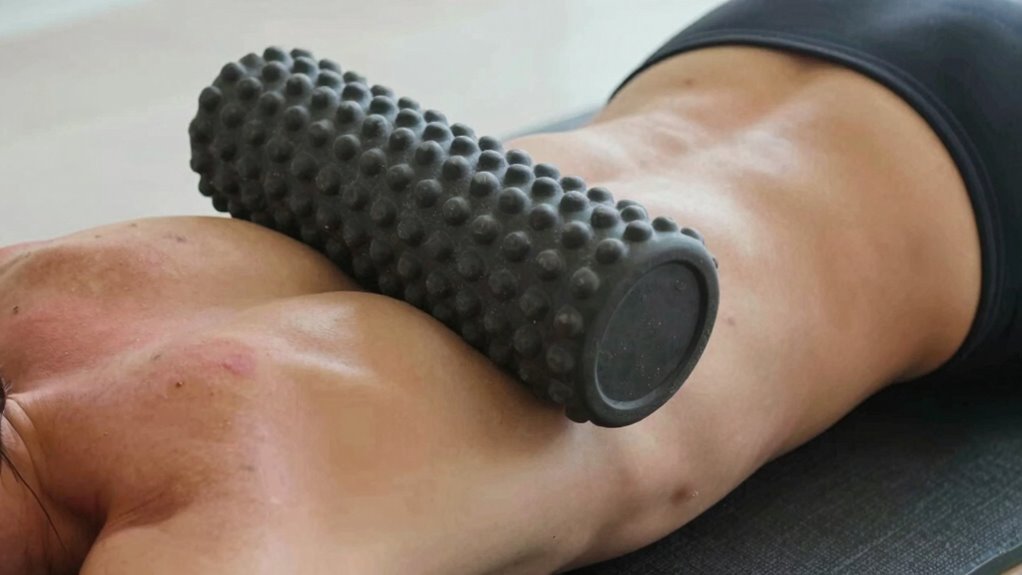
If you notice persistent or worsening pain while foam rolling, it’s a clear sign to stop immediately. Pain that lingers or intensifies suggests you may be aggravating muscle tension or irritating your joints. Foam rolling should help reduce tension and improve flexibility, not cause discomfort. If you experience sharp or stabbing pain, avoid applying pressure on sensitive areas or bony prominences. Tightness that worsens or doesn’t improve after rolling indicates you might be overdoing it or targeting the wrong spots. Remember, foam rolling shouldn’t feel painful; instead, it should promote relaxation and increased joint flexibility. If discomfort persists, it’s best to consult a healthcare professional before continuing, to prevent injury or further strain. Recognizing physical and emotional signs of distress can help prevent overexertion and ensure safe practice. Additionally, being aware of proper technique and precautions can significantly reduce the risk of injury during foam rolling. Incorporating proper recovery practices can further support your overall mobility and prevent setbacks. Paying attention to your body’s feedback signals is essential for safe and effective foam rolling sessions. It’s also beneficial to understand how muscle anatomy and trigger points influence your response to foam rolling for more targeted relief.
Alternatives to Foam Rolling for Lower Back Mobility
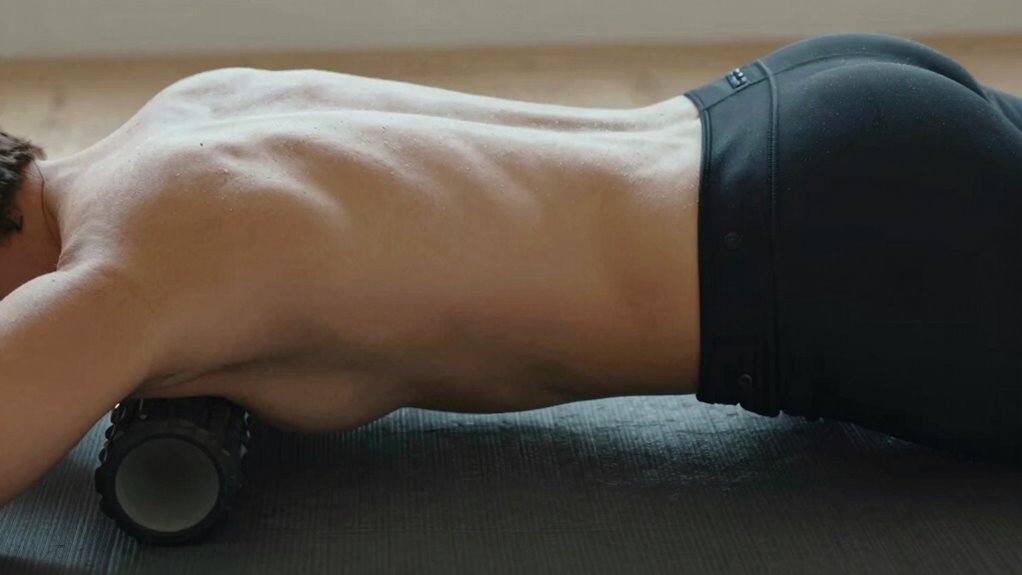
Looking for effective ways to improve your lower back mobility without foam rolling? Focus on enhancing hip flexibility and core strength. These strategies can make a significant difference and prevent discomfort. Gentle stretching routines, like hip openers and hamstring stretches, boost hip flexibility. Additionally, core exercises such as planks and bird dogs strengthen your deep abdominal muscles, supporting your lower back. Incorporating training tips can further optimize your routine for better results. Paying attention to proper caregiving techniques also helps reduce overall strain and maintain mobility. Understanding the time-related aspects of movement can help you better structure your workouts for improved efficiency and recovery. Emphasizing evidence-based practices ensures your approach aligns with current scientific understanding, maximizing benefits. Incorporating luxury recovery tools, such as heated massage devices or ergonomic accessories, can enhance your mobility efforts and promote relaxation.
Frequently Asked Questions
Can Foam Rolling Worsen Existing Lower Back Injuries?
Yes, foam rolling can worsen existing lower back injuries if you’re not careful. If you have an injury or muscle strain, applying pressure might trigger injury aggravation or further muscle strain. Always listen to your body and avoid rolling directly on painful areas. Consult a healthcare professional before foam rolling, especially if you suspect an injury, to prevent causing more harm and guarantee safe recovery.
How Often Should I Foam Roll My Lower Back?
You should foam roll your lower back 2-3 times a week, following frequency guidelines to prevent injury risk. Avoid overdoing it, as excessive rolling can cause irritation or worsen existing issues. Focus on gentle pressure and listen to your body. If you experience pain or discomfort, reduce the frequency or consult a healthcare professional. Regular, moderate foam rolling helps loosen muscles without risking injury.
Are There Specific Foam Roller Types Best for the Lower Back?
Yes, for your lower back, choose a foam roller with moderate density to avoid excessive pressure. A roller shape with a rounded or contoured design works best, helping target the muscles gently and comfortably. Avoid overly firm rollers, as they can cause discomfort or injury. Focus on rollers that provide enough support, and always listen to your body to prevent strain or soreness during your foam rolling sessions.
Can Foam Rolling Replace Stretches or Physical Therapy?
Foam rolling shouldn’t replace stretches or physical therapy, but it can serve as a helpful stretch alternative for releasing muscle tension. It’s a supplementary tool that enhances your recovery, yet it isn’t a complete therapy replacement. For persistent or severe pain, you need professional guidance from a physical therapist. Use foam rolling alongside stretches and therapy to optimize your back health, but don’t rely on it solely to address serious issues.
What Are the Long-Term Benefits of Foam Rolling the Lower Back?
Imagine your lower back as a tense rubber band, and foam rolling as gently stretching it to release built-up tension. Long-term, you’ll notice muscle relaxation and improved flexibility, making daily movements smoother and reducing discomfort. Over time, this practice helps prevent injuries and enhances posture. Consistently rolling fosters a resilient, more limber back, empowering you to move freely and confidently, with lasting comfort and ease.
Conclusion
Remember, your lower back is a delicate area that deserves gentle care. While foam rolling can be helpful, pushing too hard might be like trying to wake a sleeping giant. Listen to your body and know when to pause. Sometimes, exploring softer approaches or consulting a professional can keep your back feeling just right. Respecting its unique needs guarantees you stay on the path to comfort and mobility without stirring up unnecessary trouble.