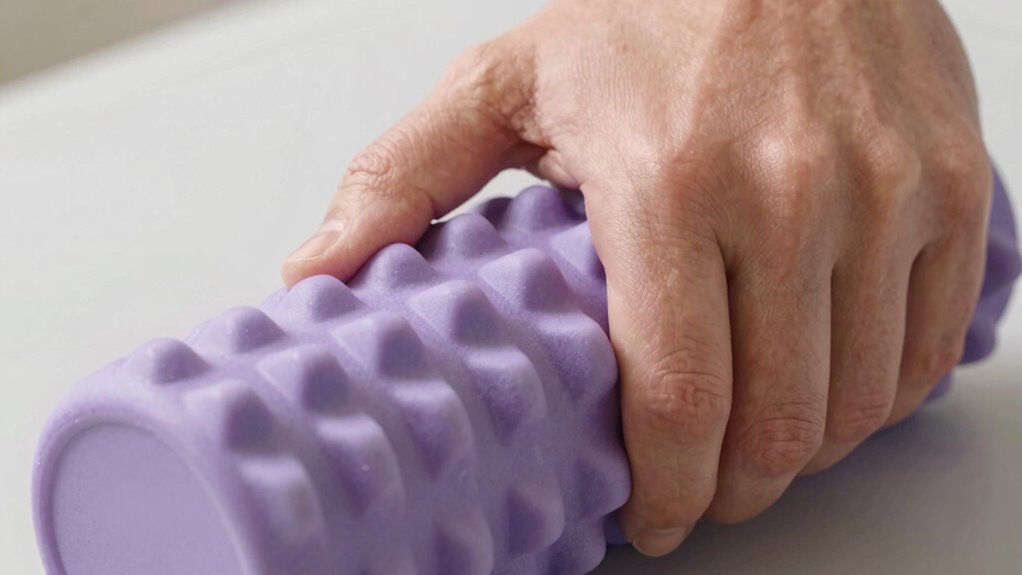

Applying more pressure during self-massage isn’t better because it can cause tissue damage, muscle soreness, and increase inflammation. Too much force risks bruising, nerve irritation, and prolongs recovery time. Instead, focus on gentle, controlled movements and listen to your body’s signals. Proper technique and awareness help you get relief without harm. Keep pushing gently—if you want to learn how to massage safely and effectively, there’s more you should know.

Get comfort and recovery gear delivered free with Prime
- Fast, free delivery on millions of items
- Prime Video, Amazon Music and more included
- Member-only deals all year
Key Takeaways
- Excessive pressure can damage muscles, tissues, and skin, leading to soreness, bruising, or injury.
- Too much force may cause muscle fatigue, inflammation, and worsen pain rather than relieve it.
- Gentle, moderate pressure stimulates relaxation and effective relief without risking tissue trauma.
- Overpressing can irritate nerves, increase discomfort, and delay recovery processes.
- Listening to your body’s responses ensures safe massage, as more pressure isn’t always more effective.
As an affiliate, we earn on qualifying purchases.
How to Find the Right Pressure for Self-Massage
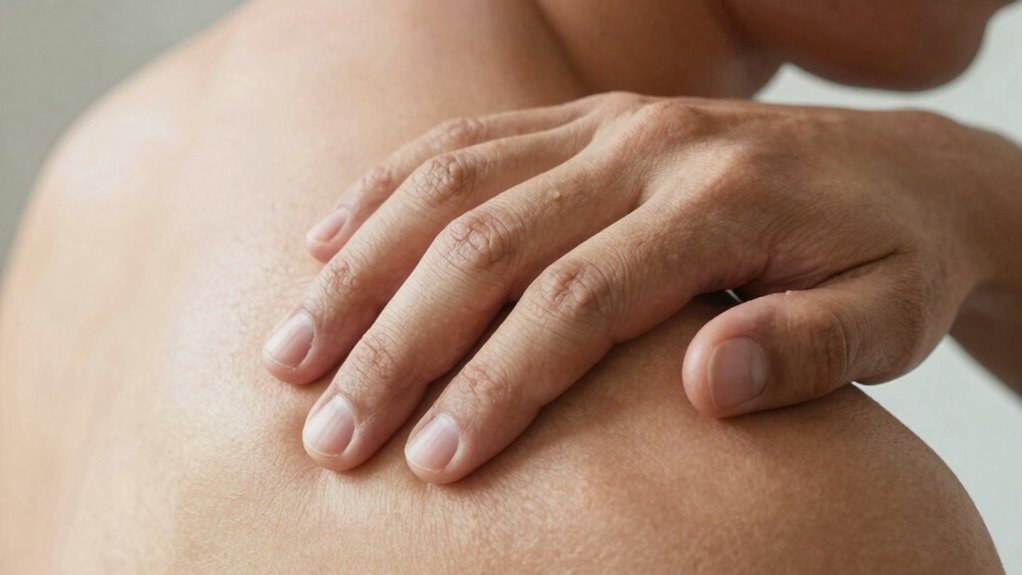
Finding the right pressure during self-massage is essential to get relief without causing discomfort. To do this, focus on pressure calibration—adjusting how much force you apply to avoid overstimulating your muscles. When selecting a massage device, opt for one with adjustable intensity settings. Start with the lowest setting and gradually increase until you find a comfortable, effective pressure. Pay attention to how your muscles respond; if you feel pain or excessive soreness, back off. Remember, the goal is to relax and promote circulation, not to cause more tension. Proper pressure calibration and choosing the right device help guarantee your self-massage is both safe and beneficial, providing relief without risking injury. Understanding massage tool features can further enhance your ability to select the best device for your needs. Additionally, being aware of pressure calibration techniques and muscle response cues can help you fine-tune your massage experience for optimal comfort and effectiveness. Incorporating feedback from your body allows for continuous adjustment and better results over time.
As an affiliate, we earn on qualifying purchases.
Why Applying Too Much Pressure Can Harm Your Muscles
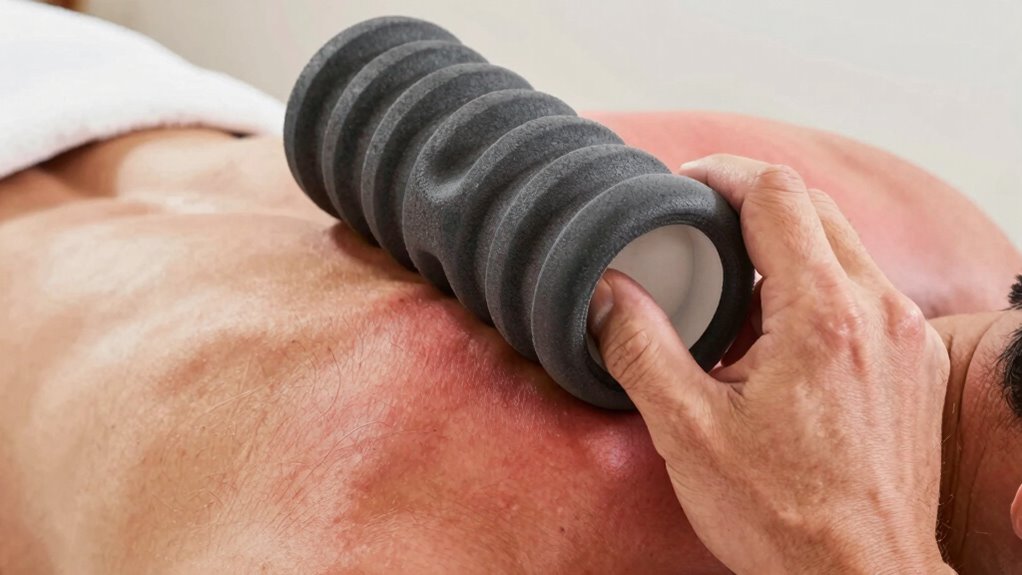
Applying too much pressure during self-massage can do more harm than good because it risks damaging your muscles and tissues. Excessive force often leads to muscle fatigue, making your muscles weaker and more prone to injury. Pushing too hard can also cause tissue inflammation, resulting in soreness, swelling, and prolonged discomfort. Instead of relieving tension, overdoing it may worsen your pain and hinder recovery. Your muscles need gentle, controlled pressure to relax effectively without strain. Remember, more pressure isn’t always better; it can compromise your muscle health and delay healing. Using the right massage tools can help you apply appropriate pressure and prevent injury. Proper technique is essential to reap the benefits of self-massage safely. Listening to your body and adopting correct pressure application are key to avoiding these risks and getting the benefits of self-massage safely. Incorporating evidence-based practices ensures that your self-massage routine remains safe and effective.
Additionally, understanding muscle response can guide you in applying the right amount of pressure for optimal results.
muscle relaxation massage roller
As an affiliate, we earn on qualifying purchases.
As an affiliate, we earn on qualifying purchases.
Understanding the Risks of Overdoing It
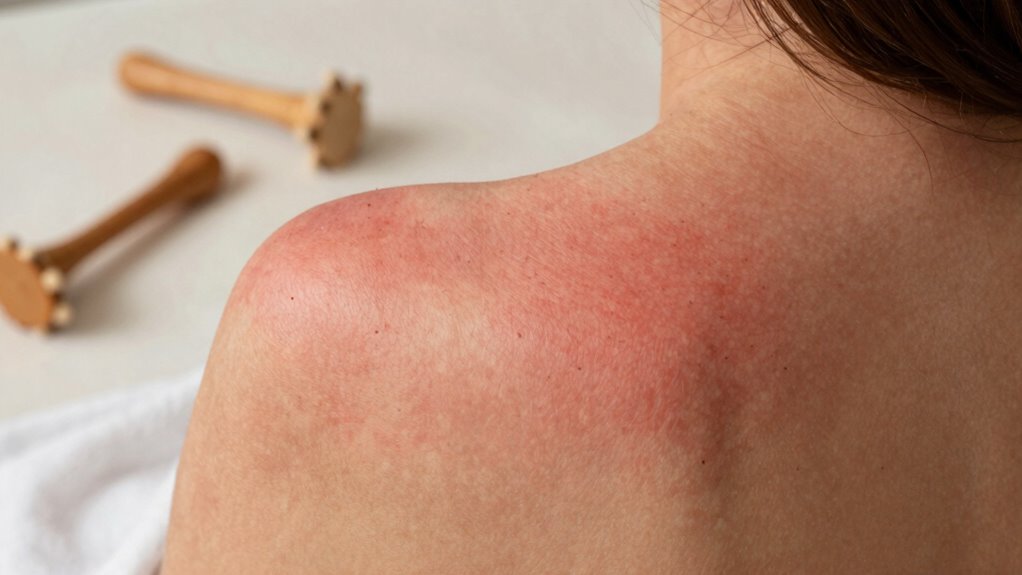
Pushing too hard during self-massage can increase the risk of tissue damage and bruising. You might also amplify nerve sensitivity, leading to discomfort or pain. It’s essential to find a balance to avoid these potential issues while still gaining relief. Overdoing it can sometimes cause more harm than good, so listening to your body’s signals is crucial. Additionally, being aware of proper pressure techniques can help prevent injury and ensure a safe self-massage experience. Recognizing safe pressure levels and adjusting accordingly can make a significant difference in achieving therapeutic benefits without adverse effects. Moreover, understanding muscle response can guide you in applying the right amount of pressure for effective relief without overstressing tissues. Being mindful of tissue sensitivity can help tailor your approach to prevent overstimulation and enhance safety. Ethical considerations in health practices
Increased Tissue Damage Risks
While self-massage can offer relief, overdoing it can lead to increased tissue damage. Applying too much pressure or massaging too aggressively can cause muscle strain, which weakens the tissue instead of healing it. Repeated excessive force may also break down muscle fibers and connective tissue, resulting in inflammation and pain. Over time, this tissue damage can slow recovery, increase soreness, and even lead to more serious injuries. It is important to recognize tissue response to avoid injury and optimize benefits. Learning to interpret your body’s signs of strain can help prevent overexertion. It’s tempting to push harder to get quicker results, but this often backfires. Instead, gentle, controlled pressure helps improve circulation without risking harm. Recognizing your limits and avoiding excessive force protects your muscles from unnecessary damage and ensures your self-massage remains a safe, effective tool for relief. Additionally, being aware of your body’s tissue healing process can help you better gauge appropriate pressure levels. Incorporating knowledge about muscle recovery can further guide safe self-massage practices.
Nerve Sensitivity Amplification
Overdoing self-massage not only risks tissue damage but can also heighten nerve sensitivity, leading to increased discomfort and pain. When you apply excessive pressure, you may trigger nerve sensitivity, causing your nerves to become more reactive to touch. This heightened state can result in pain amplification, where minor stimuli feel more intense or even painful. Instead of easing tension, over-massaging can irritate nerves, making you feel more discomfort rather than relief. This increased nerve sensitivity can persist even after you finish, prolonging soreness and complicating recovery. To avoid this, keep pressure gentle, listen to your body’s signals, and recognize that more force doesn’t equate to better results. Proper technique helps prevent nerve overstimulation and keeps your self-massage safe and effective. Understanding nerve responses is essential for maintaining safe massage practices and avoiding unnecessary discomfort. Additionally, nerve sensitivity amplification can sometimes lead to long-term issues if neglected. Being mindful of nerve reactivity can help you adjust your technique and prevent adverse effects, especially when considering proper pressure application techniques to protect nerve health.
Muscle Bruising Concerns
Even gentle pressure can cause muscle bruising if you apply it too aggressively or for too long. Muscle bruising occurs when you push too hard, leading to tissue trauma beneath the skin. This trauma can cause blood vessels to break, resulting in visible discoloration and soreness. Overdoing self-massage increases the risk of damaging fragile tissues, especially in sensitive or already inflamed areas. It’s tempting to press harder for faster relief, but excessive force can backfire by causing more harm than good. To avoid tissue trauma, use moderate pressure and limit massage time. Pay attention to your body’s signals—discomfort or tenderness may indicate you’re applying too much pressure. Remember, gentle, consistent strokes are more effective and safer than forceful, prolonged pressure. Incorporating herbal baths and spices can also support muscle recovery and reduce inflammation. Additionally, understanding your skin’s sensitivity can help prevent unintended injury during self-massage. Being aware of your body’s response can guide you to avoid applying too much pressure and help prevent tissue damage. Recognizing the importance of proper technique is essential for safe self-care practices and avoiding unnecessary injuries.
As an affiliate, we earn on qualifying purchases.
Safe Techniques for Effective Self-Massage
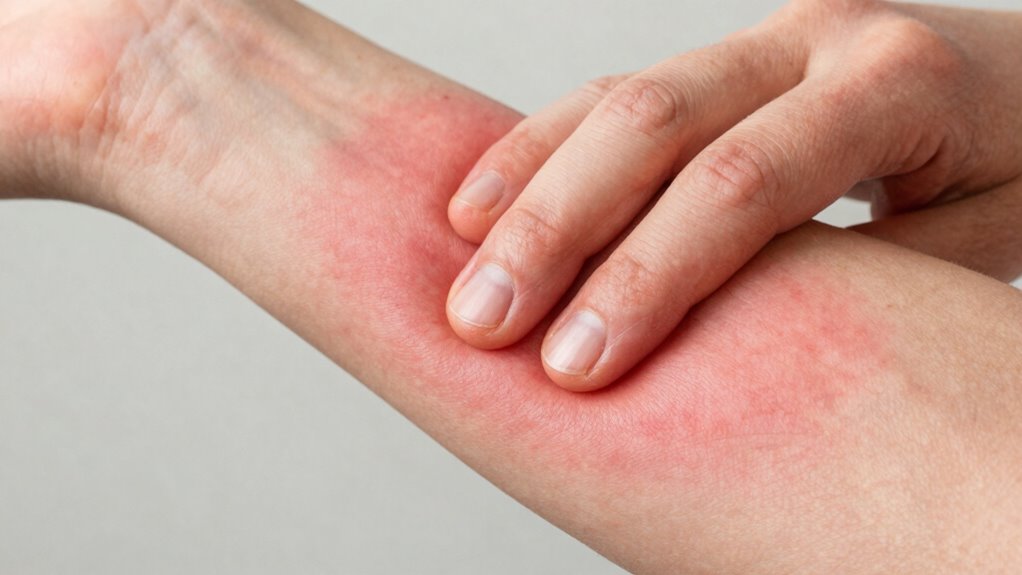
To get the most benefit from self-massage, you should maintain gentle pressure that feels comfortable. Be sure to use proper techniques to target muscles effectively without causing discomfort. Also, avoid sensitive areas like the face or joints to prevent irritation or injury.
Maintain Gentle Pressure
Maintaining gentle pressure during self-massage guarantees you target muscles safely and effectively. Applying too much force can cause discomfort or injury, especially around pressure points that are sensitive. Instead, focus on light, consistent pressure to encourage muscle relaxation without overstimulating tissues. Gentle pressure allows you to access deeper layers gradually, promoting relief without risking soreness. When you press too hard, you might block blood flow or irritate nerves, hindering the relaxation process. Remember, effective self-massage isn’t about force but about careful, mindful touch. By keeping your pressure gentle, you ensure a soothing experience that releases tension smoothly and safely, helping your muscles relax and recover without unnecessary discomfort or harm.
Use Proper Technique
Using proper technique is essential for maximizing the benefits of self-massage while minimizing the risk of injury. Start by selecting the right tools, such as massage tools, to target specific areas effectively. Apply gentle pressure and use slow, controlled movements to avoid overstressing muscles. Incorporate massage oils to reduce friction and allow smooth gliding, which helps prevent skin irritation and enhances comfort. Keep your movements steady and avoid sudden presses, especially when working on sensitive or tender areas. Focus on relaxing the muscles rather than forcing deep pressure. Proper technique ensures you get relief without causing discomfort or harm. Remember, consistency and patience are key; rushing can lead to ineffective results or injury. Use your hands, tools, and oils mindfully for safe, effective self-massage.
Avoid Sensitive Areas
While self-massage can provide many benefits, it’s important to avoid sensitive areas that could cause discomfort or injury. Respect your personal boundaries by steering clear of spots like the front of your neck, groin, or behind your knees. These areas tend to be more fragile and sensitive. Visualize your body as a grid:
| Sensitive Areas | Safer Zones |
|---|---|
| Neck front | Shoulders and upper back |
| Groin | Outer thighs |
| Behind knees | Calves and feet |
| Inner wrists | Outer arms |
Focusing on less sensitive regions ensures a safe, comfortable experience. Always listen to your body, and if something feels uncomfortable, stop and adjust your technique. Safeguarding your personal boundaries helps prevent injury and maximizes the benefits of self-massage.
How to Recognize When You’re Pushing Too Hard
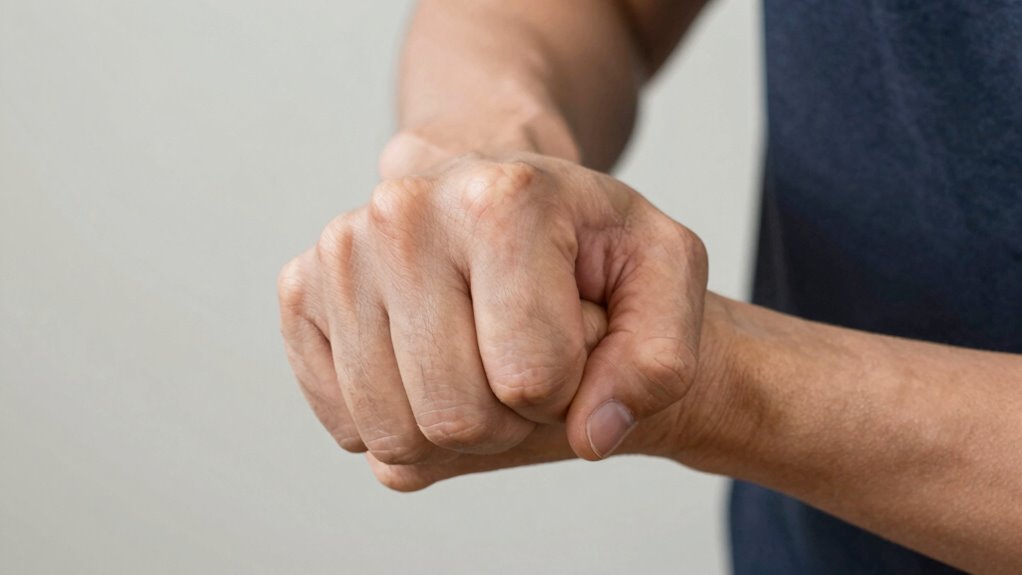
You can often tell you’re pushing too hard during self-massage when your muscles start to feel tender or sore afterward, rather than relaxed. This is a sign that your pressure awareness needs adjustment. Pay attention to how your body responds; if you notice increased pain or discomfort, your massage intensity is likely too high. Gentle, controlled pressure should produce a soothing sensation, not pain. It’s important to listen to these signals to avoid overstimulation or injury. Instead of forcing deeper pressure, focus on maintaining a comfortable, moderate touch. Over time, you’ll develop a better sense of your body’s limits and find the right balance. Remember, effective self-massage isn’t about the amount of pressure but about feeling what’s best for your muscles.
Tips to Prevent Injury and Maximize Benefits in Self-Massage

To prevent injury and get the most benefit from self-massage, it’s essential to start gently and listen to your body’s responses. Many massage myths suggest that more pressure equals better results, but pressure perception varies widely. Applying excessive force can cause damage rather than relief. To optimize your self-massage:
- Begin with light pressure, gradually increasing as comfort allows.
- Focus on areas that feel tender or tense, avoiding pain.
- Use slow, controlled movements to prevent overstimulation.
- Pay attention to your body’s feedback instead of relying on the myth that more pressure equals more benefit.
Frequently Asked Questions
Can Self-Massage Replace Professional Therapy Completely?
Self-massage can’t fully substitute professional therapy because of professional limitations and self-massage risks. You might miss underlying issues that require specialized knowledge or equipment. While self-massage helps with tension, it lacks the expertise to address complex conditions. Relying solely on it could lead to injury or ineffective treatment. For persistent or severe problems, consulting a professional ensures safe, targeted care that self-massage alone can’t provide.
How Long Should Each Self-Massage Session Last?
Like a gentle breeze, your self-massage should be soothing and not overwhelming. You should aim for about 10 to 15 minutes per session, focusing on pressure duration that’s comfortable and sustainable, avoiding overstimulation. Ideal massage timing allows your muscles to relax without fatigue. Pay attention to how your body responds, and adjust accordingly, ensuring you don’t rush or extend sessions unnecessarily.
Are There Specific Tools That Can Help Control Pressure?
Yes, there are massage tools designed to help you control pressure effectively. Tools like foam rollers, massage balls, and handheld devices often feature adjustable settings or ergonomic grips, allowing you to apply just the right amount of pressure. Using these tools, you can target muscles precisely without overdoing it, ensuring a safe and comfortable self-massage experience that promotes relief without risk of injury.
What Are Signs of Delayed Muscle Soreness From Self-Massage?
Signs of delayed muscle soreness from self-massage include persistent pain sensitivity, noticeable muscle fatigue, and tenderness that lingers well after your session. You might notice the soreness intensifies, or muscles feel weak and weary days later. This delayed discomfort signals that your muscles need time to recover, so avoid overdoing it. Pay attention to these signs, and give your body the rest it needs to heal and rebound.
How Often Should I Perform Self-Massage for Optimal Results?
You should perform self-massage 2-3 times a week, focusing on consistency with your techniques. Regular sessions help your muscles relax and recover without risking overdoing it. Pay attention to how your body responds; if you notice soreness or discomfort, give yourself a break. Maintaining a steady routine guarantees you get the most benefits without causing irritation, making your self-massage both safe and effective over time.
Conclusion
Remember, self-massage isn’t a battle to win with brute force. If you push too hard, you risk turning a soothing session into a muscle mishap. Think of your muscles as delicate flowers—gentle care helps them thrive. Listen to your body’s signals, find that sweet spot of pressure, and avoid overdoing it. By doing so, you’ll nurture your muscles and discover true relaxation, turning your self-massage into a healing hug rather than a painful pinch.
Columbus Day / Indigenous Peoples' Day Picks
long weekend sales
As an affiliate, we earn on qualifying purchases.