
To optimize your recovery, use heat to relax muscles and improve blood flow after activity, while cold helps reduce inflammation and numb pain immediately following an injury. Apply pressure to control swelling and support tissues during healing, and incorporate light therapy to accelerate tissue repair and boost cellular activity. Combining these tools at appropriate times enhances healing and prevents further injury. Keep exploring to discover how to tailor each approach for your best recovery.
Key Takeaways
- Use heat therapy to relax muscles before activity and cold therapy to reduce inflammation immediately after injury.
- Apply compression to control swelling and support injured tissues during recovery.
- Light therapy accelerates tissue repair and reduces inflammation for long-term healing benefits.
- Combine different tools appropriately to optimize recovery based on timing and injury type.
- Understanding each tool’s specific purpose enhances effective recovery and injury prevention strategies.
When it comes to speeding up recovery and reducing pain, understanding the different tools available can make all the difference. Heat, cold, pressure, and light are powerful options that can help you manage discomfort and support your body’s healing process. Each tool works differently, and knowing how to use them effectively can enhance muscle relaxation, prevent injuries, and improve overall recovery.
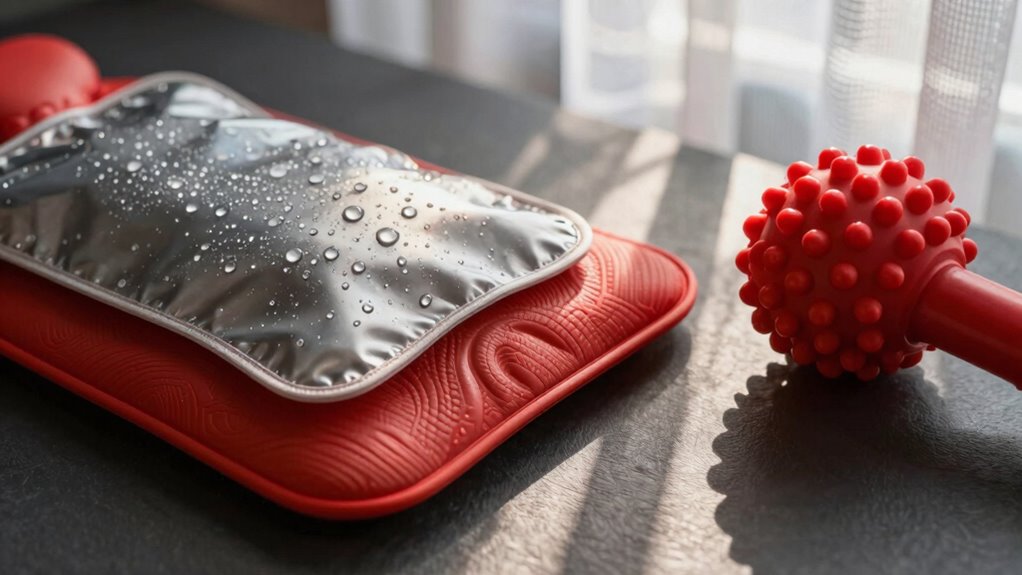
Heat therapy is excellent for promoting muscle relaxation. When you apply heat, it increases blood flow to the affected area, helping muscles loosen up and reducing stiffness. This can be especially helpful after intense activity or to ease chronic muscle tension. By relaxing tight muscles, heat not only alleviates pain but also helps prevent injuries caused by muscle imbalances or strain. It’s a simple way to prepare your body for movement or to unwind after a workout, making it a versatile recovery tool.
Heat therapy relaxes muscles, boosts blood flow, and helps prevent injuries, making it an essential recovery tool after activity.
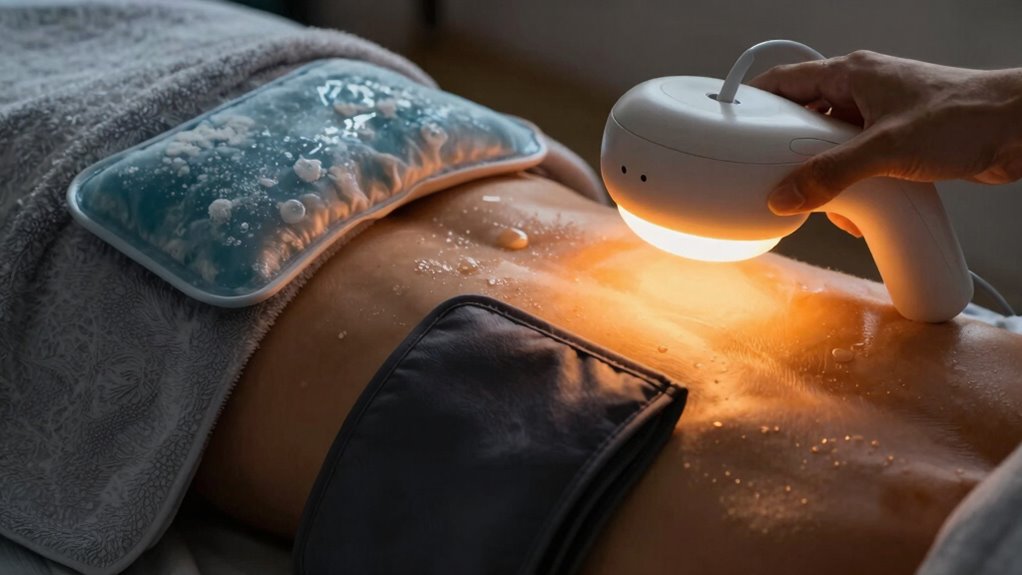
Cold therapy, on the other hand, is mainly used to reduce inflammation and numb pain. When you experience a recent injury or swelling, applying cold packs constricts blood vessels, decreasing blood flow and limiting swelling. It’s most effective within the first 48 hours after injury or exertion. Cold therapy also helps dull nerve signals, providing quick pain relief. Incorporating cold treatment can prevent further tissue damage and promote faster healing, especially when used promptly after injury. Additionally, cold therapy can help control inflammation and reduce tissue damage, supporting a quicker return to activity.
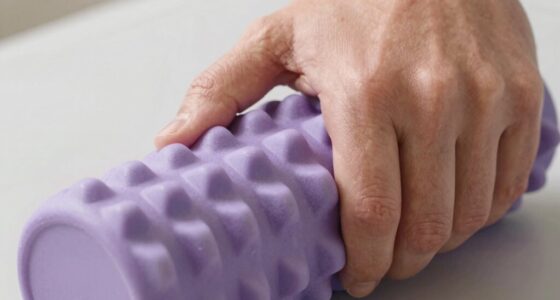
Pressure, often delivered through compression garments or wraps, plays a crucial role in recovery. Applying pressure helps control swelling, supports injured tissues, and enhances blood circulation. As you use pressure tools, you stimulate the lymphatic system, encouraging fluid drainage and reducing the risk of complications. Consistent compression can also help maintain muscle integrity and prevent secondary injuries by providing stability during movement. Proper pressure application is key—too tight can impede circulation, while too loose won’t provide the desired benefits. Using compression techniques correctly can maximize the benefits while minimizing discomfort or adverse effects. Additionally, proper application ensures that pressure remains consistent and effective throughout the recovery process.
Light therapy, especially in the form of red or near-infrared light, is gaining recognition for its ability to accelerate tissue repair and reduce inflammation. Light penetrates deep into tissues, stimulating cellular activity and promoting healing at a microscopic level. This can lead to faster muscle recovery, decreased soreness, and injury prevention over time. Using light therapy tools regularly can enhance your body’s natural repair processes, keeping you active and resilient. Additionally, research shows that light therapy can boost cellular energy production, further supporting tissue regeneration. Incorporating this method into your recovery routine can provide long-term benefits for overall tissue health.
As an affiliate, we earn on qualifying purchases.
Frequently Asked Questions
Are Recovery Tools Safe for Everyone to Use?
Recovery tools can be safe for most people, but it’s important to take into account individual health conditions. You should consult a healthcare professional before trying alternative therapies or holistic approaches, especially if you have underlying issues. While these methods can complement your recovery, they might not be suitable for everyone. Always listen to your body, start gradually, and seek advice to ensure safe and effective use.
How Long Should I Use Each Recovery Tool?
You should use recovery tools for about 15-20 minutes each session, as research shows this duration optimizes muscle relaxation and blood circulation without risking overstimulation. If you’re targeting specific soreness or tightness, extending to 30 minutes can help, but avoid overdoing it. Consistent use, rather than long sessions, enhances recovery, so listen to your body and adjust accordingly for safe, effective results.
Can Recovery Tools Replace Medical Treatment?
Recovery tools can’t replace medical treatment, but they’re great as complementary options. While alternative therapies and DIY methods might help ease minor discomfort or promote relaxation, serious injuries or symptoms require professional care. Always consult a healthcare provider before relying solely on recovery tools. They can support your healing process, but they shouldn’t substitute proper diagnosis and treatment from a medical expert. Your health and safety come first.
Which Recovery Tool Is Best for Specific Injuries?
For specific injuries, you’ll want targeted tools to tackle trouble areas. Use heat for muscle relaxation and increased circulation, ideal for stiffness or soreness. Cold therapy works best for injury prevention and swelling reduction, especially right after an acute injury. Compression aids in controlling swelling and supporting recovery, while light therapy can promote healing. Choose your tool based on your injury’s nature—each plays a pivotal role in precise recovery and injury prevention.
Are There Any Side Effects From Using Recovery Tools?
You might experience some side effects from using recovery tools, especially if you rely on alternative therapies. For example, prolonged use of cold or heat can cause skin irritation or nerve issues, and pressure may lead to bruising. While many tools are safe, it’s important to take into account long-term effects, like skin damage or dependency on certain therapies. Always follow proper guidelines and consult a professional if you notice adverse reactions.
As an affiliate, we earn on qualifying purchases.
Conclusion
Imagine your muscles as a busy city, constantly bustling with activity. When you use recovery tools like heat, cold, pressure, or light, you’re like a city planner smoothing traffic jams and clearing debris. Just as a well-placed traffic signal restores flow, these tools help your body recover faster and more effectively. Embrace these simple strategies, and you’ll keep your body’s city running smoothly, ready to tackle whatever comes next with renewed strength.
As an affiliate, we earn on qualifying purchases.
As an affiliate, we earn on qualifying purchases.