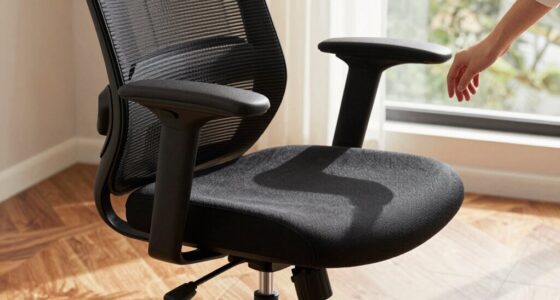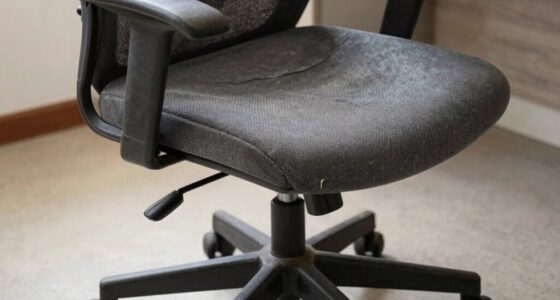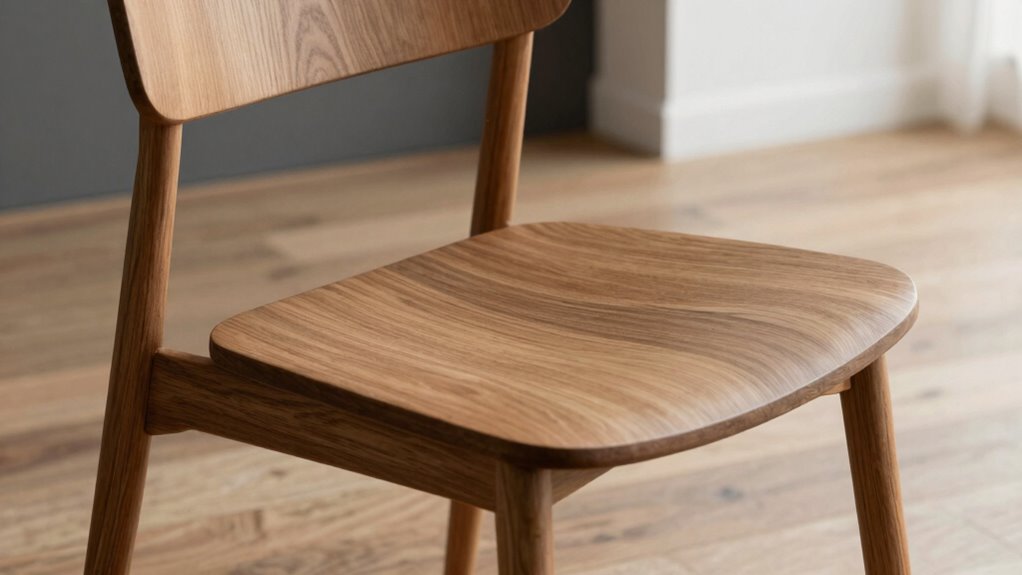

Many believe that a wider chair means more comfort, but that’s a common misconception. Comfort depends on proper support, ergonomic design, and fit, not just width. An overly broad seat can cause discomfort if it doesn’t match your body’s proportions. Focus on features like adjustable lumbar support, material quality, and overall design. If you want to make a smart choice, you’ll discover how to pick a chair that truly supports your posture and long-term wellness.

Get comfort and recovery gear delivered free with Prime
- Fast, free delivery on millions of items
- Prime Video, Amazon Music and more included
- Member-only deals all year
Key Takeaways
- Wider chairs do not automatically ensure comfort; ergonomic support and proper fit are more important.
- Comfort depends on support, not just seat width; ergonomic design aligns with natural posture.
- Material quality impacts support and durability regardless of chair width.
- Adjustable features help customize fit, making narrower or wider chairs more comfortable.
- Prioritizing support, support features, and material quality over width leads to better seating choices.
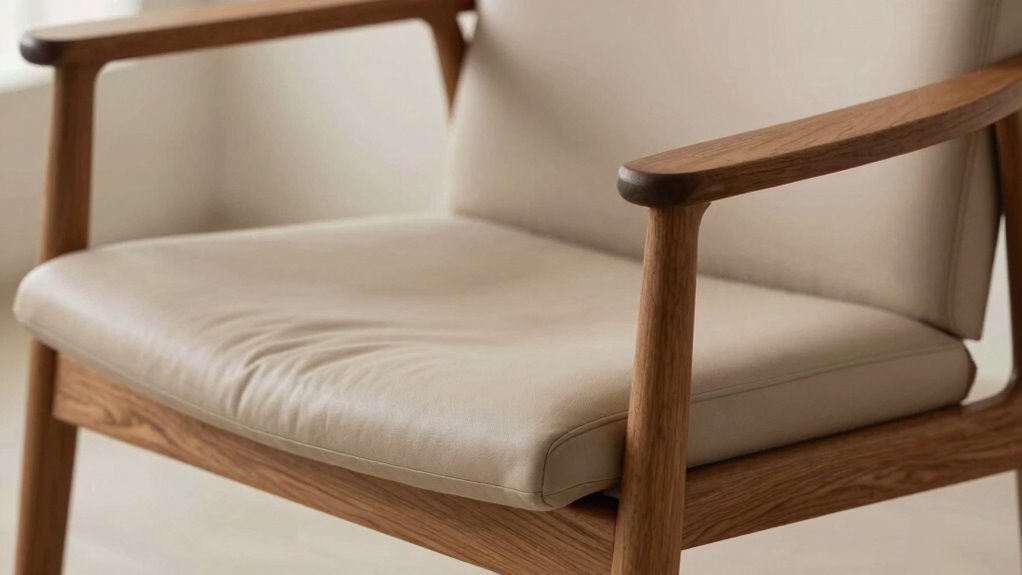
Many people believe that choosing a wider chair automatically leads to greater comfort, but this is a myth. When shopping for a chair, it’s tempting to think that extra width will provide more space and, consequently, more comfort. However, comfort isn’t just about size—it’s about how well the chair supports your body and whether it’s designed with ergonomic principles in mind. An ergonomic design focuses on aligning the chair’s structure with your natural posture, reducing strain on your back, neck, and hips. Simply opting for a wider seat doesn’t guarantee that your body will be properly supported. In fact, a chair that’s too wide can sometimes cause discomfort if it doesn’t fit your body’s proportions or if it lacks the necessary ergonomic features. Additionally, ergonomic principles ensure that the chair promotes proper alignment and minimizes discomfort during extended use, which is often overlooked when focusing solely on width. Material durability plays a vital role in the overall comfort and longevity of your chair. High-quality materials ensure that the chair maintains its shape and support over time, regardless of its width. If you choose a wide chair made of cheap, flimsy materials, you might find that it quickly loses its supportive qualities, becoming saggy or unstable. Conversely, a well-constructed chair with durable materials will keep its form and support, even if it’s narrower. The key is to find a balance between material quality and ergonomic design, rather than simply focusing on width. It’s also important to take into account how the chair fits your body. A broader seat can sometimes lead to a less tailored fit, especially if the rest of the chair isn’t adjustable. Features like adjustable armrests, lumbar support, and seat height allow you to customize the chair to your body’s needs. These adjustments often matter more than width, as they help you find a comfortable position that minimizes fatigue and discomfort during long periods of sitting. Proper body support is essential for comfort and can often be achieved through thoughtful design rather than just increasing width. Additionally, considering ergonomic features such as contouring and support zones can significantly enhance overall comfort. When selecting a chair, considering material durability and how well the materials withstand regular use is equally important. A well-designed chair also takes into account the importance of personal fit, which can vary greatly from person to person. In the end, selecting a chair isn’t about size alone. You need to focus on how the chair’s ergonomic design supports your posture and how durable the materials are to withstand regular use. Don’t be swayed by the myth that wider equals better. Instead, prioritize fit, support, and quality. When you make a thoughtful choice based on these factors, you’ll find a chair that truly supports your comfort and wellness, no matter its width.
ergonomic office chair with adjustable lumbar support
As an affiliate, we earn on qualifying purchases.
As an affiliate, we earn on qualifying purchases.
Frequently Asked Questions
Does Chair Width Affect Overall Comfort or Just Fit?
Chair width definitely impacts overall comfort, not just fit. When you choose a wider chair, you often get more room to move and sit comfortably, aligning with your aesthetic preferences and personal style. A narrower chair might look sleek but could feel cramped. So, consider how the chair’s width complements your body size and design taste, ensuring you feel both comfortable and confident in your space.
How Do I Measure for the Correct Chair Width?
To measure for the correct chair width, sit in a chair that feels comfortable and measure the widest point of your hips and thighs, ensuring there’s about an inch of extra space for comfort. Consider material durability, as sturdy materials support long-term use, and aesthetic appeal, so the chair matches your decor. Accurate measurements help you find a chair that’s both supportive and stylish, preventing discomfort or sizing issues later on.
Are Wider Chairs Less Stable or More Comfortable?
Wider chairs are like open arms—more comfortable, but their stability depends on armrest design and material durability. When designed well, they provide a stable base and support your body’s natural spread. However, if the armrests are flimsy or poorly constructed, the chair may wobble. Opt for sturdy materials and ergonomic armrest design to guarantee your wider chair offers both comfort and stability, making every seat feel like a safe haven.
Do Different Chair Styles Require Different Width Considerations?
Yes, different chair styles require varying width considerations for ideal comfort and aesthetics. For instance, a lounge chair might prioritize wider seats for relaxation and aesthetic appeal, while a dining chair focuses on narrower widths for space efficiency. You should also consider material durability, as sturdier materials often support wider frames better. Matching chair width to style and material ensures both visual appeal and long-lasting comfort in your space.
Is There an Ideal Chair Width for Ergonomic Support?
There isn’t a one-size-fits-all ideal chair width for ergonomic support, as it depends on your aesthetic preferences and material choices. You should choose a width that comfortably supports your hips and thighs without feeling restrictive or overly spacious. Prioritize adjustable features and breathable materials to enhance comfort. Ultimately, select a chair that aligns with your style while providing proper support, ensuring you maintain good posture throughout your day.
high-quality ergonomic desk chair
As an affiliate, we earn on qualifying purchases.
As an affiliate, we earn on qualifying purchases.
Conclusion
Remember, not all chairs are created equal, and a wider seat isn’t always the answer. Focus on comfort, support, and your personal needs rather than just chair width. As the saying goes, “Beauty is in the eye of the beholder,” so trust your instincts and test before you buy. Don’t let the width myth steer you wrong—choose what feels right, and you’ll sit happily ever after.
mesh ergonomic chair with adjustable armrests
As an affiliate, we earn on qualifying purchases.
As an affiliate, we earn on qualifying purchases.
supportive ergonomic chair for long hours
As an affiliate, we earn on qualifying purchases.
As an affiliate, we earn on qualifying purchases.
Halloween Picks
halloween
As an affiliate, we earn on qualifying purchases.