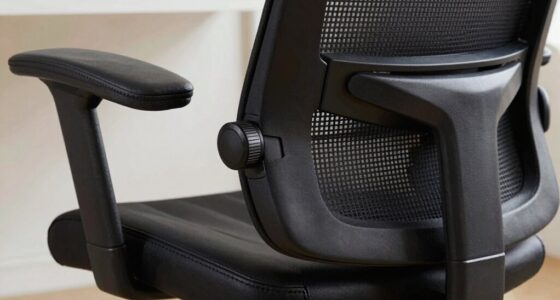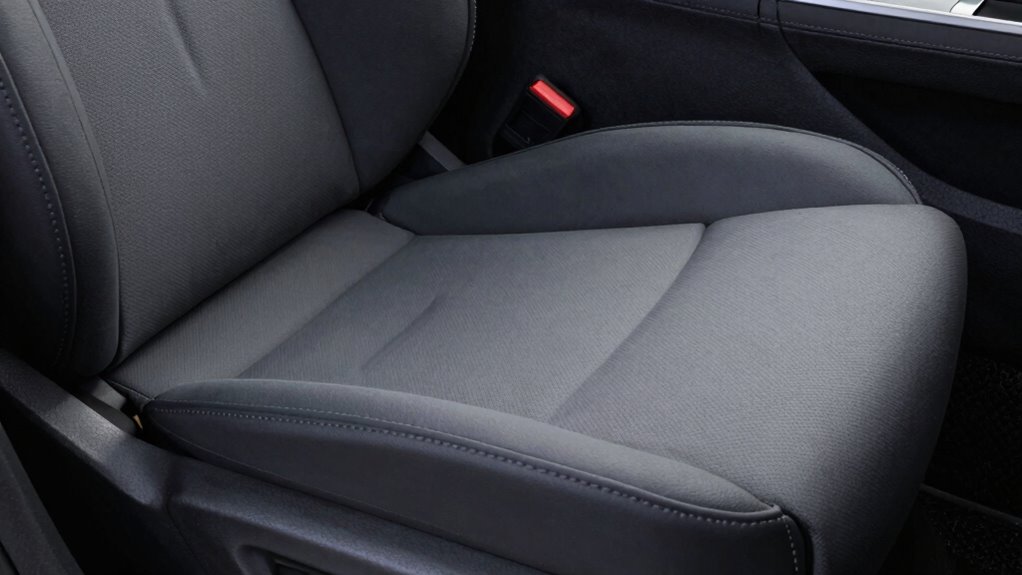

You’ll find that the shape of your seat pan is more important than just adding extra cushioning because it supports proper posture and pressure distribution. A well-shaped seat contours to your body, helping to maintain spinal alignment and reduce discomfort over time. Thick cushions can cause hips to sink and disrupt your natural position, leading to strain. If you want to understand how the right shape can improve your comfort and support, keep exploring these key points.

Get comfort and recovery gear delivered free with Prime
- Fast, free delivery on millions of items
- Prime Video, Amazon Music and more included
- Member-only deals all year
Key Takeaways
- Properly shaped seat pans support natural body curves, ensuring better pressure distribution than soft cushioning alone.
- Ergonomic shapes promote correct posture and spinal alignment, reducing discomfort over prolonged sitting.
- Thick cushions can cause hips to sink, disrupting posture and increasing strain, unlike contoured shapes that maintain support.
- Shaped seat pans help distribute weight evenly, decreasing pressure points and fatigue more effectively than extra cushioning.
- Support based on ergonomic design enhances long-term comfort by maintaining pelvis stability and reducing pressure buildup.
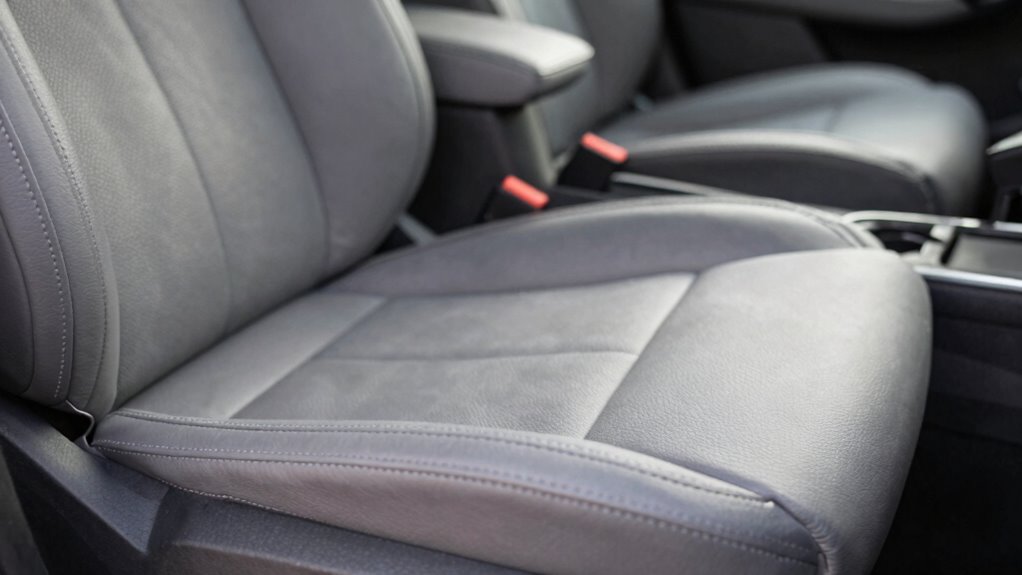
When it comes to choosing a comfortable and supportive seat, many people assume that extra cushioning is the key to comfort. While cushioning can add softness, it doesn’t always address the core aspect of proper support. That’s where the shape of the seat pan becomes crucial. The seat pan’s ergonomic design influences how your body interacts with the chair, which directly impacts comfort and posture. Instead of focusing solely on thickness or softness, look at how the seat pan is shaped to promote balanced pressure distribution. A well-designed seat pan helps spread your weight evenly across your hips and thighs, reducing pressure points that can cause discomfort or numbness over time.
Your body’s weight needs to be supported in a way that minimizes strain on your lower back and hips. When the seat pan contours to your body’s natural curves, it encourages a proper sitting posture. This shape allows for better pressure distribution, which means less pressure is concentrated in specific areas. As a result, you’re less likely to experience soreness or fatigue after sitting for extended periods. The ergonomic design of the seat pan should also enable your pelvis to tilt forward slightly, maintaining the natural lumbar curve of your spine. This alignment reduces the risk of slouching and promotes a healthier sitting position. Additionally, ergonomic principles are often incorporated into seat pan designs to enhance overall support and comfort.
A well-shaped seat pan supports natural posture, distributing pressure evenly and reducing fatigue during long sitting periods.
The importance of seat pan shape becomes even more evident when considering long-term comfort. Extra cushioning might seem appealing because it offers immediate softness, but if that cushion isn’t paired with an ergonomic shape, it can actually hinder proper pressure distribution. Overly thick cushions can also cause your hips to sink too low, disrupting your natural posture and putting strain on your lower back. Conversely, a seat pan shaped to fit your body’s contours provides stability and support without sacrificing comfort. This shape encourages your pelvis to stay aligned, which helps maintain spinal health. Additionally, ergonomic seat pans are often designed based on human anatomy principles to optimize support.
Furthermore, understanding the role of ergonomic design in seat pans can guide you toward better choices when selecting a chair. In essence, a thoughtfully designed seat pan acts like a foundation for your entire sitting experience. It’s more effective at promoting comfort and proper alignment than simply adding more padding. Choosing a chair with an ergonomically shaped seat ensures that the support adapts to your body’s natural curves, enhancing overall comfort. When choosing a chair, prioritize those with an ergonomic seat pan that distributes pressure evenly and follows the natural curves of your body. This approach ensures you stay comfortable and supported, whether you’re working, relaxing, or engaged in other activities. Remember, the shape of the seat pan directly influences how well your body is supported—making it a more critical factor than extra cushioning alone.
ergonomic seat pan for office chair
As an affiliate, we earn on qualifying purchases.
As an affiliate, we earn on qualifying purchases.
Frequently Asked Questions
How Does Seat Pan Shape Influence Pressure Distribution During Cycling?
The seat pan shape influences pressure distribution by aligning with your body’s anatomical design, helping to evenly spread pressure points during cycling. A well-shaped seat pan supports your sit bones while reducing pressure on sensitive areas, preventing discomfort and numbness. When the shape matches your anatomy, it enhances comfort and stability, allowing you to ride longer without pain. Properly designed seat pans optimize pressure distribution for a more comfortable cycling experience.
Can Seat Pan Shape Affect Long-Term Comfort and Saddle Soreness?
The right seat pan shape, with an ergonomic design, can considerably improve long-term comfort and reduce saddle soreness. When you choose a saddle made from quality materials and a shape that fits your anatomy, it minimizes pressure points and prevents discomfort over time. Don’t put all your eggs in one basket with extra cushioning—focus on a shape that supports your body’s natural curves for a smoother ride.
Are Certain Seat Pan Shapes Better for Specific Riding Styles?
Yes, certain seat pan shapes suit specific riding styles better. For example, a narrow, streamlined shape benefits road cyclists, while a wider, rounded design offers more comfort for mountain biking. Your choice should contemplate seat pan aesthetics and how material selection impacts comfort and weight. Picking a shape aligned with your riding style ensures better support, reduces fatigue, and enhances overall performance during long rides.
How Does Seat Pan Shape Impact Blood Flow and Numbness?
Your seat pan shape directly impacts blood flow and numbness during riding. A poorly shaped seat can constrict blood vessels, reducing circulation and causing numbness in your groin and thighs. Conversely, an ergonomically designed seat pan supports proper blood flow by evenly distributing pressure. Choosing a shape that fits your body helps prevent numbness, enhances comfort, and allows for longer, more enjoyable rides without circulation issues.
Is It Possible to Modify a Seat Pan for Better Fit and Comfort?
Yes, you can modify a seat pan for better fit and comfort. Focus on ergonomic design principles and use material flexibility to adapt the shape to your body. You might add padding or reshape the pan with foam or gel inserts, ensuring it contours well. Custom modifications help improve blood flow, reduce numbness, and provide a personalized fit. Always test adjustments gradually to find the most comfortable, supportive setup.
contoured seat cushion for better posture
As an affiliate, we earn on qualifying purchases.
As an affiliate, we earn on qualifying purchases.
Conclusion
You might think extra cushioning is the key to comfort, but the shape of your seat pan matters even more. Properly shaped seats can reduce pressure points and improve posture, making your ride smoother and more comfortable. Did you know that poor seat design can cause numbness or pain in 80% of riders? So, next time you choose a seat, focus on its shape—your body will thank you for it. Prioritize shape over padding for true comfort.
As an affiliate, we earn on qualifying purchases.
As an affiliate, we earn on qualifying purchases.
Fall Picks
fall essentials
As an affiliate, we earn on qualifying purchases.