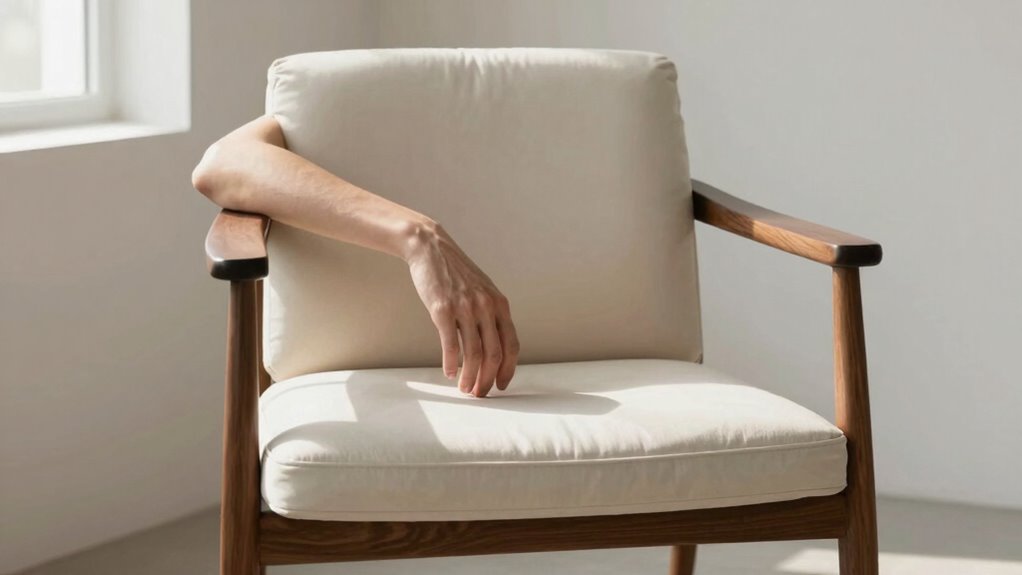

Even the best chairs can feel uncomfortable because ergonomic features aren’t one-size-fits-all. Your body shape, sitting habits, and any injuries influence how a chair fits and supports you. If padding isn’t suited for your pressure points or lumbar support isn’t properly placed, discomfort can follow. Adjustments may help, but sometimes the design itself isn’t compatible with your needs. To find relief, it’s important to understand how personal differences affect comfort—keep exploring to learn more.

Get comfort and recovery gear delivered free — and shop member deals
- Fast, free delivery on millions of items
- Access to Prime Big Deal Days deals on October 6–7
- Prime Video, Amazon Music and more included
Key Takeaways
- Ergonomic features are designed for general use and may not suit all body types or sitting habits.
- Personal biomechanics, injuries, and posture influence how a chair’s support feels.
- Pressure points can develop if the chair’s design or padding doesn’t match individual contours.
- Adjustments alone may not fix discomfort caused by fundamental design mismatches.
- Material limitations and standard designs may not accommodate unique body shapes or preferences.
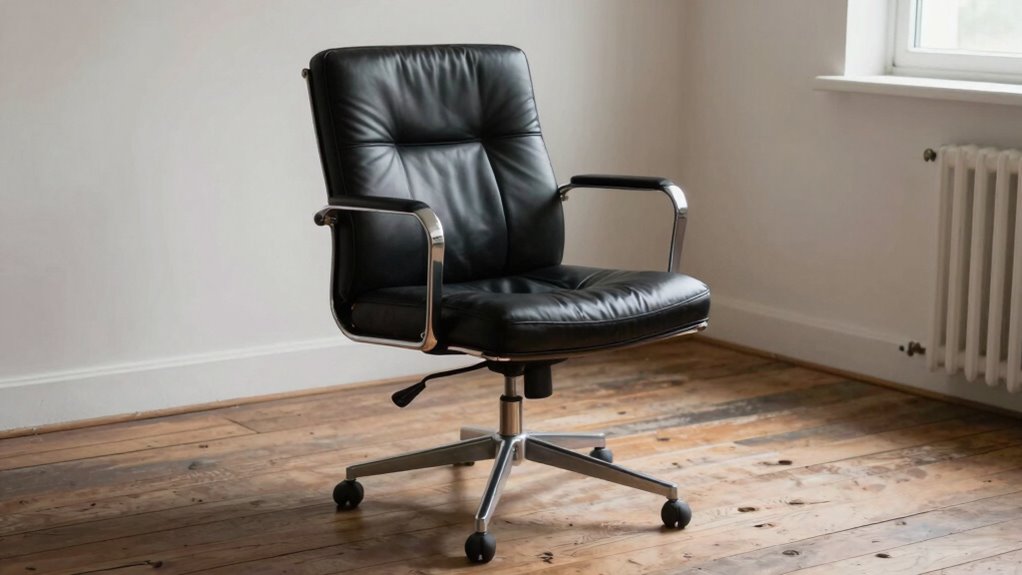
Have you ever sat in a chair that’s considered ergonomic or high-quality, only to feel uncomfortable or out of place? It’s a frustrating experience, especially when you’ve invested in what’s supposed to support your body. The truth is, ergonomic design aims to promote comfort and reduce strain, but it doesn’t guarantee that every chair works perfectly for everyone. Your body is unique, and what alleviates pressure for one person might create discomfort for another. Even the best chairs can sometimes hit pressure points — those spots where the seat or backrest presses uncomfortably against your body. When these pressure points aren’t properly addressed, the chair can cause pain or fatigue, defeating its purpose.
Even the best ergonomic chairs can cause discomfort if they don’t fit your unique body.
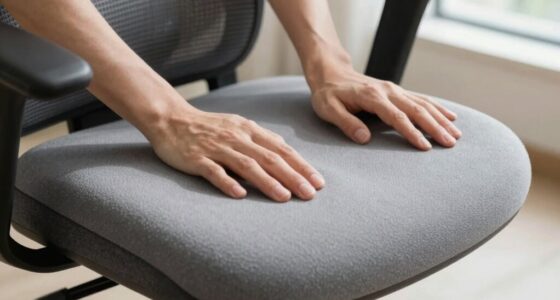
The problem often lies in the way ergonomic design is approached. Many chairs are built with a standard set of features: adjustable height, lumbar support, and a contoured seat. But these features aren’t one-size-fits-all. If your body shape, posture habits, or existing injuries don’t align with the chair’s design, you can still end up with pressure points. For example, a chair might have a well-padded seat, but if the padding is uneven or too firm in some areas, it can push against sensitive spots, leading to discomfort. Similarly, poorly placed lumbar support might feel good for some but press into your lower back or hips for others, creating new pressure points rather than alleviating existing ones.
You might also find that the seat’s angle or firmness doesn’t match your preferences or needs. When the seat is too hard or too soft, it can cause uneven weight distribution, which increases pressure in certain areas. Over time, this uneven pressure can lead to numbness, soreness, or headaches. Even with adjustable features, if the overall design doesn’t contour well to your body, you’re left feeling out of sync with your chair. It’s a reminder that ergonomic design isn’t just about features; it’s about how those features interact with your individual body and sitting habits. Understanding biomechanics can help you better select or modify your chair to suit your specific needs. Additionally, individual differences in body shape and sitting preferences mean that finding the right fit can be a personalized process. Recognizing that ergonomic principles are not universally effective is crucial to achieving true comfort. Sometimes, the design and materials used in a chair may not accommodate all body types, even if they appear well-designed on paper. Ultimately, a good chair isn’t a guarantee of comfort for everyone. You may need to experiment with different models, padding, or adjustments to find what truly minimizes pressure points for you. Sometimes, even the most highly-rated ergonomic chairs require modifications or added accessories to serve your specific needs. Recognizing that comfort is personal and that ergonomic design isn’t a universal solution can help you make better choices. Remember, the goal is to find a seat that supports your body without creating discomfort, even if that means exploring beyond standard options.
ergonomic office chair for pressure points
As an affiliate, we earn on qualifying purchases.
As an affiliate, we earn on qualifying purchases.
Frequently Asked Questions
Can Personal Preference Override Ergonomic Design?
Yes, your personal preference can override ergonomic design. You might favor a chair’s aesthetic appeal or be influenced by cultural factors, even if it isn’t the most supportive option. Your comfort and style choices shape what feels right, sometimes at odds with ergonomic principles. Ultimately, if a chair aligns with your visual taste and cultural identity, you may overlook its functional shortcomings, prioritizing personal connection over pure ergonomics.
Do Physical Conditions Affect Chair Comfort?
Yes, your physical conditions can affect chair comfort. Ergonomic misconceptions often lead people to overlook individual needs, while cultural seating norms influence preferred postures. If you have specific health issues or physical differences, a standard ergonomic chair might not feel comfortable, regardless of its design. You need to choose a chair tailored to your body and needs, rather than relying solely on general ergonomic principles or cultural expectations.
How Long Does It Take to Get Used to a New Chair?
It typically takes about two weeks to adjust to a new chair, but it can vary. During this adjustment period, your body learns to adapt, dispelling common ergonomic misconceptions. Remember, comfort isn’t instant; it depends on proper adjustments and patience. If you’re still uncomfortable after a few weeks, reassessing your chair’s settings or consulting an expert can help guarantee you get the support you need.
Are There Specific Materials That Cause Discomfort?
Yes, certain materials can cause discomfort. Memory foam, while supportive, may feel too hot or sticky if you’re sensitive to heat retention. Breathable fabric helps alleviate this issue by allowing air circulation, preventing sweat and discomfort. If your skin reacts negatively or you find the material too rigid or sticky, it’s likely the material’s properties are causing your discomfort. Choosing chairs with breathable, moisture-wicking fabrics can make a big difference.
Does Posture Influence How a Chair Feels?
In a blink, you realize posture does influence how a chair feels, debunking ergonomic myths. Your stance impacts comfort; slouching or sitting upright changes pressure points. Cultural differences also shape your expectations and perceptions of support. While a well-designed chair aims to align with your posture, it’s essential to adjust your seating habits. Remember, even a futuristic chair won’t feel right if your posture isn’t properly aligned with your body’s needs.
As an affiliate, we earn on qualifying purchases.
Conclusion
Even the best chairs can feel wrong, leaving you uncomfortable despite their quality. You might sit in a well-designed seat, expecting relief, yet still feel out of place. It’s a reminder that comfort isn’t just about features or price—it’s about your unique body and mind. Sometimes, the right chair isn’t the most perfect one on paper, but the one that makes you feel truly at ease. And that’s what matters most.
As an affiliate, we earn on qualifying purchases.
personalized ergonomic office chair
As an affiliate, we earn on qualifying purchases.
As an affiliate, we earn on qualifying purchases.
Fall Picks
fall essentials
As an affiliate, we earn on qualifying purchases.