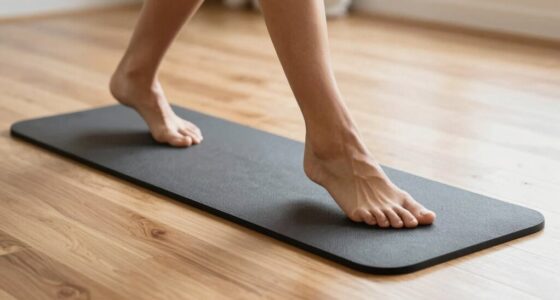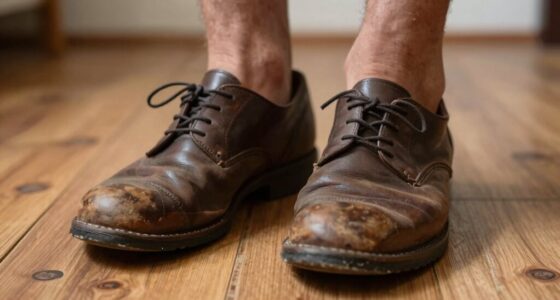

If you stand for long periods, you might experience joint strain, muscle tightness, and poor circulation. This can lead to discomfort and long-term health issues like back pain or joint problems. Incorporating more walking helps stretch muscles, improve blood flow, and reduce strain. Moving around breaks up static standing and supports better posture. If you keep exploring, you’ll discover practical ways to balance standing with movement for greater comfort and health.
Key Takeaways
- Prolonged standing can cause musculoskeletal strain, making regular walking essential to reduce discomfort and prevent long-term issues.
- Walking promotes circulation, relieves muscle tightness, and alleviates joint pressure caused by extended standing.
- Incorporating movement breaks helps correct posture and reduce fatigue associated with static standing positions.
- Supportive walking routines enhance overall musculoskeletal health and counteract the negative effects of prolonged standing.
- Lifestyle adjustments, like more walking and less standing, prevent chronic pain and improve long-term posture and mobility.

Many people spend long hours standing without realizing the toll it can take on their health. When you’re on your feet all day, it’s easy to develop discomfort, fatigue, and even long-term issues like back pain or joint problems. If you find yourself in this situation, it might be time to rethink your daily habits and focus on balancing standing with more walking. Incorporating more movement can notably improve your overall well-being and reduce strain on your body.
Balancing standing with movement can improve health and reduce long-term discomfort.
One of the most effective ways to address these issues is through proper posture correction. When you stand for extended periods, poor posture can exacerbate discomfort, leading to misaligned spine, tight muscles, and increased pressure on your joints. By consciously maintaining good posture—keeping your shoulders back, engaging your core, and avoiding slouching—you can ease some of the strain caused by prolonged standing. Posture correction isn’t just about standing tall; it involves developing habits that support your musculoskeletal health and make movement more comfortable.
Alongside posture correction, paying attention to your footwear choices plays an essential role. Wearing unsupportive shoes—like high heels or overly flat, unsupportive sneakers—can place added stress on your feet, ankles, and knees. When you’re standing for hours, your footwear becomes your foundation. Opt for shoes with adequate arch support, cushioning, and stability to lessen fatigue and prevent pain. Good footwear encourages proper alignment and makes it easier to shift into walking, rather than staying static for too long. Incorporating proper footwear is a simple yet effective step to improve comfort and reduce long-term health risks. Additionally, understanding the importance of body mechanics can help you stand and move more efficiently, minimizing unnecessary strain. Developing awareness of musculoskeletal health can further empower you to adopt better habits for long-term comfort.
You should aim to break up your standing routine with regular walking intervals. Moving around not only helps stretch and strengthen muscles but also boosts circulation, reducing the risk of swelling and discomfort. Even short walks every 30 minutes can make a noticeable difference. Walking is a low-impact activity that promotes joint mobility and helps realign your posture naturally, especially if you focus on engaging your core and maintaining proper walking form. Additionally, understanding the importance of biodiversity in our environment can inspire us to create healthier spaces for physical activity, which can motivate more consistent movement routines.
Incorporating more walking into your day doesn’t mean you have to overhaul your schedule. Small adjustments, like taking stairs instead of elevators or standing up to stretch and walk around during breaks, can make a big difference. Over time, these habits help balance the toll of standing with the benefits of movement. Embracing these simple lifestyle changes can have a lasting positive impact on your health and well-being.
orthopedic supportive shoes for standing
As an affiliate, we earn on qualifying purchases.
As an affiliate, we earn on qualifying purchases.
Frequently Asked Questions
How Does Walking Compare to Standing for Cardiovascular Health?
Walking is better for your cardiovascular health than just standing because it gets your heart pumping and improves circulation. When you walk, you burn more calories and support posture improvement, which helps prevent aches and discomfort. Standing alone doesn’t elevate your heart rate much, making walking a more effective way to boost your overall cardiovascular fitness. So, incorporating walking into your routine benefits both your heart and posture.
Are There Specific Health Conditions That Benefit More From Walking?
Walking is like a gentle tune for your body, especially benefiting those with joint flexibility issues and posture problems. If you have arthritis or back pain, walking helps lubricate joints and strengthen muscles, making movement smoother. People with osteoporosis may also find walking improves bone density. Regular walking encourages better posture, reduces stiffness, and boosts overall mobility, making it a simple yet effective way to support your specific health needs.
Can Standing Too Long Cause Long-Term Health Issues?
Standing too long can cause long-term health issues, especially if you lack posture awareness. You might develop muscle fatigue and discomfort, which can lead to poor posture over time. Prolonged standing strains your legs, back, and feet, increasing risks like varicose veins and joint problems. To avoid this, switch between standing and walking, and pay attention to your posture. Regular movement helps reduce fatigue and supports long-term health.
What Are the Best Walking Routines for Beginners?
Imagine your first walk as planting a seed that grows with each step. To start, focus on simple walking techniques like maintaining good posture and steady pace. Keep your beginner motivation high by setting small goals, like 10-minute walks, and gradually increase your distance. Consistency matters more than speed, so enjoy the process and celebrate each step forward. Your body will thank you for this gentle, steady start.
How Does Walking Impact Mental Health Compared to Standing?
Walking boosts your mental health more than standing by promoting mental clarity and reducing stress. When you walk, your brain releases endorphins, which help lift your mood and clear your mind. Unlike standing, which may cause fatigue and stiffness, walking engages your body and mind actively, helping you feel calmer and more focused. So, if you want to improve your mental well-being, choose walking over just standing.

ComfyBrace Posture Corrector for Men and Women, Back Brace Straightener
- Pain Relief: Alleviates back, neck, shoulder pain
- Adjustable Fit: Fits chest sizes 30-43 inches
- Breathable Design: Wears comfortably under clothes
As an affiliate, we earn on qualifying purchases.
As an affiliate, we earn on qualifying purchases.
Conclusion
Incorporating more walking into your routine can notably benefit your health, especially since studies show that walking reduces the risk of cardiovascular disease by up to 30%. Standing for long periods may seem harmless, but it can lead to issues like varicose veins and back pain. So, next time you’re tempted to stand instead of walk, remember that moving more keeps your body healthier and happier, making a simple change that truly makes a difference.
As an affiliate, we earn on qualifying purchases.
As an affiliate, we earn on qualifying purchases.