TL;DR

Get comfort and recovery gear delivered free with Prime
- Fast, free delivery on millions of items
- Prime Video, Amazon Music and more included
- Member-only deals all year
An Arizona State University study of nationally representative data from more than 55,000 U.S. adults found yoga and Pilates were associated with lower risk of death over about a decade. The reported associations do not show that either practice causes people to live longer, and possible differences between practitioners and non-practitioners remain relevant.
Researchers at Arizona State University found that practicing yoga and Pilates was associated with a lower risk of death in an analysis of more than 55,000 U.S. adults followed through mortality records for about a decade. The study compared 21 alternative health practices, but its observational findings do not establish that either activity causes people to live longer.
According to the report in Athletech News, yoga was associated with a 27% lower risk of death, while Pilates was associated with a 36% lower risk. Those figures describe associations in the study population; they should not be read as a guaranteed reduction in an individual’s chance of dying or as proof that starting either practice will extend a person’s life.
The researchers drew on nationally representative data from more than 55,000 U.S. adults and linked it to mortality records covering about a decade. They examined 21 alternative health practices. Yoga and Pilates were the only two reported to have a statistically significant association with lower mortality risk. The supplied report does not give the names or detailed results for all the other practices.
The analysis accounted for factors including income, education, exercise, smoking, body mass index and self-rated health, the report said. Those adjustments help address some differences among participants, but they cannot rule out every alternative explanation. The results are about patterns in the data, not a clinical trial in which participants were assigned to begin yoga or Pilates.
Movement Practices Show the Strongest Signal
The findings offer a specific, measurable association within a crowded field of wellness options. Of the 21 practices examined, only yoga and Pilates were reported as linked to significantly lower mortality risk. That may help readers distinguish evidence about observed health outcomes from marketing claims made for therapies whose long-term effects are less studied.
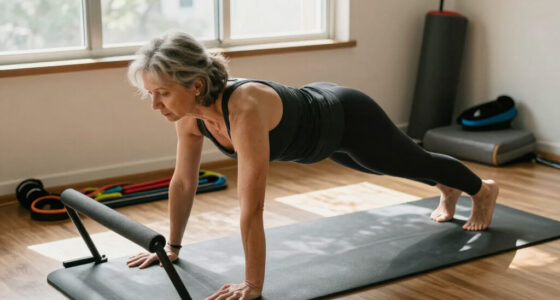
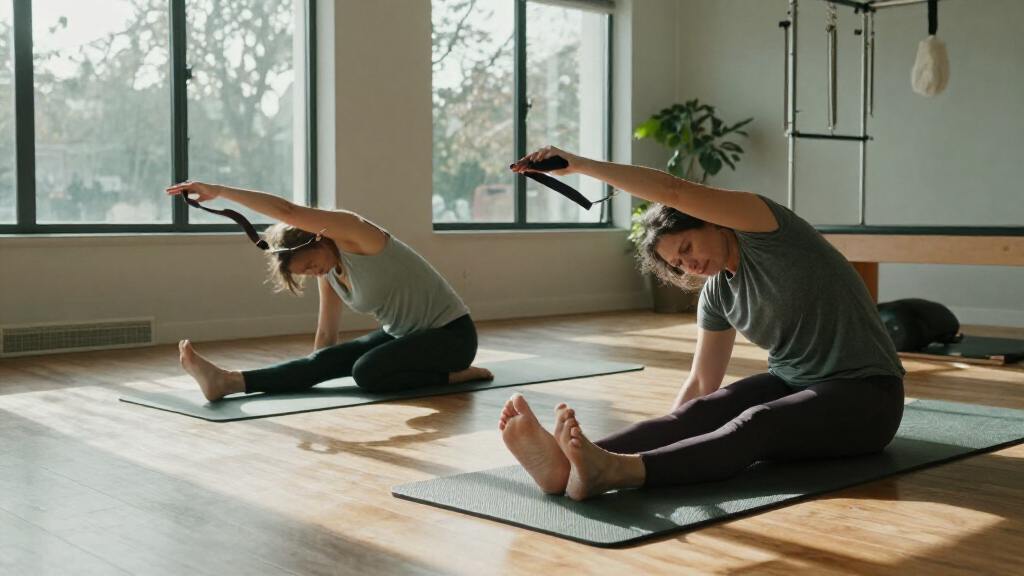
The researchers’ interpretation also points to a practical feature shared by the two activities: both involve physical movement. Study co-author Connor Sheehan said yoga and Pilates can combine strength and balance work with breath-focused practice and stress management. If people attend classes, they may also gain a social component. These are possible explanations discussed by the co-author, not mechanisms proven by this analysis to account for the mortality associations.
For readers, the main implication is measured: the study adds evidence worth investigating, rather than establishing a longevity prescription. A person’s health, ability, access to classes and other behaviors differ, and the reported percentages do not establish what would happen if an individual started either practice.
As an affiliate, we earn on qualifying purchases.
A Decade of Mortality Records
The study was prompted by limited long-term evidence about whether a range of complementary and alternative health practices is associated with mortality, according to Athletech News. Co-author Sheehan said more than 40% of U.S. adults use at least one such practice, including approaches such as acupuncture, chiropractic care and specialized diets. The report describes the research as an effort to examine outcomes across a broad set of practices rather than focus on a single wellness trend.
The data came from a large U.S. adult sample linked with records of deaths over roughly ten years. This lets researchers observe associations over time, but it does not make the study an experiment. Participants chose their own activities, so the researchers could not isolate yoga or Pilates from every difference in health, resources or lifestyle.
The article places the findings against a rapidly expanding wellness market and reports a projection that the Pilates and yoga market could reach $521 billion by 2035. That is a market forecast, not a finding from the mortality analysis, and it does not establish that the study will change consumer behavior or the market’s trajectory.
“Maybe the sickest people are too unhealthy to do yoga or Pilates to begin with, so the practice looks protective when really it’s just excluding the least healthy.”
— Connor Sheehan
As an affiliate, we earn on qualifying purchases.
Association Does Not Prove Cause
The central limitation is that the study does not establish causation. People who practice yoga or Pilates may differ from those who do not in ways that affect health and mortality. Sheehan cited possible influences including access to better health care, genetics and economic circumstances, as well as differences in how consistently people look after their health.
He also raised the possibility that people who are already very ill may be less able to take part. If so, practitioners could appear to have lower mortality risk partly because the least healthy people are less represented among them. The report says the researchers adjusted for several factors, but the information provided does not show how much each factor affected the estimates or whether the results changed under different analytical choices.
The supplied material does not include the study’s full title, publication venue, exact dates, participant breakdowns, confidence intervals or detailed methods. It also does not specify how yoga and Pilates practice was measured, how frequently participants took part, or whether particular styles or class settings were assessed. Those details matter when judging how precise the estimates are and whether they apply to different groups.
As an affiliate, we earn on qualifying purchases.
More Research on Wellness Habits
The immediate next step for readers seeking to evaluate the findings is access to the full study and its methods, including how the researchers defined participation, handled missing information and tested the results. The source material does not identify a planned follow-up study or report a specific date for further results.
Sheehan said researchers should examine more of the health behaviors now gaining attention, including practices such as cold plunging, red-light therapy and supplements. That is a call for further investigation, not evidence that those approaches improve longevity. Future studies would need to distinguish observed associations from effects caused by a practice and to account for differences in participants’ health and circumstances.
For now, the reported finding remains a promising association requiring further study: yoga and Pilates stood out among the 21 practices examined, but whether either one independently lowers mortality risk is unresolved.
As an affiliate, we earn on qualifying purchases.
Key Questions
Did the study prove yoga makes people live longer?
No. It found that yoga practice was associated with a 27% lower risk of death in the analyzed data. Because the study was observational, it cannot show that yoga caused the difference.
What did the study report about Pilates?
Pilates was associated with a 36% lower risk of death in the study population. The figure is an association from the analysis, not a guaranteed benefit for individuals or proof that Pilates extends life.
How many practices did researchers examine?
The researchers examined 21 alternative health practices, according to Athletech News. Yoga and Pilates were the only practices reported as significantly associated with lower mortality risk; the supplied report does not provide detailed results for each of the others.
What could explain the lower risk among practitioners?
Researchers said movement, strength and balance work, breath practice, stress management and social contact in classes could be relevant. But these are possible explanations, and differences in health, income, health-care access or other behaviors could also help account for the association.
Can the findings guide an individual exercise decision?
The study does not determine which activity is right for a particular person or establish an individual longevity benefit. People considering a new exercise routine should account for their abilities and health needs; those with pre-existing conditions can seek guidance from a qualified health professional.
Source: rss
Halloween Picks
halloween
As an affiliate, we earn on qualifying purchases.