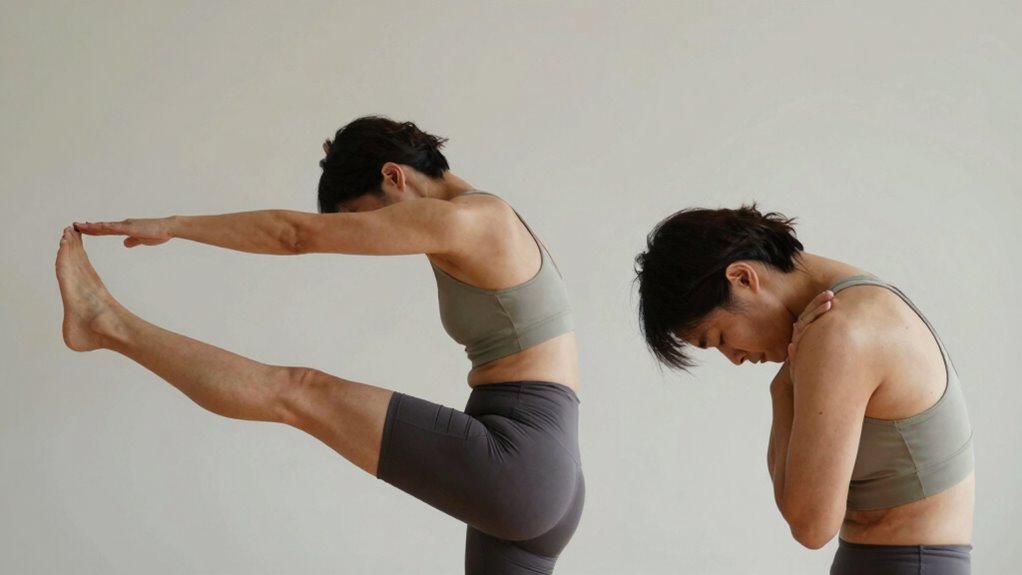

To tell the difference between a hamstring stretch and a nerve glide, pay attention to how your body reacts. Hamstring tightness usually causes a deep ache that worsens with activity and eases with stretching. Nerve pain, however, feels sharper, burning, or tingling, and often radiates down the leg, not improving with stretching. If you want to understand how to differentiate these sensations and properly address them, continue exploring helpful tips and tests.
Key Takeaways
- Hamstring stretches typically cause a deep, aching sensation that improves with gentle stretching, while nerve glides may produce sharp, shooting pain.
- Nerve gliding exercises often alleviate nerve-related symptoms like tingling or burning, unlike hamstring stretches that focus on muscle flexibility.
- During assessment, a positive straight leg raise with pain indicates nerve involvement, whereas resistance or discomfort during hamstring stretch suggests muscle tightness.
- Nerve pain tends to be radiating and may worsen with specific positions; hamstring tightness usually causes localized discomfort that responds to stretching.
- Proper technique involves cautious, controlled movements; sharp pain or increased symptoms during either exercise suggests the need for professional evaluation.
hamstring stretch resistance band
As an affiliate, we earn on qualifying purchases.
As an affiliate, we earn on qualifying purchases.
How Can You Tell Hamstring Tightness From Nerve Pain?

Telling hamstring tightness from nerve pain can be tricky because both often cause discomfort in the back of your thigh. If you experience persistent muscle fatigue after stretching or exercising, it’s more likely hamstring tightness. Poor postural habits, like slouching or sitting for long periods, can tighten your hamstrings over time, making them feel stiff and sore. Nerve pain, however, usually presents as sharp, burning, or tingling sensations that don’t improve with stretching alone. If your pain worsens with certain movements or feels radiating and electric, nerve involvement could be the cause. Pay attention to how your discomfort responds—hamstring tightness often improves with gentle stretching, while nerve pain might require different approaches. Recognizing the specific signs of muscle versus nerve pain can help determine the most effective treatment plan. Additionally, understanding the underlying causes, such as muscle tension versus nerve irritation, can guide appropriate care strategies. Being aware of free floating conditions can also influence how you approach recovery and management.
As an affiliate, we earn on qualifying purchases.
Recognizing the Signs of Hamstring Strain Versus Nerve Issues
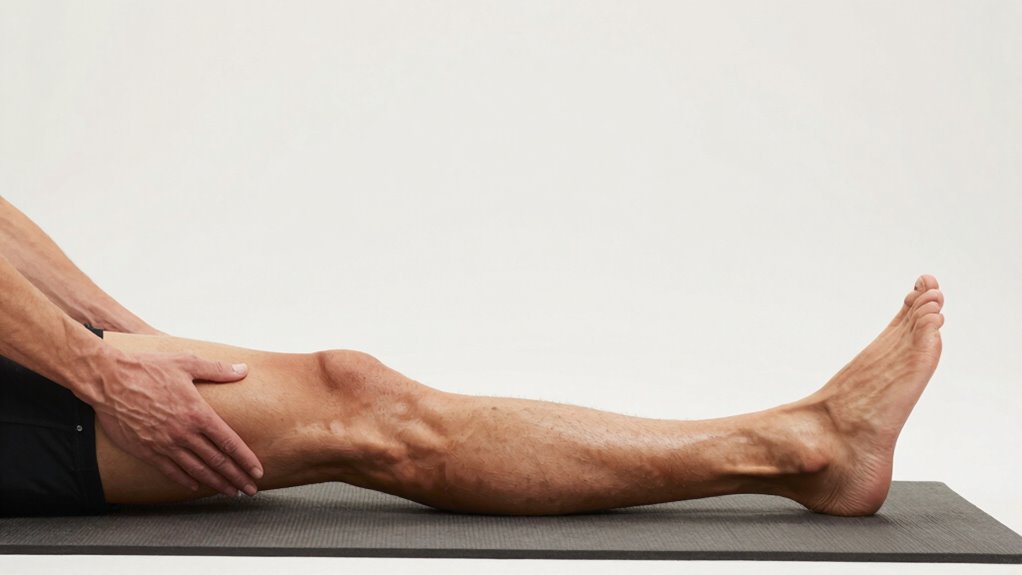
You can often tell if you’re dealing with a hamstring strain or nerve issues by paying attention to symptom patterns and how they respond to movement. Hamstring strains usually cause localized pain that worsens with activity, while nerve problems often produce tingling or numbness that may improve or worsen with specific movements. Recognizing these differences helps you identify the root cause and seek appropriate treatment. Additionally, being aware of essential home safety tips for caregivers and households can help prevent further injury and promote a safe environment during recovery. Understanding common injury prevention strategies can further support recovery and minimize the risk of future issues. Incorporating proper stretching techniques may also help reduce muscle strain and support overall flexibility. Paying attention to tissue paper environmental impact can also encourage more sustainable choices during recovery, such as opting for eco-friendly products.
Symptom Patterns Differ
How can you tell if your hamstring discomfort stems from a strain or a nerve issue? If it’s a strain, you’ll notice increased muscle tension, especially during movement or stretching, and the pain tends to be localized in the hamstring area. The discomfort often worsens with activity and improves with rest. In contrast, nerve sensitivity usually presents as a sharp, shooting pain that radiates down the leg, often accompanied by tingling or numbness. Nerve-related symptoms can fluctuate unexpectedly and may worsen with certain positions or movements that stretch or compress the nerve. Unlike muscle tension, nerve issues often don’t respond to typical stretching and may require targeted nerve gliding. Recognizing these pattern differences helps you identify the root cause of your discomfort more accurately. Regional nerve pathways can influence how symptoms are experienced and should be considered during assessment. Additionally, understanding nerve conduction can aid in distinguishing nerve issues from muscular strains. Proper knowledge of contrast in symptom presentation can further assist in making an accurate diagnosis. Recognizing how nerve pathways transmit signals can also clarify why certain movements aggravate nerve-related pain more than muscular strains. Moreover, being aware of muscle versus nerve symptoms can help guide appropriate treatment options.
Response to Movement
Movement can reveal a lot about whether your hamstring discomfort is due to a strain or a nerve issue. When you perform a stretch or movement, pay attention to how your body responds. If your muscles fatigue quickly and your postural alignment shifts, it suggests a hamstring strain. You might feel a deep, aching sensation that worsens with movement. Conversely, if your symptoms are sharp, shooting, or radiate down your leg, it indicates nerve involvement. Nerve issues often cause tingling or numbness that isn’t relieved by muscle stretching. Notice how your body reacts to movement—muscle fatigue and changes in postural alignment point to a strain, while nerve-related responses are more characterized by sharp, radiating pain and sensory disturbances. Additionally, understanding the difference between muscle strain and nerve issues can help you seek appropriate treatment and prevent further injury. Recognizing movement responses can guide you in differentiating between the two conditions more effectively. Being aware of symptom patterns can further improve your ability to identify the root cause of your discomfort.
As an affiliate, we earn on qualifying purchases.
What Is a Nerve Glide, and How Does It Help?
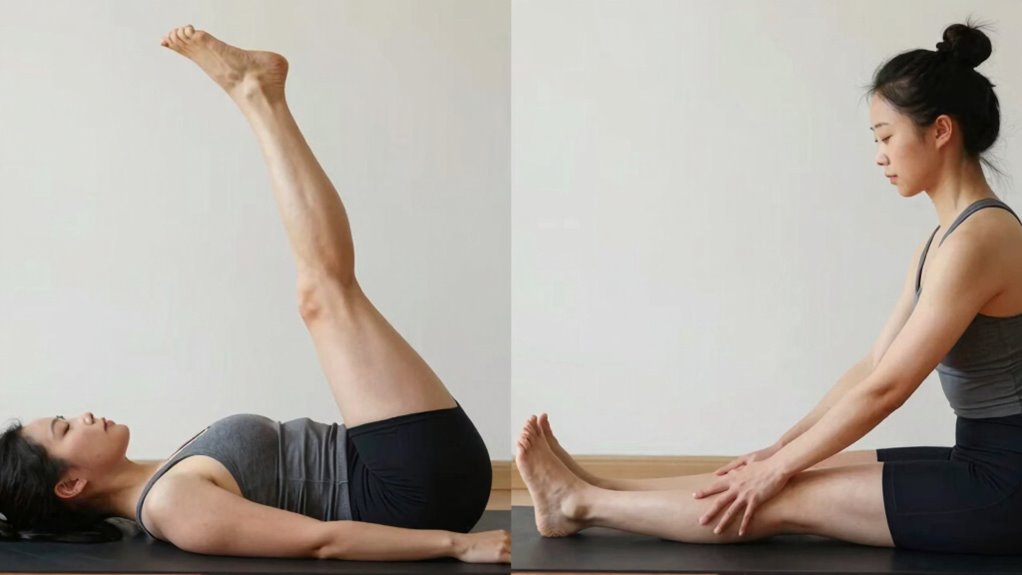
A nerve glide is a specialized movement technique designed to gently mobilize nerves and improve their function. By performing nerve gliding exercises, you can enhance nerve mobility, which helps reduce discomfort caused by nerve tension. These movements allow nerves to glide smoothly through surrounding tissues, preventing adhesions and improving overall nerve health. Incorporating nerve glides can boost your muscle flexibility indirectly by easing nerve-related restrictions. Understanding nerve mobility is essential to performing these exercises safely and effectively. Additionally, safe practice of nerve gliding can prevent nerve entrapment and reduce the risk of nerve-related injuries. Proper technique and awareness of nerve pathways are crucial for effectiveness and safety. Being aware of the nervous system can aid in performing these exercises correctly and avoiding injury. The table below highlights key differences:
| Aspect | Nerve Glide | Muscle Stretch |
|---|---|---|
| Focus | Nerve mobility | Muscle flexibility |
| Movement Type | Gliding, tension release | Lengthening, elongation |
| Sensation | Often tingling or mild discomfort | Stretching sensation |
| Purpose | Reduce nerve tension and improve function | Increase muscle length |
| Effect | Alleviates nerve-related pain | Improves muscle flexibility |
As an affiliate, we earn on qualifying purchases.
Differences in Movement and Sensation During Stretching and Nerve Gliding
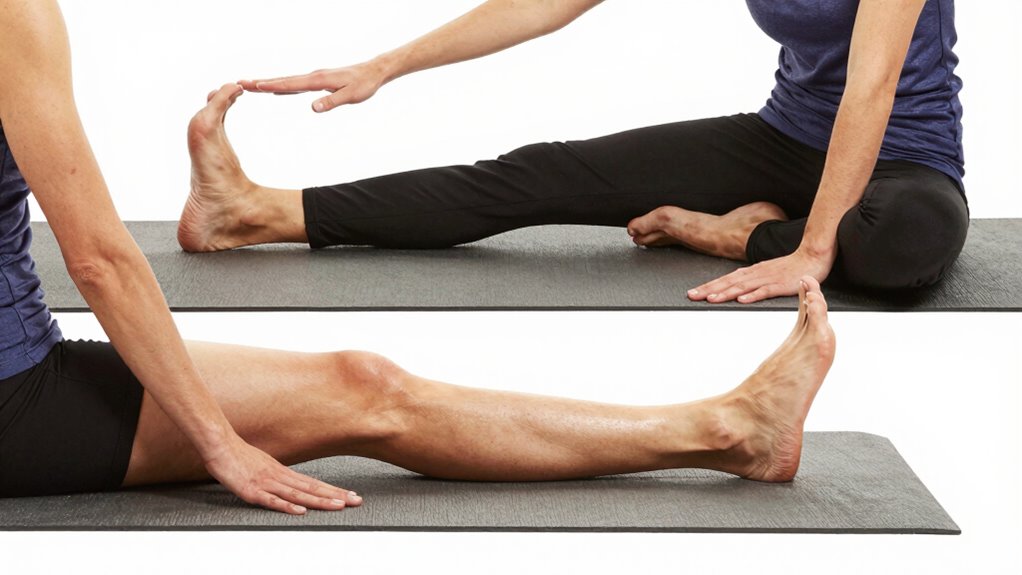
While both stretching and nerve gliding involve gentle movements, they differ markedly in how your body responds and the sensations you experience. During stretching, you’ll notice a gradual increase in muscle flexibility, often feeling a steady pull or tension in the hamstring. Nerve gliding, however, targets nerve sensitivity, producing a tingling or electric sensation that moves along the nerve pathway. Additionally, proper safety tips are essential to prevent injury during these movements. 1. Stretching primarily elongates muscles, leading to a sustained, gentle tension. 2. Nerve gliding mobilizes nerves, causing brief, sharp sensations that change with movement. 3. During stretching, discomfort is usually deep and persistent; nerve gliding sensations are more transient. 4. The responses help differentiate whether your muscles or nerves are responsible for perceived tightness or pain. Incorporating proper technique can enhance safety and effectiveness during these exercises. Moreover, understanding the sensation differences can help you identify the underlying cause of discomfort more accurately. Recognizing these distinct responses can improve your ability to tailor your stretching and nerve mobilization routines effectively. Additionally, paying attention to the body’s feedback during exercises can help prevent overstretching or nerve irritation.
How to Safely Stretch Your Hamstrings and Perform Nerve Glides

To safely stretch your hamstrings and perform nerve glides, start by warming up your muscles with light activity like walking or gentle leg swings. This increases muscle flexibility and prepares your tissues for stretching or nerve movement. When stretching, move slowly and avoid bouncing, stopping if you feel any sharp pain or increased nerve sensitivity. Focus on gentle, sustained stretches that target your hamstrings without overexerting. For nerve glides, perform controlled movements that gently mobilize the sciatic nerve while avoiding excessive tension. Remember, nerve sensitivity can cause tingling or numbness if overstimulated, so listen to your body and avoid pushing into discomfort. Incorporating appropriate firewood handling techniques can help prevent strain and injury during your stretching routines. Additionally, understanding the difference between stretching and nerve glides can help you choose the most suitable technique for your needs. Being mindful of your body’s response to stretching ensures safe and effective progress. Recognizing the importance of safe stretching practices can further enhance your routine and prevent injury. Consistency and gentle progression are key to safely improving flexibility and nerve mobility.
When Should You See a Professional for Persistent Hamstring or Nerve Pain?
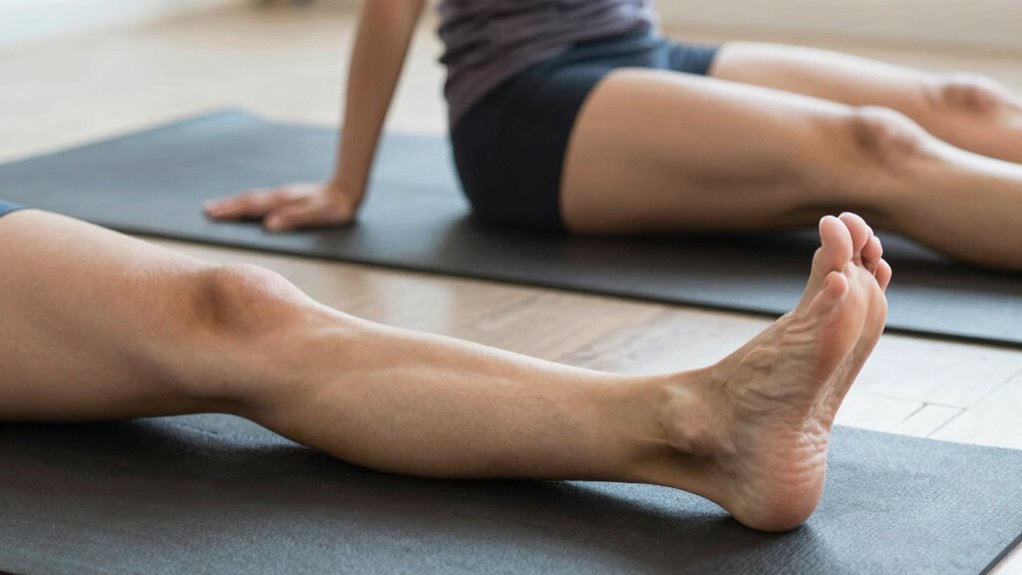
If your hamstring or nerve pain lasts more than a few days despite resting and stretching, it’s time to contemplate professional help. Persistent pain, numbness, or weakness are clear signs you shouldn’t ignore. Seeing a specialist early can prevent further injury and get you back on track faster.
Persistent Pain Indicators
Persistent hamstring or nerve pain doesn’t resolve on its own and may worsen without professional intervention. If you experience symptoms like increasing muscle fatigue or nerve numbness, it’s time to seek help. Watch for these indicators:
- Pain that persists beyond a few days despite rest or stretching
- Sudden weakness or loss of muscle control
- Sensations of tingling, burning, or persistent numbness
- Pain that worsens with activity or at night
These signs suggest underlying nerve or muscle issues that need proper diagnosis. Ignoring them could lead to further injury or chronic pain. Trust your body—if symptoms stick around or intensify, consult a healthcare professional promptly. Early intervention can prevent long-term damage and help you recover faster.
When to Seek Expert Care
You should seek professional care when hamstring or nerve pain continues despite rest and self-care efforts. Persistent discomfort may indicate issues with muscle elasticity or nerve sensitivity that require expert evaluation. If your pain worsens, becomes sharp, or radiates down your leg, it’s time to consult a healthcare provider. Signs such as numbness, tingling, or weakness also point to nerve involvement needing specialized treatment. Don’t ignore symptoms that linger beyond a few days or increase with movement. A professional can assess whether tight muscles or nerve irritation are causing your pain, and recommend targeted therapies. Prompt care can prevent further injury and help restore proper muscle elasticity and nerve function, ensuring a safe and effective recovery.
Tips to Prevent Hamstring Strains and Nerve Irritation
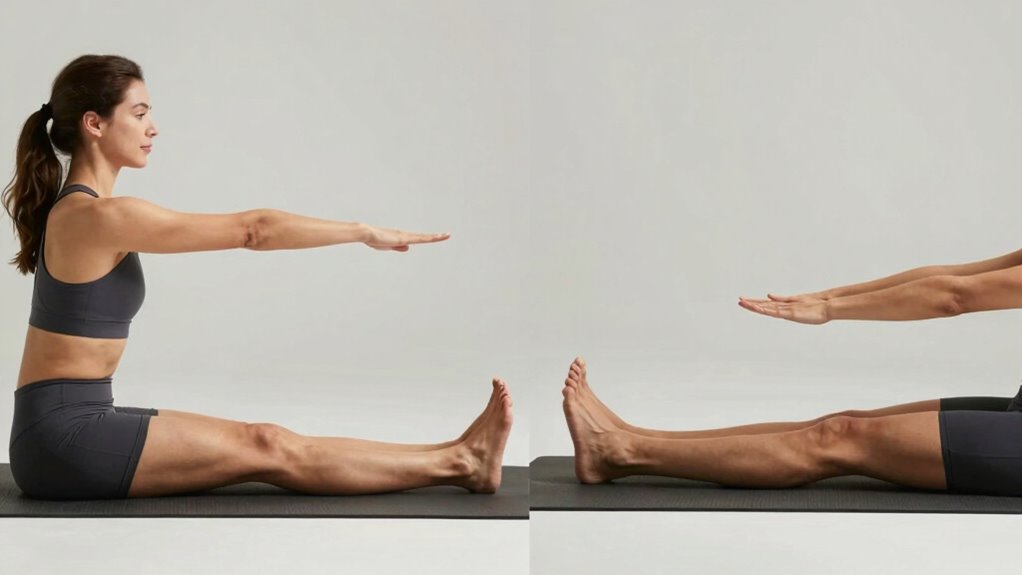
To prevent hamstring strains and nerve irritation, incorporating proper warm-up routines and stretching techniques is essential. Improving muscle flexibility reduces strain, while managing nerve sensitivity helps prevent irritation. Here are four tips to keep you safe:
- Warm up thoroughly before activity to increase blood flow and loosen muscles.
- Focus on gentle, dynamic stretches targeting the hamstrings to enhance flexibility gradually.
- Incorporate nerve gliding exercises to reduce nerve sensitivity and prevent irritation.
- Avoid overstretching or bouncing during stretches, which can increase injury risk.
Consistent, mindful stretching combined with proper warm-up routines helps maintain healthy muscle flexibility and nerve health, reducing the likelihood of strains and nerve issues during physical activity.
Easy Home Tests to Differentiate Hamstring Tightness From Nerve Pain

Differentiating between hamstring tightness and nerve pain is essential for effective treatment and recovery. Easy home tests can help you identify the source of your discomfort. To assess muscle flexibility, try the straight leg raise test: lie on your back and lift your leg without bending your knee. If you feel tightness in your hamstring, it’s likely muscle-related. However, if you experience sharp, shooting pain down your leg, especially along nerve pathways, nerve irritation may be the cause. Another test involves gently pressing along your sciatic nerve pathway while raising your leg. Pain or tingling sensations along these nerve routes suggest nerve involvement. These simple tests help you distinguish between muscle tightness and nerve pain, guiding appropriate treatment.
Frequently Asked Questions
Can Nerve Pain Mimic Hamstring Injury Symptoms Accurately?
Yes, nerve pain can mimic hamstring injury symptoms accurately. You might feel muscle fatigue, tightness, or joint stiffness similar to a hamstring strain. However, nerve pain often radiates down the leg and worsens with specific movements or positions, unlike muscle injuries. Pay attention to burning, tingling, or numbness, which are common nerve symptoms. Recognizing these differences helps you determine if it’s nerve pain or a hamstring issue.
Are There Specific Exercises to Distinguish Nerve Issues From Muscle Tightness?
You can distinguish nerve issues from muscle tightness through targeted exercises like muscle testing and nerve palpation. During muscle testing, you’ll evaluate your strength in specific positions, noting differences that suggest nerve involvement. Nerve palpation involves gentle pressure along nerve pathways to identify tenderness or abnormal sensations. These methods help you pinpoint whether nerve irritation or muscle tightness causes your symptoms, guiding appropriate treatment and relief.
How Does Age Influence the Likelihood of Nerve Versus Hamstring Problems?
As you age, nerve issues become more common due to age-related degeneration, which affects nerve health and sensitivity. Your muscular resilience also decreases over time, making muscles more prone to tightness and strain. While younger individuals often experience hamstring tightness from muscle overuse, older adults are more likely to encounter nerve-related discomfort. Maintaining strength and flexibility can help, but consulting a healthcare professional is key for accurate diagnosis.
What Role Does Posture Play in Nerve Irritation Compared to Hamstring Strain?
Did you know that poor posture can increase nerve irritation risk by up to 25%? You play a vital role by doing posture assessments regularly and making ergonomic adjustments at your workspace. Bad posture, like slouching or forward head position, strains nerves, causing pain, whereas hamstring strains are more related to muscle overuse or injury. Maintaining proper posture helps prevent nerve issues, reducing discomfort and promoting better overall limb health.
Can Imaging Tests Conclusively Differentiate Nerve Problems From Muscle Injuries?
Imaging tests, like MRI or ultrasound, can’t conclusively differentiate nerve problems from muscle injuries due to imaging limitations. They’re helpful but often need to be part of a broader differential diagnosis process. You should rely on clinical exams and symptom assessments alongside imaging results for an accurate diagnosis. This all-encompassing approach helps identify whether nerve issues or muscle strains are causing your pain, ensuring you get the right treatment.
Conclusion
Understanding the difference between hamstring tightness and nerve pain can save you time and discomfort. For example, if you notice sharp, shooting sensations that worsen with movement, it might be nerve-related. Conversely, tightness that eases with gentle stretching likely involves your hamstrings. Paying attention to your body’s signals and seeking professional advice when needed guarantees proper treatment. Remember, accurate diagnosis helps you recover faster and prevents further injury.