

To use movement for focus, incorporate intentional actions like quick stretches or brisk walks to clear your mind and reset mental clutter. Combine movement with mindful breathing by inhaling deeply to expand your lungs and exhaling to release tension, anchoring you in the present moment. Pay attention to your posture during movement to boost alertness and promote clarity. By making these practices a regular part of your routine, you’ll discover effective ways to sharpen your attention—exploring more is just ahead.
Key Takeaways
- Incorporate intentional movement routines with mindful breathing to enhance concentration, not just physical relief.
- Use posture checks during movement to promote mental clarity and sustained focus.
- Engage in body awareness during stretches and walks to deepen present-moment attention.
- Use movement as a deliberate transition tool to reset your mind between tasks.
- Combine movement with breathing exercises to anchor focus and improve mental sharpness.
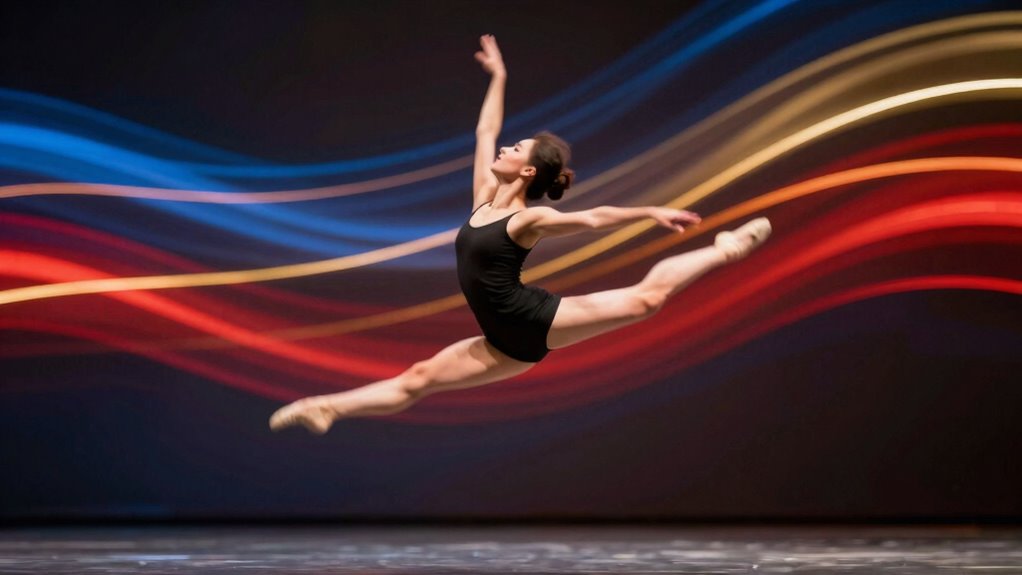
Have you ever noticed how a quick stretch or a brisk walk can clear your mind? That’s because movement isn’t just about relieving tension; it’s a powerful tool to sharpen your focus. When you incorporate mindful breathing into your movement routines, you not only relax your body but also center your thoughts. Breathe in deeply through your nose, feeling your lungs expand, then exhale slowly through your mouth. This simple act helps anchor you in the present moment, making your movements more intentional and effective. As you breathe mindfully, pay attention to your posture alignment. Standing or sitting with proper posture—shoulders back, chest open, spine straight—creates a foundation that supports clearer thinking. Good posture enhances blood flow to your brain, increasing alertness and mental clarity, helping you stay focused longer. Additionally, mindful movement can foster a stronger connection between your body and environment, promoting overall well-being.
Moving intentionally with mindful awareness turns a mundane stretch or walk into a focused practice. Instead of rushing through a stretch, pay attention to how your muscles feel as they elongate and release tension. Notice the sensation of your feet hitting the ground during a walk, or how your shoulders roll back during a gentle stretch. When you stay present with each movement, your mind avoids wandering and stays engaged. This kind of movement acts as a reset button, clearing mental clutter and sharpening your concentration. It’s not just about physical relief but about creating a mental space that allows you to return to your tasks with renewed energy. Developing an awareness of your body-mind connection can deepen your focus and overall well-being. Incorporating mindful awareness into your routine can also enhance your capacity to manage stress and sustain attention.
You can also use movement to break up long periods of work, making transitions smoother and more purposeful. For example, stand up, take a few mindful breaths, and perform a quick posture check before returning to work. This habit signals to your brain that it’s time to switch gears, boosting your focus and productivity. Movement, combined with mindful breathing and proper posture, becomes a tool for mental clarity rather than just physical relief. It’s about cultivating awareness of how your body and mind are interconnected. When you pay attention to your posture alignment and breathe consciously during movement, you’re training your brain to stay present and alert. Recognizing the importance of biodiversity and sustainable practices can also support your mental well-being by fostering a deeper connection to nature. This holistic approach ties together physical health and mental focus, emphasizing the importance of a balanced lifestyle.
Incorporating these practices into your daily routine takes only minutes but can significantly enhance your ability to concentrate. It’s a simple, effective way to transform movement from a mere distraction into a focused strategy for mental clarity. When you make mindful breathing and posture alignment part of your movement habits, you’re setting the stage for sharper focus, improved productivity, and a calmer, more centered mind.

Mindful Movements: Ten Exercises for Well-Being
Used Book in Good Condition
As an affiliate, we earn on qualifying purchases.
As an affiliate, we earn on qualifying purchases.
Frequently Asked Questions
Can Movement Techniques Replace Traditional Focus Methods?
Movement therapy can profoundly enhance your focus, but it shouldn’t fully replace traditional focus methods. It acts as a powerful supplement, helping you break mental blocks and improve concentration through physical activity. Movement techniques boost focus enhancement by increasing blood flow and releasing stress, making it easier to stay attentive. While effective, combining movement therapy with other focus strategies provides the best results for sustained concentration and mental clarity.
What Types of Movement Are Best for Improving Focus?
Ever notice how a quick stretch or deep breath can clear your mind? Focus-enhancing movements include mindfulness exercises like slow, deliberate stretches and breathing techniques that promote awareness. These movements increase blood flow and reduce stress, sharpening your attention. Incorporate gentle yoga or tai chi into your routine to boost focus naturally. Are you ready to turn simple movement into a powerful tool for mental clarity?
How Often Should I Incorporate Movement Into My Day?
You should incorporate movement into your day several times, ideally every 1-2 hours, to maintain focus. Try quick stretching routines to loosen up your muscles and refresh your mind, or go for mindful walking to reset your concentration. Regular movement helps prevent fatigue and keeps your brain engaged, so make these breaks a consistent part of your routine to stay sharp and focused throughout the day.
Are There Specific Movements for Different Focus Challenges?
Think of your focus challenges as different terrains in a vast landscape. For mental fog, try brisk walking or jumping jacks—these energize your mind. If your focus wanes with fatigue, gentle stretching or deep breathing act like calming rivers easing turbulence. Incorporate specific movement patterns into your focus strategies, like quick, sharp movements for alertness or slow, deliberate ones for concentration. Adjust these to match your unique mental terrain.
Can Movement Help With Mental Clarity During Stressful Times?
Yes, movement can boost your mental clarity during stressful times. Incorporate mindfulness exercises and breathing techniques into your movements to center yourself and clear your mind. Try slow, deliberate stretches or gentle walking while focusing on your breath and body sensations. These practices help reduce stress hormones and increase oxygen flow to your brain, sharpening your focus and calming your mind amidst chaos.
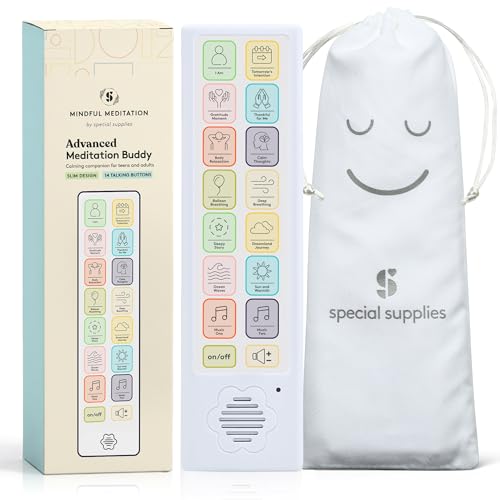
Special Supplies Meditation Buddy – Screen-Free Mindfulness & Breathing Device for Stress Relief, Daily Meditation, Anxiety Relief, Calm Focus & Emotional Balance for Kids and Adults (Adults)
Screen-Free Mindfulness Tool – Enjoy guided meditation, calm breathing, and daily mindfulness without apps, phones, or distractions. Perfect…
As an affiliate, we earn on qualifying purchases.
As an affiliate, we earn on qualifying purchases.
Conclusion
By incorporating intentional movement into your routine, you can sharpen your focus rather than just find temporary relief. Remember, studies show that just 10 minutes of movement can boost concentration by up to 15%. So next time you’re feeling distracted, instead of settling for short-term relief, use movement as a tool to refocus and energize your mind. It’s a simple shift that can make a big difference in your productivity and clarity.
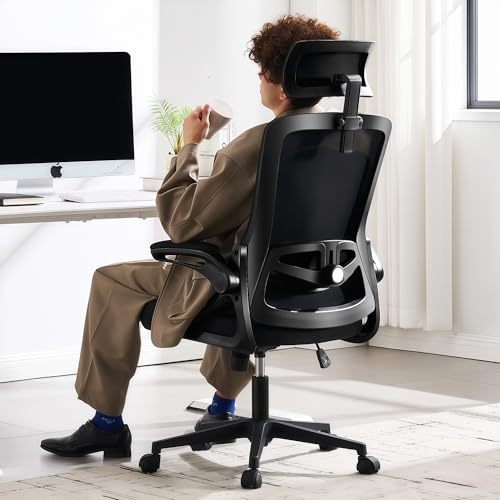
Fizzin Ergonomic Office Chair, 400 LBS Computer Chairs with Adjustable Lumbar Support, Breathable Mesh Desk Chair Ergonomic with Thickened Cushion, Comfy Home Office Desk Chair (Black)
Ergonomic Office Chair: Our ergonomic office chair provides total comfort and support for your head, back, hips and…
As an affiliate, we earn on qualifying purchases.
As an affiliate, we earn on qualifying purchases.

4 PCS Tongue Trainer,Oral Muscle Training Tool Portable Tongue Exerciser for Kids Tongue Tip Training Device
Tongue exerciser features a range of tools to exercise different tongue muscles, ensuring comprehensive oral muscle development
As an affiliate, we earn on qualifying purchases.
As an affiliate, we earn on qualifying purchases.