
Your choice of cleaning gear directly affects your indoor air quality. Contaminated or poorly maintained tools like sponges, cloths, and spray bottles can harbor mold, bacteria, and chemical residues that become airborne, impacting your health. Using the wrong equipment or ignoring cleaning practices can leave behind fumes and allergens. Regularly replacing, cleaning, and storing your gear properly helps prevent these risks. Keep going to discover how small adjustments can make a big difference for cleaner air.
Key Takeaways
- Proper maintenance and regular replacement of cleaning tools prevent mold and bacteria buildup that can harm indoor air quality.
- Contaminated cloths and sponges can harbor mold spores, spreading airborne allergens when reused.
- Residues from cleaning products and improper rinsing can trap fumes, increasing indoor chemical airborne pollutants.
- Adequate ventilation and thorough drying of cleaning gear reduce mold growth and chemical residue accumulation.
- Selecting low-VOC cleaning products and storing tools properly helps minimize chemical fumes and airborne contaminants.
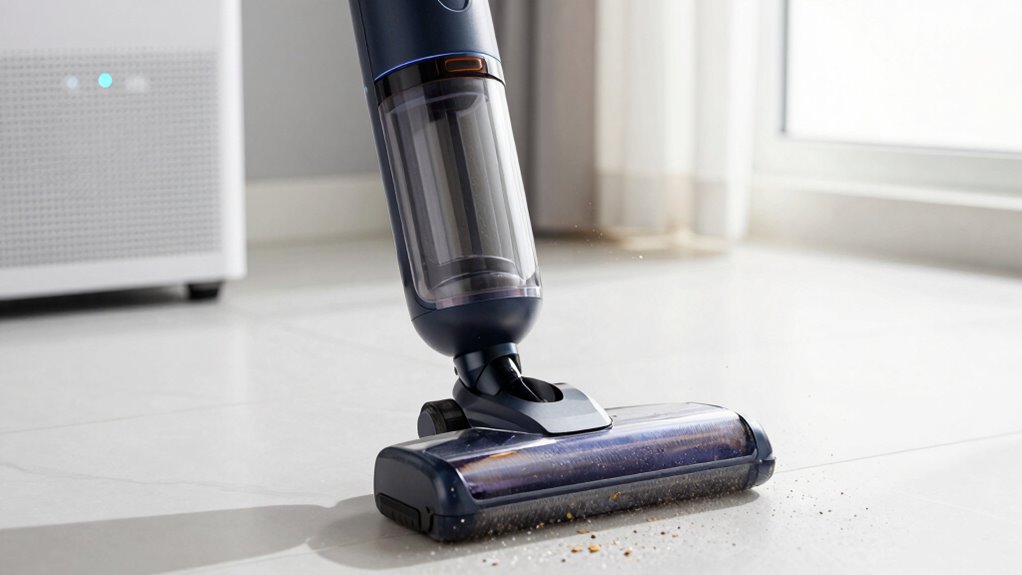
Cleaning gear plays a crucial role in maintaining good air quality in your home or workplace. While you might focus on removing dirt and dust, the equipment you use can also influence the presence of harmful pollutants like mold growth and chemical fumes. If you’re not careful with your cleaning tools, you could unintentionally contribute to indoor air pollution instead of reducing it.
Properly maintained cleaning gear helps prevent mold and chemical fumes, improving indoor air quality and promoting healthier spaces.
For example, using old or improperly maintained cleaning cloths and sponges can harbor mold growth. When you reuse contaminated gear, mold spores can become airborne, spreading throughout your space and exacerbating allergies or respiratory issues. Similarly, cleaning with equipment that isn’t suited for certain surfaces might leave residues that promote mold development, especially in damp areas. This can be a silent threat, quietly impacting air quality even after cleaning is done. Regularly inspecting and replacing your cleaning tools is essential to prevent such issues. Proper equipment maintenance ensures that molds and bacteria do not thrive on your tools, further safeguarding your indoor air. Additionally, choosing appropriate cleaning tools can significantly reduce the risk of contaminant buildup.
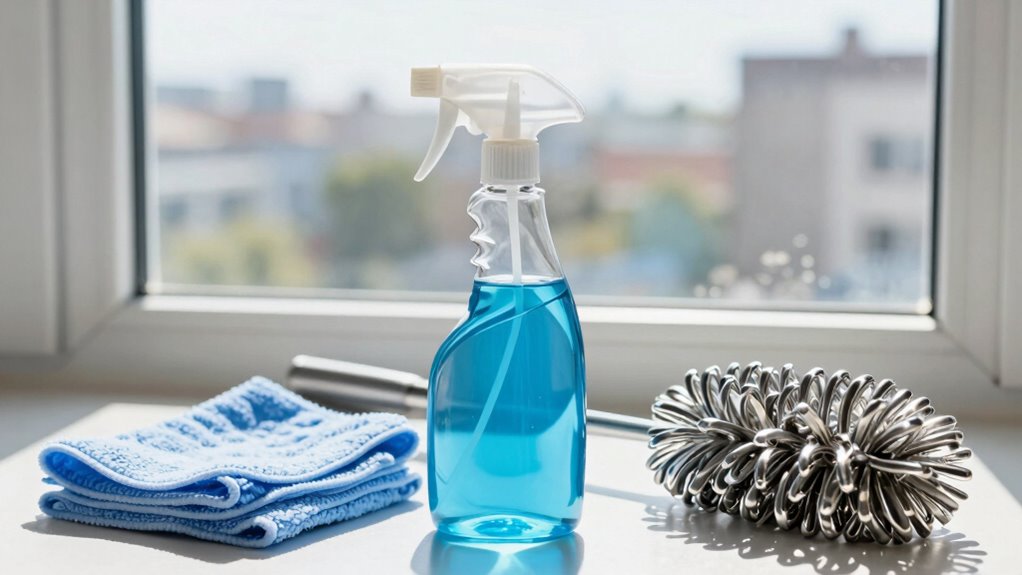
Chemical fumes are another concern linked to cleaning gear. Many cleaning products release volatile organic compounds (VOCs) and other fumes that can linger in the air, especially if your equipment isn’t well-ventilated or if you don’t rinse tools thoroughly. Using spray bottles, scrub brushes, or microfiber cloths that are contaminated with residues from previous cleaning agents can cause these fumes to become trapped, making it harder to breathe comfortably. Over time, the accumulation of chemical fumes from improper or repeated use of contaminated gear can lead to headaches, dizziness, or more serious respiratory problems. Ensuring proper ventilation systems are in place can help disperse these airborne pollutants more effectively. The key to avoiding these issues is to prioritize proper maintenance and selection of your cleaning equipment. Regularly washing or replacing microfiber cloths, sponges, and mop heads prevents mold from taking hold. Opt for tools made from non-porous materials that are easy to disinfect, reducing the likelihood of mold growth and chemical residue buildup. Additionally, ensure your cleaning gear dries completely between uses and store it in a well-ventilated space to inhibit mold and bacteria development. Proper storage and cleaning practices are essential for maintaining air quality. When possible, choose cleaning products with low VOC content and rinse your tools thoroughly after use to remove any lingering chemical residues. Maintaining a ventilation system in your cleaning area can further help disperse airborne pollutants, keeping indoor air healthier.
As an affiliate, we earn on qualifying purchases.
Frequently Asked Questions
How Often Should Cleaning Gear Be Replaced for Optimal Air Quality?
You should replace cleaning gear based on regular maintenance and recommended replacement schedules to guarantee peak air quality. Typically, vacuum filters and bags need changing every 3 to 6 months, while mops and cloths should be washed or replaced weekly. Regular cleaning gear maintenance prevents dust buildup and bacteria growth, which can harm air quality. Staying consistent with your replacement schedules helps maintain a healthier indoor environment.
Do Eco-Friendly Cleaning Products Impact Indoor Air Differently?
Think of eco-friendly cleaning products as a gentle breeze replacing a storm—they impact indoor air differently. Biodegradable formulas and scent-free options typically release fewer volatile organic compounds (VOCs), reducing indoor pollution. This means cleaner air and fewer allergy triggers. Using these products guarantees your space stays fresh without compromising air quality, making your home healthier while still tackling dirt effectively.
Can Cleaning Gear Release Harmful Particles Into the Air?
Yes, cleaning gear can release harmful particles into the air. Synthetic fibers from mops, cloths, or sponges may shed, and chemical emissions from cleaning products can evaporate during use. These particles and emissions can linger, affecting indoor air quality. To reduce risks, opt for gear made from natural fibers and choose eco-friendly, low-emission cleaning products. Proper ventilation also helps clear out any airborne particles and chemicals.
Are There Specific Cleaning Tools That Improve Air Quality?
Yes, certain cleaning tools can improve air quality. Vacuum filters trap dust, allergens, and pollutants, preventing them from recirculating into the air. Microfiber cloths effectively capture dirt, dust, and bacteria, reducing airborne particles. Using high-efficiency filters and microfiber cloths helps create a cleaner, healthier environment. You’ll enjoy fresher air, fewer allergens, and a more comfortable space when you choose tools designed to enhance air quality.
How Does Cleaning Frequency Affect Indoor Air Pollution Levels?
Increasing cleaning frequency reduces indoor air pollution by preventing dust accumulation, which can be an allergy trigger. Regularly dusting and vacuuming helps eliminate allergens like pet dander and pollen, improving air quality. When you clean more often, you minimize the buildup of airborne particles that can cause respiratory issues. This proactive approach keeps your indoor environment healthier, especially if you or family members suffer from allergies or asthma.
As an affiliate, we earn on qualifying purchases.
Conclusion
Don’t underestimate how your cleaning gear impacts your air quality. It might seem minor, but choosing the right tools and filters can make a big difference in creating a healthier home. Some might think it’s too much hassle or costly, but the benefits of cleaner air are worth it. Investing a little time now guarantees you breathe easier every day, making your space truly fresh and safe for everyone.
As an affiliate, we earn on qualifying purchases.
As an affiliate, we earn on qualifying purchases.