Carrying a bag on one side may feel fine at first because your muscles adapt temporarily, but over time, it creates muscle imbalances and postural shifts. Your stronger muscles pull on one side, while weaker ones weaken on the other, leading to misalignment, strain, and potential pain. If you keep doing this, small issues can turn into bigger problems like chronic discomfort or mobility problems. Keep exploring to understand how to prevent and correct these imbalances before they worsen.

Get comfort and recovery gear delivered free with Prime
- Fast, free delivery on millions of items
- Prime Video, Amazon Music and more included
- Member-only deals all year
Key Takeaways
- Initially, muscles compensate, masking imbalance symptoms until strain accumulates and causes pain or discomfort.
- The body adapts temporarily, but uneven muscle tension and posture issues build up over time.
- Small, daily one-sided loads gradually create muscle imbalance, leading to misalignment and discomfort.
- Chronic strain from uneven carrying can cause nerve compression and reduced mobility if ignored.
- Early signs are subtle, making it easy to overlook until significant pain or postural problems develop.
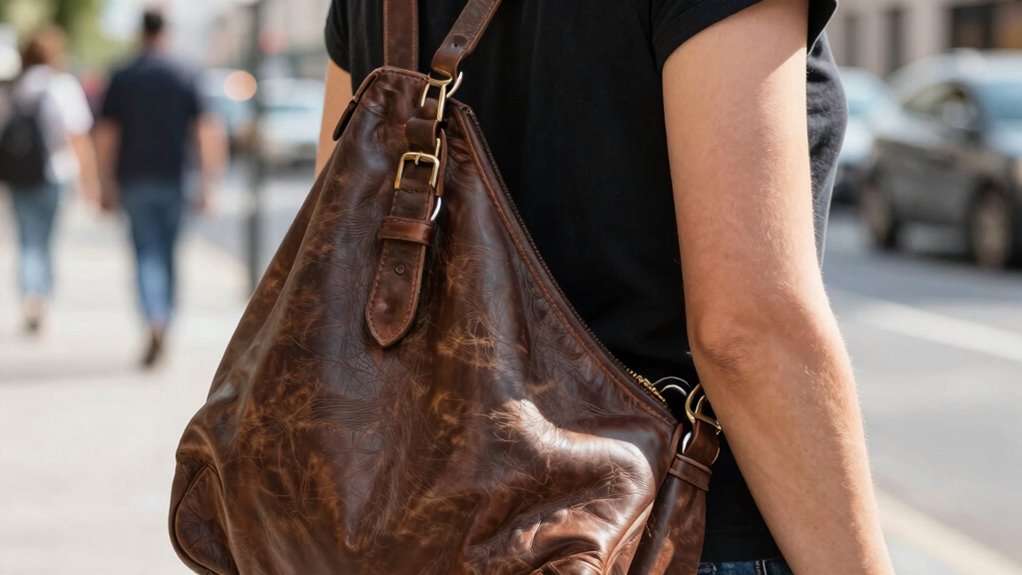
Carrying a bag on one side might feel perfectly comfortable at first, but over time, it can quietly strain your body in ways you might not notice. When you consistently carry weight on one shoulder, you create a muscle imbalance — your muscles on that side become stronger and tighter, while the opposite side weakens and relaxes. This imbalance can subtly shift your posture, leading to uneven shoulders, a tilted pelvis, or a misaligned spine. Without realizing it, you start compensating for this unevenness, which can cause discomfort or pain down the line.
Carrying a bag on one side can cause muscle imbalance and postural issues over time.
You might think that a little discomfort is normal or that your body will naturally adjust, but neglecting these signs can worsen the problem. Over time, the muscles that are constantly engaged on the carrying side become overly tight, pulling your shoulder higher or forward. Meanwhile, muscles on the opposite side weaken from lack of activation, making it harder to maintain proper posture correction. This imbalance triggers a chain reaction, affecting your overall alignment and putting strain on your neck, back, and hips. Recognizing the importance of muscle balance can help prevent these issues from escalating. Additionally, understanding how postural muscles function can guide you in making effective adjustments. Developing awareness of muscle engagement during daily activities can also support better posture.
The longer you overlook these issues, the more ingrained the poor posture becomes. Poor posture doesn’t just look bad — it can lead to chronic pain, reduced mobility, and even nerve compression. Carrying a bag on one side might seem like a minor habit, but it’s a small change that can have major repercussions if left unchecked. The key to avoiding these issues is to be mindful of how you carry your belongings and to incorporate exercises that promote muscle balance. Incorporating posture awareness into your daily routine can significantly improve your overall well-being.
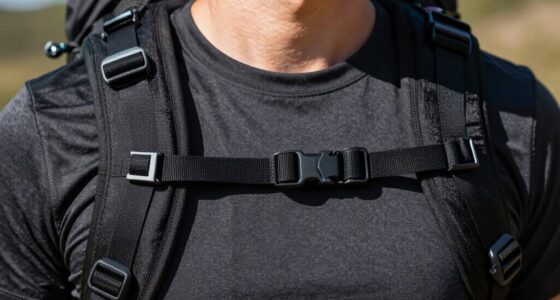
Strengthening weaker muscles and stretching tight ones are essential for posture correction. Balancing your muscle groups helps your body regain symmetry, easing the strain caused by uneven weight distribution. Using both shoulders when carrying a bag, switching sides frequently, or opting for a backpack with evenly distributed weight can make a significant difference. Over time, these habits help restore muscle balance and improve posture, reducing the risk of pain and injury.
ergonomic backpack with dual straps
As an affiliate, we earn on qualifying purchases.
As an affiliate, we earn on qualifying purchases.
Frequently Asked Questions
How Long Can I Carry Items on One Side Without Harm?
You can carry items on one side for a short period, but it’s not safe to do so long-term. To prevent harm, focus on maintaining a balanced load and using ergonomic techniques, like switching sides frequently and keeping the load close to your body. Pay attention to any discomfort or pain, and avoid overloading one side. Regularly shifting your carry method helps protect your posture and reduces injury risk.
Does One-Sided Carrying Impact Posture Over Time?
You might think one-sided carrying won’t affect your posture, but it does. Over time, it causes postural imbalance, pulling your body out of alignment. Your muscles compensate, overworking on one side while weakening on the other. This imbalance can lead to discomfort, pain, and long-term issues. To avoid this, switch sides regularly and incorporate exercises that promote symmetrical muscle strength. Your posture will thank you.
Are Certain Body Types More Affected by One-Sided Carrying?
Yes, certain body types are more affected by one-sided carrying. If you have asymmetrical strength or a pre-existing body imbalance, carrying weight on one side can worsen these issues over time. You might notice increased discomfort or postural shifts, which could lead to pain or injury. To prevent this, it’s crucial to balance your load, strengthen weaker muscles, and be mindful of your body’s alignment during daily activities.
Can One-Sided Carrying Cause Long-Term Musculoskeletal Issues?
Yes, one-sided carrying can cause long-term musculoskeletal issues. When you carry uneven loads, your body struggles with balance correction, leading to muscle imbalance. Over time, this imbalance can cause joint strain, back pain, and posture problems. If ignored, these issues might worsen, affecting your mobility and comfort. To prevent this, it’s best to switch sides regularly and strengthen your core muscles, promoting better balance and alignment.
What Signs Indicate I Should Stop One-Sided Carrying Immediately?
Investigating whether your body signals discomfort, you should stop one-sided carrying immediately if you experience persistent pain, numbness, tingling, or weakness. These signs indicate your muscles and joints are strained, risking long-term issues. Prioritize balance correction and ergonomic adjustments to prevent injury. If discomfort continues or worsens, halt the activity and consult a healthcare professional to assess your posture and carrying techniques, ensuring safe, sustainable practices.
As an affiliate, we earn on qualifying purchases.
Conclusion
So, you might think carrying something on one side is no big deal—until one day, your shoulder screams louder than a rock concert. That tiny imbalance can turn into a full-blown pain storm that wrecks your entire week. Don’t wait for your body to throw a tantrum; listen now before your muscles rebel like a wild beast. Trust me, carrying smart today saves you from carrying the pain tomorrow!
muscle balance exercise equipment
As an affiliate, we earn on qualifying purchases.
As an affiliate, we earn on qualifying purchases.
As an affiliate, we earn on qualifying purchases.
Fall Picks
fall essentials
As an affiliate, we earn on qualifying purchases.