
TL;DR

Get comfort and recovery gear delivered free — and shop member deals
- Fast, free delivery on millions of items
- Access to Prime Big Deal Days deals on October 6–7
- Prime Video, Amazon Music and more included
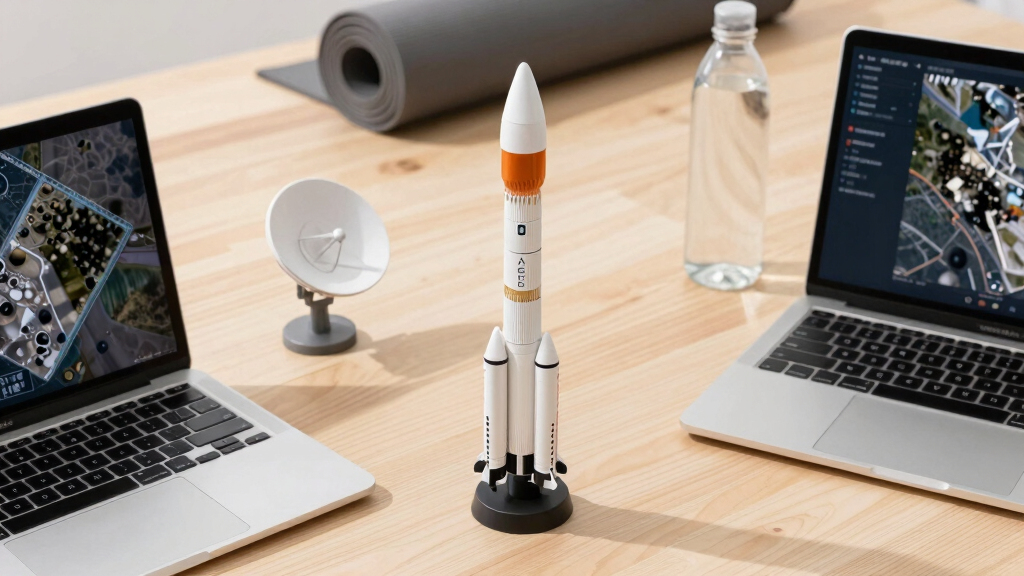
United Launch Alliance (ULA) successfully launched its final Atlas 5 rocket, which will support Amazon’s Leo broadband satellite project. This marks the end of the Atlas 5’s operational history, with implications for satellite launches and industry competition.
United Launch Alliance (ULA) has successfully launched its final Atlas 5 rocket, supporting Amazon’s Leo broadband satellite constellation. The mission, which took place today, marks the end of the Atlas 5’s operational history after more than 130 launches, and it underscores the transition to newer launch vehicles.
The launch occurred at Cape Canaveral Space Force Station, Florida, and was confirmed by ULA shortly after liftoff. The Atlas 5 rocket carried Amazon’s Leo satellite, part of the company’s ambitious plan to provide global broadband coverage. ULA officials stated that this mission is the last scheduled Atlas 5 launch, as the company shifts focus to newer rockets like Vulcan Centaur. The Atlas 5 has been a workhorse for government and commercial payloads since its first flight in 2002, with over 130 missions completed. Amazon’s Leo satellite is designed to operate in low Earth orbit, aiming to deliver high-speed internet services worldwide, especially in underserved areas.Sources from ULA confirmed that the launch proceeded as planned, with no reported issues. The rocket’s final mission underscores a significant milestone in ULA’s history, ending an era of reliability and versatility associated with the Atlas 5 platform. Industry analysts note that this transition reflects broader changes in the commercial launch market, with newer vehicles offering increased efficiency and lower costs.
Implications of the Atlas 5 Retirement for Satellite Launches
The successful launch of the final Atlas 5 rocket marks a pivotal moment in space launch history. It signifies the end of a nearly two-decade-long platform that has supported critical government and commercial missions. For Amazon, the mission supports its vision of expanding broadband access globally through the Leo satellite constellation, which could impact internet infrastructure development. The retirement of Atlas 5 also highlights shifts in the launch industry, with competitors like SpaceX’s Falcon 9 gaining market share due to lower costs and rapid turnaround times. This transition may influence future satellite deployment strategies and industry dynamics.
As an affiliate, we earn on qualifying purchases.
Background on Atlas 5 and Amazon Leo Satellite Program
The Atlas 5 rocket, developed by Lockheed Martin and operated by ULA, first launched in 2002 and has been a reliable choice for government and commercial payloads, including national security satellites and interplanetary missions. Over its operational lifetime, it completed more than 130 missions. Amazon’s Leo satellite project aims to deploy thousands of small satellites in low Earth orbit to provide broadband internet globally, especially targeting underserved regions. Amazon announced its partnership with ULA to launch these satellites, with the Atlas 5 serving as the launch vehicle for the initial phases.
The decision to retire the Atlas 5 was announced by ULA earlier this year, with plans to transition to the Vulcan Centaur rocket, which promises improved performance and cost-efficiency. The upcoming Vulcan launches are expected to replace Atlas 5 missions gradually, but this final launch marks the conclusion of a significant chapter in ULA’s history.
“Today’s launch marks the end of an era for ULA and the Atlas 5 platform. We are proud to support Amazon’s vision for global connectivity with our final Atlas 5 mission.”
— Tory Bruno, ULA CEO
As an affiliate, we earn on qualifying purchases.
Remaining Questions About Future Launch Capabilities
It is not yet clear how quickly ULA will replace Atlas 5 launches with the Vulcan Centaur, or whether there will be any delays in the transition. Additionally, the long-term performance and cost-effectiveness of Vulcan compared to Atlas 5 are still being evaluated. Industry analysts also question how competitors like SpaceX will influence the satellite launch market in the coming years, especially as ULA shifts focus.
low Earth orbit satellite receiver
As an affiliate, we earn on qualifying purchases.
As an affiliate, we earn on qualifying purchases.
Next Steps for ULA and Amazon Satellite Deployments
ULA plans to conduct several Vulcan Centaur launches in the coming months, gradually replacing Atlas 5 missions. Amazon is expected to deploy additional Leo satellites over the next few years, with the first satellites in the constellation already in development. The industry will monitor these launches to assess the performance and cost benefits of new launch vehicles and the progress of Amazon’s broadband initiative.
internet booster for underserved areas
As an affiliate, we earn on qualifying purchases.
As an affiliate, we earn on qualifying purchases.
Key Questions
Why is the Atlas 5 being retired?
ULA is retiring the Atlas 5 to focus on its newer Vulcan Centaur rocket, which offers improved performance, lower costs, and better efficiency for future missions.
What is the significance of Amazon’s Leo satellite project?
Amazon’s Leo project aims to deploy thousands of small satellites to provide global broadband internet, especially in underserved areas, which could impact global connectivity and internet access.
When will the Vulcan Centaur start launching Amazon satellites?
ULA plans to begin Vulcan Centaur launches in the coming months, with initial missions expected to support Amazon and other clients shortly thereafter.
How does this launch impact the satellite launch industry?
This marks the end of an era for Atlas 5 and highlights industry shifts toward newer, more cost-effective launch vehicles, with competitors like SpaceX gaining market share.
Are there any delays expected in the transition to Vulcan?
While ULA aims for a smooth transition, some industry observers note that delays could occur, and the long-term reliability of Vulcan is still being assessed.
Source: google-trends
Halloween Picks
halloween
As an affiliate, we earn on qualifying purchases.