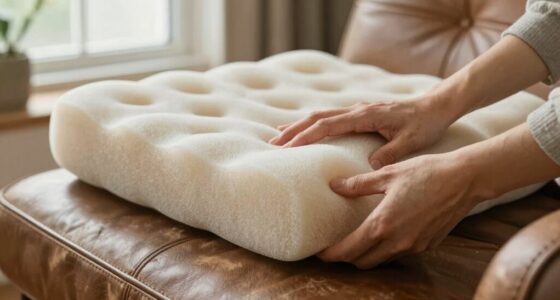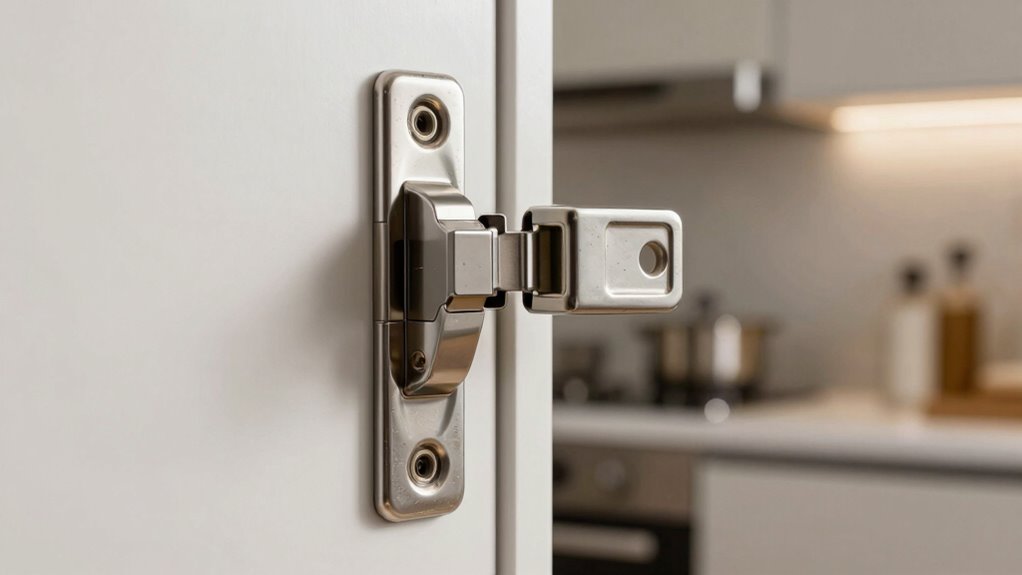

Tiny daily friction might seem harmless, but over time it adds up and causes big comfort problems. Stuff like rough seams, worn-out soles, or uneven surfaces irritate your skin, cause chafing, or even lead to lasting pain. These small issues often go unnoticed at first, but as they accumulate, they can cause significant discomfort and health issues. Understanding how these tiny friction points impact your comfort can help you find better solutions—keep exploring to learn more.

Get comfort and recovery gear delivered free — and shop member deals
- Fast, free delivery on millions of items
- Access to Prime Big Deal Days deals on October 6–7
- Prime Video, Amazon Music and more included
Key Takeaways
- Small friction points can cause cumulative irritation, leading to discomfort over time.
- Persistent tiny friction can create rough patches, blisters, and skin irritation.
- Poor material durability causes surface roughness, increasing friction and discomfort.
- Inadequate ergonomic design fails to distribute pressure evenly, amplifying minor friction issues.
- Over time, tiny friction points can develop into larger, more painful comfort problems.
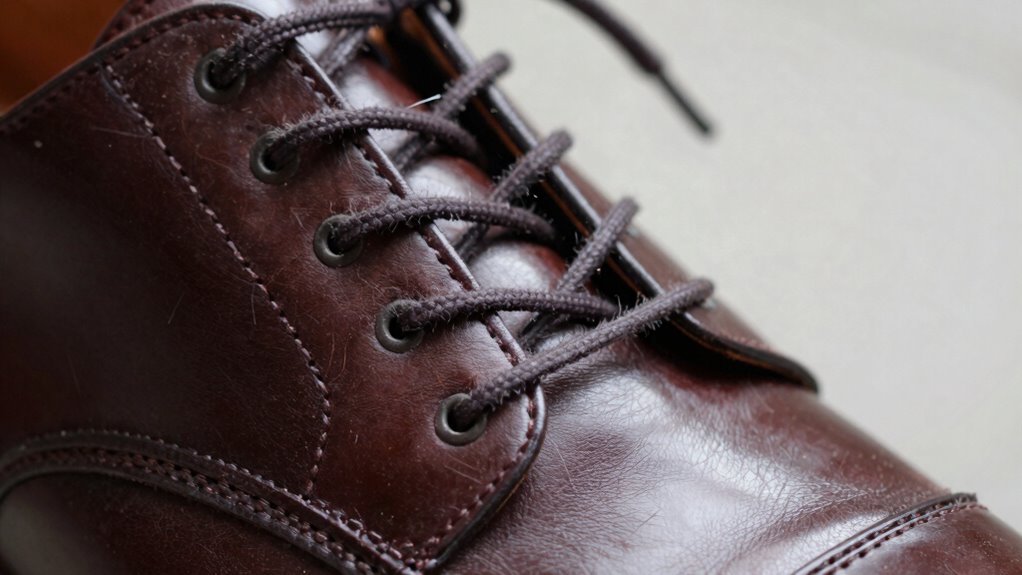
Even the tiniest amount of friction can considerably impact your comfort, especially in everyday objects like shoes, furniture, and clothing. While it might seem insignificant at first, persistent friction can cause discomfort, irritation, and even long-term health issues. This is where ergonomic design plays a vital role. When products are thoughtfully designed with ergonomics in mind, they minimize unnecessary rubbing or chafing that can lead to pain or blisters. Proper ergonomic features guarantee that surfaces are smooth where they need to be and that pressure is evenly distributed, reducing the likelihood of friction-related discomfort.
Thoughtful ergonomic design reduces friction, preventing discomfort and long-term health issues in everyday objects.
Material durability also influences how tiny amounts of friction affect you. Durable materials resist wear and tear, maintaining smooth surfaces over time. For instance, high-quality fabrics and sturdy sole materials in shoes prevent rough edges or rough patches from forming, which could cause irritation. Similarly, well-made furniture with durable finishes stays smooth and free from splinters or rough spots, keeping friction minimal even after prolonged use. When materials are compromised by poor durability, rough patches develop, and even minor movements can cause discomfort or skin irritation. Additionally, choosing material durability is essential for ensuring that products maintain their smoothness and comfort as they age. This proactive approach to material choice can significantly extend the lifespan of everyday objects, preventing the buildup of friction points. A focus on material quality also ensures that surfaces stay resistant to scratches and abrasions, which can contribute to discomfort over time.
You might not notice the small friction points every day, but they accumulate over time. Shoes with weak soles, for example, may develop rough spots that cause blisters or discomfort after just a few wears. Similarly, clothing made from low-quality fabrics might create persistent chafing due to rough seams or fibers. Furniture with poorly finished surfaces can cause skin irritation or discomfort when you lean or sit for extended periods. These tiny friction issues seem minor initially but grow into substantial comfort problems, especially when you’re exposed to them regularly. Recognizing the importance of material durability helps prevent these issues before they become problematic. Proper maintenance and selecting high-quality materials can also make a significant difference in reducing friction over time.
Designers and manufacturers who focus on ergonomic principles and material durability understand that small details matter. They engineer products to reduce friction by choosing smooth, high-quality materials and designing shapes that contour comfortably to your body. This proactive approach prevents those tiny friction points from turning into major discomforts. When products are built with durability in mind, they resist wear, maintaining their smoothness and comfort for longer. As a result, you experience fewer irritations, aches, or fatigue during daily use.
In the end, recognizing how small friction points affect your overall comfort can help you make better choices. Opt for well-designed, durable products, and pay attention to how materials feel and perform over time. Small improvements in design and material quality can greatly reduce daily discomforts, making your everyday routines more comfortable and less stressful. Tiny friction might seem trivial, but its cumulative effect can be a real problem if ignored.
As an affiliate, we earn on qualifying purchases.
Frequently Asked Questions
How Can I Identify Tiny Friction Points in My Daily Routine?
You can identify tiny friction points in your daily routine by paying close attention to discomfort or irritation during activities. Look for areas where your body feels strained or where clothing causes chafing. Make ergonomic adjustments, such as changing your chair or desk setup, and evaluate your clothing choices for better comfort. Noticing small annoyances helps you address them early, preventing bigger comfort problems later.
Are Small Discomforts Always Caused by Friction?
Small discomforts aren’t always caused by friction; they can also stem from poor ergonomic design or material durability issues. When your workspace or daily tools aren’t ergonomically optimized, even minor misalignments create discomfort over time. Similarly, low-quality materials may wear out quickly, causing irritation or inconvenience. To prevent this, choose products with good ergonomic features and durable materials, ensuring small discomforts don’t escalate into bigger comfort problems.
Can Tiny Friction Lead to Long-Term Health Issues?
Yes, tiny friction can lead to long-term health issues. Over time, repeated minor friction causes joint stiffness, making movement painful and reducing flexibility. It can also result in skin irritation or small abrasions that, if untreated, become infected or inflamed. You might not notice these problems initially, but persistent friction wears down tissues, potentially leading to chronic discomfort or more serious conditions if neglected.
What Tools or Products Help Reduce Daily Friction?
Imagine slipping smoothly through your day, unburdened by tiny irritations. Ergonomic accessories and friction-reducing gadgets are your allies, transforming discomfort into ease. These tools, like cushioned mousepads or supportive wrist rests, minimize friction between your body and daily tasks. With their help, you’ll experience less strain, greater comfort, and a more effortless flow—making your routines feel less like challenges and more like natural, comfortable movements.
How Does Tiny Friction Affect Overall Comfort Over Time?
Tiny friction causes joint stiffness and skin irritation over time, gradually reducing your comfort. As these small irritations persist, they lead to discomfort, soreness, and even skin damage, making everyday activities more challenging. You might not notice it at first, but the cumulative effect impacts your overall well-being. Addressing these tiny frictions early helps prevent bigger problems, keeping you more comfortable and free from persistent joint and skin issues.
As an affiliate, we earn on qualifying purchases.
Conclusion
So, next time you notice a small pinch or a tiny squeak, remember it’s more than just a minor annoyance. Tiny friction can escalate into major comfort issues over time. Did you know that even a fraction of a millimeter of wear can reduce comfort by up to 30%? Staying attentive to those small signs helps you prevent bigger problems down the line. Addressing tiny frustrations early keeps your daily routines smooth and comfortable in the long run.
As an affiliate, we earn on qualifying purchases.
As an affiliate, we earn on qualifying purchases.
Fall Picks
fall essentials
As an affiliate, we earn on qualifying purchases.