
TL;DR

Get comfort and recovery gear delivered free — and shop member deals
- Fast, free delivery on millions of items
- Access to Prime Big Deal Days deals on October 6–7
- Prime Video, Amazon Music and more included
Halloween is observed each year on October 31 and blends older seasonal customs, Christian observances, and modern popular culture. Its familiar traditions—from costumes and trick-or-treating to carved pumpkins—have changed across generations and places, so you can celebrate in ways that fit your community, budget, and comfort level.
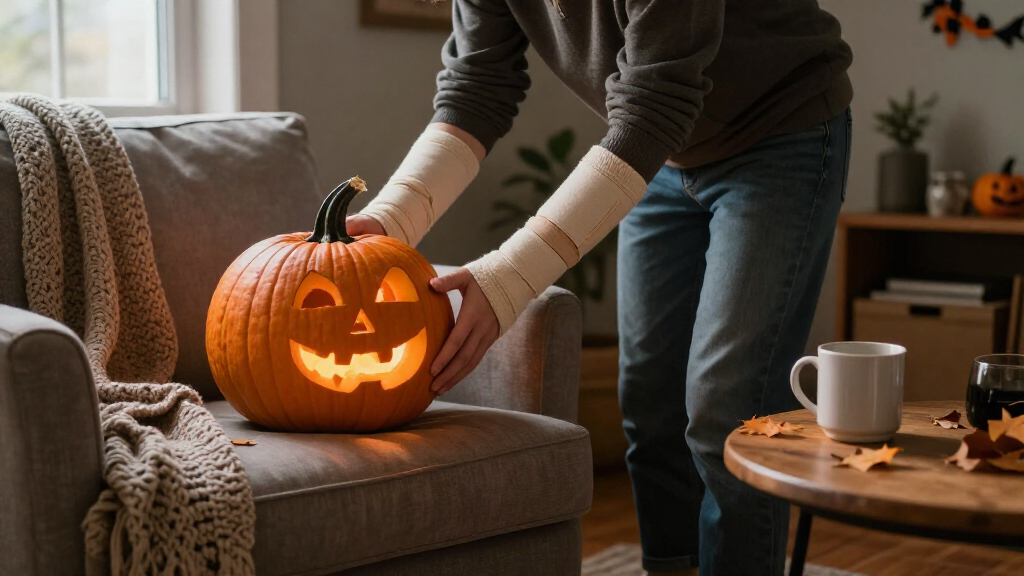
A glowing pumpkin on a doorstep looks like a Halloween tradition that has always been there. But the jack-o’-lantern once wore a very different face: in parts of Ireland and Scotland, people carved turnips, while pumpkins became the familiar choice in North America because they were plentiful and easier to hollow out.
Halloween is observed each year on October 31, but the holiday is more than candy and costumes. Its name reaches back to All Hallows’ Eve, and its customs bring together seasonal traditions, Christian observances, migration, and modern entertainment. The details have shifted from place to place and generation to generation.
Here’s a clear guide to where Halloween came from, why people celebrate it now, and how to make the evening enjoyable without overspending or overlooking safety. Whether you’re planning a neighborhood candy route or a quiet pumpkin-carving night, the history adds a little more light to the glow on the porch.
Halloween falls on October 31, the eve of All Saints’ Day, and its name comes from All Hallows’ Eve.
Its history combines seasonal customs, Christian observances, and later traditions; not every modern custom can be traced directly to one ancient festival.
Pumpkins became North America’s familiar jack-o’-lantern after turnip-carving customs arrived with Irish and Scottish immigrants.
Check local hours, event rules, visibility, routes, and food needs before trick-or-treating or attending a crowded event.
Borrowed costumes, reusable decorations, and one planned highlight can keep Halloween personal without buying everything new.
What Halloween Means—and Why It Falls on October 31
Halloween is the evening observed each year on October 31, the day before All Saints’ Day on November 1. The name comes from All Hallows’ Eve, meaning the eve of All Saints’ Day. That calendar connection explains the date and name, but it does not mean every person celebrating Halloween is observing a religious occasion. The holiday’s meaning has widened over time as communities added seasonal and popular customs.
This overlap matters because Halloween can hold different meanings for people living side by side. In many places today, it is mainly a secular celebration of costumes, candy, parties, and neighborhood fun, while the following day remains significant to some Christians. A family might attend a church service on November 1 after their children collected sweets the evening before. Neither activity has to define the other: the calendar gives them a shared sequence, while families decide how closely they connect them.
There is no single activity that defines Halloween everywhere. One town may close a main street for a daytime parade; another may rely on porch lights and candy bowls; some households opt out entirely. That flexibility is part of what has allowed the holiday to persist: people can adapt it to local beliefs, weather, access, and available resources. Treat Halloween as a shared date with local customs, not a universal checklist, and you’ll understand why celebrations can look so different even a few miles apart.
Quick definition: Halloween is the October 31 celebration before All Saints’ Day, shaped by seasonal customs, religious history, and modern community traditions.
As an affiliate, we earn on qualifying purchases.
How Halloween Traditions Changed from Turnips to Pumpkins
Halloween developed through several cultural and religious influences, so no single origin story explains every modern custom. Its history is often linked to Samhain, a Gaelic seasonal festival marking the shift from harvest toward winter, and to the Christian observances around All Saints’ Day. These connections help explain the holiday’s seasonal setting and calendar, but they do not prove that every costume, candy wrapper, or pumpkin carving directly descends from one ancient rite. Keeping that distinction clear matters: it lets us value the history without flattening centuries of change into a simple origin myth.
Traditions are shaped not only by belief but by migration, materials, and practical choices. Irish and Scottish immigrants helped popularize Halloween customs in North America during the 19th century. Carved turnips gave way to pumpkins, which were easier to find and carve there. That switch is a small example of how a custom can keep its recognizable purpose while changing its form. If you’ve ever tried to scoop stringy pumpkin flesh out of a wide orange shell, you can see why that local swap caught on.
Other familiar customs also developed over time. Trick-or-treating became widespread in the United States and Canada during the 20th century, while costumes now borrow freely from films, television, games, and internet culture. These changes make Halloween easier for each generation to claim, though they can also make the holiday feel more commercial or less connected to its older seasonal setting. Your child dressed as a video-game hero and your neighbor dressed as a classic ghost are part of the same changing holiday, even if their references come from different eras. Traditions evolve rather than travel unchanged.
- Name: Halloween shortens All Hallows’ Eve.
- Seasonal link: Samhain is associated with the harvest-to-winter shift.
- North American change: Pumpkins replaced turnips as a familiar carving material.
LED Halloween jack-o'-lantern lights
As an affiliate, we earn on qualifying purchases.
As an affiliate, we earn on qualifying purchases.
Why Costumes, Candy, and Jack-o’-Lanterns Still Bring People Together
Halloween’s best-known traditions turn an ordinary evening into a playful shared event: you dress up, visit decorated homes, carve a pumpkin, or meet friends at a party. Costumes invite self-expression, trick-or-treating gives children a neighborhood ritual, and jack-o’-lanterns make front steps glow like little orange beacons in the dark. Their appeal is not just the activity itself; familiar signals such as costumes and lit porches help neighbors recognize that a shared event is happening.
Each custom also adapts to the people taking part. A teenager may choose a character from a new game, while a parent pulls a black cat costume from a closet for the third year running. A household that does not hand out candy might leave the porch dark, while participating neighbors set out a bright bowl and welcome visitors. These small choices make community participation flexible: the neighborhood can offer a celebration without requiring every household to host, spend money, or take part in the same way. Clear signals also help visitors avoid putting pressure on homes that are opting out.
Food adds another layer, and it varies by region. In North America, individually wrapped candy often takes center stage, while apples, pumpkin dishes, and baked treats appear in seasonal menus. A family might carve pumpkins after dinner, roast the seeds, and save the candy route for the next evening. That plan turns a busy holiday into a series of manageable pleasures rather than a single sugar-fueled sprint. It also shows a useful tradeoff: packaged treats are convenient to hand out, while homemade or alternative treats may feel more personal but require extra attention to allergies and household preferences.
For example, if your child feels nervous around loud haunted attractions, a daytime costume parade or a pumpkin-carving table can offer the same festive colors and company without the jump scares. Halloween can be spooky, silly, or low-key; choosing an activity around comfort and access makes participation more enjoyable, not less festive. The useful question is what makes the celebration feel fun for your household and welcoming to the people around you.
Halloween costume ideas for adults
As an affiliate, we earn on qualifying purchases.
As an affiliate, we earn on qualifying purchases.
How to Plan a Safer, More Comfortable Halloween Night
You can make Halloween easier and safer by checking local plans, choosing a comfortable activity, and setting a few simple expectations before the evening begins. Preparation is most useful when it matches the actual outing: a quiet neighborhood route calls for different planning than a crowded attraction, and no checklist can eliminate every risk. A little preparation helps whether you’re taking young children door to door, hosting a party, or heading to a crowded haunted attraction.
- Check local details. Confirm trick-or-treating hours, street closures, event schedules, and any fire rules with your municipality or event organizer. These details vary by place and year, so an old flyer or a neighbor’s memory may not be enough.
- Pick a route and a buddy plan. Stay with a trusted adult when appropriate, choose familiar streets, and agree on where to meet if your group gets separated. A shorter, familiar route may mean fewer stops, but it can be easier to manage as darkness and crowds increase.
- Make costumes visible and workable. Add reflective details or a light, check that masks allow clear vision, and make sure hems do not drag near feet. A simpler costume may be a better choice than an elaborate one if it blocks sight or movement.
- Respect food needs and household signals. Check treats before eating, follow your family’s allergy guidance, and skip homes that are not participating. When food restrictions are important, plan an alternative in advance rather than relying on strangers to know what is suitable.
- Offer a quieter option. Consider a daytime festival, indoor party, costume parade, or pumpkin-carving evening if noise or crowds feel like too much. Choosing a calmer event may reduce spontaneity, but it can make the celebration accessible and enjoyable for more people.
Think of a familiar scenario: your group reaches a busy crossing just as dusk settles. Reflective tape catches a car’s headlights, an adult pauses everyone at the curb, and the agreed route keeps the evening from turning into a scramble. These are practical habits, not guarantees; visibility can be limited and crowds can change plans, so follow local safety advice and adapt to the people with you.
Comfort matters too. A child who dislikes scratchy fabric may enjoy a soft cape more than an elaborate costume, and a sensory-friendly event can make participation easier. Check local guidance rather than assuming every event has the same hours, access features, or rules. A little flexibility can preserve the fun while avoiding the pressure to complete a route or stay at an event that is no longer working.
As an affiliate, we earn on qualifying purchases.
How to Keep Halloween Fun Without Buying Everything New
You can have a memorable Halloween without filling a shopping cart with disposable decorations and brand-new costumes. Reuse, borrowing, secondhand finds, and a few well-chosen seasonal foods can keep the celebration lively while easing pressure on your budget and waste bin. The aim is not to make every choice perfectly sustainable; it is to decide which purchases will genuinely add to the evening and where a simple alternative works just as well.
Start with what you already own. A dark sheet, an old hat, and face paint can become a quick ghost or witch outfit; a cardboard box might turn into a robot with bright paper buttons. If your child wants a specific character, try swapping costumes with a cousin or checking a secondhand shop before buying one for a single night. Creative reuse often beats a rushed purchase, especially when the outfit needs to survive a long walk and a few enthusiastic candy runs. The tradeoff is time: a homemade costume can be less expensive but may take planning, so choose an idea that fits the hours and energy you actually have.
Decorations can work the same way. Save sturdy paper garlands, use jars as candle-free lantern holders with battery lights, or paint a pumpkin instead of carving it if you want it to last longer. Buying a pumpkin from a nearby grower can add a local stop to the day, though availability depends on where you live and local purchasing is not automatically the best choice for every household. After Halloween, follow local guidance for composting or disposing of pumpkins rather than leaving them where wildlife or pets could get into them.
Recent developments and annual trends can shape costume ideas, prices, and local events, but current-year spending figures or popular-character rankings need fresh sources before you repeat them. A practical plan is to set a budget first, then choose one highlight: perhaps a costume, a special dessert, or a visit to a haunted attraction. One thoughtful detail—a cinnamon-scented batch of baked apples or a row of glowing jars—can make a small gathering feel festive without making the evening expensive. Setting a limit also helps keep seasonal marketing from turning a simple celebration into a list of purchases you did not want in the first place.
What Halloween Celebrations Look Like Around the World
Halloween is especially prominent in the United States, Canada, Ireland, and the United Kingdom, and people observe it in various forms elsewhere. The date is shared, but the balance of costumes, candy, parties, religious observances, and local festivals differs by community. That difference reflects more than personal taste: traditions depend on local history, public events, weather, and whether neighbors have established shared expectations.
Variation can change even within one country. A residential neighborhood may fill with children carrying pumpkin-shaped buckets, while a nearby town centers its celebration on a school parade or community fair. In another place, Halloween may be less common than other seasonal or religious observances, or it may appear mainly in shops and entertainment venues. Local practice matters more than assumptions: a visitor should check whether trick-or-treating is customary before knocking on doors. A familiar custom in one area may feel out of place in another, so learning local norms is a simple way to be a considerate guest.
Consider a family moving from a busy North American suburb to a small town elsewhere. They may expect every house to have a candy bowl, only to discover that the local event is a ticketed community gathering or that Halloween has little presence in their new neighborhood. Asking a school, library, or local council can point them toward a welcoming event and save an awkward evening. The same advice applies to travelers: look up local schedules and customs before planning around a parade or haunted attraction. The tradeoff is that a little research takes time, but it can prevent mistaken expectations and help visitors find an event that suits them.
Halloween’s range is part of its appeal. Some people want a loud party with elaborate costumes; others prefer a quiet film, a candle-free pumpkin display, or no celebration at all. There is no single correct version, and respecting that difference helps keep the holiday fun for both participants and neighbors. A good community celebration makes room for enthusiasm without treating participation as an obligation.
What to Check Before You Follow a Halloween Trend
Halloween trends change quickly, so verify current-year claims before you rely on them for a plan or repeat them as facts. Costume favorites, candy prices, event schedules, and local safety rules can differ from one season to the next, and a number from last year may no longer describe this year’s holiday. This matters because trend claims can influence what people buy or where they go; outdated information may create unnecessary spending or send families to an event that has changed.
For example, a social post might claim that a particular costume is the most popular choice nationwide or that candy spending has hit a new record. Before quoting it, look for the survey’s date, who conducted it, how many people responded, and what group it represents. A poll of one retailer’s customers is not automatically a picture of every household. Check the source and the scope before treating a seasonal statistic as a broad fact. Even a well-run survey can describe only the people it sampled, not what every neighborhood will see.
Local details need the same care. A city may set different trick-or-treating hours, close a street, or change an event’s accessibility arrangements from year to year. Confirm updates on an official municipal or organizer page, especially if you are bringing children or planning around mobility, food allergies, or sensory needs. A quick check can prevent a long walk to a canceled event or a late arrival at a parade, though plans can still change; keep a backup option if the outing is important.
It also helps to separate established history from popular storytelling. Halloween is often linked to Samhain, but it is too simple to label every modern custom a direct survival of that festival. Clear sourcing makes the story stronger: share the connection carefully, explain what is known, and avoid presenting a colorful guess as settled history. That approach preserves the appeal of the story while giving readers a more accurate sense of how customs change.
Frequently Asked Questions
When is Halloween?
Halloween is observed each year on October 31. All Saints’ Day follows on November 1, which is why Halloween’s name refers to the preceding evening.
What does the word Halloween mean?
Halloween is a shortened form of All Hallows’ Eve, the evening before All Saints’ Day. The name preserves a link to the Christian calendar even though many people now celebrate Halloween as a secular holiday.
Where did Halloween come from?
Halloween developed through several influences, including Christian observances and seasonal customs. Its history is often linked to Samhain, a Gaelic festival associated with the change from harvest to winter, but it is too simple to treat every modern tradition as a direct survival of one ancient practice.
Why do people carve pumpkins?
In parts of Ireland and Scotland, people carved turnips before pumpkins became the familiar choice in North America. Pumpkins were plentiful and easier to carve, making them a practical substitute that became a lasting Halloween symbol.
Is Halloween a religious holiday?
Halloween has historical connections to Christian observances, especially All Saints’ Day, but it is mainly a secular celebration in many places today. How people mark it depends on local customs and personal beliefs.
What are safe alternatives to trick-or-treating?
Try a community festival, indoor costume party, daytime parade, pumpkin-carving activity, or a quieter gathering at home. Check local event details and choose an option that suits your group’s comfort, access, and food needs.
Conclusion
Halloween is best understood as a holiday that keeps changing: its name remembers an older calendar, its customs reflect migration and local life, and its modern celebrations make room for everything from candy routes to quiet pumpkin carving. You don’t need to recreate a perfect picture-book evening to take part.
Choose one tradition that feels right, check your local plans, and make space for your neighbors to celebrate differently. Then let a small orange light on the doorstep do what it does best: welcome the night without demanding that everyone enjoy it the same way.
Fall Picks
fall essentials
As an affiliate, we earn on qualifying purchases.