
TL;DR
Ergonomic support cushions are designed to make sitting more comfortable or help distribute pressure, but no one shape or material works for everyone. Choose the type based on where you want support, test it in the chair you actually use, and keep room for relaxed feet and thighs. A cushion can support a more comfortable setup, but it cannot replace movement or professional advice for persistent symptoms.
A cushion can feel plush in your hands and still make your desk chair less comfortable. A few centimeters of extra height may crowd your thighs beneath the desk or leave your feet dangling. Fit matters as much as softness.

Get comfort and recovery gear delivered free with Prime
- Fast, free delivery on millions of items
- Prime Video, Amazon Music and more included
- Member-only deals all year
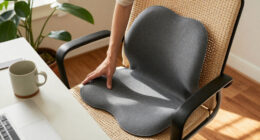
Ergonomic support cushions are designed to make sitting more comfortable or help distribute pressure across the body. You’ll find seat cushions, lumbar supports, coccyx cushions with a cutout, and wedges that alter how you sit. This guide explains what each type does, how materials feel, and how to check a cushion in your own chair.
You’ll also get a practical fitting routine and a clear sense of what a cushion can and cannot do. For instance, if your lower back feels unsupported during a long video call, a lumbar cushion may be worth trying; if your chair seat feels hard, a seat cushion may be a better first step. Comfort is personal, and persistent pain or numbness deserves advice from a qualified clinician.
Choose a lumbar cushion for lower-back support and a seat or coccyx cushion when the seat itself feels uncomfortable.
Test a seat cushion in your usual chair and check thigh clearance, secure foot support, and whether it stays in place.
Compare foam, gel, and air by firmness, warmth, stability, cleaning, and how they feel during a realistic sitting stretch.
Keep changing positions and taking movement breaks; a cushion cannot replace them.
Ask a qualified clinician about persistent pain, numbness, weakness, injury symptoms, or pressure-care needs.
Choose the cushion type that matches where you want support
Ergonomic support cushions change how your body meets the chair, but each shape changes a different part of that relationship. Lumbar cushions fill space behind the lower back; seat cushions soften or redistribute contact beneath the hips; coccyx cushions remove material beneath the tailbone; wedges tilt the sitting surface. Starting with the uncomfortable area helps you choose a relevant change, while buying by a broad label like “posture support” can add bulk without addressing the problem.
Suppose your lower back loses contact with the chair during a long afternoon of spreadsheets. A lumbar cushion may fill the gap and make it easier to sit back. But if it is too thick, it can push your torso forward, increase pressure elsewhere, or make reaching the desk harder. If the chair itself feels hard beneath your hips, a seat cushion is the more direct experiment. One support cannot automatically solve every discomfort because it does not change every pressure point or feature of the chair.
A coccyx cushion’s cutout leaves space beneath the tailbone. That can reduce direct contact there, but the cushion shifts support toward the surrounding areas; if its edges press into you, the tradeoff may outweigh the relief. A wedge changes the angle of your pelvis, which can feel useful in one chair and awkward in another, especially if it alters how your feet rest or how your back meets the chair. These products are designed to change support or pressure, but their shape does not prove they treat pain.
For example, if you use a dining chair as a temporary home office, first notice whether the seat edge presses against your thighs. A thick cushion could make that pressure worse by lifting you higher and bringing your thighs closer to the desk. Pick one cushion to test at a time, so you can tell which change helped and whether it created a new fit problem.
Products Worth Considering

Roborock Q10 S5+ Robot Vacuum and Mop with Self-Emptying Station

Dyson V8 Cordless Vacuum

Roborock Q7 M5+ Robot Vacuum and Mop with Self-Emptying Dock
As an affiliate, we earn on qualifying purchases.
Check these four things before you keep a seat cushion
A seat cushion fits when it supports your hips without raising you too high, squeezing your thighs, or leaving your feet without a stable resting place. These details matter together: a cushion can ease pressure beneath the hips but still make sitting less comfortable overall if it changes your relationship to the desk or chair. A comfortable first minute is useful, but a short trial in the chair you use every day tells you more. Check your posture and how the cushion stays put before judging its softness.
- Place it on your usual chair. A cushion that feels good on a sofa may behave differently on an office seat, whose depth and firmness affect how much the cushion compresses and where its edges land.
- Sit back and check your thighs. You should have room to sit without the cushion’s edge digging into the backs of your legs. Pressure at the seat edge can make you shift forward, which may undermine the support you were trying to add.
- Set your feet down. If they no longer rest securely, adjust the chair or try a thinner cushion. Unsupported feet can make it harder to settle into the seat, so added softness may not compensate for the changed height.
- Stay seated briefly, then move. Notice whether the cushion slides, compresses unevenly, or makes you fidget. Shifting and fidgeting are clues that its shape, firmness, or grip may not suit your chair; they are more useful than a quick hand-press of the foam.
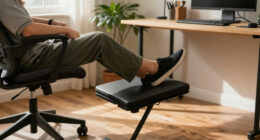
Imagine your hips rise several centimeters and the desk edge now presses into your forearms. The cushion may feel soft, yet the added height has changed your whole setup and could prompt you to hunch or sit farther forward. A footrest can help if the chair is otherwise a good fit, but it does not fix every mismatch, such as a seat that is too deep or a cushion that keeps sliding.
Use the same check if you are comparing models online in a showroom or at home. The question is not simply “Does it feel soft?” Ask whether it helps you sit comfortably in the chair and still lets you move naturally. A short, realistic trial beats a guess based on thickness alone.
Compare foam, gel, and air by feel—not by the label
No cushion material is best for everyone; foam, gel, and air-filled designs differ in firmness, stability, heat, and how they respond as you sit. Those differences affect how the cushion feels over time: a material that gives easily may feel gentle at first but less steady later, while a firm surface may feel stable but not suit someone who wants more cushioning. Your body size, chair shape, sitting duration, and personal comfort all affect the result. A material name on a box is a starting point, not a guarantee of support.
| Material | What you may notice | What to check |
|---|---|---|
| Memory foam | Contours around you and may feel pressure-relieving at first | Whether it feels too warm or too soft after sitting |
| Firmer foam | Feels steadier and holds its shape more firmly | Whether the firmness remains comfortable over time |
| Gel layer | May change the cushion’s surface feel | Whether it actually feels cooler in your room and chair |
| Air cells | May allow some adjustment in firmness | Whether inflation stays stable and the seat feels even |
For instance, you may like memory foam during a ten-minute shop trial, then notice warmth during an hour-long call. The contouring can feel pleasant, but if you feel hot or sink too far, that first impression may not last. A ventilated or washable cover can help with routine comfort and care, though marketing about cooling cannot promise the same result for every person. If you work in a warm room, fabric and cleanability matter alongside the filling.
Look at thickness, firmness, cover texture, stability, and whether the cover comes off for washing. These features interact: a thick cushion may compress differently under your weight, and a slippery cover can make even comfortable foam frustrating if it shifts. A soft cushion is not automatically a supportive one, just as a firm cushion is not automatically uncomfortable. Choose by how it feels in your own chair over a realistic stretch of sitting, and check the maker’s cleaning instructions before buying.
Use a cushion as one part of a more comfortable workday
A cushion can support a more comfortable sitting position, but regular movement and a well-fitted chair still matter. Long, unbroken sitting can leave you stiff even when the seat feels pleasant. Treat the cushion as one adjustment among several: chair height, desk position, screen placement, and short movement breaks all shape how your workday feels. Each part affects the others, so a cushion that seems helpful on its own may need a chair-height adjustment to keep your feet grounded.
Say you spend the morning answering emails. Your lower back feels better with a lumbar cushion, but after an hour you still feel restless. Stand to refill your water, walk to the printer, or change position before the next meeting. Those small interruptions give you a chance to move; no cushion can do that for you. Comfort during one task also does not guarantee the same fit when you lean, reach, or sit for longer.
Check your whole setup after adding a cushion. Can you reach the keyboard without hunching? Do your feet rest securely? Does the cushion stay centered when you shift? If you work at a standing desk, an adjustable routine can help you alternate positions rather than staying seated for every task. Comfort can change throughout the day, so a useful setup should allow movement instead of locking you into one posture. A cushion that encourages you to stay perfectly still would miss that broader goal.
Use the same caution with car seats and wheelchairs. The cushion needs to fit securely and preserve a stable, safe position; an office cushion may raise you or change how you sit in ways that matter more in a moving vehicle. If you use a wheelchair or have pressure-injury risk, ask a healthcare professional to guide cushion selection. More comfortable sitting is a reasonable goal; a cushion is not a substitute for breaks or individualized care.
Know when comfort claims need a reality check
An ergonomic label does not show that a cushion has been clinically tested or proven to prevent injury. Cushions may improve comfort for some people, but research on individual products and materials is limited, and there is no single best cushion for everyone. That means a confident product claim may tell you more about how the item is marketed than about whether it will suit your body or chair. Treat claims about back pain, sciatica, or guaranteed posture correction with care.
For example, a coccyx cutout may reduce direct contact beneath the tailbone for one person, while another person may find the surrounding edges uncomfortable. The cutout changes where contact occurs; it does not establish why the area hurts or whether that change is right for the cause. A lumbar cushion can fill a gap between the chair and lower back, but it cannot identify the cause of ongoing pain. The useful question is whether it makes your routine more comfortable—not whether a product page promises to fix a condition.
Persistent pain, numbness, weakness, or symptoms after an injury warrant advice from a qualified clinician. People with a medical condition or pressure-injury risk may need a cushion selected with a healthcare professional. Their needs can differ from those of someone looking for a softer office seat, because pressure management and safe positioning may require more than a general-purpose product.
A cushion can change how sitting feels; it cannot guarantee a medical outcome.
When trying a product, pay attention to your own response and stop using it if it makes you feel worse. Check the return policy before purchase, especially if the cushion is costly or designed for a specialized use. A return window gives you a chance to evaluate the cushion in your real routine, where warmth, shifting, and fit become clearer. This keeps your choice grounded in actual comfort rather than broad promises.
Frequently Asked Questions
Do ergonomic cushions really help with back pain?
They may make sitting more comfortable or help you find a better-supported position, but they do not treat every cause of back pain. Results vary, and a cushion is not a guaranteed remedy. If pain persists or comes with numbness or weakness, seek advice from a qualified clinician.
Should I choose a lumbar cushion or a seat cushion?
Choose a lumbar cushion if your lower back feels unsupported against the chair. Choose a seat cushion if the chair feels hard or uncomfortable beneath your hips or tailbone. You can try both if your chair still fits properly and the added height does not crowd your thighs or feet.
Are coccyx cushions useful for tailbone discomfort?
A coccyx cushion’s cutout may reduce direct pressure beneath the tailbone for some people. It will not suit everyone or address every cause of discomfort. Persistent symptoms should be assessed by a qualified clinician.
Is memory foam, gel, or air best?
There is no universal winner. Memory foam may contour to your body, firmer foam may feel steadier, and air-filled designs may allow adjustment. Compare comfort, warmth, stability, cleaning, and how the cushion feels in your own chair.
How thick should a seat cushion be?
Choose a thickness that feels comfortable without raising your hips so high that your thighs feel crowded or your feet lose stable support. Test the cushion in the chair you use, rather than choosing by thickness or softness alone. If needed, adjust the chair or try a thinner cushion.
Can I use a cushion in a car or wheelchair?
Possibly, if the cushion fits securely and keeps your sitting position stable and safe. Wheelchair users with pressure-care needs or a medical condition should ask a healthcare professional to help choose one. A cushion made for an office chair may not suit every other seat.
Can a cushion replace an ergonomic chair or movement breaks?
No. A cushion is one part of your sitting setup, alongside chair fit, desk height, screen position, and regular movement. Stand, stretch, or change position during the day even when your seat feels comfortable.
Conclusion
Choose a cushion by what your body and chair need, then test it where you actually sit. A useful cushion should make sitting more comfortable without crowding your thighs, lifting your feet, or pinning you in one position. Fit, movement, and realistic expectations matter more than a persuasive product label.
Start with one small adjustment and notice how it feels through a normal work session. Your best support may be a firm seat, a gentle lumbar curve, or simply a reason to stand and stretch before the next call.