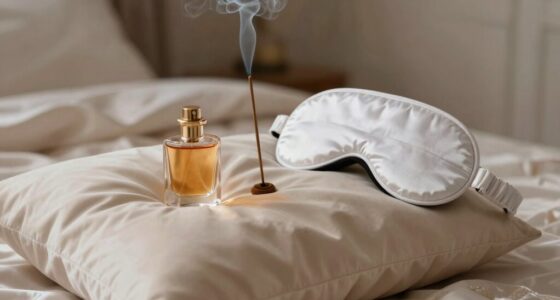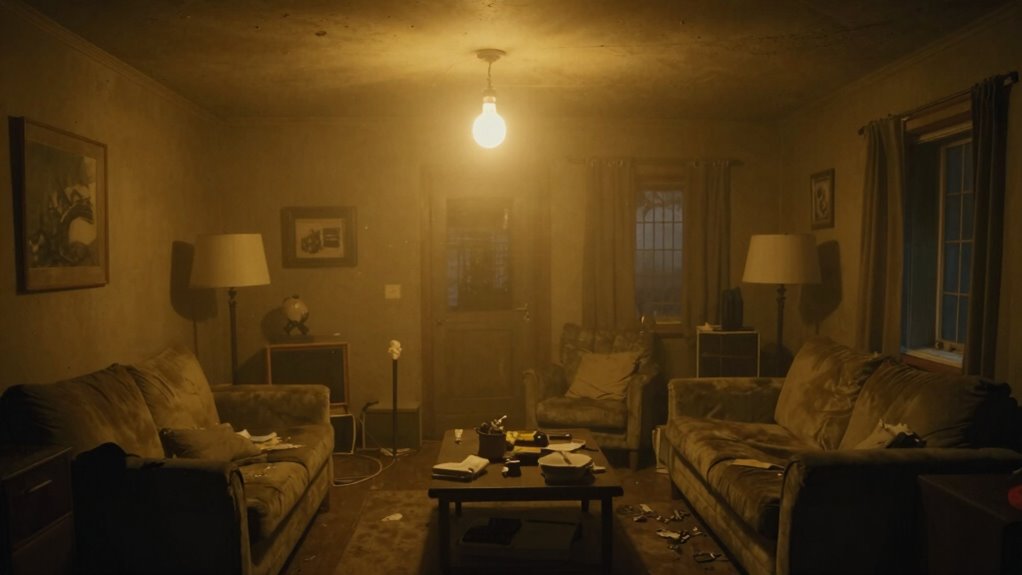

Bad lighting and poor air quality create a home comfort trap that impacts your well-being and costs you more over time. Overly bright or harsh lights can cause eye strain, while dim lighting can make your space feel gloomy and uninviting. Meanwhile, bad air—full of dust, mold, or VOCs—causes health issues and reduces your home’s relaxing vibe. Knowing how these problems are connected can help you improve your space, if you continue exploring the solutions.

Get comfort and recovery gear delivered free with Prime
- Fast, free delivery on millions of items
- Prime Video, Amazon Music and more included
- Member-only deals all year
Key Takeaways
- Poor lighting and air quality create a cycle that diminishes home comfort and well-being.
- Bad air quality worsens sensitivity to inadequate or harsh lighting, impacting health and mood.
- Overly bright or flickering lights cause eye strain, while poor air quality leads to respiratory issues.
- Neglecting both elements results in an uninviting, unhealthy environment that hampers relaxation.
- Addressing lighting and air quality together enhances overall home comfort and health.
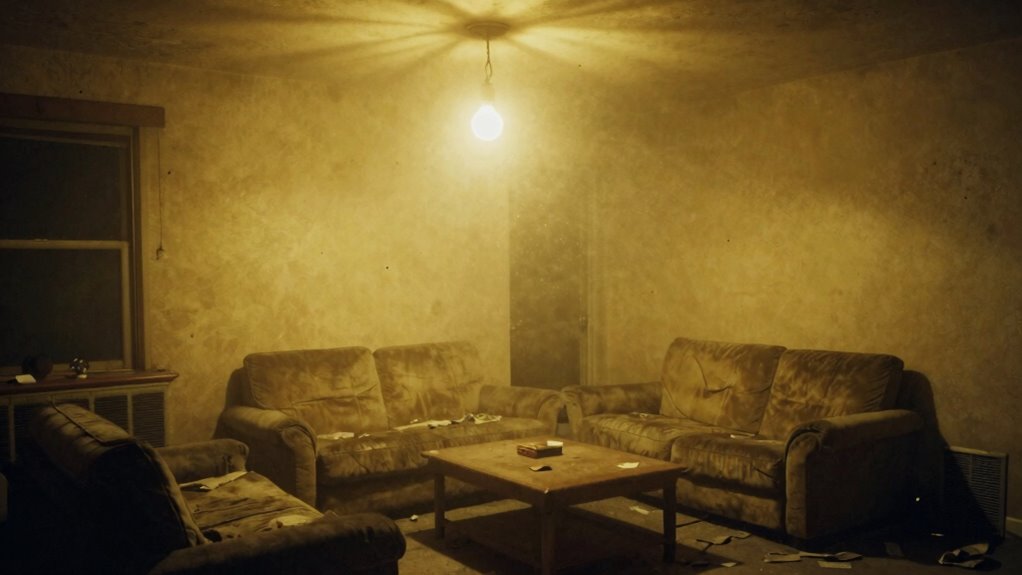
Many homeowners fall into the comfort trap, believing that maintaining a perfectly cozy home is worth the ongoing costs and energy use. But often, this pursuit of comfort comes at a hidden expense—poor lighting and bad air quality. Together, these issues create a cycle that hampers your well-being and makes your home less inviting than you think. You might have the warm glow of lamps and fixtures, but if the lighting isn’t well-designed, it can disrupt your ambient ambiance, making spaces feel dull or overly harsh. Overly bright or flickering lights can cause eye strain and fatigue, while dimly lit areas can lead to a sense of gloom and decreased mood. That imbalance can make your home feel less relaxing, defeating the purpose of cozy comfort.
Poor lighting and air quality create a cycle that diminishes comfort and well-being in your home.
At the same time, bad air quality compounds the problem. Poor ventilation, dust, mold, or volatile compounds from cleaning products can all contribute to indoor air that’s less than ideal. When your air quality is compromised, you may experience headaches, allergies, or respiratory issues, which no amount of ambient ambiance can offset. Low-quality air also affects your sleep quality and overall energy levels, making it harder to enjoy your home fully. The combination of inadequate lighting and poor air quality creates a feedback loop—bad lighting dampens your mood, while unhealthy air saps your energy—making your home feel less like a sanctuary and more like a source of discomfort. Improving your indoor environment by combining better lighting design with proper air management can significantly elevate your living space. Ensuring that your home’s ventilation systems are functioning efficiently can help prevent the buildup of pollutants and humidity that worsen air quality. Recognizing how indoor air quality impacts your comfort emphasizes the importance of addressing both elements simultaneously rather than in isolation.
You might think that adjusting one element will fix the problem, but the reality is that lighting and air quality are interconnected. For example, if you’re relying on artificial lighting that emits heat or pollutants, it can worsen indoor air conditions. Conversely, poor air quality can make you more sensitive to lighting issues, as your eyes and respiratory system already struggle. Incorporating air purification devices can help improve overall air quality and reduce the impact of pollutants, further supporting your comfort. To break free from this trap, you need to focus on improving both aspects simultaneously. Choose lighting that mimics natural daylight—soft, warm, and adjustable—to enhance your ambient ambiance without harming your air quality. Also, invest in proper ventilation, air purifiers, and regular cleaning to ensure the air you breathe is fresh and healthy.
In the end, creating a genuinely comfortable home requires balancing lighting and air quality. When you do, your space becomes more inviting, healthier, and better suited to support your well-being. Avoid the comfort trap by paying attention to these often-overlooked details, and you’ll find your home truly feels like a refuge—not just in appearance, but in the air you breathe and the light you experience.
air purifier for indoor air quality
As an affiliate, we earn on qualifying purchases.
As an affiliate, we earn on qualifying purchases.
Frequently Asked Questions
How Can I Identify if My Lighting Is Causing Discomfort?
You can tell if your lighting design is causing discomfort by noticing eye strain, headaches, or blurred vision after spending time in a room. Poorly planned lighting often results in glare or insufficient brightness, making it hard to see comfortably. If you feel fatigued or your eyes feel tired, it’s a sign to reconsider your lighting choices. Proper lighting should support your activities without causing strain or discomfort.
What Are Common Sources of Indoor Air Pollution?
You might not realize it, but indoor mold and chemical fumes are common sources of indoor air pollution that silently impact your comfort. Mold often lurks in damp areas, releasing spores that trigger allergies. Chemical fumes come from cleaning products, paints, or new furniture. These pollutants build up over time, making your home feel stuffy or triggering health issues. Regular ventilation, cleaning, and choosing low-emission products can help you breathe easier indoors.
Can Poor Lighting Affect Mental Health?
Poor lighting can negatively affect your mental health by disrupting your mood stability and sleep quality. Insufficient or harsh lighting can lead to fatigue, irritability, and difficulty concentrating. When your environment lacks proper lighting, your body’s internal clock struggles to regulate sleep, causing restless nights. Over time, these issues can contribute to increased stress and anxiety. Ensuring well-balanced lighting can help improve your mood, sleep, and overall mental well-being.
Are There Affordable Solutions to Improve Indoor Air Quality?
Yes, you can improve indoor air quality affordably by exploring Air Purifier Options like portable HEPA units, which effectively remove pollutants without breaking the bank. Combine this with Budget Friendly Lighting solutions, such as LED bulbs, to enhance your home’s ambiance and health. These simple upgrades are cost-effective and easy to implement, making your living space healthier and more comfortable without significant expenses.
How Often Should I Change My Indoor Air Filters?
You should change your indoor air filters every 1 to 3 months, depending on your home’s air filter lifespan and usage. Imagine breathing in fresh, clean air instead of stuffy, polluted air—regular filter maintenance tips make that possible. Keep an eye on your filter’s appearance and your indoor environment, and don’t wait until it’s visibly dirty. Timely changes guarantee your air stays pure and your home stays comfortable.
As an affiliate, we earn on qualifying purchases.
Conclusion
Ignoring poor lighting and air quality can trap you in a cycle of discomfort, affecting your mood and health. Did you know that bad air quality alone causes an estimated 7 million premature deaths worldwide each year? By improving both lighting and ventilation, you create a healthier, more inviting home. Don’t let these hidden issues undermine your comfort—small changes can make a big difference in transforming your space into a true sanctuary.
As an affiliate, we earn on qualifying purchases.
mold and dust removal air purifier
As an affiliate, we earn on qualifying purchases.
As an affiliate, we earn on qualifying purchases.
Halloween Picks
halloween
As an affiliate, we earn on qualifying purchases.