
Strong fragrances can backfire on your sleep because they overwhelm your senses, making it harder to relax and fall asleep. Intense scents, especially when layered or too powerful, send signals that keep your nervous system alert. This overstimulation can disrupt your sleep cycle and reduce restorative rest, particularly REM sleep. If you want to improve your sleep quality, understanding how scent impacts your rest can lead to calmer, fragrance-light environments—so stay with us to learn more.
Key Takeaways
- Strong fragrances can overwhelm senses, causing alertness and difficulty relaxing into sleep.
- Excessive scent layering intensifies aroma, leading to sensory overload and sleep disruption.
- Fragrance-related irritation or allergies can impair breathing and hinder restful sleep.
- Overstimulation from potent scents prevents natural sleep cycle progression, reducing sleep quality.
- Using lighter, subtle scents and proper ventilation helps create a calming environment conducive to better sleep.
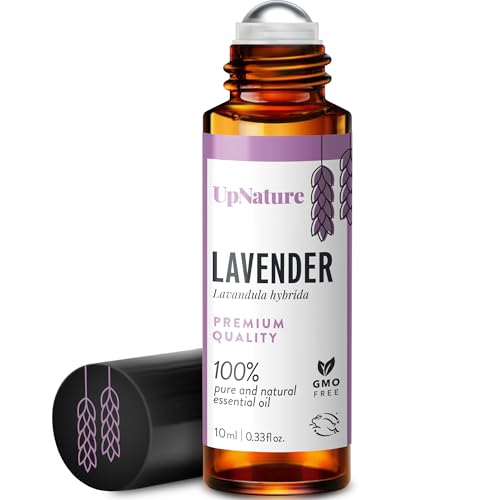
UpNature Lavender Essential Oil Pure Roll On – 100% Natural Lavender Oil for Skin
- Pure Lavender Essential Oil: 100% natural, toxin-free, blended with carrier oils
- Soothing Aromatherapy: Promotes relaxation and tranquility
- Ideal for Bedtime Routine: Apply behind ears or on neck for calming effect
As an affiliate, we earn on qualifying purchases.
As an affiliate, we earn on qualifying purchases.
Do Strong Fragrances Help or Hurt Your Sleep?
Strong fragrances can markedly impact your sleep, but whether they help or hurt depends on the scent and your personal sensitivity. High fragrance potency can overwhelm your senses, making it harder to relax and fall asleep. If you prefer strong scents, be mindful of scent layering; combining multiple fragrances can intensify the overall aroma, potentially causing discomfort or alertness instead of calm. Some people find that potent fragrances, like heavy floral or spicy notes, interfere with sleep quality, while others may find them soothing. It’s essential to pay attention to how your body reacts to different scents. Experimenting with subtle fragrances or lowering the intensity can help you determine what’s most restful for your sleep environment. Additionally, understanding the impact of color temperature adjustments can help create a more calming atmosphere conducive to better sleep. Recognizing the specific essential oils that promote relaxation, such as lavender or eucalyptus, can further enhance your sleep environment and reduce the negative effects of overpowering scents. Being aware of scent sensitivity can guide you in selecting fragrances that support restful sleep rather than disrupt it. For example, choosing calming scents with lower intensity can help you create a more peaceful sleep space. Moreover, adjusting the ambient lighting in your bedroom can complement your scent choices to foster a more relaxing sleep space.

VOOPNU Air Purifiers for Home, High Efficiency Filter Up to 1076 Ft², White
- Effortless Operation: Easy-to-use control panel with one-touch operation
- Compact Yet Powerful: Covers 1076 sq ft in a small size
- 360° Airflow & HEPA Filter: Surround air intake with 99.97% pollutant removal
As an affiliate, we earn on qualifying purchases.
As an affiliate, we earn on qualifying purchases.
Why Using Less Fragrance Can Lead to Better Sleep

Using less fragrance can help you avoid sensory overload that might keep you awake. It also reduces the risk of irritation or allergic reactions that disturb your sleep. When you keep scents subtle, you create a calmer environment that promotes better rest. Additionally, choosing non-comedogenic skincare products can prevent skin issues that might interfere with sleep quality. Incorporating indoor air quality improvements, like better ventilation or air purifiers, can further support restful sleep by reducing airborne irritants. Improving air circulation can help disperse lingering odors and pollutants, creating a healthier sleeping environment. Being mindful of consumer choices in products can help you make healthier decisions that contribute to overall well-being. Furthermore, selecting vetting products ensures they meet safety and quality standards, supporting your health and sleep.
Reduced Sensory Overload
When you limit the amount of fragrance in your environment, you reduce sensory overload that can interfere with your ability to relax and fall asleep. Strong scents can overstimulate your senses, making it harder to unwind. This overload can lead to fragrance fatigue, where your senses become desensitized or overwhelmed, diminishing the calming effect you seek. By using less fragrance, you allow your nervous system to settle, creating a more peaceful atmosphere. Reduced sensory input helps your brain shift smoothly into sleep mode, preventing the distraction and agitation that intense odors can cause. Additionally, choosing calming scent profiles can further support sleep quality. Being mindful of sensory stimulation in your surroundings can help maintain a calming state throughout the night. Paying attention to sensory input management techniques can enhance your sleep environment. Ultimately, a calmer environment with fewer scents promotes better sleep quality, helping you wake up refreshed and ready for the day.
Less Irritation Risks
Because fragrances can irritate your skin, eyes, and respiratory system, reducing their presence in your environment lowers the risk of discomfort and allergic reactions that can disrupt sleep. If you have fragrance sensitivity, even small amounts of strong scents can cause symptoms like sneezing, coughing, or skin irritation. Limiting fragrance use helps prevent irritation, making your sleep environment more comfortable and calming. Less fragrance means fewer chances of triggering allergic responses or respiratory issues that keep you awake or disturb your rest. By choosing fragrance-free or lightly scented products, you actively promote irritation prevention. This simple step creates a safer, more soothing space, helping you avoid the discomfort that strong scents can cause and supporting a more restful sleep. Additionally, maintaining good air quality with proper air purifier maintenance can further reduce airborne irritants in your environment. Regularly cleaning and replacing filters in your air purifier can help eliminate airborne allergens and pollutants, contributing to a healthier sleep setting. Proper ventilation can also help disperse lingering fragrances, further supporting your sleep health. Incorporating fragrance-free products into your routine further minimizes potential irritants, creating an optimal environment for restful sleep.
Enhanced Sleep Quality
Reducing fragrance in your environment not only minimizes irritation but also creates a more peaceful setting that promotes better sleep. If you have aroma sensitivity, strong scents can interfere with your ability to relax fully. By practicing fragrance moderation, you lower the risk of overstimulation, allowing your mind to unwind more easily. Less fragrance means fewer disruptions to your sleep cycle, leading to deeper, more restorative rest. When you avoid overwhelming scents, your body responds better to natural cues that signal bedtime, enhancing overall sleep quality. This approach aligns with sensory processing principles that emphasize minimizing overstimulation for restful sleep. Creating an environment that minimizes sensory overload can significantly support your ability to fall asleep and stay asleep. Incorporating connected fitness technology tools that monitor sleep patterns can help you identify the impact of fragrance levels on your rest. Additionally, understanding environmental factors like lighting and noise can further optimize your sleep environment. Ultimately, using less fragrance supports a more restful night and contributes to your overall well-being.

Waxcanpy Scented Candle Gift Set, Soy Candles for Women, Sleep Candles for Home Scented, 2 Pack Aromatherapy Candle for Relaxing, Sleep, Stress Relief & Home Decor
- Premium Sleep Aromatherapy Blends: Calming lavender, chamomile, bergamot, citronella
- Long-Lasting & Clean Burn: Up to 35 hours, natural soy wax, essential oils
- Versatile for Any Occasion: Romantic dinners, baths, yoga, reading
As an affiliate, we earn on qualifying purchases.
As an affiliate, we earn on qualifying purchases.
How Intense Fragrances Disrupt Sleep Cycles and Restorative Sleep
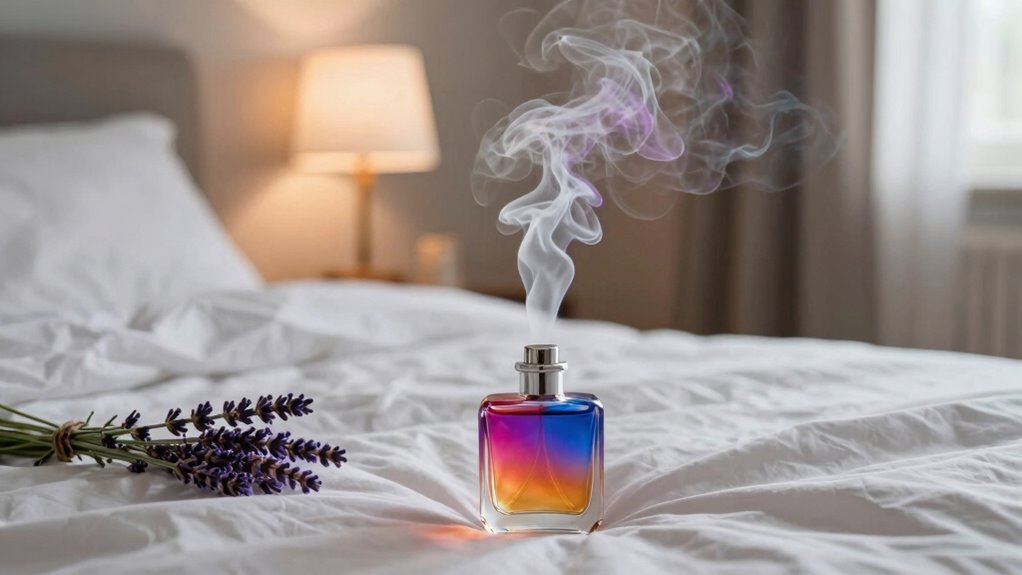
Intense fragrances can overstimulate your sense of smell, making it harder for you to relax and fall asleep. This overstimulation can disrupt your REM cycles, preventing deep, restorative rest. Additionally, sensitivities to strong scents may cause discomfort, further interfering with your sleep quality. Recognizing the powerful meanings behind certain names can help you choose fragrances that promote calmness rather than agitation. Being aware of scent sensitivities can guide you in selecting fragrances that support better sleep and overall well-being. Understanding the psychological effects of scent can also help you create a more soothing sleep environment.
Olfactory Overstimulation Impacts Sleep
When fragrances are too strong or overwhelming, they can interfere with your sleep by overstimulating your olfactory system. This olfactory overstimulation triggers heightened awareness, making it harder for your brain to relax and shift into restful sleep. Fragrance overload sends signals that keep your nervous system active, preventing the natural decline in alertness needed for deep sleep stages. Instead of calming your mind, intense scents may cause sensory overload, leading to fragmented sleep and reduced restorative quality. The overstimulation can also increase cortisol levels, further interfering with your sleep cycle. Ultimately, strong fragrances can create a cycle of alertness that hampers your ability to unwind, leaving you feeling tired and unrested despite a full night’s rest.
Disrupted REM Cycles Occur
Overstimulation from strong fragrances doesn’t just keep you awake; it also interferes with the natural progression of your sleep cycles, particularly REM sleep. When your senses are overwhelmed by intense scents, your brain struggles to shift smoothly through the sleep stages. This sleep disruption can lead to shortened or fragmented REM periods, which are vital for memory, mood, and overall restorativeness. If you have fragrance sensitivity, even subtle scents can cause your sleep cycles to become irregular. The result is less restorative sleep, leaving you tired and less alert during the day. Recognizing how strong fragrances impact your sleep can help you create a more conducive environment for restful, uninterrupted sleep.
Fragrance Sensitivities Increase
If you’re sensitive to strong fragrances, even subtle scents can profoundly disrupt your sleep cycles. Your fragrance tolerance may be lower than you think, leading to sensory overload during the night. This overload can cause your nervous system to stay alert, preventing restorative sleep. Over time, your sensitivity can increase, making you more vulnerable to disruptions. To help you understand, here’s a quick overview:
| Fragrance Intensity | Effect on Sleep | Sensory Response |
|---|---|---|
| Mild | Slight disruption | Mild sensory overload |
| Moderate | Noticeable sleep disturbance | Increased sensitivity |
| Strong | Severe disruption | High sensory overload |
Reducing exposure helps protect your sleep quality and manage fragrance sensitivities effectively.

MZOO Luxury Sleep Eye Mask for Side Sleeper Men Women, Zero Eye Pressure 3D Sleeping Mask, Light Blocking Patented Design Night Blindfold, Soft Eye Shade Cover for Travel, Black
- Zero Eye Pressure: Deep 13mm arc-shaped eye cups
- Ideal for Side Sleepers: 15° curved thin sides for comfort
- Complete Light Blocking: Contoured cups and 22mm nose padding
As an affiliate, we earn on qualifying purchases.
As an affiliate, we earn on qualifying purchases.
Common Fragrance Ingredients That Can Cause Allergies or Irritation

Many common fragrance ingredients can trigger allergies or skin irritation, especially for those with sensitive noses or skin. Fragrance allergies are often caused by irritant compounds found in many scented products. These irritants, like limonene, linalool, and certain synthetic fragrances, can break down over time and release allergenic substances. Exposure may lead to redness, itching, or even respiratory issues. Some ingredients act as irritant compounds that directly inflame the skin or mucous membranes. If you notice irritation after using scented products, it’s likely due to these common ingredients. Being aware of the potential for fragrance allergies helps you choose products carefully, avoiding those with known irritant compounds. This awareness can prevent discomfort and protect your skin and respiratory health.
Signs Your Bedroom’s Fragrance Is Hindering Your Sleep
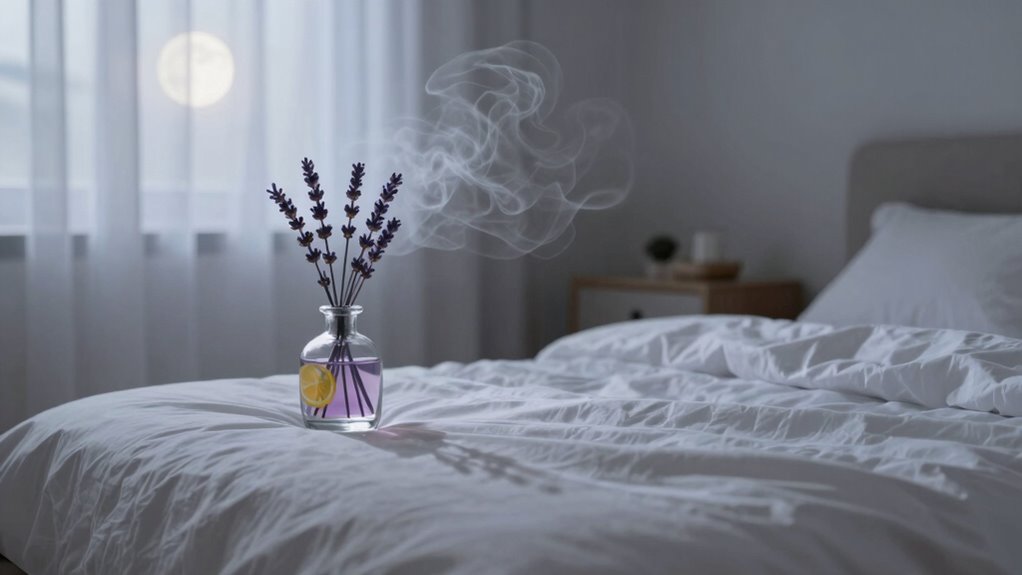
Even subtle fragrances in your bedroom can interfere with your sleep quality without you realizing it. If you wake up feeling groggy or restless, your fragrance choices might be to blame. Signs include frequent headaches, nasal congestion, or allergy symptoms, even if you’re unaware of exposure. Your personal preferences for scents vary, but if certain fragrances cause irritation or discomfort, they disrupt your sleep environment customization. Additionally, persistent fatigue despite enough sleep suggests your sleep environment may be compromised by scent. To understand this better, consider the following:
| Symptom | Possible Fragrance Impact |
|---|---|
| Morning headaches | Overpowering or irritating scents |
| Nasal congestion | Allergens or strong fragrances |
| Restless sleep | Mismatch with personal scent preferences |
Pay attention to these signs—your bedroom’s fragrance might be hindering your rest.
Tips for Creating a Calm, Scent-Friendly Sleep Space
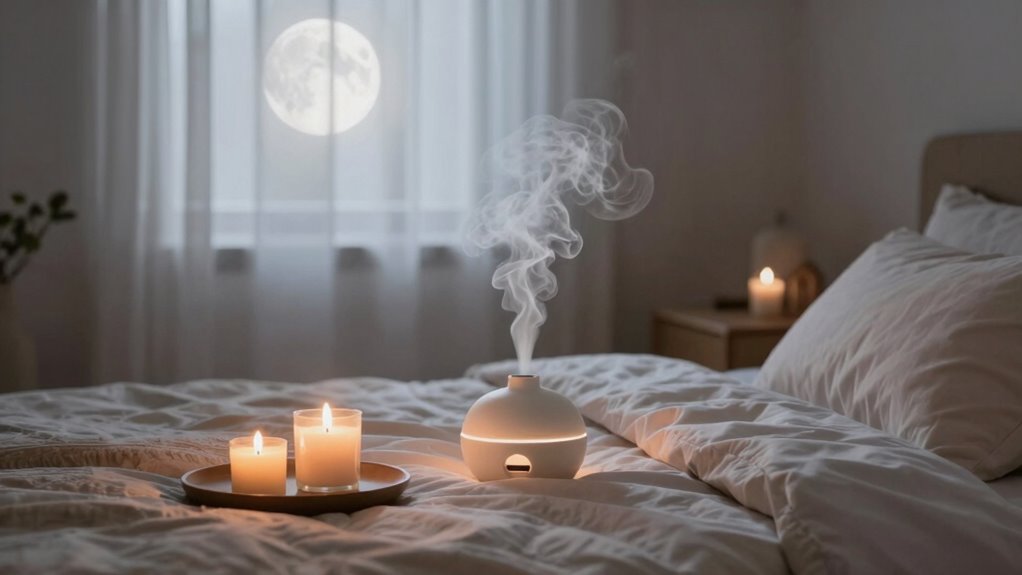
Creating a calm, scent-friendly sleep space starts with choosing the right environment and mindful scent management. To enhance sleep, focus on the aromatherapy benefits of gentle, natural scents like lavender or chamomile, which can promote relaxation. Use scent layering strategically by combining subtle essential oils or diffusers to create a harmonious atmosphere without overwhelming your senses. Keep fragrances light and consistent, avoiding strong or conflicting scents that can disturb your sleep. Proper ventilation is essential to prevent scent buildup and maintain freshness. Consider using a diffuser with a timer to control scent dispersal, ensuring a calming environment throughout the night. By thoughtfully managing scents and leveraging aromatherapy benefits, you set the stage for restful, peaceful sleep.
How to Balance Light, Sound, and Aroma for Better Sleep
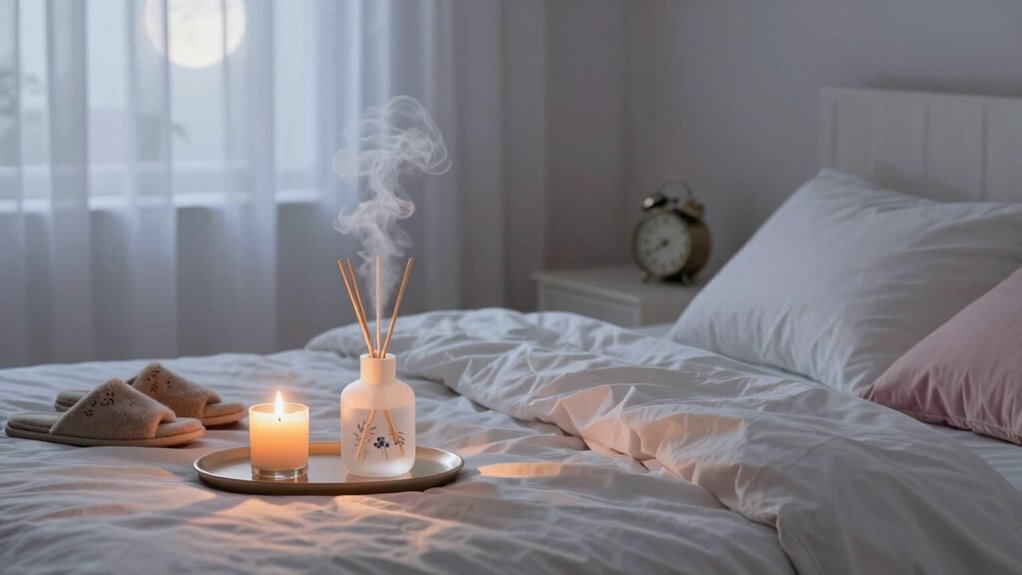
Achieving restful sleep requires striking the right balance between light, sound, and aroma in your bedroom. Too much fragrance or intense aromas can disrupt sleep, so opt for subtle, calming scents that offer aromatherapy benefits without overpowering. Use dim lighting or blackout curtains to create a dark environment, and keep noise levels low or consider white noise machines. To help you visualize this balance, consider the following:
| Light & Sound | Aroma & Fragrance Intensity |
|---|---|
| Soft, dim lighting | Light, invigorating scents |
| Quiet surroundings | Gentle, mild fragrances |
| Complete darkness | Moderate aroma strength |
| Calm atmosphere | Balanced fragrance intensity |
Finding harmony among these elements supports relaxation and fosters deeper, more restorative sleep.
Test and Adjust Your Sleep Environment for Better Rest
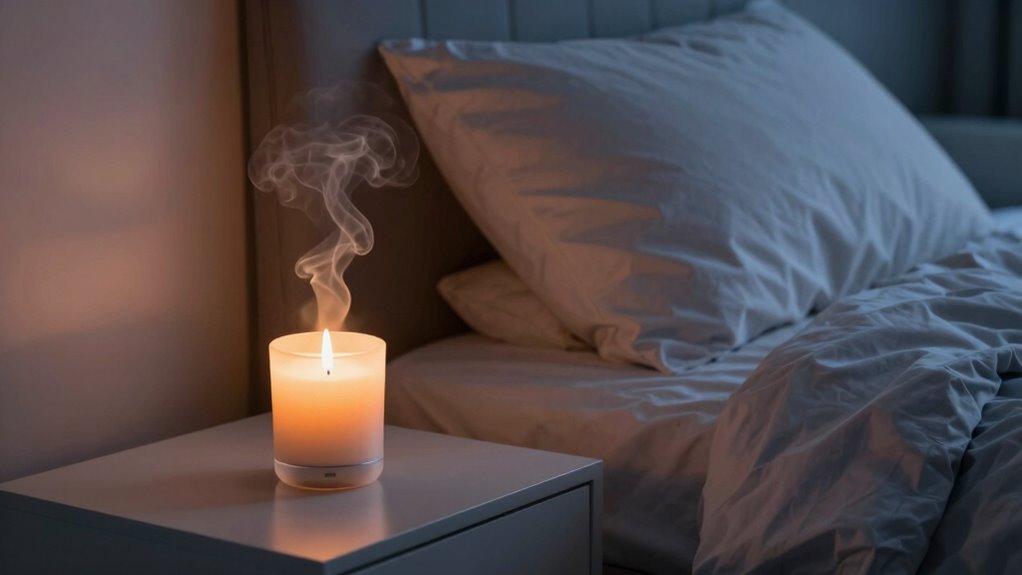
To improve your sleep, you need to actively test and adjust your bedroom environment until it feels just right. Start by exploring your personal scent preferences—what calm or comfort means to you. Try different fragrances or essential oils, but avoid overwhelming scents. Use fragrance layering techniques: combine subtle aromas to create a balanced atmosphere.
Consider these adjustments:
- Experiment with a light, soothing scent or a gentle diffuser
- Adjust the intensity until it’s calming but not overpowering
- Swap or remove fragrances that don’t feel right during the night
Frequently Asked Questions
Can Natural Essential Oils Be Less Disruptive Than Artificial Fragrances?
Yes, natural essential oils are generally less disruptive than artificial fragrances because they contain fewer synthetic compounds, which can irritate your senses or cause allergies. When you choose essential oils, opt for those with high purity to guarantee you’re getting the most natural, unadulterated scent. This reduces the risk of overstimulation, helping you sleep better without the potential negative effects of artificial fragrances.
Are There Specific Scents That Consistently Improve Sleep Quality?
Certain scents, like lavender and chamomile, are like gentle lullabies for your brain, often improving sleep quality. But beware of aromatherapy myths—more isn’t always better. Over time, scent habituation can turn these soothing aromas into background noise, losing their calming effects. To truly benefit, use these fragrances consistently and in moderation, allowing your senses to stay receptive and your sleep to stay peaceful.
How Does Individual Scent Sensitivity Affect Sleep Disturbance?
Your scent sensitivity can markedly impact your sleep, as heightened sensitivity may lead to sleep disruption when exposed to certain fragrances. If you’re more scent-sensitive, strong or artificial smells might cause discomfort, making it harder to fall asleep or stay asleep. To improve your sleep quality, pay attention to your reactions and opt for subtle, natural scents or avoid fragrances altogether. Recognizing your individual scent sensitivity helps prevent sleep disturbances.
Do Fragrance-Free Bedrooms Truly Promote Better Rest?
Imagine you’ve tried bedroom aromatherapy with calming scents, but instead, it disrupted your sleep. Fragrance-free environments often promote better rest because they eliminate potential irritants or sensitivities. By keeping your bedroom scent-free, you reduce the risk of sleep disturbances caused by strong fragrances or allergens. This simple approach helps create a calm, neutral space, making it easier to relax and fall asleep naturally without interference from artificial scents.
Can Fragrance Allergies Develop Over Time With Exposure?
Yes, you can develop fragrance allergies over time through repeated exposure. As you encounter certain scents regularly, your immune system might become more sensitive, leading to scent sensitivity and allergy development. This process can happen gradually, so even if you initially tolerate fragrances, prolonged exposure may cause reactions like sneezing, headaches, or skin irritation later on. It’s important to pay attention to your body’s responses and reduce exposure if symptoms appear.
Conclusion
Did you know that nearly 30% of people report sleep issues linked to strong fragrances? If you’re struggling to rest, it might be time to rethink your scent choices. While a subtle aroma can promote relaxation, overpowering fragrances can actually disrupt your sleep cycles. By creating a calm, scent-friendly environment and paying attention to how your body reacts, you can improve your sleep quality and wake up feeling refreshed. Keep it light, gentle, and personalized for the best results.