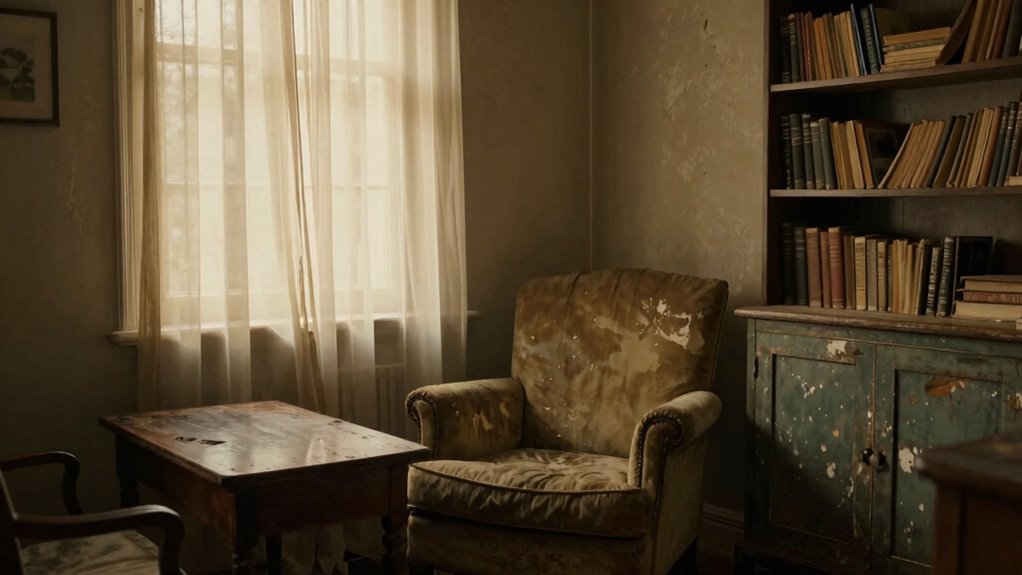

Even if your room is bright, it can still feel gloomy if the light quality is poor or if colors and layout dampen the vibe. Brightness alone doesn’t create a cheerful atmosphere; how light interacts with your decor, furniture, and space matters more. Dull colors, inadequate natural light, or bad placement can make a room seem cold or uninspiring. To brighten your mood, understanding how to improve light quality and balance color can make all the difference. Keep exploring how these elements work together.

Get comfort and recovery gear delivered free with Prime
- Fast, free delivery on millions of items
- Prime Video, Amazon Music and more included
- Member-only deals all year
Key Takeaways
- Poor light quality or uneven distribution can make a room feel sterile despite high brightness.
- Cool or dull colors can dampen the uplifting effect of bright lighting, creating a gloomy atmosphere.
- Overcast or diffused natural light reduces vibrancy, making spaces appear dull even when well-lit.
- Lack of reflective surfaces limits light bounce, diminishing the room’s lively and cheerful feel.
- Incorrect placement of furniture or window treatments can block or obstruct natural light flow.
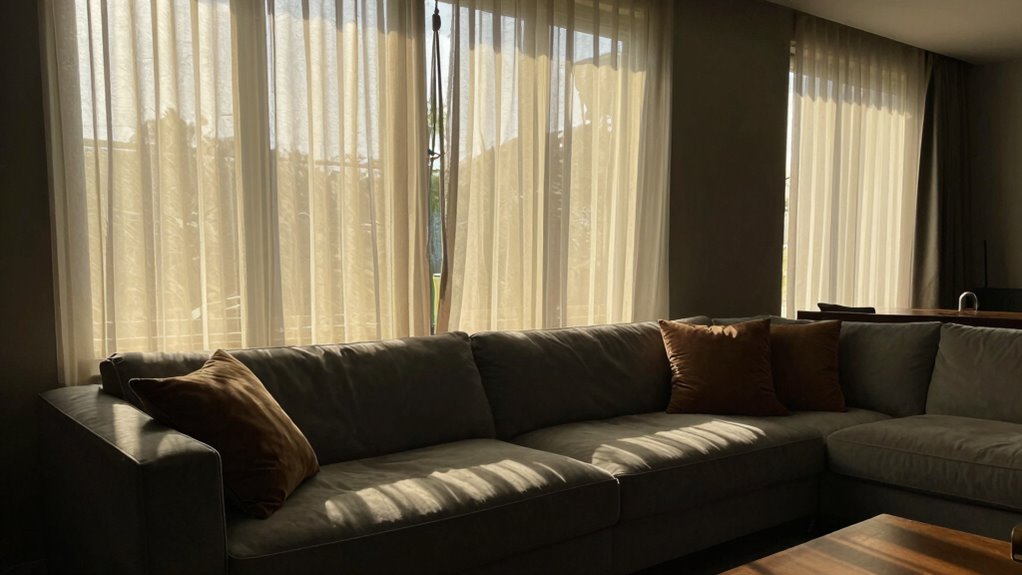
Even in a brightly lit room, you might still feel a sense of gloom, and that’s because the quality of light matters just as much as its quantity. Brightness alone doesn’t guarantee a cheerful atmosphere. The way light interacts with your space influences your mood more than you might realize. Color psychology plays a vital role here. The colors on your walls, furniture, and decor can dramatically affect how bright and inviting a room feels. Cool tones like blues and grays often evoke calmness but can also create a sense of coldness or emptiness, making a space feel less lively despite high illumination. Warmer hues—such as yellows, oranges, or earthy shades—tend to foster warmth and comfort, enhancing the overall mood of the room. If your space is painted in dull or muted colors, even the brightest lighting can seem sterile or uninspiring.
Bright rooms can still feel gloomy if the light quality and colors don’t promote warmth and vibrancy.
Another key factor is natural light enhancement. You might have windows flooding your room with sunlight, yet the space still feels gloomy. This happens when the natural light isn’t optimized—perhaps due to heavy curtains, obstructed windows, or poorly placed furniture. Enhancing natural light involves more than just opening curtains; it requires strategic placement of mirrors, light-colored walls, and minimalist furniture to reflect and amplify daylight. This not only makes the room appear brighter but also boosts your mood, as natural light has proven benefits for mental health. When sunlight is maximized, the interplay of colors in your space becomes more vivid, and the environment feels more alive and inviting. Additionally, understanding the quality of natural light and how it varies with weather and time of day can help you tailor your lighting strategies for a consistently cheerful atmosphere. Adjusting window treatments or choosing appropriate window coverings can further improve the natural light flow. Incorporating light reflectors can also help distribute natural light more evenly across the room. Recognizing the importance of indoor air quality can further enhance the comfort and overall ambiance, as fresh, clean air contributes to a more vibrant environment.
Furthermore, you can consider artificial lighting options that supplement natural light, especially during cloudy days or evenings, to maintain an uplifting ambiance. However, even with abundant natural light, the quality of that light influences your perception. Overcast skies, for example, produce diffused light that can dampen the room’s vibrancy, making it feel dull despite its brightness. In such cases, you might consider supplementing with artificial lighting that mimics natural daylight—using full-spectrum bulbs or LED lighting that adjusts color temperature throughout the day. This creates a balanced environment that feels more naturally uplifting.
Ultimately, creating a space that feels genuinely bright and cheerful isn’t just about increasing illumination but about understanding how color psychology and natural light enhancement work together. It’s about crafting an environment where light, color, and layout harmonize to lift your spirits instead of dragging them down. When you pay attention to these elements, you’ll find that even a room with abundant light can feel warm, welcoming, and free of gloom.
Products Worth Considering

Philips Hue Large Smart Light Tube, Black – White and Color Ambiance LED Color-Changing Light – 1 Pack

Philips Hue Festavia Globe Outdoor String Lights, 32 Bulbs, 91 ft

Blueair Blue Pure 211i Max Smart Air Purifier for Large Rooms
As an affiliate, we earn on qualifying purchases.
Frequently Asked Questions
Can Furniture Colors Affect the Brightness Perception in a Room?
Yes, furniture colors can impact how bright a room feels. Light-colored furniture enhances brightness, while dark shades create contrast that can make a space seem gloomier. Your furniture arrangement also matters; strategic placement can maximize natural light and prevent shadows. By choosing furniture with complementary or contrasting colors wisely, you can boost the room’s brightness perception and create a more inviting, lively atmosphere.
How Does Natural Light Vary Throughout the Year?
Natural light varies throughout the year, and it’s a stark contrast to the consistent artificial lighting you rely on. Seasonal sunlight shifts, with longer daylight hours in summer and shorter ones in winter. This fluctuation impacts your room’s brightness, making spaces feel vibrant in summer but gloomier during winter. Understanding this, you can adjust curtains, mirrors, and colors to maximize light and keep your rooms feeling lively year-round.
Do Window Placements Influence Room Brightness?
Yes, window placement greatly influences room brightness. Window orientation determines which way sunlight enters—south-facing windows bring in more light, while north-facing ones offer softer illumination. Glass transparency also matters; clearer, less tinted glass allows more natural light to flood the space. Proper placement and choosing the right glass can make a room feel brighter and more inviting, even on cloudy days or during winter months.
Can Humidity Impact the Feel of a Bright Room?
Yes, humidity levels can affect how bright a room feels. When air moisture is high, it can create a hazy or diffused light, making the space seem gloomier even if it’s well-lit. Conversely, low humidity levels often result in clearer, crisper light, enhancing brightness. Maintaining ideal air moisture helps your bright room feel more lively and inviting, preventing it from seeming dull or gloomy.
What Role Does Room Size Play in Perceived Gloominess?
Room size considerably influences perceived gloominess because larger spaces can create more lighting contrasts, making some areas seem shadowed or dull despite bright walls. Ceiling height also matters; higher ceilings can help distribute light evenly, reducing gloominess. If your room feels gloomy, consider balancing lighting contrasts and increasing ceiling height or using reflective surfaces to enhance brightness, making the space feel more inviting and less overshadowed.
Conclusion
Even in bright rooms, feelings of gloom can linger if your mind isn’t illuminated or your mood isn’t lifted. Brightness alone doesn’t banish sadness, nor does it guarantee comfort. It’s about the balance—light and shadow, joy and sorrow, openness and reflection. To truly brighten your space, you must also nurture your inner world. Embrace the contrast, seek genuine connection, and find harmony within yourself, because a luminous room is only part of the equation for true happiness.