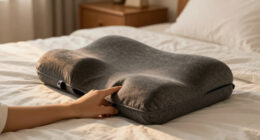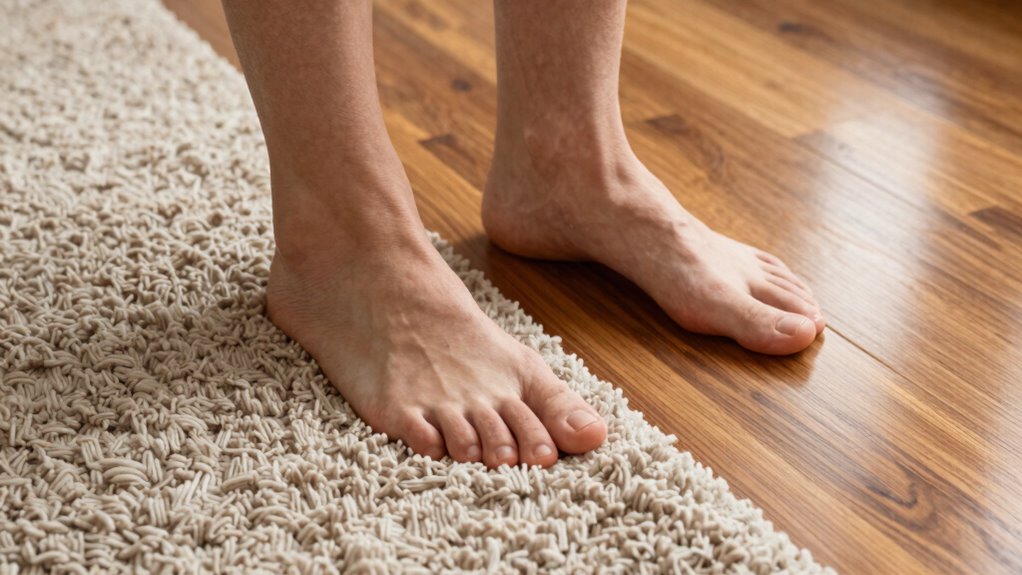

The flooring you stand on greatly affects your comfort because it influences how much impact, pressure, and fatigue you experience. Soft, cushioned surfaces like cork or rubber absorb shocks and reduce joint strain, while hard floors like tile or concrete can increase fatigue and discomfort. Well-designed flooring with ergonomic features supports your posture and distributes your weight evenly. To understand how specific materials and features enhance your standing comfort, keep exploring the details.

Get comfort and recovery gear delivered free with Prime
- Fast, free delivery on millions of items
- Prime Video, Amazon Music and more included
- Member-only deals all year
Key Takeaways
- Different flooring materials vary in shock absorption, affecting joint stress and overall comfort during prolonged standing.
- Ergonomic flooring distributes body weight evenly, reducing pressure points and muscle fatigue.
- Cushioned or resilient surfaces provide better shock absorption, minimizing impact on joints and muscles.
- Hard surfaces increase impact and fatigue, while softer, shock-absorbing floors enhance standing comfort.
- Design features like padding and support improve posture and reduce strain, significantly influencing comfort levels.

Standing for long periods can take a toll on your body, making it vital to choose the right flooring for comfort and health. The surface you stand on influences how your muscles and joints feel throughout the day. When you pick flooring that prioritizes ergonomic design, you help reduce fatigue, prevent discomfort, and even lower your risk of long-term musculoskeletal issues. An ergonomic flooring creates a more natural standing position, supporting your feet, legs, and back, so you’re less prone to aches and pains.
Choosing ergonomic flooring supports your body, reduces fatigue, and promotes comfort during long hours of standing.
Eco-friendly materials are increasingly popular because they not only benefit the environment but also often provide superior comfort. Materials like cork and bamboo are naturally soft and resilient, absorbing shock and reducing pressure on your joints. Cork, in particular, has excellent insulating properties, which keep your feet warmer and more comfortable during long hours of standing. These sustainable options tend to be lightweight yet durable, making them ideal for creating a softer, more forgiving surface. Additionally, the growing emphasis on sustainable construction encourages manufacturers to develop flooring options that align with eco-conscious values.
The ergonomic design of flooring plays an essential role in how comfort is experienced. A well-designed floor distributes your weight evenly, decreasing pressure points that cause fatigue. For example, cushioned vinyl or rubber floors with added padding can provide a springy feel underfoot, which lessens the impact when you’re on your feet for extended periods. The right flooring material should also offer enough rigidity to support your posture while remaining flexible enough to adapt to your movements. This balance minimizes strain on your back and legs, helping you stay comfortable longer. Additionally, shock absorption is a crucial feature to look for when selecting flooring for prolonged standing, as it directly impacts comfort and joint health. Incorporating shock-absorbing materials can further enhance this effect, promoting better overall comfort and reducing fatigue.
The importance of shock absorption can’t be overstated. When standing on hard surfaces like concrete or tile, your body absorbs all of the impact, leading to discomfort and fatigue. Choosing flooring with shock-absorbing qualities, such as engineered wood with a cushioned underlayment, helps cushion each step and reduces the cumulative stress on your joints. This is especially relevant if you work in environments where standing is unavoidable for hours. Additionally, materials with shock-absorbing properties can enhance overall comfort and reduce the risk of injury. Furthermore, selecting flooring with ergonomic benefits can contribute to long-term health by supporting proper posture and reducing strain.
Finally, the aesthetic and practical aspects of flooring contribute to your overall experience. Easy-to-clean, slip-resistant surfaces ensure safety and reduce stress about accidents, while visually appealing options can positively influence your mood. When you invest in flooring that combines eco-friendly materials with ergonomic design, you’re making a smart choice for your health, comfort, and the planet. The right surface transforms your standing experience from tiring to tolerable, or even enjoyable, supporting your well-being every step of the way.
Products Worth Considering

Dyson Big Ball Multi Floor Canister Vacuum, Yellow

Google Nest Cam Indoor Security Camera, 3-Pack

LEVOIT Vital 200S-P Smart Air Purifier for Large Rooms
As an affiliate, we earn on qualifying purchases.
Frequently Asked Questions
How Does Flooring Impact Long-Term Joint Health?
Flooring impacts your long-term joint health by influencing ergonomic design and joint stress. If you choose a surface with good shock absorption and proper support, it reduces strain on your knees, hips, and back. Hard or uneven floors increase joint stress, leading to discomfort and potential injuries over time. Prioritizing ergonomic flooring options keeps your joints healthier, especially if you stand for long periods, helping prevent chronic pain and joint issues.
Are Certain Flooring Materials Better for Standing Comfort?
Certain flooring materials definitely boost your standing comfort. Picture plush carpet softness beneath your feet—it’s like walking on clouds, reducing fatigue and joint strain. Hardwood offers durability but can be unforgiving, causing discomfort after long hours. If comfort is your priority, opt for carpets or cushioned vinyl. They absorb impact, lessen pressure, and keep you more comfortable throughout your day. Don’t overlook how your choice of flooring impacts your well-being!
Can Flooring Type Affect Overall Posture and Alignment?
Yes, flooring type can affect your posture and alignment. An ergonomic design with appropriate cushioning helps reduce strain, encouraging better posture. Durable materials support your feet and joints over time, preventing discomfort and misalignment. When you choose flooring that balances softness with stability, you promote healthier standing habits and minimize fatigue. So, selecting the right material and design directly influences your overall posture and long-term spinal health.
What Role Does Flooring Insulation Play in Comfort?
Did you know that proper flooring insulation can boost comfort by up to 30%? It plays an essential role in absorbing impact and maintaining warmth, making standing less tiring. When choosing flooring, consider aesthetics and maintenance requirements to guarantee it suits your space. Well-insulated floors not only enhance comfort but also improve energy efficiency, helping you save on heating costs while creating a cozy environment that supports better posture and overall well-being.
How Often Should Flooring Be Replaced for Optimal Comfort?
You should replace your flooring every 10-20 years to maintain ideal comfort, depending on its durability and usage. Regular wear and tear, along with advancements in installation techniques, impact how often you need a change. High-traffic areas may require sooner updates, while durable materials like hardwood or luxury vinyl can last longer. Keep an eye on signs of damage or discomfort to decide when it’s time for a replacement.
Conclusion
Imagine standing on a rocky path versus a soft, grassy field—that’s how flooring influences your comfort. You might not notice it at first, but the surface beneath your feet can make or break your day. One person switched from hard tiles to cushioned laminate and found standing for hours became surprisingly easier, like walking on clouds instead of stones. So, choose wisely—your feet, back, and whole day will thank you for it.