TL;DR

Get comfort and recovery gear delivered free with Prime
- Fast, free delivery on millions of items
- Prime Video, Amazon Music and more included
- Member-only deals all year
A Fit&Well writer’s 30-day trial of weighted vests ended with swollen knees and a fitness plateau after the writer increased load alongside running distance and speed. A fitness instructor advised starting light, avoiding long runs in a vest, prioritizing form and changing only one training variable at a time.
A Fit&Well writer reported swollen knees and a fitness plateau after wearing weighted vests during workouts for 30 days while also increasing running distance or speed. The account, which includes advice from Third Space lead instructor Holly Haywood, highlights the need to introduce added load gradually and avoid changing several parts of a training routine at once.
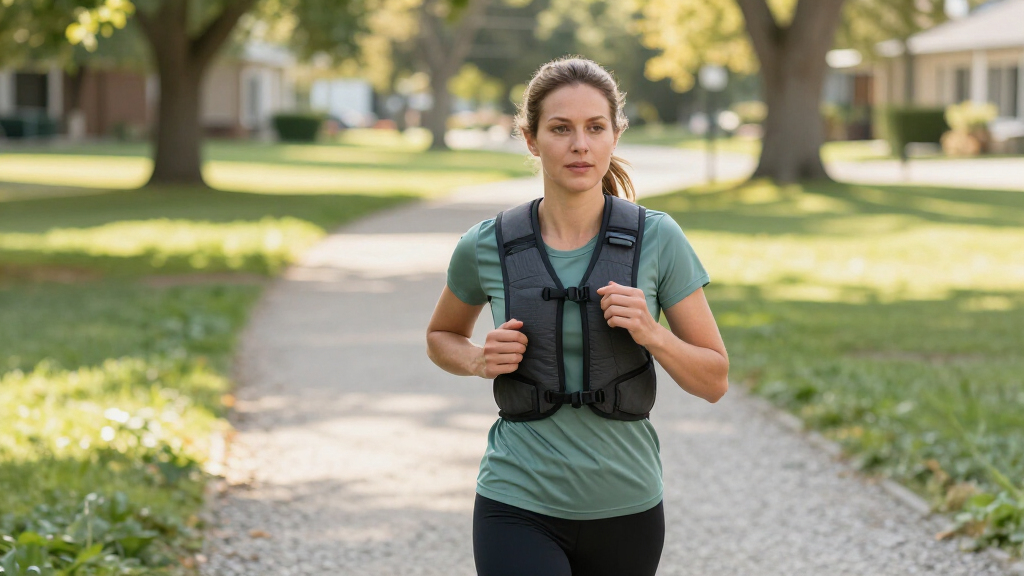
The writer tested a 6-pound G-Vest Run and a 10-pound G-Vest Icon, both made by U.S. brand OMORPHO, while training for a marathon. The writer said they combined the vest’s extra load with longer or faster runs. During one 14-mile run, they stopped at 12.5 miles; they also reported knee swelling and a plateau in fitness. This is a personal account, not a clinical study, and it does not establish that weighted vests caused the symptoms.
Haywood recommended starting light and increasing resistance gradually, as in other forms of resistance training. Her suggested starting point was no more than 5% of body weight; for a person weighing 160 pounds, she gave an 8-pound vest as an example. The report’s author said that for running, a lower starting range of 1% to 2% may be more suitable. Haywood’s central condition was that the added weight should not interfere with technique.
The report also recommends avoiding vests on long runs and long walks, using them for bodyweight exercises only after establishing sound movement patterns, and adjusting just one training variable at a time. Haywood said a vest that is too heavy or worn incorrectly can add strain to the knees, hips and ankles and may compromise form. If joint discomfort develops, she advised switching to a lighter vest or removing it.
How Added Load Changes Training
A vest increases the resistance carried through each step or repetition, so it can make a familiar session more demanding. The report presents that as a way to add intensity to exercises such as push-ups, dips and pull-ups without simply doing more repetitions. The writer found the close-fitting OMORPHO vest worked well for those bodyweight movements, though that observation reflects one person’s experience with the equipment.
The same added load can raise the demands on joints and affect technique, Haywood said. That makes the writer’s experience relevant as a caution about combining a new load with more distance, speed or frequency. It does not show how often injuries occur, whether a different vest would produce the same result, or whether weighted-vest training preserves muscle or bone density. The report offers practical guidance, but it does not test those longer-term health outcomes.
As an affiliate, we earn on qualifying purchases.
A Vest Trial During Marathon Training
Weighted vests have recently attracted attention from athletes and social media influencers, according to the Fit&Well report. The article notes that load-bearing exercise is widely considered useful in addressing age-related conditions such as sarcopenia, or muscle loss, and osteoporosis, or weakening bones. It does not present new research showing that a vest prevents or treats either condition.
The trial took place while the writer was preparing for a marathon, a period when running demands were already increasing. The writer later reflected that they had added several stressors together: vest weight, distance, pace and, at times, workout frequency. Haywood’s advice focuses on separating those changes so a person can judge how their body responds to the added load.
“The general recommendation, like with most resistance training, is to start light and gradually build up as strength and comfort with the vest improve.”
— Holly Haywood, lead instructor at Third Space, as quoted by Fit&Well
adjustable resistance weighted vest
As an affiliate, we earn on qualifying purchases.
As an affiliate, we earn on qualifying purchases.
What the Trial Cannot Show
The Fit&Well account describes one writer’s experience over 30 days. It does not include a comparison group, medical assessment, or measurements of muscle mass or bone density. The report therefore does not establish whether the vest caused the writer’s knee swelling or fitness plateau, or whether weighted-vest exercise preserves muscle or bone in the long term.
Haywood’s suggested starting loads and training adjustments are attributed recommendations in the article; the report does not describe them as rules tested in a controlled trial. It also gives no evidence about how outcomes vary by age, health history, training background or vest design. Readers who have existing joint problems or other health concerns should seek advice from a qualified health professional before adding load to exercise.
best weighted vest for bodyweight exercises
As an affiliate, we earn on qualifying purchases.
As an affiliate, we earn on qualifying purchases.
Build Load One Step at a Time
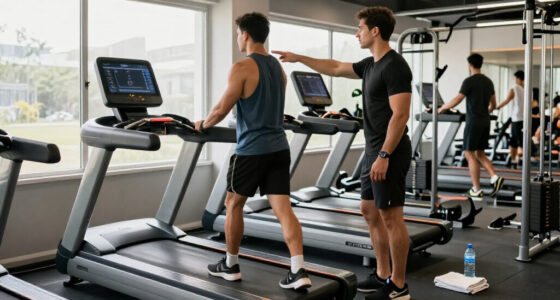
The report recommends beginning with a simple treadmill walk lasting 15 to 20 minutes, an approach Haywood suggested for introducing a vest. If that feels comfortable and technique remains sound, the article advises increasing one element at a time, such as incline or speed, and keeping other training demands steady. It also recommends gradual changes in vest weight rather than large jumps.
Anyone who experiences joint discomfort should reduce the load or stop using the vest, according to Haywood. The account gives no follow-up information about whether the writer’s symptoms resolved or whether they resumed vest training. Further research would be needed to establish the effect of weighted vests on muscle and bone density over time.
lightweight fitness vest for training
As an affiliate, we earn on qualifying purchases.
As an affiliate, we earn on qualifying purchases.
Key Questions
What happened during the Fit&Well vest trial?
The writer used 6-pound and 10-pound OMORPHO vests during a 30-day trial while training for a marathon. They reported knee swelling and a fitness plateau after combining the added load with longer or faster runs.
What starting weight did the instructor suggest?
Holly Haywood suggested starting at no more than 5% of body weight and building gradually if technique stays sound. The report’s author suggested that people using a vest for running might start closer to 1% to 2% of body weight.
Should a weighted vest be worn on long runs?
The report advises against using one for long runs or long walks. Haywood said added load can strain joints and compromise form if the vest is too heavy or worn incorrectly.
Does the report prove weighted vests preserve muscle or bone density?
No. It describes one person’s training experience and includes instructor guidance, but reports no measurements of muscle or bone density and no controlled comparison.
Source: rss
Columbus Day / Indigenous Peoples' Day Picks
long weekend sales
As an affiliate, we earn on qualifying purchases.