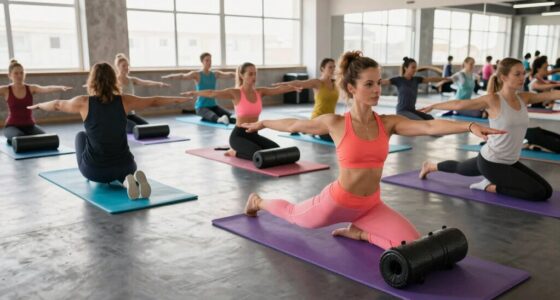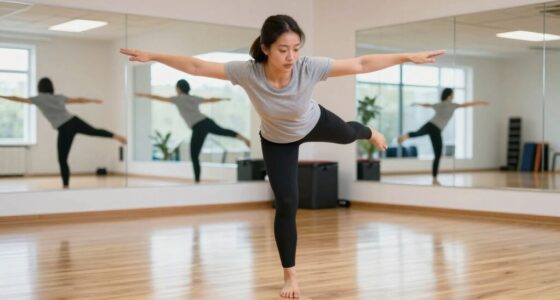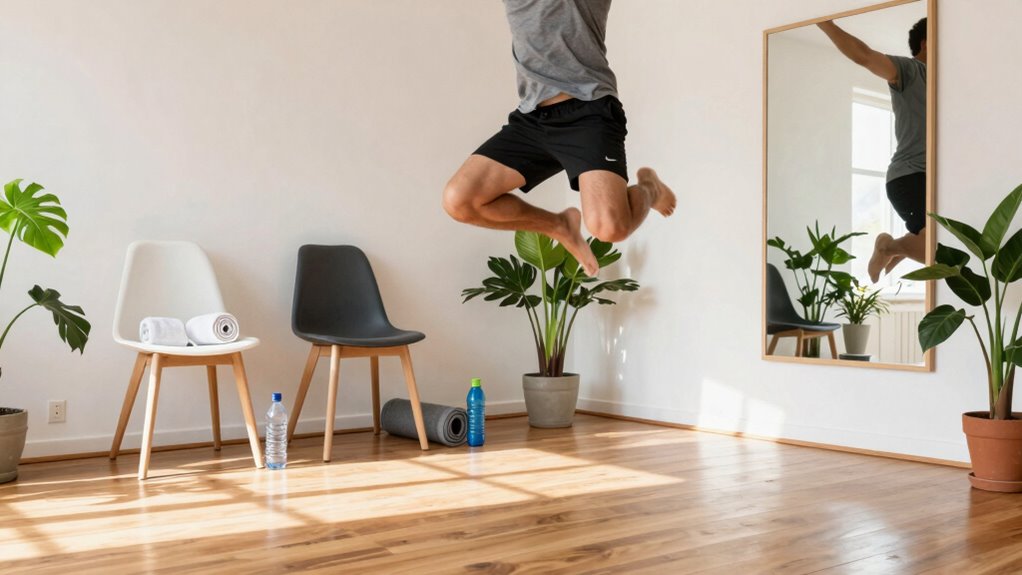

To build a no-gym movement foundation at home, focus on simple, equipment-free exercises like jogging in place, jumping jacks, squats, and push-ups to boost your strength, endurance, and mobility. Create a balanced schedule that alternates cardio and strength days, including warm-ups, cool-downs, and stretches. Proper form is key, so learn correct techniques to avoid injuries and increase effectiveness. Keep consistent, and you’ll develop a solid, sustainable routine for better movement your body will thank you for.
Key Takeaways
- Combine equipment-free cardio exercises like jumping jacks and high knees with bodyweight strength moves such as squats and push-ups.
- Create a balanced routine by alternating cardio and strength workouts, including flexibility and mobility exercises.
- Focus on proper exercise form to maximize effectiveness and prevent injuries, using online resources or guidance if needed.
- Develop consistency by scheduling regular workouts, gradually increasing intensity, repetitions, or complexity over time.
- Use minimal space and no equipment to make workouts accessible, building confidence and endurance at home.
Creating a strong movement foundation at home is entirely possible without a gym membership, and it starts with understanding that you don’t need fancy equipment or a large space. Your body is your most versatile tool, and with a little creativity, you can craft effective workouts using just your own weight. To build a solid base, focus on incorporating cardio routines and strength exercises that challenge your muscles and elevate your heart rate. This combo helps improve endurance, muscle tone, and overall fitness.
Begin with simple cardio routines like jogging in place, jumping jacks, or high knees. These exercises are easy to do in small spaces and require no equipment. They elevate your heart rate quickly, helping you burn calories and boost your cardiovascular health. You can also add variations, like burpees or mountain climbers, to increase intensity as you progress. Aim for at least 20-30 minutes of cardio, three to five times a week, to see noticeable improvements.
Start with simple, equipment-free cardio like jumping jacks or high knees for 20-30 minutes, 3-5 times weekly.
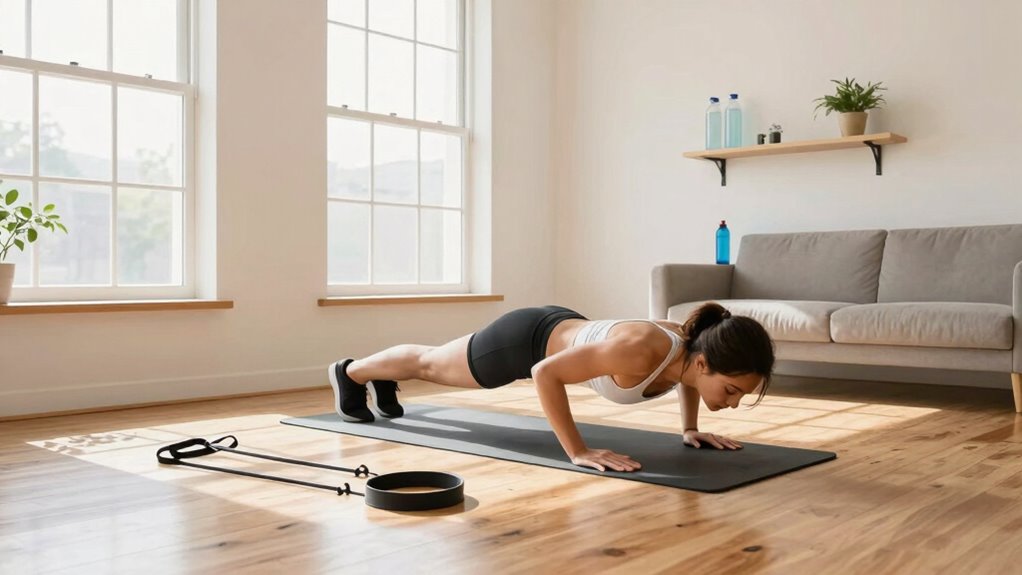
Strength exercises are equally important because they build muscle, improve posture, and support daily activities. You don’t need weights to get started—your body weight provides plenty of resistance. Push-ups are excellent for upper body strength, targeting your chest, shoulders, and triceps. If standard push-ups feel too challenging, modify them by dropping to your knees or doing wall push-ups. Squats and lunges are fantastic for your lower body, working your thighs, hips, and glutes. Incorporate plank holds to strengthen your core, which is vital for stability and overall movement. Building a movement foundation at home is achievable with consistency and the right approach. Incorporating bodyweight exercises regularly is key to developing strength and endurance over time. Additionally, understanding proper exercise form helps prevent injury and maximizes effectiveness. Consistent practice also helps you develop better movement patterns, reducing the risk of injury during daily activities and other physical pursuits.
Consistency is key. Create a schedule that combines cardio routines with strength exercises, alternating days or blending them into a single workout. For example, you might do a 10-minute warm-up with jumping jacks, followed by 15 minutes of strength exercises like push-ups, squats, and planks. Finish with a cool-down and stretching to prevent injury and increase flexibility.
As you improve, challenge yourself by increasing repetitions, adding more complex movements, or reducing rest time between sets. Remember, the goal is to develop a balanced foundation—so don’t neglect your flexibility and mobility. Incorporate stretching or yoga poses to enhance your range of motion and prevent stiffness.
Building a no-gym movement foundation at home isn’t complicated. It’s about making the most of what you have and staying consistent. With cardio routines and strength exercises tailored to your level, you’ll gradually develop strength, stamina, and confidence—all without stepping foot in a gym.

Complete Calisthenics, Second Edition: The Ultimate Guide to Bodyweight Exercise
As an affiliate, we earn on qualifying purchases.
As an affiliate, we earn on qualifying purchases.
Frequently Asked Questions
What Equipment Is Essential for a No-Gym Workout?
You don’t need much equipment for a no-gym workout—just your body weight, which offers plenty of exercise variations. For added resistance, consider alternatives like resistance bands, water bottles, or a sturdy chair. These options help diversify your routines and target different muscle groups. Focus on functional movements, and you’ll find that minimal equipment is enough to build strength, flexibility, and endurance right at home.
How Do I Stay Motivated Without a Gym Environment?
You stay motivated by mixing outdoor workouts with your routine, which keeps things fresh and exciting. Set clear goals and track your progress to see your improvements. Surround yourself with supportive friends or online communities for encouragement. Remember to fuel your body with good nutrition tips—eating well boosts energy and motivation. Celebrate small wins, stay consistent, and remind yourself of your progress to keep the momentum going without a gym environment.
Can I Build Muscle Without Weights at Home?
Yes, you can build muscle at home without weights. Focus on bodyweight exercises like push-ups, squats, and planks, and track your progress to stay motivated. Incorporate nutritional tips such as eating enough protein and maintaining a balanced diet to support muscle growth. Consistency is key—by regularly challenging yourself and monitoring your improvements, you’ll see muscle gains even without traditional gym equipment.
How Often Should I Perform No-Gym Workouts?
You should perform no-gym workouts about four to five times a week, because apparently, staying active is a full-time job! Mix in diet plans and cardio routines to keep things interesting, and don’t forget rest days—they’re part of the plan too. Balancing workout frequency helps you avoid burnout and keeps your progress steady. So, get moving regularly, but listen to your body’s signals.
Are There Safety Concerns With Bodyweight Exercises?
Yes, there are safety concerns with bodyweight exercises, but you can minimize them by following safety precautions and injury prevention tips. Always warm up before exercising, use proper form, and start with easier modifications. Avoid pushing through pain, and listen to your body. Gradually increase intensity and volume to prevent overuse injuries. Staying mindful of these safety practices helps you enjoy effective workouts while reducing risk.
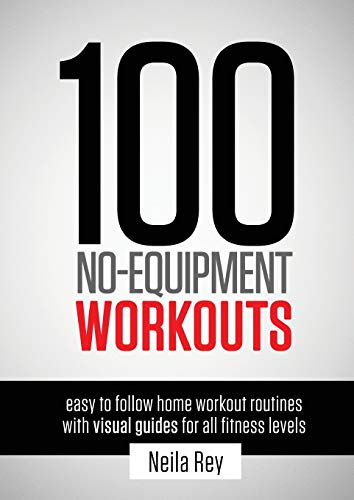
100 No-Equipment Workouts Vol. 1: Easy to Follow Home Workouts Suitable for all Fitness Levels
As an affiliate, we earn on qualifying purchases.
As an affiliate, we earn on qualifying purchases.
Conclusion
Now that you’ve got the basics down, remember, building a no-gym movement foundation is all about consistency and creativity. Think of it as assembling your own modern-day Colosseum—your home becomes the arena where strength and resilience are forged. No need for fancy gadgets or a time machine; just your body, determination, and a little bit of elbow grease. Keep at it, and you’ll be a fitness gladiator in no time—no gym required.

WHATAFIT Resistance Bands,Exercise Bands,Workout Bands with Handles,Door Anchor and Ankle Straps,5 Resistance Levels Fitness Bands,for Strength,Training, Physical Therapy, and Home Gym Equipment
- Five Resistance Levels: Includes 10-50 lbs bands for versatile training
- High-Quality Latex Material: Durable, elastic natural latex construction
- Secure Hardware and Handles: Steel clips, reinforced stitching, non-slip handles
As an affiliate, we earn on qualifying purchases.
As an affiliate, we earn on qualifying purchases.
compact exercise mat for small spaces
As an affiliate, we earn on qualifying purchases.
As an affiliate, we earn on qualifying purchases.