
If wall angels feel hard or uncomfortable, it’s likely due to limited shoulder mobility, muscle tension, or poor posture. Tight muscles, joint stiffness, or weak core muscles can make smooth movement difficult, leading to frustration. Modifying your approach— like reducing range of motion, using props, or performing smaller, controlled movements— can make the exercise more manageable. To improve over time or address persistent pain, exploring the causes and helpful techniques can lead to better results.

Get comfort and recovery gear delivered free — and shop member deals
- Fast, free delivery on millions of items
- Access to Prime Big Deal Days deals on October 6–7
- Prime Video, Amazon Music and more included
Key Takeaways
- Muscle tension, joint stiffness, and limited mobility can make wall angels uncomfortable or difficult.
- Poor posture and weak core muscles may hinder proper form and cause strain during the exercise.
- Modifications like reducing range of motion, using props, and performing slow, controlled movements help beginners.
- Improving shoulder mobility through targeted exercises and mindful breathing can ease wall angel execution.
- Persistent pain or limited movement may require professional assessment and tailored therapy strategies.
As an affiliate, we earn on qualifying purchases.
Why Do Wall Angels Feel Difficult or Uncomfortable?
Have you ever felt that wall angels are more challenging than they seem? That discomfort often comes down to muscle tension and joint stiffness. When your muscles are tight, especially in your shoulders or upper back, moving into the proper position can feel strained or painful. Similarly, if your joints—like your shoulders or elbows—are stiff, you might struggle to keep your arms close to the wall or fully extend them without discomfort. This stiffness limits your range of motion, making the exercise feel awkward or difficult. Over time, muscle tension and joint stiffness can hinder your ability to perform wall angels smoothly, leading to frustration. Recognizing joint mobility and addressing muscle tightness can significantly improve your experience with wall angels. Incorporating gentle stretching and mobility exercises can help improve joint flexibility, making the movement easier and more comfortable. Developing muscle balance through targeted stretches can also prevent further stiffness and enhance overall movement quality. Paying attention to proper technique is essential for avoiding unnecessary strain and ensuring effective exercise performance.
foam roller for muscle tension relief
As an affiliate, we earn on qualifying purchases.
As an affiliate, we earn on qualifying purchases.
Common Causes of Difficulty Performing Wall Angels
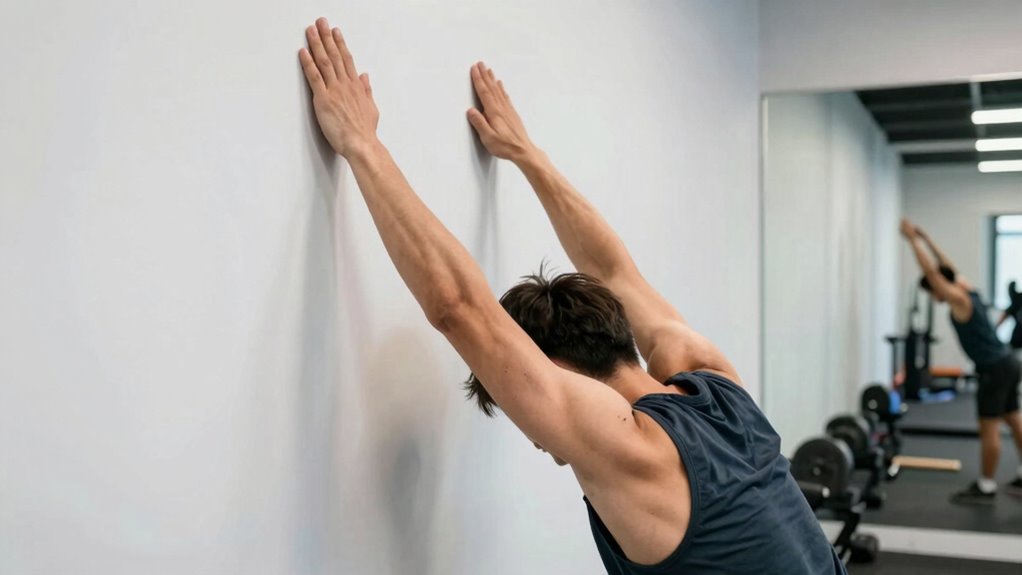
Several factors can make performing wall angels more difficult, often rooted in your body’s physical limitations. Poor breathing techniques can cause tension, making it harder to move smoothly through the exercise. When you don’t breathe deeply and evenly, your muscles tighten, reducing flexibility and control. Additionally, weak or unengaged core muscles can hinder your ability to maintain proper posture and stability during wall angels. Without core engagement, your lower back may arch or collapse, making it difficult to keep your arms and shoulders aligned. Tight chest muscles or limited shoulder mobility can also restrict movement. Addressing these issues by focusing on controlled breathing and strengthening your core can considerably improve your ability to perform wall angels effectively. Recognizing and accommodating body diversity can help tailor exercises to individual needs and limitations. Incorporating proper movement patterns and gradual progressions can further enhance mobility and reduce discomfort during the exercise. Developing awareness of muscle engagement is essential for maintaining proper form throughout the exercise. Moreover, understanding the role of air quality and ensuring proper ventilation during exercise can help maintain optimal breathing and muscle function. Being mindful of environmental factors can also contribute to better exercise outcomes and overall comfort.
core strength training equipment
As an affiliate, we earn on qualifying purchases.
As an affiliate, we earn on qualifying purchases.
How Mobility and Posture Affect Your Wall Angel Performance
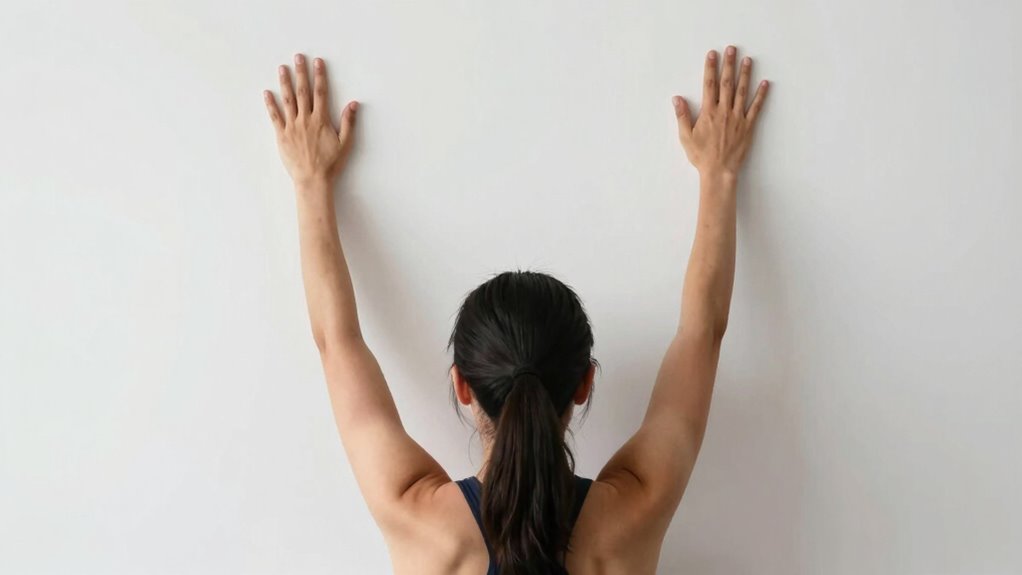
Your shoulder mobility directly influences how smoothly you can perform wall angels, affecting your range of motion. Proper posture alignment guarantees your movements are efficient and pain-free, preventing unnecessary strain. When both mobility and posture are in check, your wall angel performance improves considerably. Additionally, incorporating easy home exercises can help enhance shoulder flexibility and strength over time. Regularly practicing mobility drills can further support sustained shoulder health and ease of movement during exercises. Maintaining good posture habits throughout the day can also contribute significantly to your overall shoulder mobility and reduce discomfort, especially when considering the impact of contrast ratio on visual clarity during exercise demonstrations. Improving flywheel and engine upgrades can also complement your mobility efforts by enhancing overall movement efficiency and power during physical activity.
Impact of Shoulder Mobility
Shoulder mobility plays a crucial role in how effectively you perform wall angels, as limited mobility can restrict your range of motion and hinder proper form. When your shoulders lack flexibility, you may compensate with poor posture or overuse other muscles, leading to muscle imbalances. These imbalances weaken shoulder stability, making it harder to keep your arms in the correct position during the exercise. Reduced mobility can cause your elbows to flare out or your back to arch excessively, compromising the movement’s effectiveness. Improving shoulder mobility helps maintain proper alignment, enhances shoulder stability, and prevents compensatory movements. In turn, this allows you to perform wall angels with better form, maximizing benefits while reducing the risk of discomfort or injury. Mobility and posture also influence your ability to perform cycling techniques efficiently, emphasizing the importance of maintaining good shoulder health. Incorporating targeted mobility exercises can significantly improve your overall range of motion and exercise performance.
Posture Alignment Importance
Because proper posture directly influences your ability to perform wall angels effectively, maintaining correct alignment is vital for maximizing their benefits. When you focus on posture, you improve scapular stability and thoracic flexibility, which are key for ideal movement. Poor alignment can hinder your progress and increase injury risk. To enhance your wall angel performance:
- Ensure your shoulders stay pressed against the wall, preventing shrugging.
- Keep your lower back in contact with the wall to support proper thoracic extension.
- Engage your core to maintain stability and avoid compensations that compromise scapular movement.
- Understanding the 16PF personality traits can help tailor your exercise approach for better consistency and motivation. Recognizing your body awareness can also improve your ability to maintain proper form throughout the exercise.
- Incorporating mindfulness practices can further improve your control and focus during movement, leading to better posture maintenance.
- Developing muscle memory through consistent practice can help reinforce proper alignment and improve overall technique.
Prioritizing these alignment cues helps you develop better mobility and posture, making wall angels more effective and safer. Proper posture is the foundation for improving shoulder function and preventing discomfort.
As an affiliate, we earn on qualifying purchases.
Simple Modifications to Make Wall Angels Easier for Beginners

If you’re new to wall angels, simplifying the movement can make the exercise more accessible and less frustrating. Start with basic modification techniques like reducing the range of motion. Instead of trying to press your entire arms and back flat against the wall, focus on just lifting your arms to shoulder height while keeping your lower back slightly away from the wall. Use beginner adjustments such as placing a small towel or cushion behind your lower back to support natural curvature. You can also perform the movement slowly, focusing on controlled, deliberate motion rather than full range. Breaking the exercise into smaller, manageable steps helps build confidence and muscle memory. Incorporating support breakfast options can provide the energy needed for consistent exercise practice. Additionally, paying attention to proper cabling solutions and ensuring your setup is stable can prevent distractions during your workout. Being mindful of accessibility features like Guided Access can help keep focus on the exercise and minimize interruptions. Understanding the importance of muscle activation can also enhance the effectiveness of your movement and prevent injury. Recognizing the energetic alignment benefits of proper form can motivate sustained practice and improve overall results. These simple modifications make wall angels less overwhelming and more beneficial for improving your shoulder mobility over time.
Tips to Gradually Improve Shoulder Mobility With Wall Angels
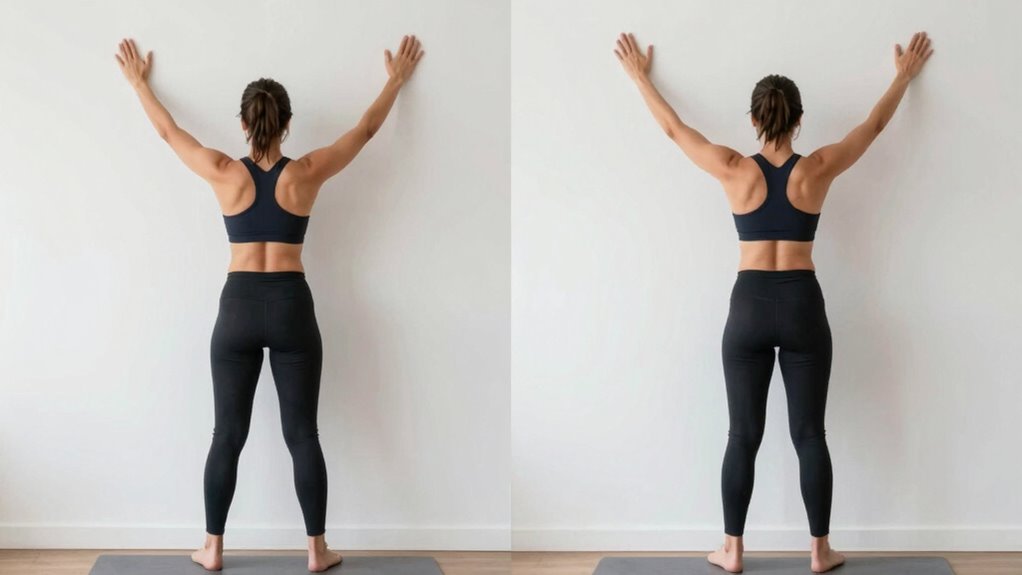
To steadily improve your shoulder mobility with wall angels, consistency is key. Incorporate these tips to see progress:
Consistent practice with mindful breathing and gradual movement enhances shoulder mobility over time.
- Focus on breathing techniques: Inhale deeply as you prepare, then exhale slowly as you move your arms, helping relax muscles and enhance movement quality.
- Maintain mental focus: Pay attention to each motion, engaging your shoulder muscles intentionally to reinforce proper form and prevent compensations.
- Practice gradually: Start with small, controlled movements, increasing range as comfort and mobility improve. Repeating exercises consistently builds strength and flexibility over time.
- Be mindful of muscle engagement to ensure you’re activating the correct muscles for optimal mobility gains. Additionally, paying attention to neuromuscular control can help improve coordination and movement efficiency during wall angels. Developing body awareness is also crucial for recognizing and correcting improper movement patterns, which supports better mobility progress over time.
When Should You See a Therapist for Shoulder Mobility Challenges?
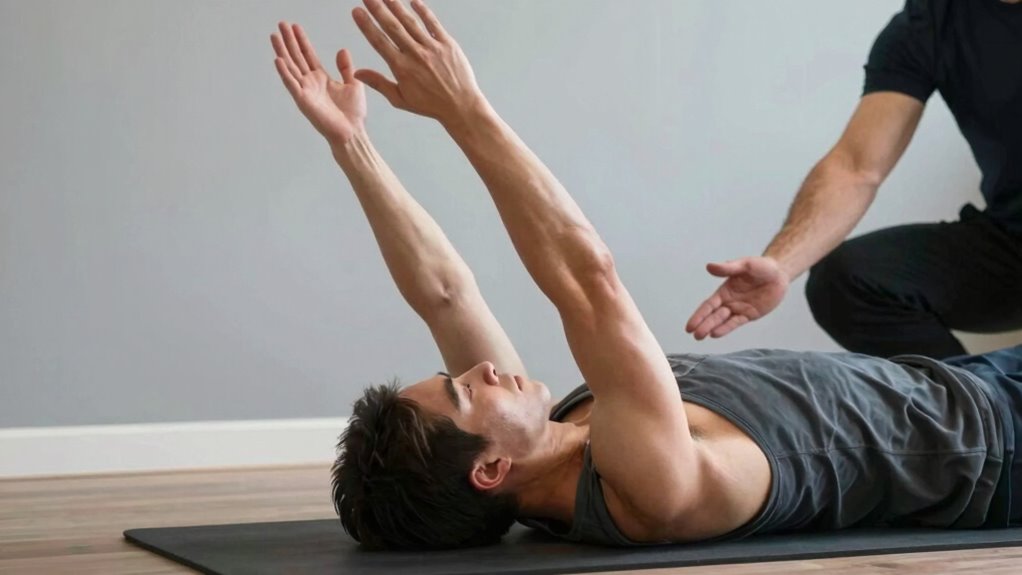
If you experience persistent pain or find that your shoulder movement remains limited despite regular exercises, it’s time to see a therapist. When daily activities become difficult or uncomfortable, ignoring these signs can lead to long-term issues. Don’t wait—consult a professional to get personalized guidance and avoid worsening your condition.
Persistent Pain Indicators
Persistent pain during shoulder movements is a clear sign that you should seek professional help. If you notice ongoing discomfort, it’s often linked to muscle tightness or joint stiffness that doesn’t improve with rest or stretching. You should see a therapist if:
- The pain persists beyond a few days or worsens over time.
- You experience sharp or stabbing sensations during movement.
- Muscle tightness or joint stiffness limits your daily activities or causes ongoing discomfort.
Ignoring these signals can lead to more serious issues, such as chronic inflammation or structural damage. Addressing persistent pain early guarantees proper diagnosis and effective treatment, helping you regain shoulder mobility and prevent long-term problems.
Limited Range of Motion
A limited range of motion in your shoulder can signal that it’s time to see a therapist, especially when simple stretches no longer help or your movements feel restricted. Reduced shoulder flexibility and increasing joint stiffness can indicate underlying issues that need professional attention. If you notice difficulty raising your arms, reaching behind your back, or performing daily tasks, don’t ignore these signs. Persistent stiffness or pain that worsens over time may point to tendinopathy, frozen shoulder, or other mobility challenges. Seeking a therapist’s guidance can help identify the root cause and develop a tailored treatment plan. Addressing limited shoulder mobility early can prevent further stiffness and improve your overall function, ensuring you regain ideal movement and comfort.
Impact on Daily Activities
When shoulder mobility becomes limited, everyday tasks can turn into challenges. Simple activities like reaching for groceries or dressing can cause frustration and discomfort. Recognizing when to see a therapist is key to restoring movement and avoiding further issues. Consider these signs:
- Difficulty performing basic daily activities, such as brushing your hair or reaching overhead.
- Persistent pain or stiffness that doesn’t improve with rest or exercise benefits.
- Reduced range of motion that hinders your ability to lift or carry objects.
If any of these apply, consulting a healthcare professional can help develop a tailored plan to improve mobility. Addressing shoulder challenges early not only eases daily activities but also enhances overall exercise benefits and prevents long-term problems.
Frequently Asked Questions
Can Wall Angels Help Improve Shoulder Flexibility Long-Term?
Yes, wall angels can help improve your shoulder mobility and flexibility over the long term. By regularly practicing this exercise, you strengthen the muscles around your shoulders and enhance joint range of motion. Consistency is key, so perform wall angels with proper form, gradually increasing reps. Over time, you’ll notice better shoulder flexibility, reduced stiffness, and improved posture, making everyday movements easier and less painful.
Are There Specific Exercises to Complement Wall Angels?
You can enhance shoulder mobility and posture correction by adding exercises like shoulder circles, doorway stretches, and band pull-aparts. These moves target your shoulders and upper back, complementing wall angels perfectly. Combining them helps prevent stiffness and improves flexibility. Don’t overlook the power of consistent practice; small daily efforts can transform your posture and keep your shoulders healthy, making every movement feel smoother and more comfortable.
How Often Should I Perform Wall Angels for Best Results?
You should perform wall angels about three to four times a week to see the best results. Focus on the ideal repetition range, which is around 10 to 15 reps per set, with 2-3 sets per session. Consistency is key, so stick to this schedule, and you’ll improve shoulder mobility and posture over time. Make sure to listen to your body and avoid overdoing it.
Can Wall Angels Correct Existing Shoulder Injuries?
Wall angels can help improve shoulder biomechanics and support injury prevention, but they may not fully correct existing shoulder injuries. If you already have an injury, consult a healthcare professional before doing wall angels, as improper movement might worsen your condition. Incorporating wall angels into a thorough rehab plan can aid recovery, but they should complement other treatments rather than replace targeted therapy for specific shoulder issues.
Are Wall Angels Suitable for All Age Groups?
Wall angels are generally suitable for most age groups, but you should consider age appropriateness and injury risks. If you’re young and healthy, you can usually perform them safely. However, older adults or those with existing shoulder injuries should consult a healthcare professional before trying wall angels. Modifications may be necessary to prevent strain and ensure safe practice, especially for those with limited mobility or joint issues.
Conclusion
So, next time you try wall angels, remember they can reveal hidden tightness or imbalance. With patience and the right modifications, you’ll uncover better mobility and comfort. But what if those stubborn limitations are telling you something deeper? Stay attentive—your shoulders might hold the key to a surprising breakthrough. Keep pushing, stay curious, and don’t ignore what your body is trying to tell you. The next step could change everything.
Fall Picks
fall essentials
As an affiliate, we earn on qualifying purchases.