
Product photos are unreliable for judging fit because they’re often staged, edited, or taken from angles that distort your perception of how clothing will look and fit in real life. Lighting, lenses, and model body shapes influence the images, making it hard to tell if something will feel comfortable or suit your body. Relying only on photos can lead to mismatched expectations. Keep going to discover how combining reviews and virtual try-ons can give you a clearer picture.

Get comfort and recovery gear delivered free with Prime
- Fast, free delivery on millions of items
- Prime Video, Amazon Music and more included
- Member-only deals all year
Key Takeaways
- Photos are often staged, edited, or taken from unflattering angles that distort the true fit of clothing.
- Lighting, lenses, and model body shape influence appearance, making photos unreliable for accurate fit judgment.
- Photos primarily show style and color, not how clothing will fit, feel, or behave in real life.
- They cannot convey fabric texture, stretch, or comfort, which are critical for assessing fit.
- Relying solely on photos increases the risk of misjudging size, fit, and overall satisfaction.
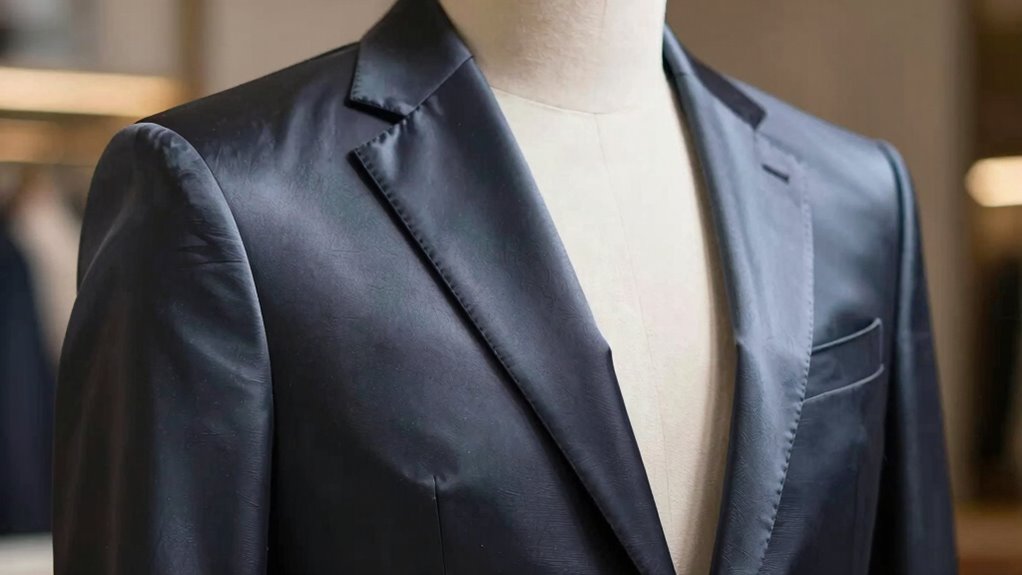
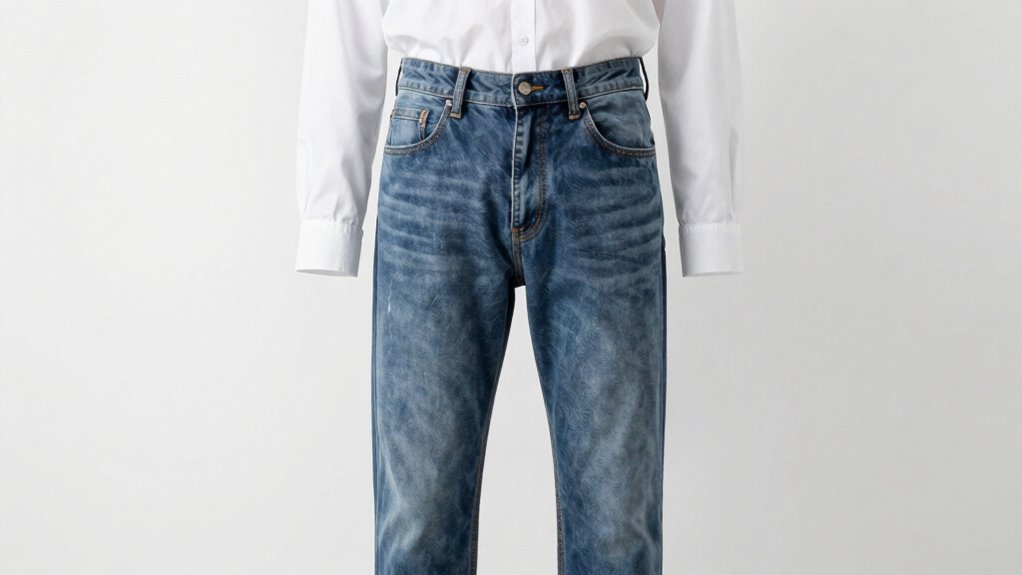
When shopping online, many people rely heavily on product photos to judge how clothing will fit, but these images can be misleading. Photos are often staged, edited, or taken from angles that don’t reflect how the item looks in real life. This can lead you to believe a shirt, dress, or pair of pants will fit perfectly when, in reality, it might not. Clothing appears differently depending on lighting, camera lenses, and even the model’s body shape. So, relying solely on images can give you a false sense of how something will look or feel once you try it on yourself.
Virtual try-ons have become a popular solution, promising to show you how clothes will look on your body through augmented reality or AI-powered tools. While these tools are a step forward, they’re still not perfect. Virtual try-ons can sometimes distort proportions or lack the subtle details that come from actual fabric and fit. They might give you a general idea, but they can’t replace the nuance you get from trying clothes on in person. *Additionally*, virtual try-ons often depend on the accuracy of your device’s camera and the software’s precision, which can vary widely. It’s also important to recognize that these tools are still evolving and may not fully replicate real-world fit and feel. Recognizing the current limitations of AI can help you set realistic expectations when using these tools.
Another critical aspect often overlooked is customer reviews. These reviews provide real-world insights from people who’ve actually purchased and worn the clothing. They often mention whether an item runs true to size, fits larger or smaller, or if the fabric feels different from what the photos suggest. Reading customer reviews can give you practical information about fit that no photo can provide. Sometimes, reviewers include their height, weight, and size they bought, making it easier to compare how the clothing might fit your body. Moreover, reviews often discuss the fabric behavior after washing, which is another aspect that photos cannot convey.
Relying on product photos alone ignores the valuable feedback from customer reviews. While photos may show the style and color, they rarely tell you about the fit, comfort, or how the fabric behaves after washing. Combining photos with customer reviews gives you a fuller picture. Virtual try-ons can supplement this, but they shouldn’t be your only guide. Instead, take the time to read reviews, consider your body type, and use virtual try-ons as an additional reference. This balanced approach helps you make smarter choices and reduces the disappointment or hassle of returns caused by misjudged fit. It’s also important to remember that product photos can be deceptive, so trusting multiple sources of information leads to better shopping decisions. Being aware of AI limitations and understanding their current capabilities can help set realistic expectations when using these tools.
Products Worth Considering

Philips Hue White and Color Ambiance Smart Light Starter Kit with Bridge and 4 A19 Bulbs

Bose SoundLink Plus Portable Bluetooth Speaker, Black

Ring Alarm 14-Piece Wireless Security System Kit
As an affiliate, we earn on qualifying purchases.
Frequently Asked Questions
How Do Fabric Types Affect Fit and Comfort?
Fabric types directly influence fit and comfort through fabric texture and breathability factors. A soft, smooth fabric feels better against your skin, while textured fabrics can add dimension but may cause irritation if not chosen carefully. Breathability factors determine how well the fabric allows air circulation, keeping you comfortable all day. Selecting fabrics like cotton or linen enhances comfort, whereas synthetic materials might trap heat and moisture, affecting how you feel in your clothing.
What Role Does Body Shape Play in Clothing Fit?
Think of your body as a unique landscape where every hill and valley influences fit. Your body proportions and silhouette preferences shape how clothing drapes and moves with you. Recognizing these differences helps you choose pieces that flatter your form and feel comfortable. Embracing your body’s individuality guarantees you don’t rely solely on photos but select garments that truly complement your natural shape and style.
How Accurate Are Size Charts Across Brands?
Size charts across brands can be quite inconsistent, making it hard to trust their accuracy. You might find that one brand’s size medium fits like a small, while another’s is more true to size. Model sizing and color accuracy in photos also vary, affecting your expectations. Always check measurements and reviews instead of relying solely on size charts, as they don’t account for differences in fit or fabric.
Can Lighting Affect How a Product Appears in Photos?
Yes, lighting can considerably affect how a product appears in photos. It creates lighting illusions that can make items look more flattering—or less so—distorting true colors and textures. Ironically, this manipulation challenges photo authenticity, making it tricky to judge fit or quality accurately. So, while photos might seem straightforward, lighting tricks can deceive your eyes just enough to mislead your perception.
What Are the Best Ways to Assess Fit Before Buying?
To assess fit before buying, focus on detailed measurements and read customer reviews about material durability and style versatility. Compare sizing charts carefully and consider your body shape. Ask questions about the fabric’s stretch and how versatile the style is for different occasions. You can also check if the retailer offers easy returns, so you can try the item on and guarantee it truly fits your needs.
Conclusion
Relying solely on product photos can trip you up, like thinking a shirt will fit perfectly because it looks great online. For example, a woman ordered a dress based on photos, only to find it was too tight in the shoulders. Always check sizing charts, read reviews, and if possible, try things on in person. Don’t let photos be the only guide—your comfort and fit depend on it.