TL;DR

Get comfort and recovery gear delivered free with Prime
- Fast, free delivery on millions of items
- Prime Video, Amazon Music and more included
- Member-only deals all year
A Fit&Well personal report describes a writer’s mid-back pain easing after nine days of practicing offset child’s pose, with the routine continuing for two weeks. The account is an individual experience, not a controlled study, and cannot show that the stretch will relieve pain for others.
A Fit&Well writer and certified personal trainer reported that nagging mid-back pain had largely eased after nine days of practicing offset child’s pose, in a two-week personal experiment. The account suggests the gentle stretch may have helped that writer, but it does not establish that the pose caused the improvement or that it will work for other people.
The writer said the pain tended to flare when lifting a toddler-aged son and decided to try the stretch because it was easy and gentle. The routine involved reaching both arms to one side while sitting back toward the heels, holding the position, then repeating on the other side. The writer began with 30 seconds per side and gradually increased the holds.
For the first part of the experiment, the writer practiced the pose twice a day. After the back began to feel better around the midpoint, the writer reduced the frequency to once daily. By the final three days, each side was held for 60 seconds. The report says the writer noticed less discomfort after nine days and found sitting, carrying the child and doing chest presses easier.
Physical therapist Dr. Michael Nula said the pose lengthens muscles along the mid and lower back while moving the hips and knees through a comfortable range. He said it can help relieve muscle tension and reduce joint compression. Those are his descriptions of the movement’s potential effects; the article does not present clinical measurements or a trial comparing the stretch with other approaches.
What One Person’s Result Can Show
The report offers a practical example of how someone incorporated a short mobility exercise into a routine and tracked how they felt. Its strongest takeaway is limited: one writer reported improvement while practicing the pose, and also described increased comfort and range of motion. That may prompt readers to ask a clinician or qualified movement professional whether a gentle stretch is appropriate for them.
The account is not evidence that offset child’s pose treats the underlying cause of back pain. Symptoms can change over time for different reasons, and the report does not rule out other factors or provide a comparison group. Readers should treat the experience as anecdotal, not a guarantee, and avoid forcing a position through pain.
Products Worth Considering

Dyson W1 PencilWash Cordless Wet and Dry Floor Cleaner with Dock

TCL 65-Inch T7 Series 4K QLED Smart Google TV, 144Hz (65T7)

Ring Alarm 14-Piece Kit
As an affiliate, we earn on qualifying purchases.
How the Stretch Was Performed
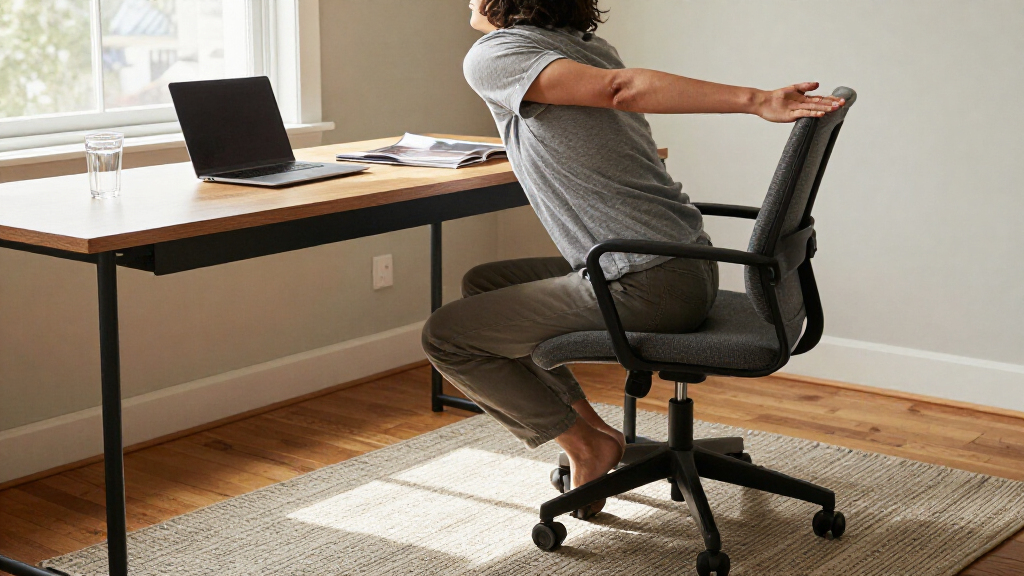
The variation described is performed from hands and knees. The practitioner widens the knees, brings the toes together and sits the hips back toward the heels, then reaches both arms to the left and holds before repeating to the right. The source suggests one or two sets, with each side held for 30 to 60 seconds.
Nula cautioned against forcing the pose. If the hips do not reach the heels, he suggested placing a pillow in the gap so the position can be adjusted to the person’s range. The writer also said Nula recommended focusing on long, deep breaths and found that breathing helped them move more comfortably. The source advises people with medical conditions or injuries, or anyone uncertain about the pose, to consult a physician.
What the Personal Account Cannot Establish
The report does not state the writer’s diagnosis, whether a clinician evaluated the pain, or whether any other changes in activity or daily routine contributed to the improvement. It also provides no pain scale, objective mobility measurements or follow-up beyond the two-week period. The publication date is not included in the supplied source material.
Because this was a single-person experiment without a control group, it cannot establish cause and effect, predict how other people may respond, or show whether the improvement lasted. The source also notes that some injuries or medical conditions may make the pose unsuitable, but does not specify which conditions.
The Writer’s Ongoing Stretch Plan
The writer said they intended to keep offset child’s pose in their health routine, aiming to practice it several times a week, although they acknowledged they might not maintain a daily schedule. The report gives no later update on whether the pain stayed improved or whether the routine continued.
Anyone considering the stretch can follow the source’s advice to move gently, use a pillow to support the hips if needed and stop rather than force the position. People with an injury, a medical condition or uncertainty about whether the movement is suitable should seek guidance from a physician or qualified health professional.
Key Questions
What stretch did the Fit&Well writer try?
The writer practiced offset child’s pose: from hands and knees, sitting the hips back toward the heels and reaching both arms to one side, then the other.
How long did the writer hold the pose?
The writer began with 30 seconds per side, increased the holds as the pose became more comfortable, and reached 60 seconds per side during the final three days of the two-week experiment.
Does the report prove the stretch relieves mid-back pain?
No. It describes one person’s experience and cannot show that the stretch caused the improvement or that others will have the same result.
Is the pose suitable for everyone?
The source says some people with injuries or medical conditions may need to avoid it. It advises consulting a physician if unsure and cautions against forcing the position.
Source: fitandwell.com