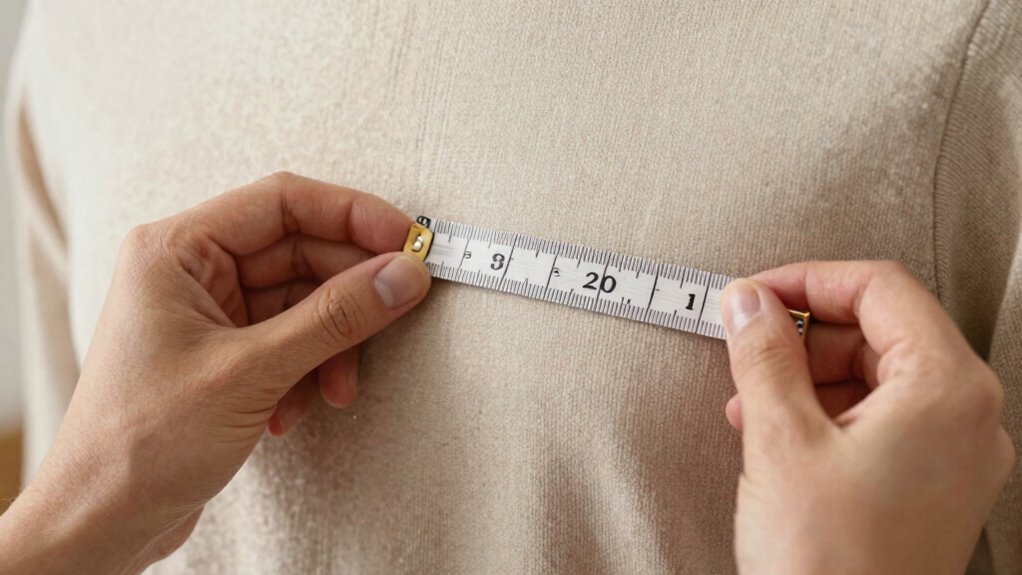
To avoid costly returns, always measure yourself accurately before shopping online. Use a flexible tape to record your bust, waist, hips, and foot size, then compare these measurements to brand-specific size charts. Recognize that sizes vary across brands, so don’t rely solely on labels. Checking customer reviews for fit hints can also help. Mastering these quick steps prevents ill-fitting items and saves you time and money—explore further to learn expert tips that make sizing even easier.

Get comfort and recovery gear delivered free with Prime
- Fast, free delivery on millions of items
- Prime Video, Amazon Music and more included
- Member-only deals all year
Key Takeaways
- Measure your body and feet accurately before shopping to ensure proper fit and avoid costly returns.
- Compare your measurements to specific brand size charts instead of relying solely on labels.
- Read customer reviews for insights on sizing accuracy and fit variations across brands and styles.
- Know that sizing standards differ across brands and countries, requiring careful size selection.
- Trying similar styles locally can help determine your ideal size for online purchases.
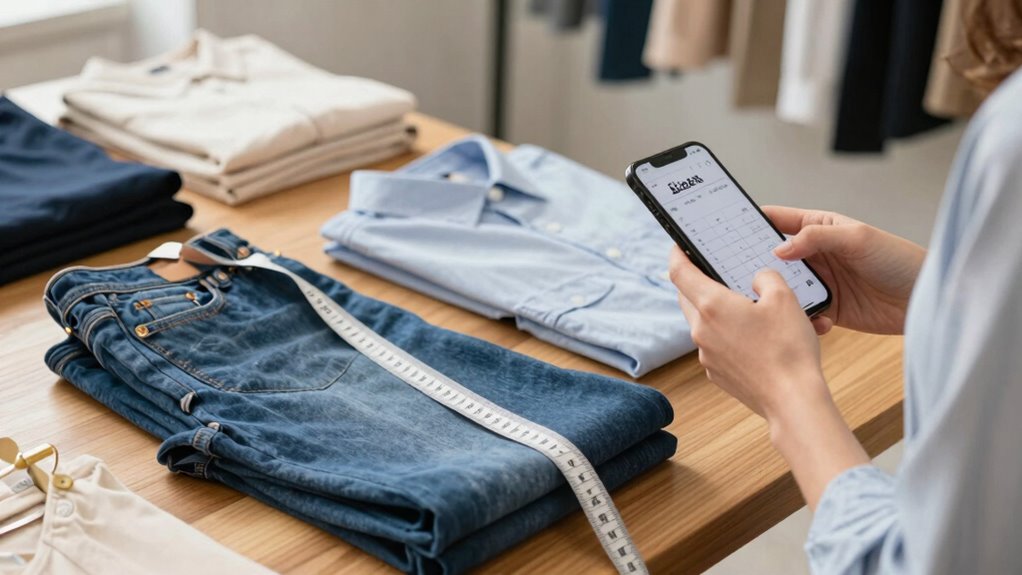
Have you ever received an item that didn’t quite fit, only to face the hassle and cost of a return? It’s frustrating, especially when the process involves shipping fees, restocking charges, and waiting days or even weeks for a replacement. The key to avoiding these headaches is a simple but effective step: doing a thorough size check before you buy. This is especially true when it comes to clothing fit and footwear sizing. Taking a few moments to measure yourself accurately can save you time, money, and the inconvenience of returns down the line.
When it comes to clothing fit, it’s essential to know your measurements and compare them to the size charts provided by brands. Don’t just rely on the size label; each brand’s sizing can vary. Use a flexible measuring tape to record your bust, waist, hips, and inseam, and keep these numbers handy. When shopping online, always refer to the specific brand’s size chart rather than assuming your usual size will fit. This step helps you select the best fit the first time, reducing the chances of receiving an item that’s too tight, too loose, or simply ill-fitting. If the retailer offers customer reviews, read those carefully, especially comments about fit, to get a better idea of how the clothing runs. Knowing your body measurements can also help you select energy-efficient appliances and systems that fit your home’s needs perfectly, avoiding costly mismatches later. Additionally, understanding size standards across brands can further improve your shopping accuracy.
Footwear sizing is another critical aspect of a proper size check. Feet tend to swell slightly during the day, so measure your foot size when your feet are at their largest—usually late afternoon. Use a ruler or a Brannock device if available, and measure both feet, as one foot can be slightly bigger than the other. Always go for the larger measurement when selecting shoe size. Remember that sizing standards differ across brands and countries, so it’s wise to check the shoe brand’s sizing guide before purchasing. If you’re buying shoes online, read reviews about fit—some shoes run narrow, while others are wider. Consider trying on similar styles in a local store for reference before committing to an online order. Additionally, understanding your foot measurements can greatly improve the accuracy of your shoe size selection. Being aware of your correct size can also help you avoid expensive returns by choosing the right fit the first time. Recognizing these size variations can further enhance your overall shopping experience.
Products Worth Considering

Philips Hue Festavia 130-Foot Indoor/Outdoor Smart String Lights, 500 LEDs

Sony BRAVIA 5 85-Inch Mini LED 4K HDR Smart TV (K-85XR50)

TCL QM64L 85-Inch QD-Mini LED 4K Smart Fire TV
As an affiliate, we earn on qualifying purchases.
Frequently Asked Questions
How Accurate Are Virtual Size Fitting Tools?
Virtual fitting accuracy varies depending on the tool and how well your measurements are taken. If you’re consistent with your measurements, you’ll find the virtual size fitting tools more reliable. These tools use measurement consistency to improve accuracy, helping you make better size choices. Keep in mind, some slight differences may still occur, so always double-check your measurements and consider reading reviews for specific virtual fitting tools before buying.
What Should I Do if My Size Varies Between Brands?
Think of your size like a chameleon, changing with clothing material and body posture. When brands vary, try measuring yourself in your usual clothing material and note your posture. For example, a friend found her size fluctuated between brands due to fabric stretch and stance. Use size charts, read reviews, and consider virtual fitting tools for better accuracy. Don’t hesitate to size up or down based on these factors to find your perfect fit.
Can Size Check Reduce Return Shipping Costs?
Yes, a size check can reduce your return shipping costs. Customer feedback shows that accurate size adjustments and measurements help you select the right fit the first time. By using size adjustment techniques, you avoid ordering multiple sizes, which cuts down on returns and shipping expenses. You’ll save money and time, and retailers benefit from fewer returns, making shopping more efficient for everyone.
How Often Should I Update My Size Measurements?
You should update your size measurements every time your shopping habits change or if your clothing material, like stretch fabrics, feels different than before. Usually, every six months is enough to maintain your measurements accurate—think of it as preventing sizing surprises that could turn your shopping experience into a nightmare. Regular updates ensure you get the perfect fit, saving you money and avoiding the hassle of returns.
Are There Specific Size Check Apps Recommended by Retailers?
Yes, many retailers recommend using their specific size check apps or fit guides. These digital tools often feature detailed size charts that help you measure accurately and compare your measurements to find the best fit. By following the retailer’s fit guide, you can confidently select clothing that fits well, reducing the chances of returns. Always check if the app or fit guide aligns with your body measurements for the most accurate results.
Conclusion
By taking the time to double-check your size before buying, you’re not just avoiding costly returns—you’re reclaiming your confidence and peace of mind. Think of it as a small act of self-respect, a shield against the frustration and disappointment that come with ill-fitting clothes. Don’t let size mishaps weigh you down; instead, embrace the power of a simple check. After all, isn’t feeling good in what you wear worth every extra second?