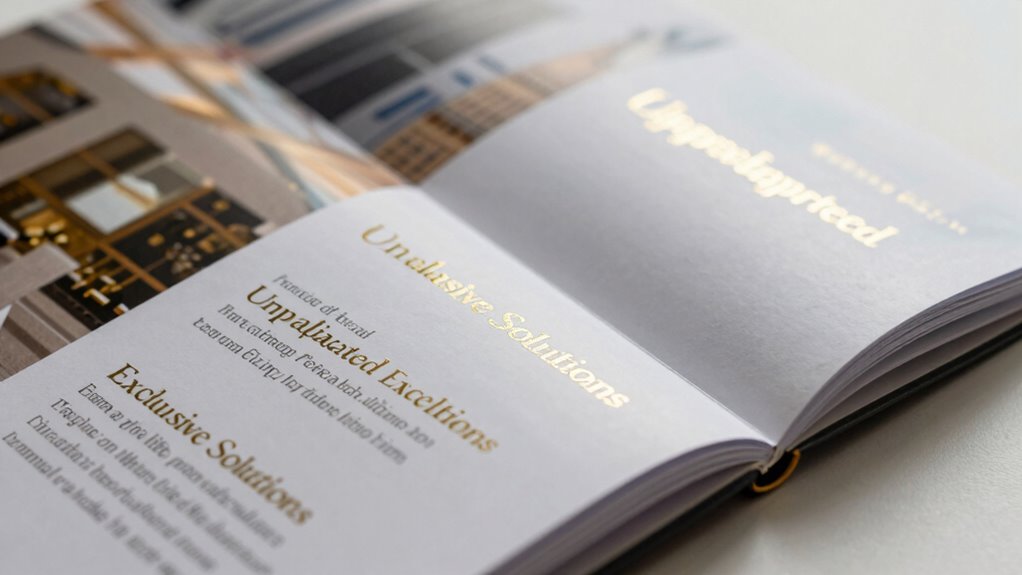

To spot “premium” language that means little, watch out for vague adjectives like “timeless,” “elite,” or “bespoke,” which often lack specific detail or proof. Question claims of superiority with words like “best” or “unparalleled”—without evidence, they’re just marketing fluff. Be skeptical of words meant to evoke emotion rather than describe actual features. By paying attention to these tactics, you’ll be better at distinguishing genuine quality from superficial claims—and there’s more to uncover here.
Key Takeaways
- Look for vague adjectives like “timeless” or “exceptional” without specific details or proof.
- Question aspirational terms such as “luxurious” or “elite”—are they backed by tangible features?
- Be skeptical of superlatives like “the best” or “unparalleled” without supporting data or comparisons.
- Watch for marketing language that emphasizes exclusivity without concrete evidence or certifications.
- Seek detailed descriptions, certifications, or objective reviews instead of relying on vague, persuasive words.

When you come across language that claims to be “premium,” it’s essential to look beyond the surface. Companies often use words and phrases that sound impressive but don’t necessarily mean anything substantial. This is especially true in luxury branding, where marketing jargon is frequently employed to create an aura of exclusivity without delivering real value. Recognizing these empty buzzwords helps you avoid being misled and allows you to make smarter choices about what you buy or trust.
Many brands rely on vague adjectives like “timeless,” “bespoke,” or “exceptional” to convey a sense of quality. But these words can be so overused that they lose all meaning. Instead of focusing on these generic terms, ask yourself what specific features or qualities they actually offer. If a product claims to be “crafted with the finest materials,” look for concrete proof, such as detailed descriptions or certifications. If no specifics are provided, that phrase is likely just marketing jargon designed to elevate the product’s perceived value without backing it up.
Vague adjectives like timeless or exceptional often mask a lack of real quality or detail.
Luxury branding often aims to create an emotional connection, but some language is so broad it amounts to little more than empty rhetoric. Words like “luxurious,” “elite,” or “exclusive” are thrown around to evoke a sense of privilege, but they don’t clarify what makes a product or service truly different. When you encounter these terms, consider whether they describe tangible qualities or are simply used to foster a sense of aspiration. If it’s the latter, it’s worth questioning whether the product genuinely delivers on that promise or if it’s just clever wordplay.
Another common tactic is the use of superlatives, such as “the best,” “unparalleled,” or “unmatched.” These claims sound impressive but often lack verification. Be cautious of statements that suggest superiority without comparative evidence. Instead, seek out objective data or reviews that can substantiate any claims of quality. If none is available, it’s likely that the language is just marketing fluff meant to persuade without substance.
Additionally, understanding the marketing tactics used in luxury branding can help you better identify when language is truly meaningful versus when it’s just empty rhetoric. Recognizing that many of these claims are built on vague adjectives rather than concrete facts empowers you to be a more informed consumer. Becoming familiar with common luxury branding strategies can further enhance your ability to discern genuine quality from superficial claims.
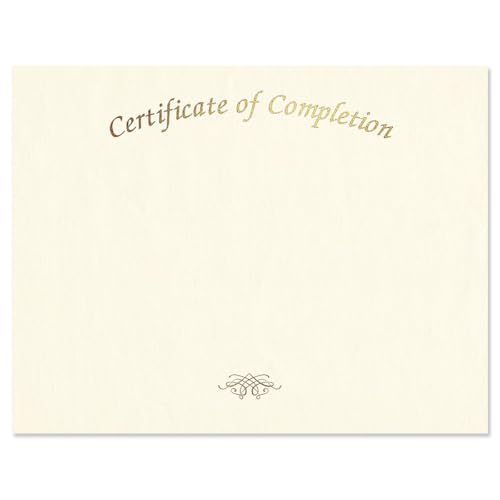
Certificate of Completion Gold Foil Paper – Pack of 25, 8-1/2" x 11" Laser & Inkjet Printer Compatible, for Office, Business Awards, Graduation, School Diplomas, Certification Training Employee
PREMIUM QUALITY PARCHMENT PAPER: Our beautiful parchment certificate papers will make any document stand out from the crowd,…
As an affiliate, we earn on qualifying purchases.
As an affiliate, we earn on qualifying purchases.
Frequently Asked Questions
How Can I Identify Genuine Premium Language in Marketing Materials?
You can identify genuine premium language by paying attention to marketing jargon that emphasizes authenticity and quality. Look for clear, specific claims that support brand positioning rather than vague phrases. Authentic premium language highlights unique features or benefits, avoiding overly generic or exaggerated terms. If the language feels inflated or lacks concrete details, it’s likely just marketing jargon. Genuine premium messaging aligns with the brand’s true value and positioning, not just empty buzzwords.
What Are Common Industries That Overuse “Premium” Language?
Luxury branding, fashion, and tech industries often overuse “premium” language to create an illusion of exclusivity. You’ll notice it in marketing materials, product descriptions, and advertisements aiming for brand consistency. These sectors tend to rely on vague words like “elite,” “exceptional,” or “unparalleled,” making it harder to distinguish genuine quality from empty promises. Stay alert, question the claims, and focus on tangible features to see beyond the buzzwords.
Are There Legal Implications for Using Ambiguous “Premium” Language?
Using ambiguous “premium” language can lead to legal risks, especially if it misleads consumers or violates advertising regulations. You might face regulatory compliance issues, fines, or lawsuits if authorities determine your claims are deceptive. To avoid these legal pitfalls, make certain your language accurately reflects your product or service’s value. Being transparent and truthful helps protect your business from legal consequences and builds trust with your customers.
How Does “Premium” Language Influence Consumer Perception?
Think of “premium” language as a shiny coat of paint on a facade—initially alluring but often masking the true product. When you encounter such language, it influences your perception of luxury branding, making you believe the product is more exclusive or higher quality. This boosts consumer trust, even if the actual value doesn’t match the hype. Ultimately, it’s a clever marketing tool that sways your buying decisions.
Can “Premium” Language Be Effective Despite Being Vague?
Yes, “premium” language can be effective despite its vagueness, especially when used strategically in branding. Its linguistic ambiguity creates an aura of exclusivity and quality, influencing consumer perception positively. You should recognize that such language often appeals emotionally, encouraging trust and desire. When incorporated into branding strategies, vague “premium” terms can subtly elevate a product’s perceived value, even if they lack concrete details, making customers more likely to choose your offering.

Guokuai Premium Quality Fabric Repair Patches Iron-on Patches for Clothing Inside & Outside Strongest Glue 100% Cotton 3" by 4-1/4" (7.5 cm x 10.5 cm)… (12PCS-Black)
Package Includes:12 iron-on fabric patches, size 3" by 4-1/4" (7.5 cm x 10.5 cm).Front side of the patches…
As an affiliate, we earn on qualifying purchases.
As an affiliate, we earn on qualifying purchases.
Conclusion
By learning to spot “premium” language, you’ll avoid falling for empty buzzwords that sound impressive but mean little. Don’t let flashy terms trick you into making decisions based on hype rather than substance. Once you recognize these phrases, you can confidently focus on what truly matters—real quality and value. Remember, not everything labeled “premium” genuinely is. So, stay sharp, ask questions, and trust your instincts to see through the noise and make smarter choices.

Lavender Essential Oil, Natural Lavender Oil Premium Grade for Diffusers, Skin Care, Massage, Humidifiers, DIY Candles, Soap Making
Pure & Premium Grade Potency: Extracted via steam distillation from high-quality lavender blossoms, our oil contains zero fillers,…
As an affiliate, we earn on qualifying purchases.
As an affiliate, we earn on qualifying purchases.
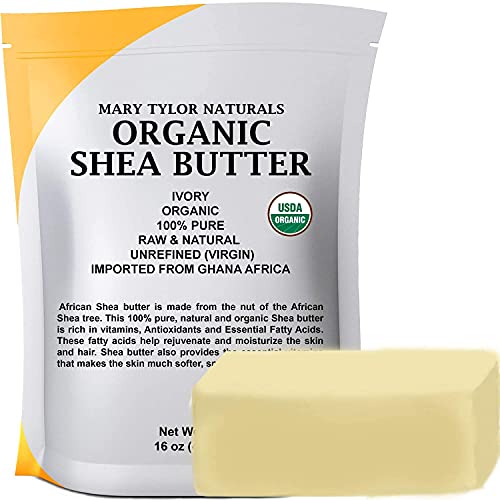
Mary Tylor Naturals Organic Shea Butter 1 lb — USDA Certified Raw, Unrefined, Ivory From Ghana Africa — Great for Hair, Skin and all your DIY Projects
Certified Organic
As an affiliate, we earn on qualifying purchases.
As an affiliate, we earn on qualifying purchases.