

TL;DR

Get comfort and recovery gear delivered free with Prime
- Fast, free delivery on millions of items
- Prime Video, Amazon Music and more included
- Member-only deals all year
Intake Breathing has received a $62 million investment from Camino Partners, the firm founded by Kind Snacks creator Daniel Lubetzky. The company says it plans to use the funding to expand into physical retail and specialty channels and make key hires; the investment amount and plans are reported, while detailed terms and a rollout timeline were not disclosed.
Intake Breathing has received a $62 million investment from Camino Partners, the investment firm founded by Kind Snacks creator Daniel Lubetzky, as the magnetic nasal-device company plans to expand beyond direct online sales. Intake says it expects to use the funding for physical retail and specialty-channel expansion and key hires, although it has not disclosed a rollout schedule or detailed investment terms.
Intake makes a reusable magnetic nasal dilator that uses a band and adhesive tabs to mechanically open the nasal valve, the narrowest part of the nasal airway, according to the company’s description. That design differs from conventional adhesive nasal strips. Intake was founded by inventor and medical-device engineer Jim Castillo and is led by his son-in-law, co-founder and CEO Alex Hauck.
The company has built its business primarily through direct-to-consumer sales. It says the new capital will support expansion into brick-and-mortar retail and specialty channels, along with hiring. The source report describes the $62 million investment as Intake’s first significant outside capital infusion, but does not give a breakdown of how the money will be allocated or specify whether the investment includes conditions beyond those plans.
Intake has attracted attention from professional athletes, including Los Angeles Dodgers pitcher Justin Wrobleski and Belgian soccer player Amadou Onana, according to the report. Athlete use and the company’s growth ambitions do not, by themselves, establish how effective the product is for sleep, exercise or other outcomes.
Funding Targets Retail Growth
The investment gives Intake substantial reported funding to pursue a move from online sales into physical stores and specialist retailers. That could make the product more accessible to shoppers who want to see or try a nasal device before buying, while placing the company in closer competition with familiar drugstore strips and other consumer wellness products.
For Camino, the deal is a bet that consumer interest in sleep, recovery and performance can support a broader market for nasal breathing products. Lubetzky has compared the opportunity with the growth of consumer interest in whole-food snacks when Kind entered the market. That is an investor’s view of the category’s potential, not evidence that nasal devices produce specific health or athletic benefits.
The deal also offers a test of whether a product that gained traction through direct sales and athlete visibility can build a wider retail business. Results will depend on execution, consumer demand, distribution and repeat purchases—details that cannot yet be assessed from the announced investment alone.
Products Worth Considering

Samsung 42-Inch S90H OLED 4K Smart TV Bundle
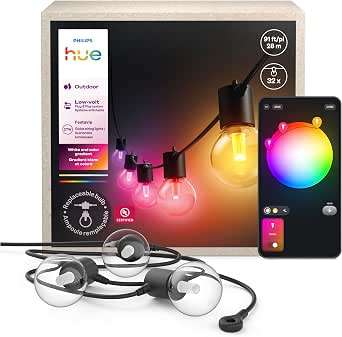
Philips Hue Festavia Globe Outdoor String Lights, 32 Bulbs, 91 ft

Dyson Cyclone V10 Origin Cordless Vacuum
As an affiliate, we earn on qualifying purchases.
From Online Sales to Stores
Intake was described in the report as a family-run business founded around Castillo’s invention. Hauck said the idea began as a solution to a problem in his father-in-law’s garage, before developing into a consumer brand. The source material does not provide the company’s founding date, sales figures, customer totals or past fundraising history beyond characterizing this as its first significant outside investment.
Camino’s portfolio includes Barry’s, a boutique fitness business, and Athletic Brewing, a nonalcoholic beer maker, according to the report. The firm’s involvement brings an investor with experience in consumer brands, but the announcement does not specify what operational support it will provide Intake beyond the capital.
The product is positioned around mechanically opening the nasal valve rather than using a conventional adhesive strip alone. The company’s claims about its design and intended use should be distinguished from independent evidence of health outcomes: the supplied report does not cite clinical research or provide comparative product testing.
““We’re not just gaining capital, we’re gaining a partner who knows exactly what it takes to help get us there.””
— Alex Hauck, Intake Breathing co-founder and CEO
Terms and Rollout Remain Undisclosed
The report does not state when the investment will close or be deployed, how the $62 million is structured, or what ownership stake Camino receives. Intake has not provided a timetable for entering stores, named retail partners or identified the specific specialty channels it is pursuing. It is also unclear how many hires are planned and which functions they will support.
The source material contains no revenue, sales-growth or customer-retention figures, making it difficult to gauge Intake’s current scale or the investment’s expected effect on its business. It also does not cite independent clinical evidence about the product’s effects on sleep, breathing or athletic performance. The company’s stated product design and investor expectations should not be read as proof of those outcomes.
Retail Plans and Hiring Ahead
Intake says its next steps are to pursue physical retail and specialty distribution and make key hires. The company has not announced store launch dates, retail partners or a hiring schedule, so the pace and reach of the expansion remain open.
Future updates to watch include where the product will be sold, how Intake supports distribution and customer service at a larger scale, and whether the company publishes business or product-performance data. Camino’s involvement may also bring brand-building support, but the report gives no specific plans or commitments in that area.
Key Questions
Who invested in Intake Breathing?
Camino Partners, the investment firm founded by Daniel Lubetzky, invested in Intake Breathing, according to the source report.
How much funding did Intake Breathing receive?
The reported investment is $62 million. The report does not disclose the deal structure, Camino’s ownership stake or other financial terms.
What does Intake plan to do with the funding?
Intake says it plans to expand into physical retail and specialty channels and make key hires. It has not named retail partners or given a timeline.
How is Intake’s product different from a standard nasal strip?
Intake describes its product as a reusable magnetic band with adhesive tabs designed to mechanically open the nasal valve. The supplied report does not provide independent comparative testing or evidence of health outcomes.
Does the investment confirm that the product improves sleep or athletic performance?
No. The investment reflects Camino’s support for the company and its market potential; it is not evidence of a medical or performance benefit. The source report does not cite clinical studies establishing such effects.
Source: athletechnews.com