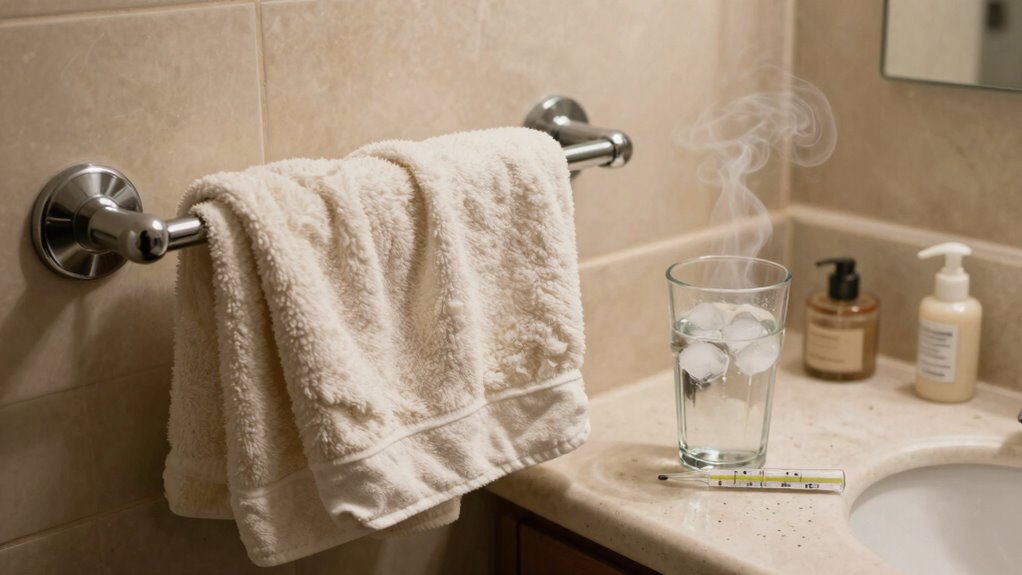

One common mistake is overusing heat or cold, which can cause tissue damage or delay healing. You might apply therapies for too long or at the wrong times, like using heat during the initial injury when cold should be used instead. Not wrapping devices properly or ignoring your body’s signals can worsen your condition. If you’re unsure about the correct timing or technique, keep going to discover how to avoid these errors and promote better recovery.

Get comfort and recovery gear delivered free — and shop member deals
- Fast, free delivery on millions of items
- Access to Prime Big Deal Days deals on October 6–7
- Prime Video, Amazon Music and more included
Key Takeaways
- Applying ice or heat for more than 15-20 minutes without breaks risks tissue damage.
- Using direct contact without wrapping can cause burns or frostbite.
- Misusing heat during the initial injury phase may worsen swelling.
- Ignoring the body’s signals like pain or numbness can lead to injury.
- Not following the proper sequence—cold first, then heat—can delay healing.
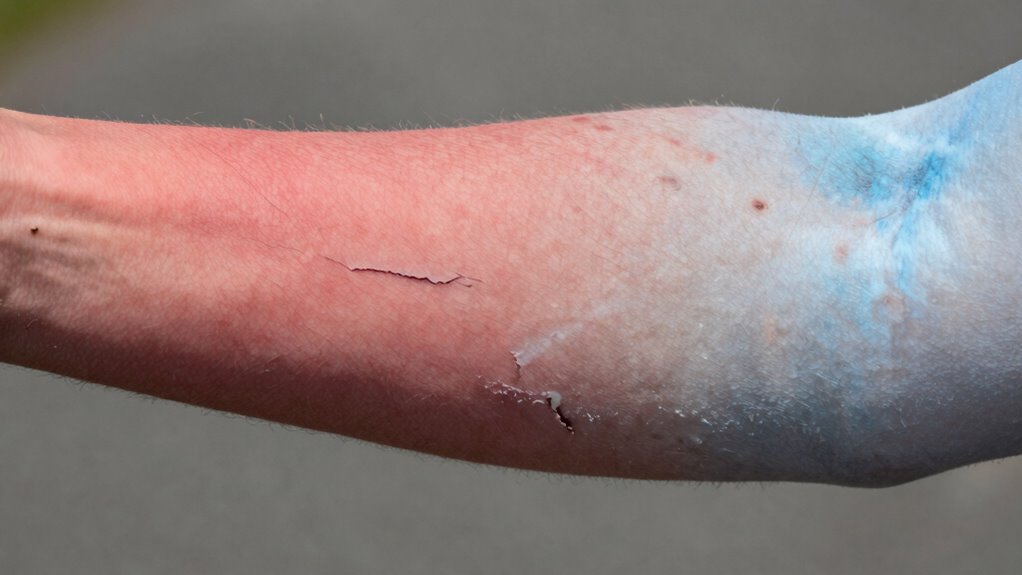
Many people mistakenly believe that applying heat or cold to an injury is always beneficial, but in reality, using the wrong routine can do more harm than good. Knowing how to properly utilize hydrotherapy techniques and temperature regulation strategies is vital to avoid setbacks and promote healing. The most common mistake is not paying attention to timing. Applying ice or heat for too long can damage tissues or delay recovery. For example, cold therapy should generally be limited to 15-20 minutes at a time, with breaks in between. Staying on longer can lead to frostbite or skin irritation, while overusing heat may cause increased swelling or inflammation. Striking a balance is key, but many overlook this and either underuse or overuse these therapies.
Another frequent error involves neglecting proper application methods. When using hydrotherapy techniques, it’s tempting to simply place a hot pack or cold compress directly on the skin. However, direct contact can cause burns or frostbite. Instead, always wrap the heating or cooling device in a cloth or towel. This guarantees the temperature is controlled and prevents tissue damage. Temperature regulation strategies should be tailored to the injury’s nature. For acute injuries, cold therapy helps reduce swelling and numb pain. For chronic muscle soreness, heat can relax tight muscles and improve blood flow. Confusing these can hinder recovery, so understanding when to switch from cold to heat is vital. Additionally, being aware of the body’s response helps prevent injury aggravation and ensures proper healing.
It’s also important to consider the individual’s response to therapy because each person may react differently to heat or cold, necessitating adjustments in the routine. Many also overlook the importance of listening to your body. If you start feeling excessive pain, numbness, or discomfort, it’s time to stop. Persistent pain indicates you might be doing more harm than good. Properly monitoring your body’s reactions can help you tailor the therapy to your specific needs. Also, applying heat or cold at the wrong time, such as during the initial phase of an injury, can exacerbate swelling instead of alleviating it. Cold therapy should be used immediately after injury, while heat is more appropriate for later stages when inflammation has subsided. Failing to follow this sequence is a common mistake that prolongs recovery.
Additionally, understanding the body’s natural healing process can help prevent over-treatment and ensure therapies are used at the appropriate times. Lastly, some people forget that these therapies are not one-size-fits-all. Each injury and individual response is different, so customize your approach. Using a consistent routine based on sound hydrotherapy techniques and temperature regulation strategies will enhance healing and prevent complications. By understanding these common mistakes and adjusting your routine accordingly, you’ll guarantee your recovery process is safe and effective, avoiding setbacks caused by improper application. Incorporating proper hydration can also support the healing process and improve overall outcomes.
As an affiliate, we earn on qualifying purchases.
Frequently Asked Questions
Can Heat or Cold Therapy Worsen Certain Medical Conditions?
Heat or cold therapy can worsen certain medical conditions if you ignore medical contraindications. For example, people with poor circulation or skin sensitivities might experience increased pain, burns, or tissue damage. Always check with your healthcare provider before starting these treatments, especially if you have underlying health issues. Using improper temperatures or durations can make your symptoms worse, so follow recommended guidelines carefully.
How Long Should I Wait Between Switching From Heat to Cold?
Don’t rush the switch; patience is key. Wait at least 15-20 minutes after applying heat before using cold therapy. This allows your muscles to fully relax and blood flow to improve, maximizing benefits like pain relief and reducing inflammation. Switching too soon can hinder muscle relaxation and blood flow enhancement. Listening to your body is essential—if you still feel warmth or discomfort, give it more time before changing temperature treatments.
Are There Specific Body Parts to Avoid During Treatments?
You should avoid applying heat or cold to sensitive areas like your face, neck, and broken or irritated skin. These regions have heightened skin sensitivity and are more prone to irritation. For muscle relaxation, target larger muscles and avoid delicate areas. Always listen to your body, and if you feel discomfort, stop the treatment. Properly preventing sensitive parts helps prevent skin damage and ensures effective, safe therapy.
How Do I Know if My Routine Is Effective or Harmful?
You can tell if your routine is effective or harmful by paying attention to your skin sensitivity and temperature thresholds. If your skin turns red, feels painful, or develops blisters, you’re likely overdoing it, which can be harmful. An effective routine should leave you feeling refreshed without discomfort. Always listen to your body, start with lower temperatures, and gradually increase to avoid damage and guarantee your routine benefits your health.
Can I Use Heat and Cold Routines Together Safely?
Yes, you can safely use alternating heat and cold routines, but it’s important to follow proper therapy timing. Usually, you apply heat first to relax muscles, then switch to cold to reduce inflammation. Make sure to wait at least 20 minutes between treatments and avoid overdoing it. Listening to your body helps prevent harm. If you’re unsure, consult a healthcare professional for personalized guidance on your alternating routines.
As an affiliate, we earn on qualifying purchases.
Conclusion
Avoiding common heat and cold routine mistakes can notably boost your well-being—think of it as your personal elixir of health. Remember, even in this fast-paced age, a simple tweak can make a world of difference. Don’t let these pitfalls turn your wellness journey into a quest for the Holy Grail. Instead, stay mindful, follow best practices, and embrace consistency. Your body will thank you, and you’ll be well on your way to feeling like the Renaissance man or woman you aspire to be.
As an affiliate, we earn on qualifying purchases.
injury recovery heat cold therapy
As an affiliate, we earn on qualifying purchases.
As an affiliate, we earn on qualifying purchases.
Fall Picks
fall essentials
As an affiliate, we earn on qualifying purchases.